Newsletters


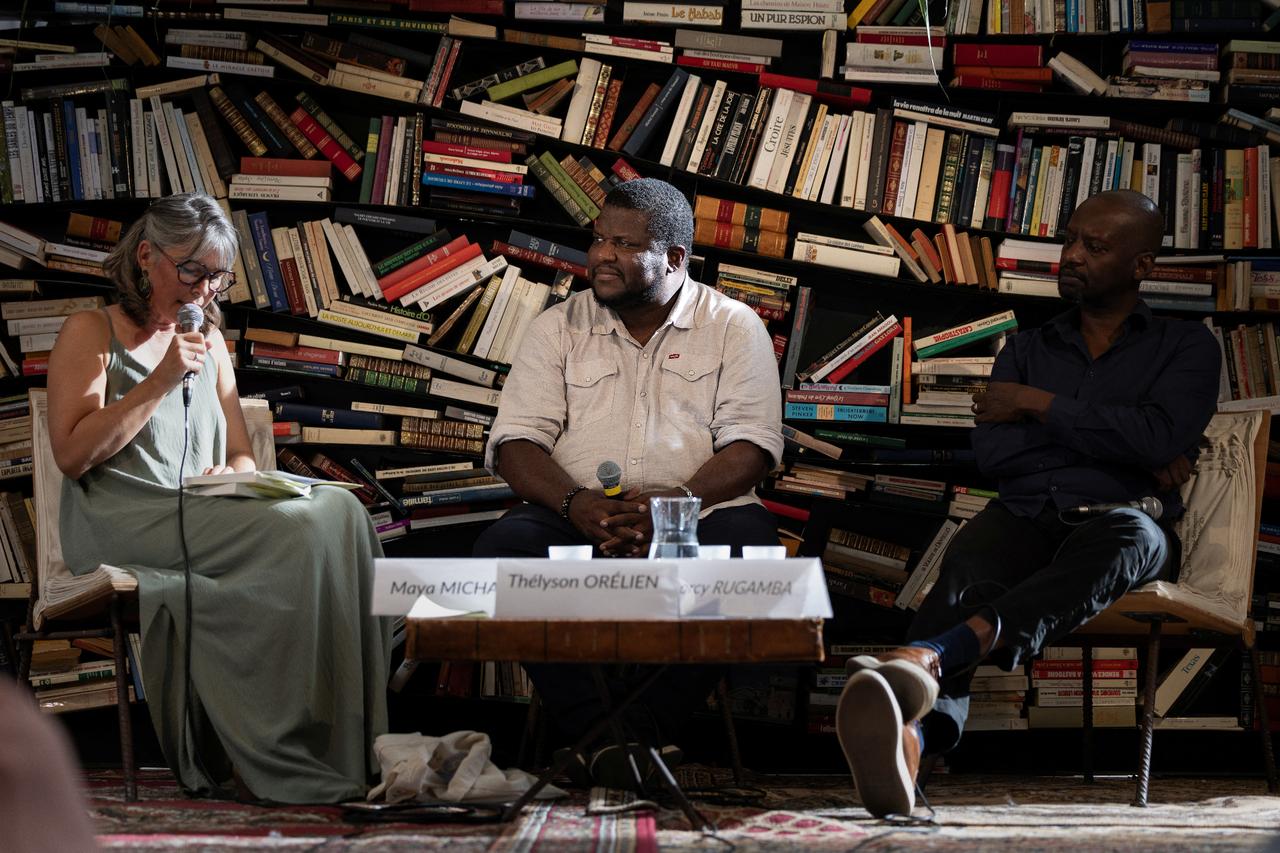


The organizers of the Prix Goncourt, France's most prestigious literary award, removed a widely praised novel by a Canadian-Haitian writer from its longlist on Friday after online claims that artificial intelligence wrote it.
The decision "is driven by the desire to preserve the integrity of the prix Goncourt and the Academy itself, whose central role is to promote and honor literature written by women and men," the Goncourt Academy said.
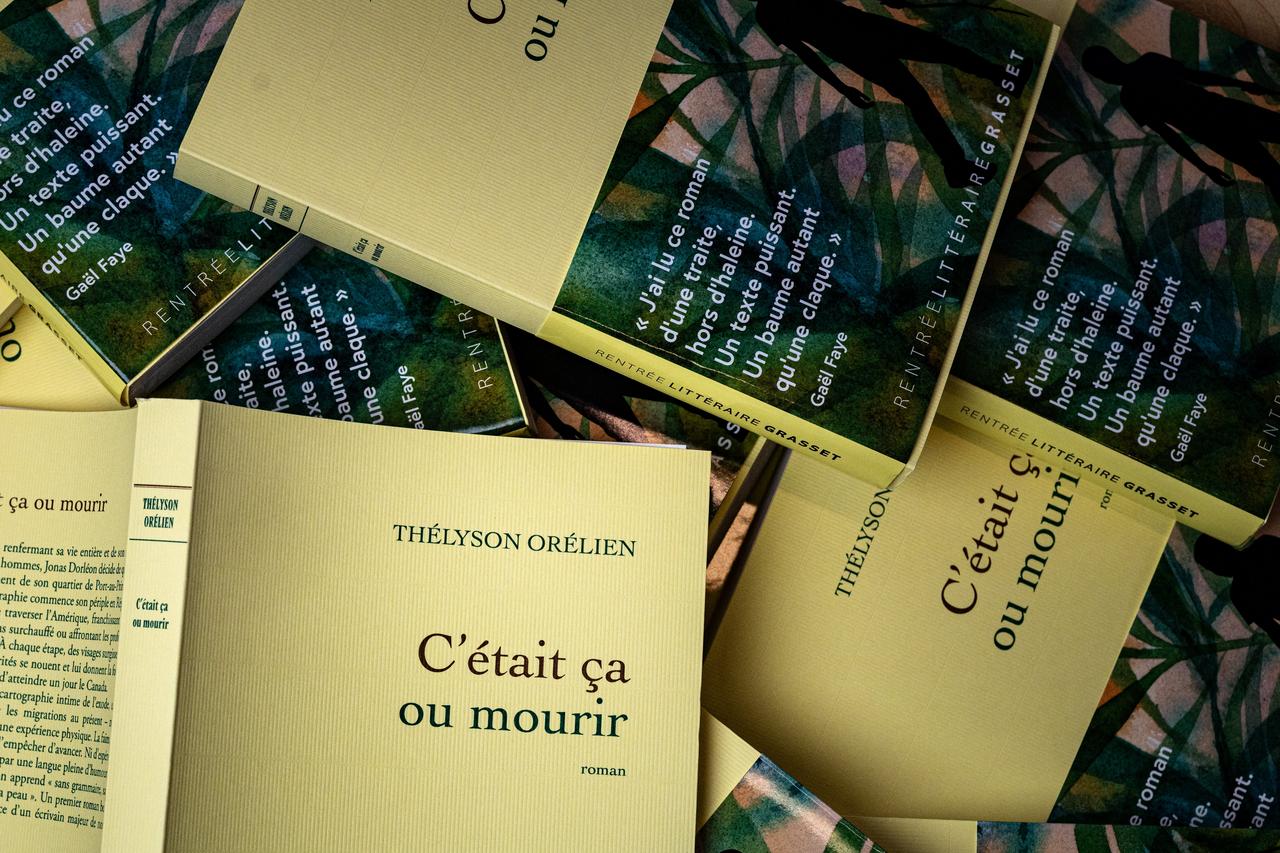

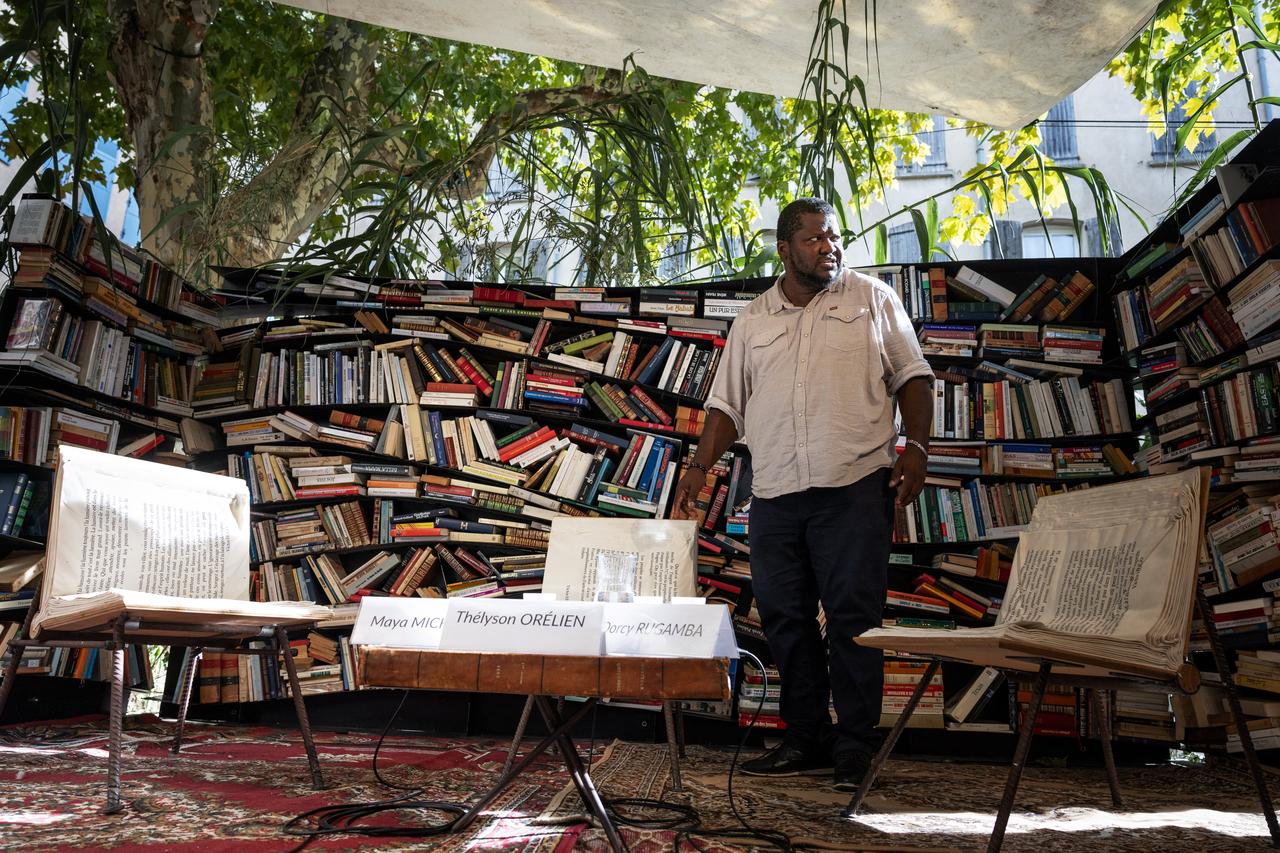
Novelist Thelyson Orelien this week denied using AI to write parts of his book "It Was Either That or Die" after the accusations surfaced on an account called "Balance ton Claude."
The Academy cited findings indicating the book is "in all likelihood, very largely the product of artificial intelligence" and also noted accusations of plagiarism.
The book had been on the Academy's initial longlist of more than a dozen titles competing for the prize, with the winner announced in November. The longlist is due to be narrowed to a shortlist on October 6.
The withdrawal "is about sending a clear message" to "make clear that we do not endorse or sanction in any way the creation of texts generated with the help of AI," the Academy said.
French essayist Samuel Fitoussi, who writes for the right-wing Le Figaro daily, said Friday he was part of the collective behind the "Balance ton Claude" account. He said he acted out of concern that AI would cause "the disappearance of reading and writing" after "several millennia of civilization founded on writing."
"I wasn't alone; it was a collective project. The others will reveal their identity in due course if they wish," he added.
Fitoussi said that as AI's flaws are addressed over time, it "will increasingly be able to... produce exceptional works in near autonomy," adding, "one day the human writer will say to themselves: what's the point?"
He said any authors who present AI-generated "copy-paste" work as their own "betray the moral pact binding them to their readership."
The book's Canada-based publisher, Boreal, announced it was suspending "promotional activities" for the novel, which it published in the spring, citing the "well-being" of Orelien.
"Unfortunately, at this stage, it is impossible for us to confirm or refute the allegations facing the author," Boreal said, urging people not to "jump to conclusions."
Orelien, a previously unknown writer whose debut is set to appear in more than 20 countries, has denied the allegations.
"I've always loved creating and writing; I don't see why I would use a machine," the 38-year-old told the French daily Liberation, adding he was "in the process of putting together a file" with his publishers to prove he wrote the book himself.


 Set as preferred source
 Set as preferred source


 1 min read