Newsletters




Turkic Week, a multi-day program set up by the Organization of Turkic States, has kicked off in Vienna with a photo exhibition at the United Nations Vienna Office, bringing the shared history, cultural heritage, and global interconnectedness of Turkic societies into focus for an international audience.
The first day of Turkic Week was marked by the opening ceremony of a photography exhibition titled “In the Turkic World on the Silk Road” at the United Nations Vienna Office. The exhibition was prepared jointly by the Organization of Turkic States and the Turkic Academy, and it is expected to help international visitors better understand how Turkic societies have historically linked up with wider global networks.
In this context, organizers indicated that the exhibition was designed to help international audiences understand how the Turkic world has interacted with broader global connections over time.
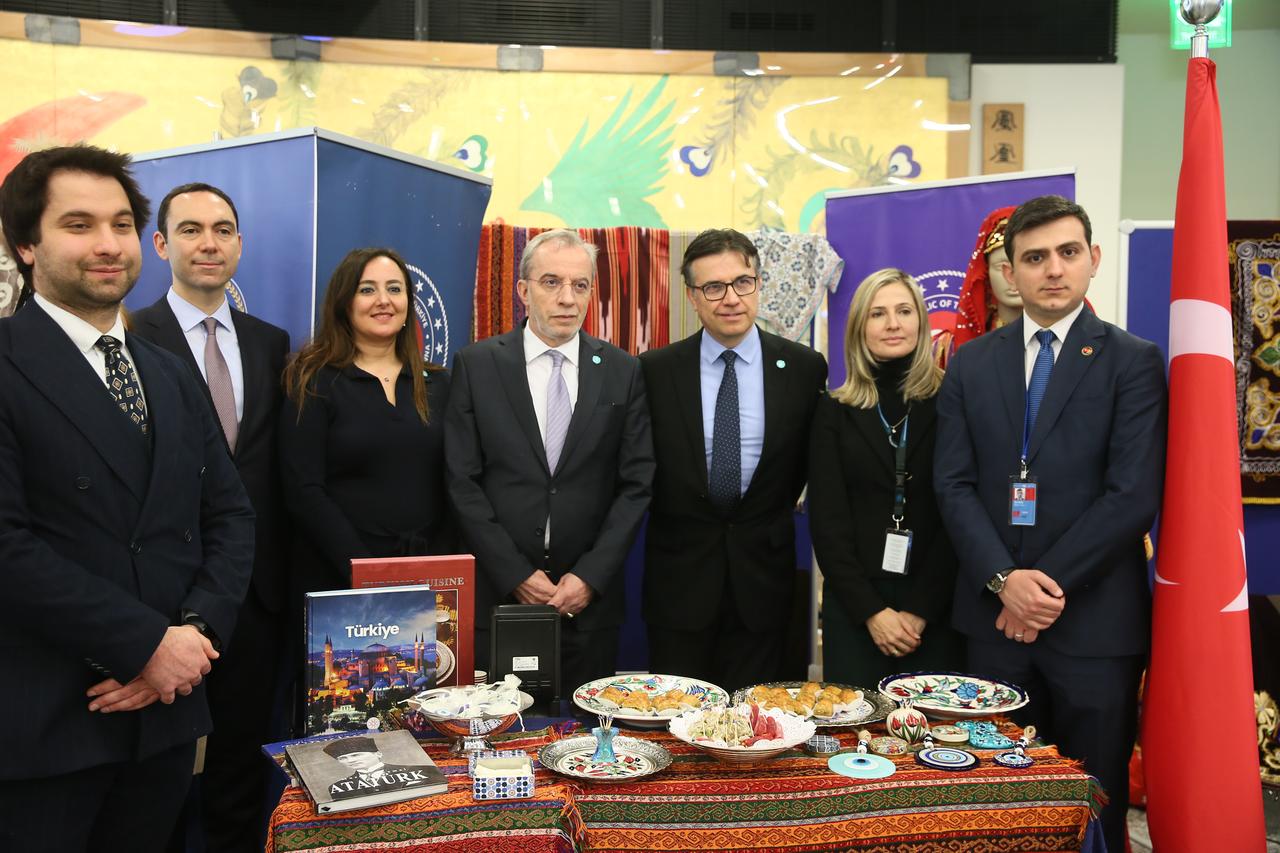

The opening ceremony brought together Organization of Turkic States Secretary-General Kubanychbek Omuraliev, Azerbaijan Deputy Foreign Minister Samir Serifov, the permanent representatives of member states to the U.N. Vienna Office, officials from U.N. Vienna Office bodies, and a range of diplomatic representatives.
During his remarks, Omuraliev framed the program as a reflection of a shared commitment to put the Turkic world’s historical, cultural, and intellectual legacy on the international stage. He also underlined that the initiative was meant to deepen ties with the wider international community, while pointing to the historical role of Turkic peoples in connecting civilizations across broad geographies.
He said: "Historically, Turkic peoples have played a vital role in connecting civilizations across vast geographies. Today, this legacy continues through modern initiatives that promote dialogue, connectivity, and cooperation, especially in areas such as transport, trade facilitation, and people-to-people ties."
Omuraliev also described Turkic Week as a platform that could bring about dialogue, partnerships, and forward-looking cooperation, while noting that cultural diplomacy and multilateral engagement can contribute to international peace, mutual understanding, and sustainable development.
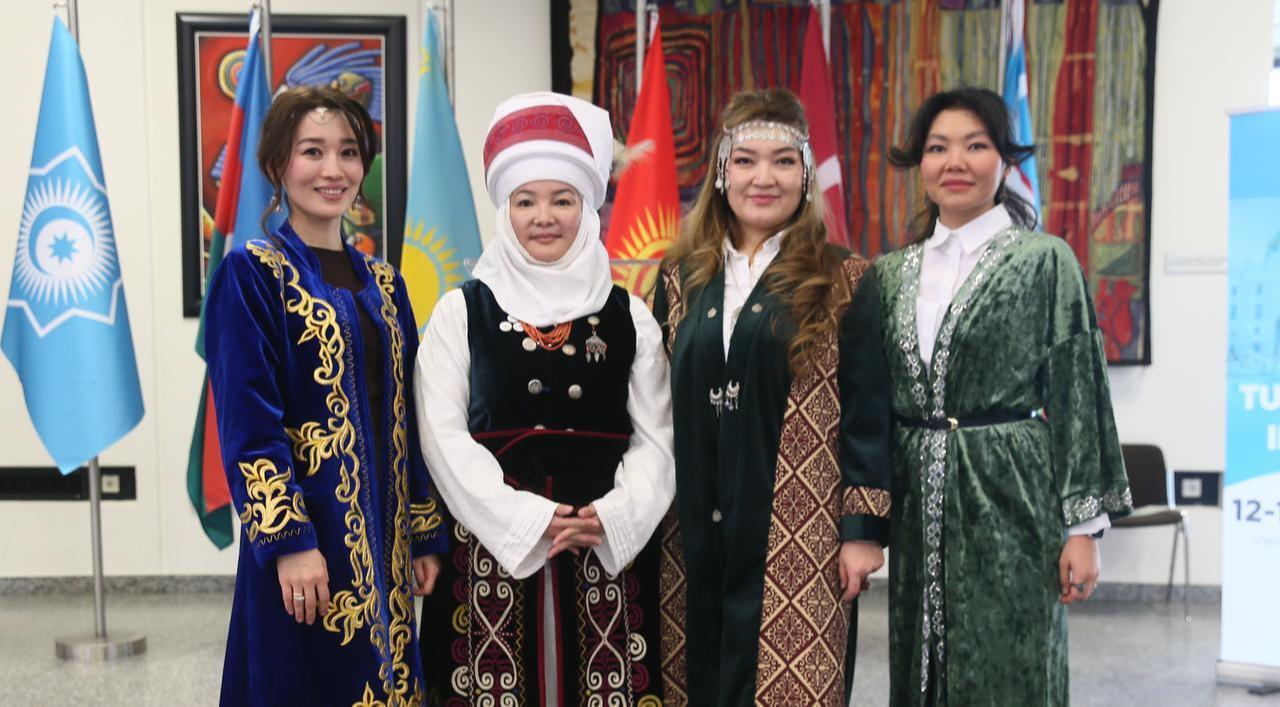
Omuraliev also conveyed that the photo exhibition was set up to show the diversity and depth of Turkic cultures, while also bringing out the Turkic world’s contribution to world civilization.
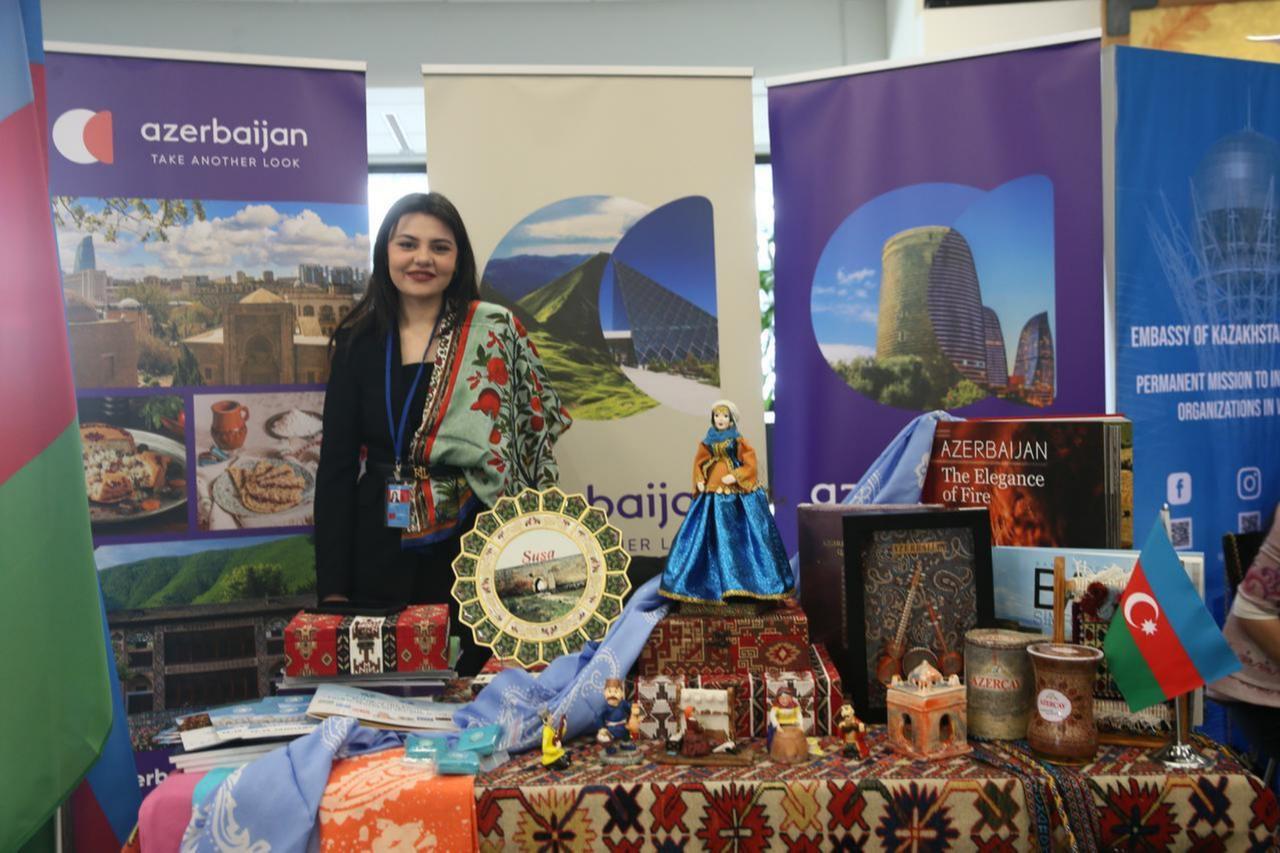
Alongside the exhibition, the event venue also featured booths where traditional clothing and cuisine from member states were introduced to participants.
Building on the cultural program, Turkic Week is also set to bring together senior officials, experts, and international organization representatives at a high-level roundtable meeting at Vienna’s historic Hofburg Palace. The meeting will be held under the theme, “From the Silk Road to the Middle Corridor: Promoting Connectivity through Transport and Trade Facilitation.”
For international readers, the Silk Road refers to the historic network of trade routes that connected Asia and Europe over centuries, while the Middle Corridor is commonly used to describe a modern transport and trade route aimed at strengthening connectivity across Eurasia. The roundtable is expected to center on how transport links and trade facilitation can be used to promote broader connectivity.
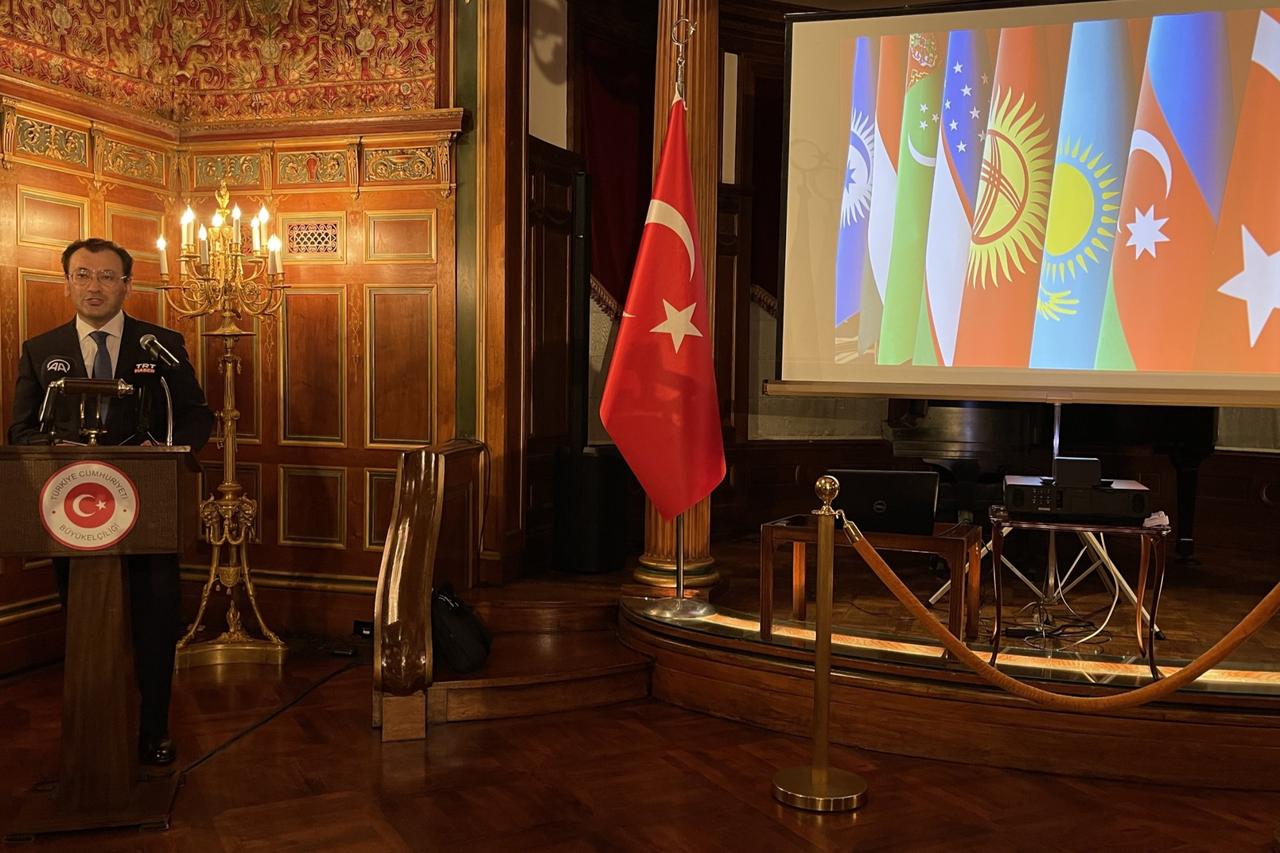
In his speech, Serifov described the Organization of Turkic States as a unique framework for cooperation among countries tied together by shared historical roots, culture, and language.
He also emphasized that cooperation among Turkic states has evolved into a structured, future-oriented partnership with a concrete and expanding agenda.


 Set as preferred source
 Set as preferred source


 1 min read
 1 min read