Newsletters


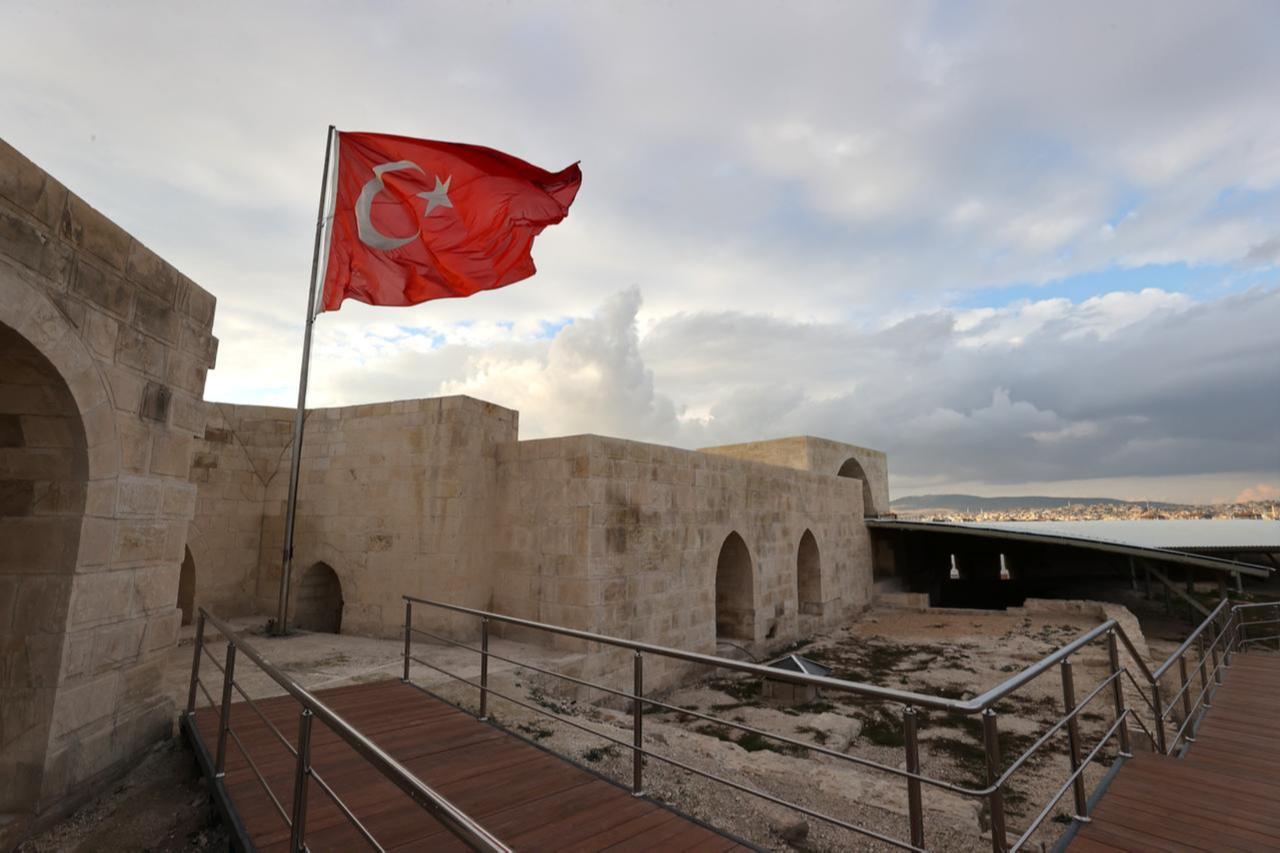


In the aftermath of the devastating February 6 earthquakes, Türkiye has stepped up a large-scale effort to bring damaged foundation monuments back to life, preserving both their structural integrity and their cultural meaning. The General Directorate of Foundations, operating under the Ministry of Culture and Tourism, announced that restoration work has now been completed on 73 foundation-owned cultural properties affected by the disaster.
These monuments, known locally as vakif eserleri, are buildings and sites historically established through charitable foundations, often including mosques, inns, baths, and social complexes that have shaped urban life for centuries. Many suffered serious damage during the earthquakes centered in Kahramanmaras, which struck a wide area of southern and southeastern Türkiye.
Damage assessment studies carried out after the earthquakes showed that 377 foundation cultural properties had been affected. In response, the General Directorate launched a comprehensive recovery program designed to balance speed with scientific care. The approach focused on restoring buildings in line with their original architectural features while reinforcing them to withstand future risks.
Rather than limiting the effort to basic repairs, authorities set out to carry forward a broader revival process. Throughout 2025, many restored monuments were gradually reopened for worship and public visits, while ongoing projects continued according to a defined timetable.
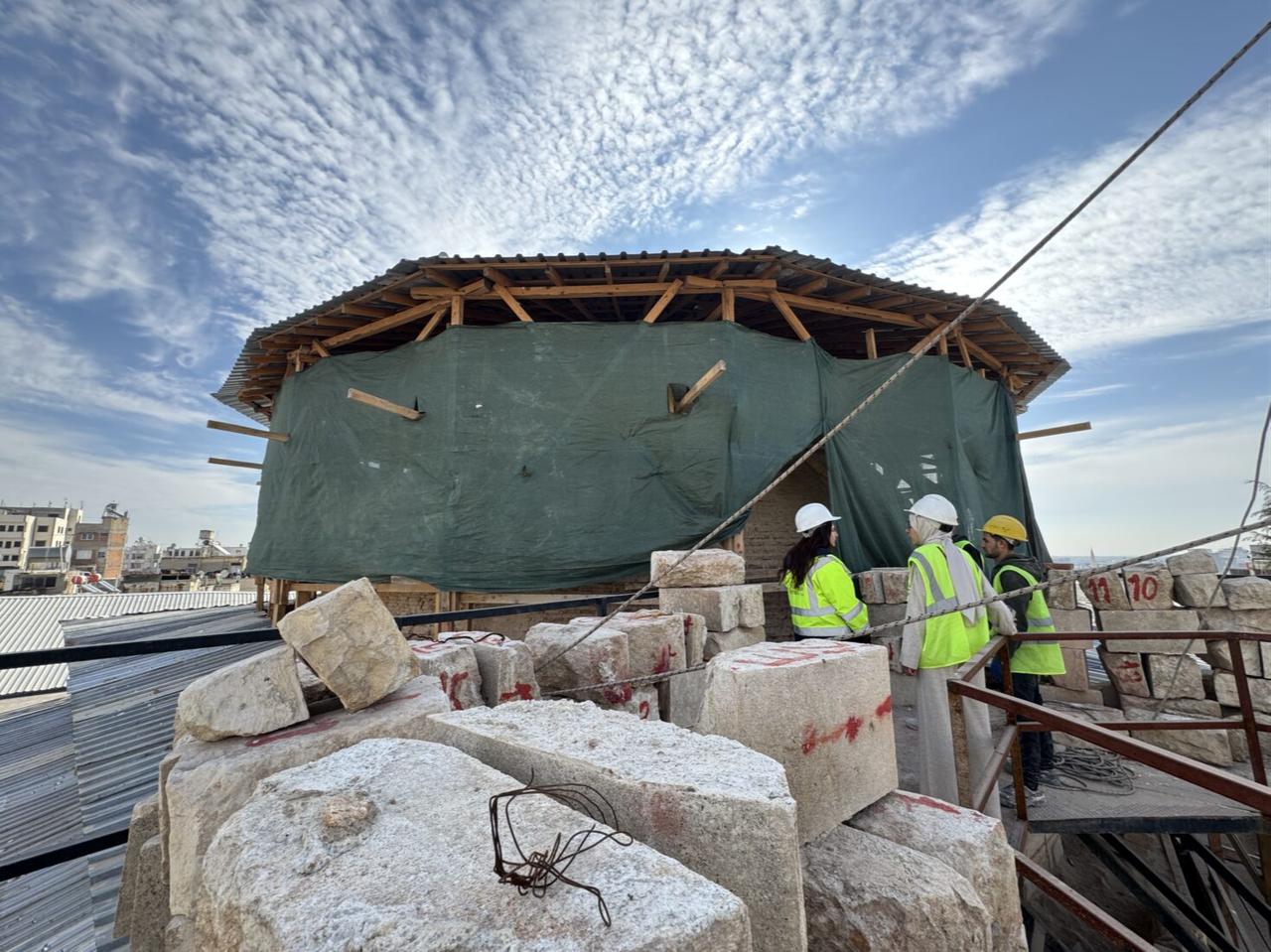

In Gaziantep, restoration work was completed on 12 monuments, which have already been reopened, while work continues on others. In Kahramanmaras, several buildings have been restored, with additional sites expected to reopen by Ramadan. Similar progress was reported in Kilis, where multiple monuments have returned to public use and further openings are planned in the coming months.
Hatay, one of the hardest-hit provinces, has seen a significant share of the restoration effort. Several landmarks in Hatay and Antakya have already reopened, while dozens of structures remain under restoration. Osmaniye has also seen completed projects, reflecting the wide geographic scope of the program.
Further north and east, Malatya and Elazig recorded completed restorations alongside ongoing works, while Diyarbakir and Bingol reported steady progress under regional coordination. In Sanliurfa, many restored monuments have already been reopened, with additional sites in Adiyaman still undergoing repair. Restoration work has also continued in Adana, even where projects are not yet finalized.
The recovery effort has not been limited to earthquake-affected provinces. Throughout 2025, restoration work on foundation monuments in other parts of the country also moved forward. Across Türkiye, more than a hundred additional foundation properties outside the disaster zone were restored and reopened, reinforcing a broader commitment to cultural heritage protection.
General Director of Foundations Sinan Aksu said the work had been carried out under intense time pressure following what he described as a major disaster, noting that teams worked closely with the support of the Ministry of Culture and Tourism. He underlined that the aim was to restore monuments in a way that protects their original character while making them structurally stronger.
Aksu highlighted the reopening of the historic Habib-i Neccar Mosque in Hatay on December 27, attended by President Recep Tayyip Erdogan, as a symbolic milestone in the process. He added that, with continued support from public institutions and sponsors, the remaining restoration projects are expected to be completed and reopened to the public in the first quarter of 2026.


 Set as preferred source
 Set as preferred source


 3 min read