Newsletters


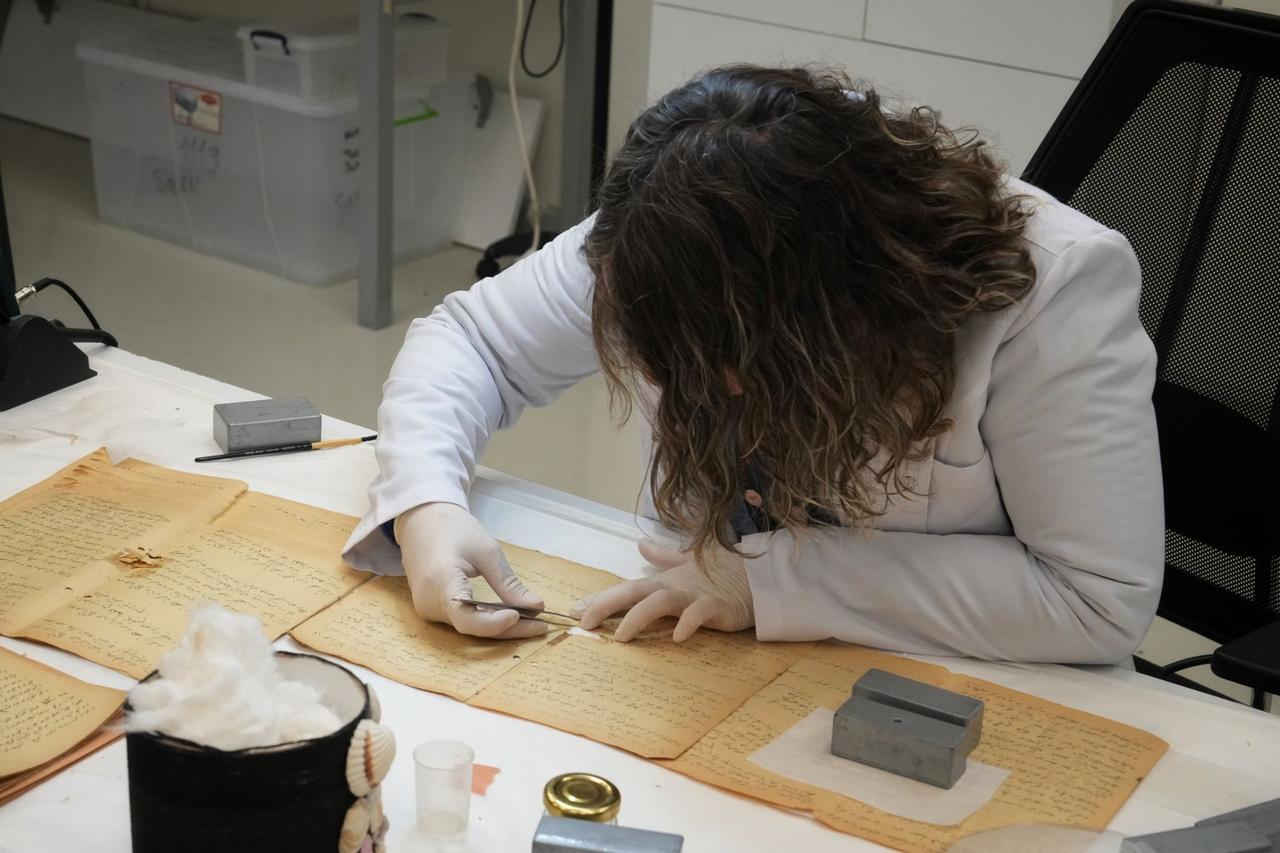


Türkiye has built one of the world’s few large-scale and fast-operating conservation and restoration infrastructures, reinforcing its growing role in archaeology and cultural heritage protection, according to Culture and Tourism Minister Mehmet Nuri Ersoy. During a visit to the Restoration and Conservation Laboratory operating under the General Directorate of Cultural Assets and Museums, Ersoy underlined that recent investments have significantly strengthened the country’s technical capacity and international standing.
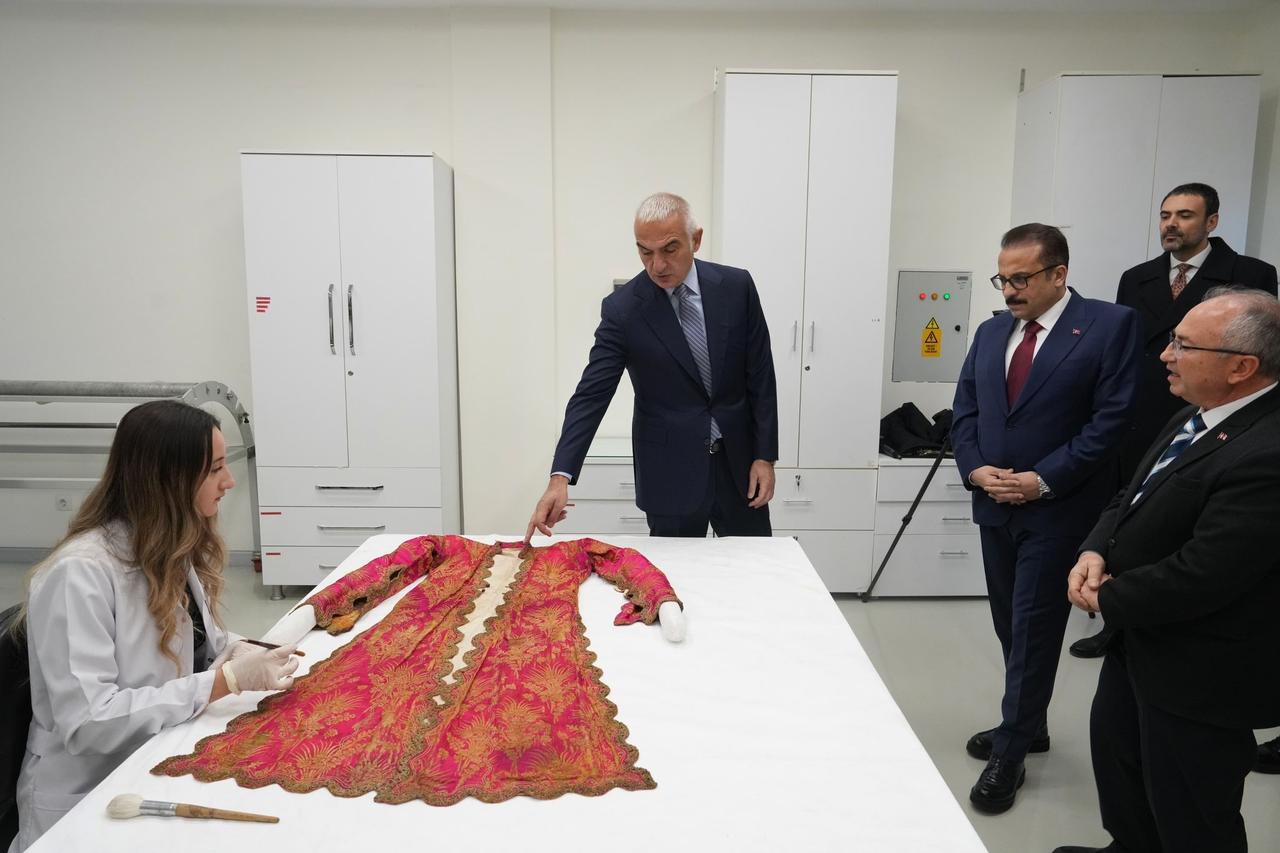

Speaking during on-site inspections in Ankara, Ersoy said Türkiye now stands out globally thanks to conservation centers that can handle large volumes of work efficiently.
He noted that sustained investments in both specialist teams and advanced equipment have paid off, with more than 251,000 artifacts restored and brought back into cultural life so far. As a result, the country has emerged as one of the few places worldwide able to carry out conservation work on a large scale while maintaining speed and scientific standards.
Ersoy also drew attention to growing international interest in Türkiye’s conservation know-how. He explained that specialist teams from many countries now come to Turkish laboratories for training and experience sharing, a development that has helped position Türkiye as a reference point in the protection of archaeological and cultural heritage.
According to experts, this exchange has strengthened cross-border cooperation while highlighting the country’s technical infrastructure and skilled workforce.
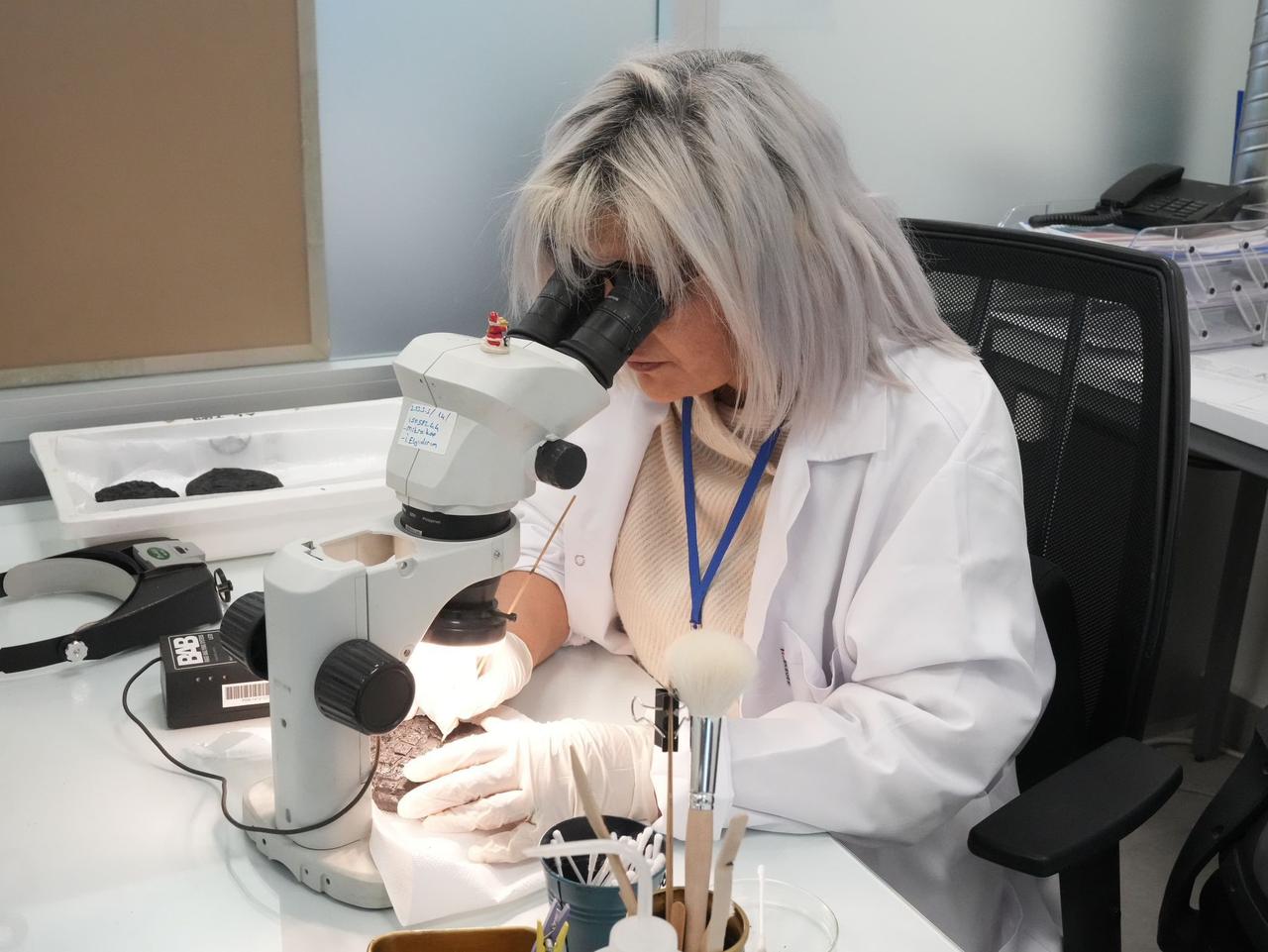
Beyond restoration, the minister pointed out that conservation laboratories also play a critical role in the fight against cultural property smuggling. Scientific data and technical analyses produced in these facilities are used to identify, document, and protect artifacts. Ersoy shared that there are currently 11 active laboratories operating under the General Directorate, staffed by 281 specialist personnel.
Artifacts uncovered during excavations go through multiple scientific processes before being displayed, with dedicated expert teams working separately on materials such as wood, stone, metal, bronze, and textiles. Intervention methods are determined only after laboratory analysis, ensuring careful and material-specific treatment.
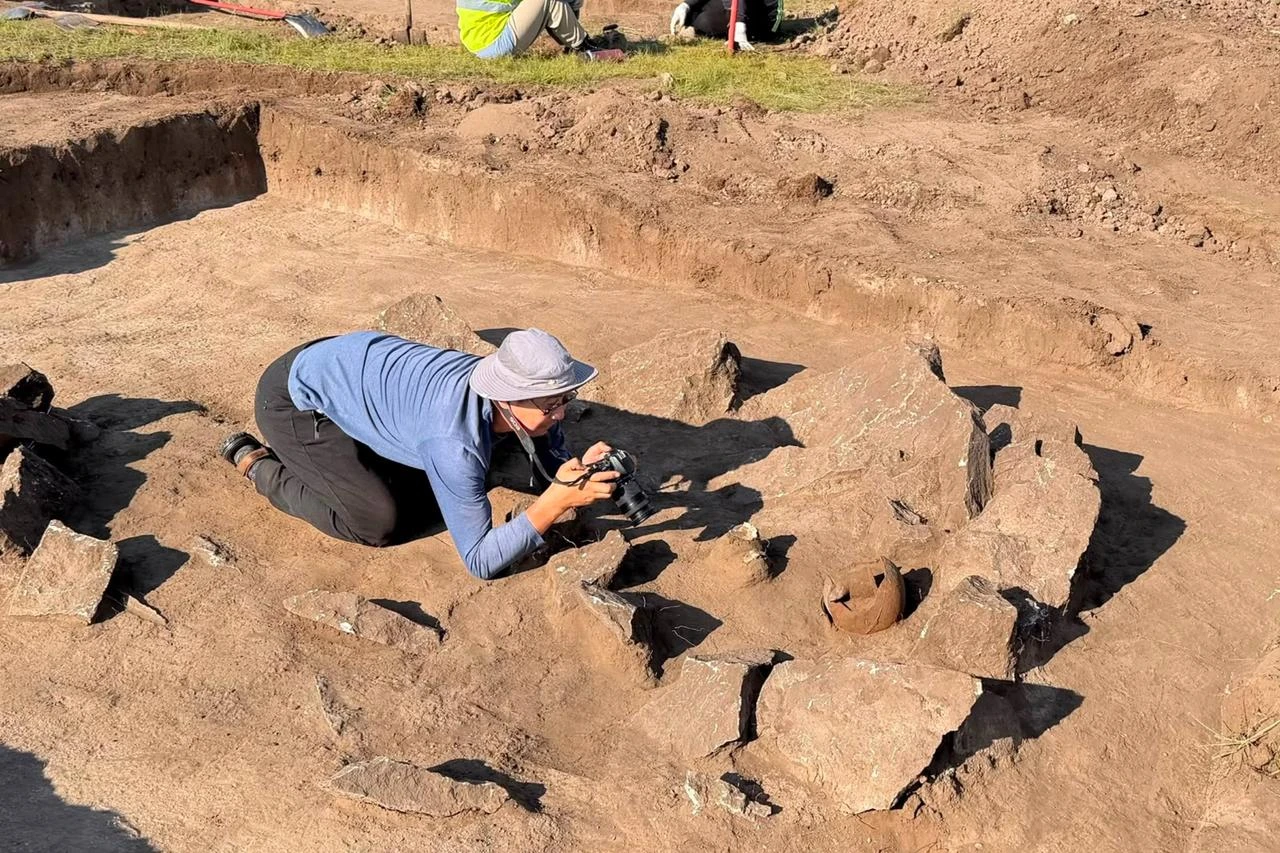
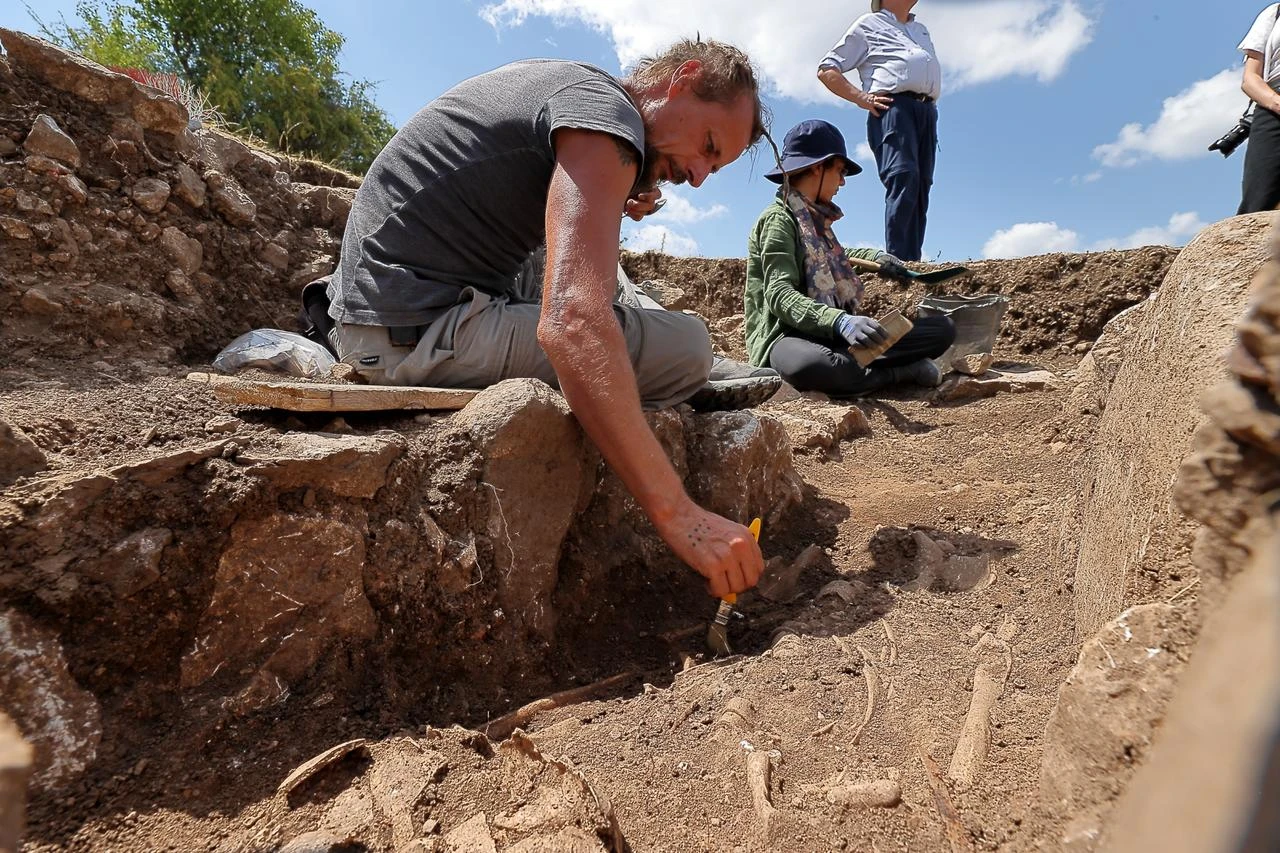
Linking conservation capacity to fieldwork, Ersoy said excavation activities have accelerated under the "Heritage for the Future" project. He stated that excavations are currently being carried out at 256 sites across the country. With increased excavation budgets, authorities aim to complete work equivalent to the past 60 years within the next four years, a pace that requires even stronger conservation infrastructure to keep up with newly uncovered artifacts.
Concluding his visit, Ersoy thanked all experts working in the field and in laboratories, stressing that Türkiye’s commitment to protecting and passing on its cultural heritage through scientific methods will continue to grow.


 Set as preferred source
 Set as preferred source


 3 min read