Newsletters


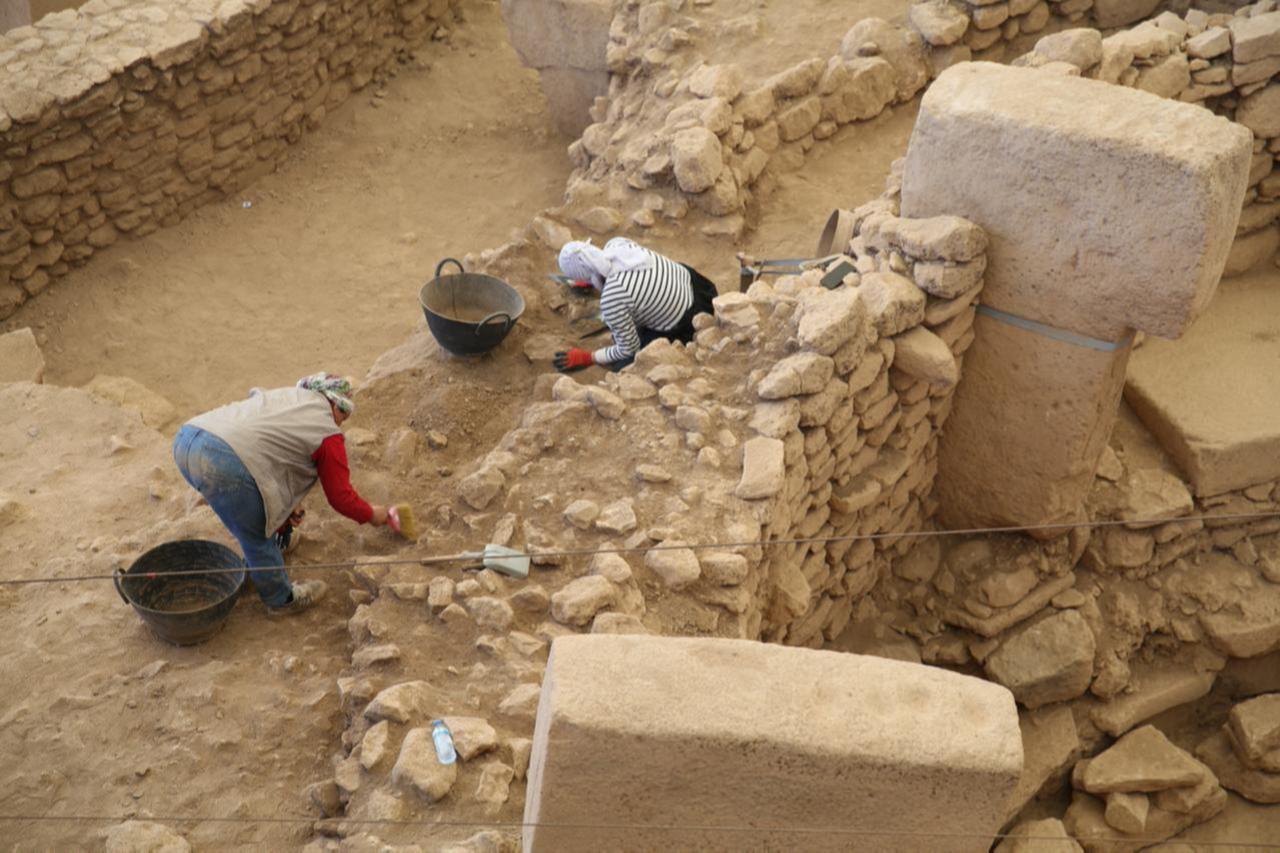


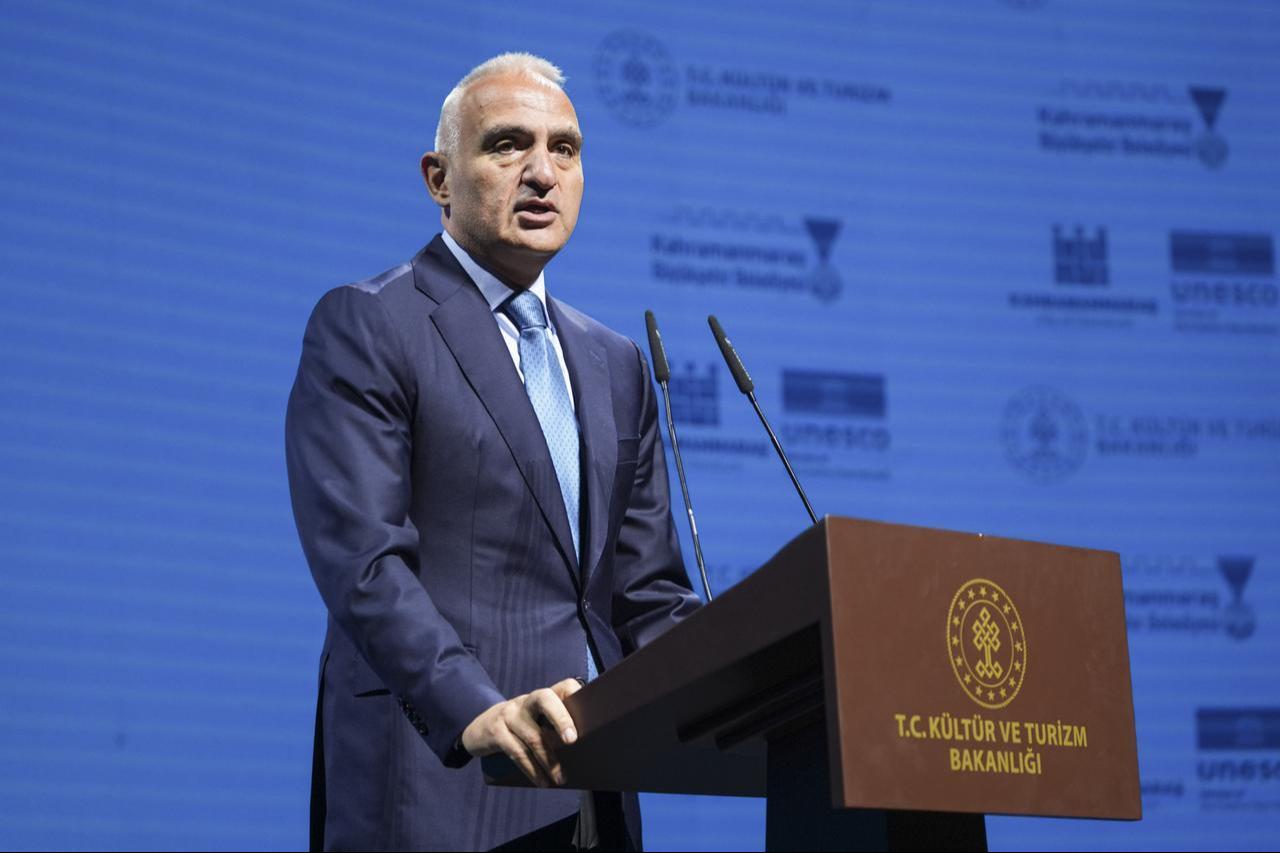
Türkiye has expanded archaeological work to 261 excavation sites across 67 provinces while directing more than ₺2.65 billion (nearly $129 million) to field research over the past three years, Culture and Tourism Minister Mehmet Nuri Ersoy said, as the country also prepares to grow its nationwide Culture Route Festival to 32 cities in 2027.
Ersoy said the ministry's "Heritage for the Future Project," which brings together excavation, documentation, conservation and restoration work, had significantly broadened the scale of archaeological research across Türkiye. At the same time, the "Türkiye Culture Route Festival," launched in Istanbul in 2021, has grown into a months-long cultural program covering all seven geographical regions of the country.
Speaking about the ministry's cultural and archaeological programs, Ersoy also outlined some of the main discoveries from the 2026 excavation season, ranging from Neolithic finds at Gobeklitepe and Karahantepe to major remains uncovered at Sardis, Tralleis, Side and Pompeiopolis.

Under the "Heritage for the Future Project," the number of archaeological sites where work is being carried out rose from 227 in 2024 to 261 in 2026, while the program has now spread across 67 provinces.
According to Ersoy, more than ₺2.65 billion has been directed to archaeological work over the past three years, covering excavation, research, documentation, conservation and restoration.
More than 3,000 specialists and over 6,000 support staff took part in fieldwork during 2024 and 2025, while the number of recorded finds rose from more than 6,000 in 2024 to over 15,000 the following year.
Ersoy said figures for discoveries, personnel and publications from the ongoing 2026 excavation season had not yet been finalized.
He added that the project's goal goes beyond uncovering artifacts, with the ministry seeking to turn discoveries into scientific knowledge while protecting, documenting and restoring them before bringing them together with the public.
Among the 2026 discoveries, new excavations in the northern section of Gobeklitepe opened up an area of around 1,500 square meters and revealed rectangular buildings.
Ersoy said the findings could provide new information about everyday life and settlement patterns at the site, which is often associated with its monumental structures.
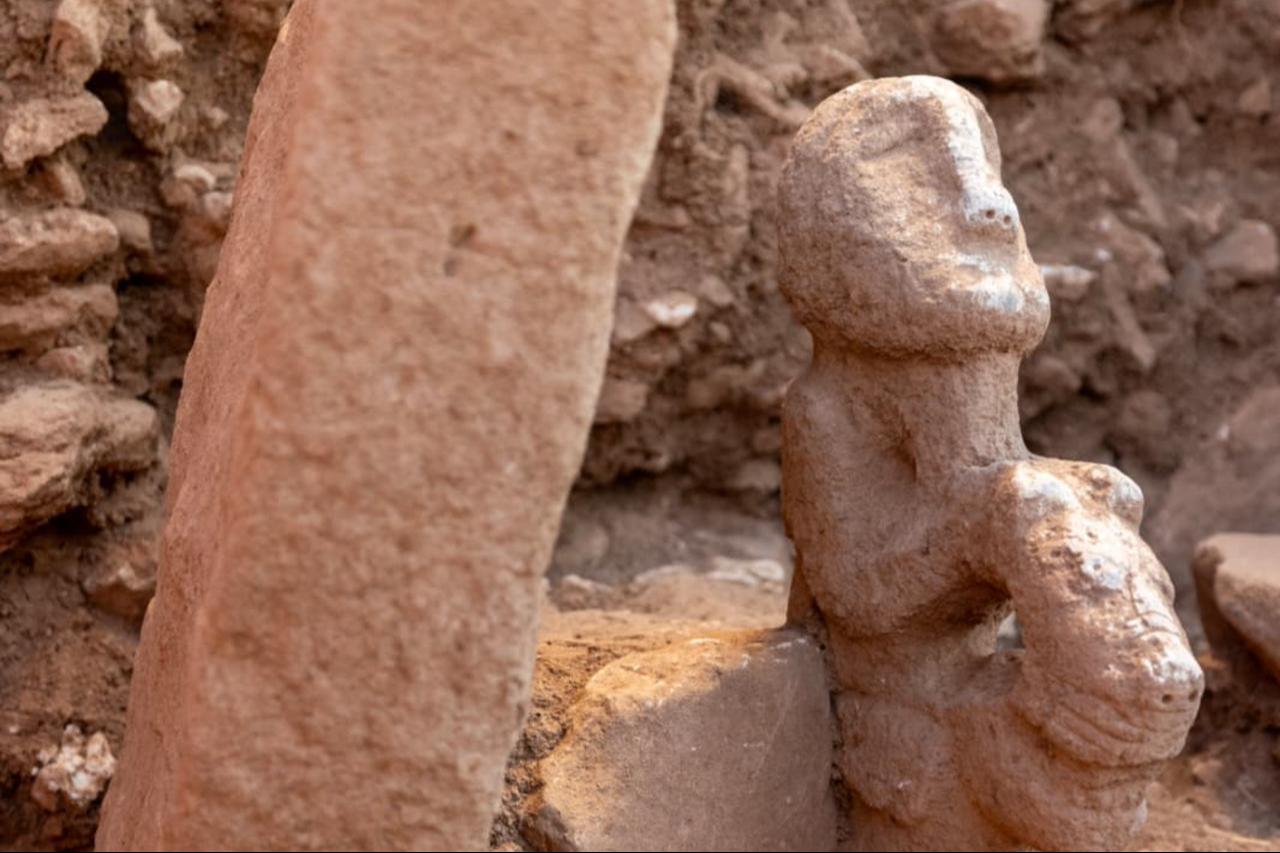
At nearby Karahantepe, archaeologists uncovered an approximately 11,000-year-old sculpture depicting a person sitting on the back of a leopard. According to Ersoy, the unusual work could contribute to understanding the symbolic world of Neolithic communities and their relationship with animals.
The 2026 season also brought discoveries from archaeological sites belonging to much later periods.
At Sardis, archaeologists uncovered an approximately 2,500-year-old kouros, a type of free-standing ancient Greek statue depicting a young male figure. The sculpture stands about 2.2 meters high.
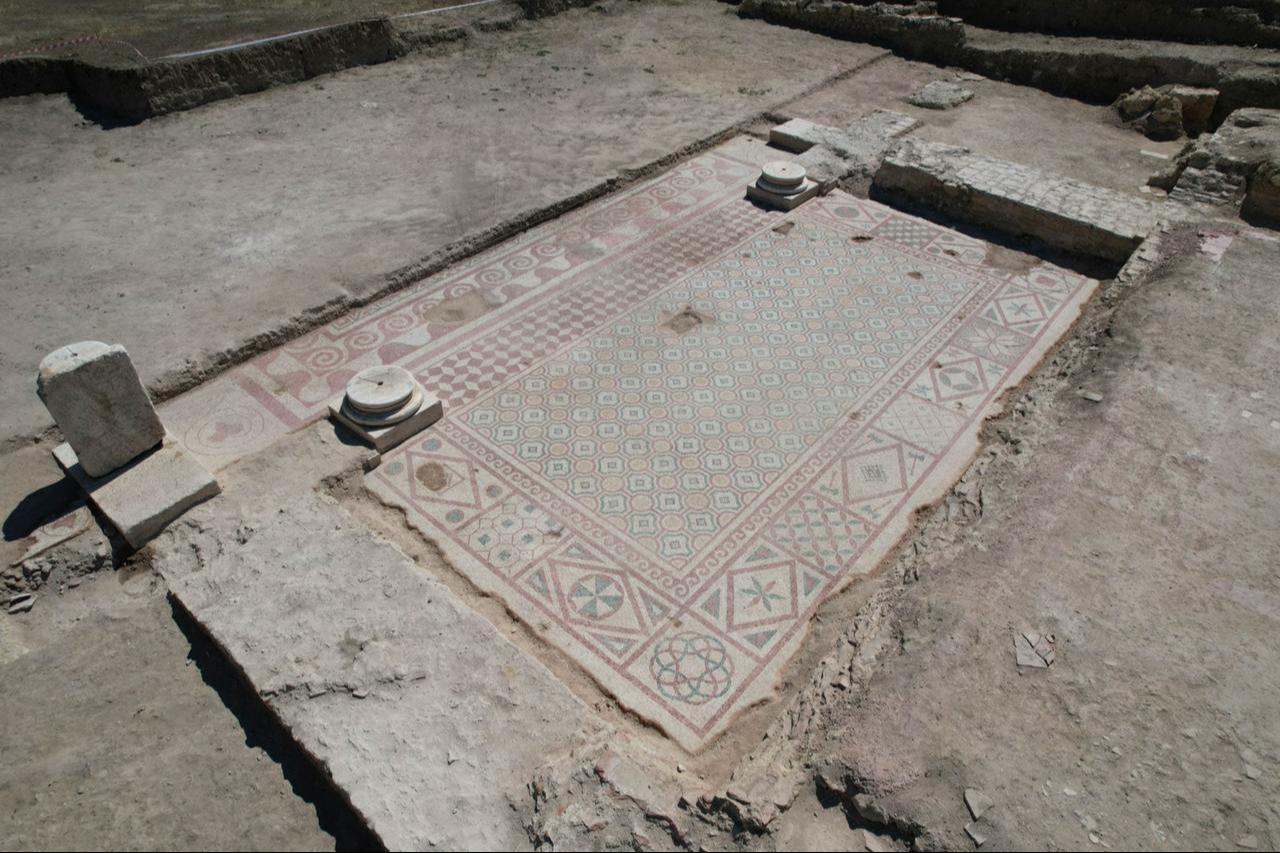
At Tralleis, excavations brought to light a roughly 2,000-year-old monumental swimming pool with a capacity of around 300 people, together with a hall featuring a floor mosaic.
In Side, archaeologists uncovered a street running for approximately 390 meters along with the monumental Herakles Gate, which carries depictions of the Twelve Labors of Herakles, the legendary series of tasks associated with the hero in ancient mythology.
At Pompeiopolis, work revealed a well-preserved 105-square-meter floor mosaic and the approximately 2,000-year-old head of an Eros figure.
Ersoy said it would not be appropriate to single out one discovery as the most important, as each contributes to a different question about the history of Anatolia and its past societies.
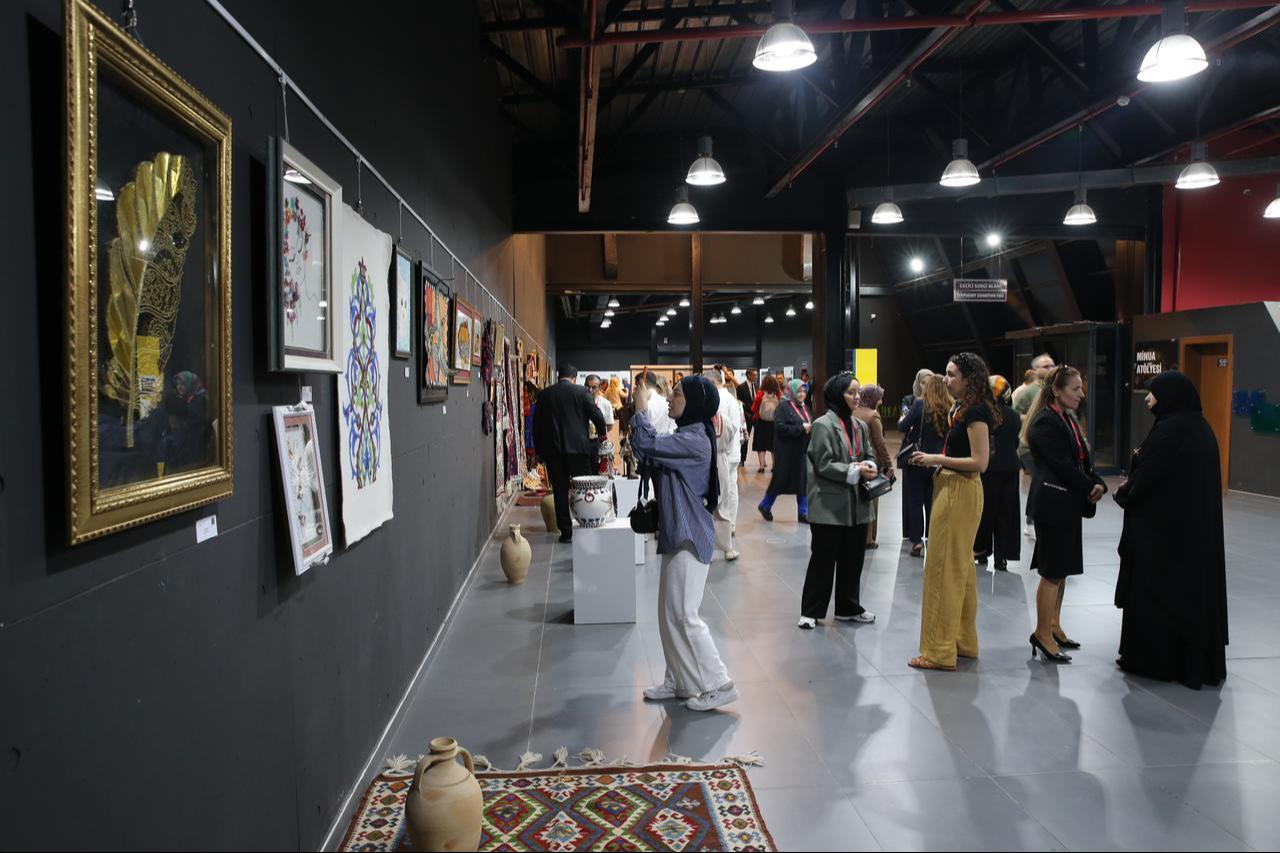
Alongside the archaeology program, Türkiye is continuing to expand the "Culture Route Festival," which began in Istanbul in 2021 and has now reached 26 cities.
With Aydin, Mersin, Eskisehir, Sakarya, Ordu and Kahramanmaras joining the route in 2026, the festival is being held over roughly eight months, covering 234 days.
Ersoy said the program would expand again in 2027 with the addition of Balikesir, Denizli, Hatay, Kocaeli, Mugla and Tekirdag, bringing the total to 32 cities.
In 2025, the festival staged 9,645 events at more than 1,000 venues across 20 cities and brought together more than 50,000 artists with millions of visitors.
"We are no longer talking about just a festival, but about a very large culture and arts ecosystem," Ersoy said.
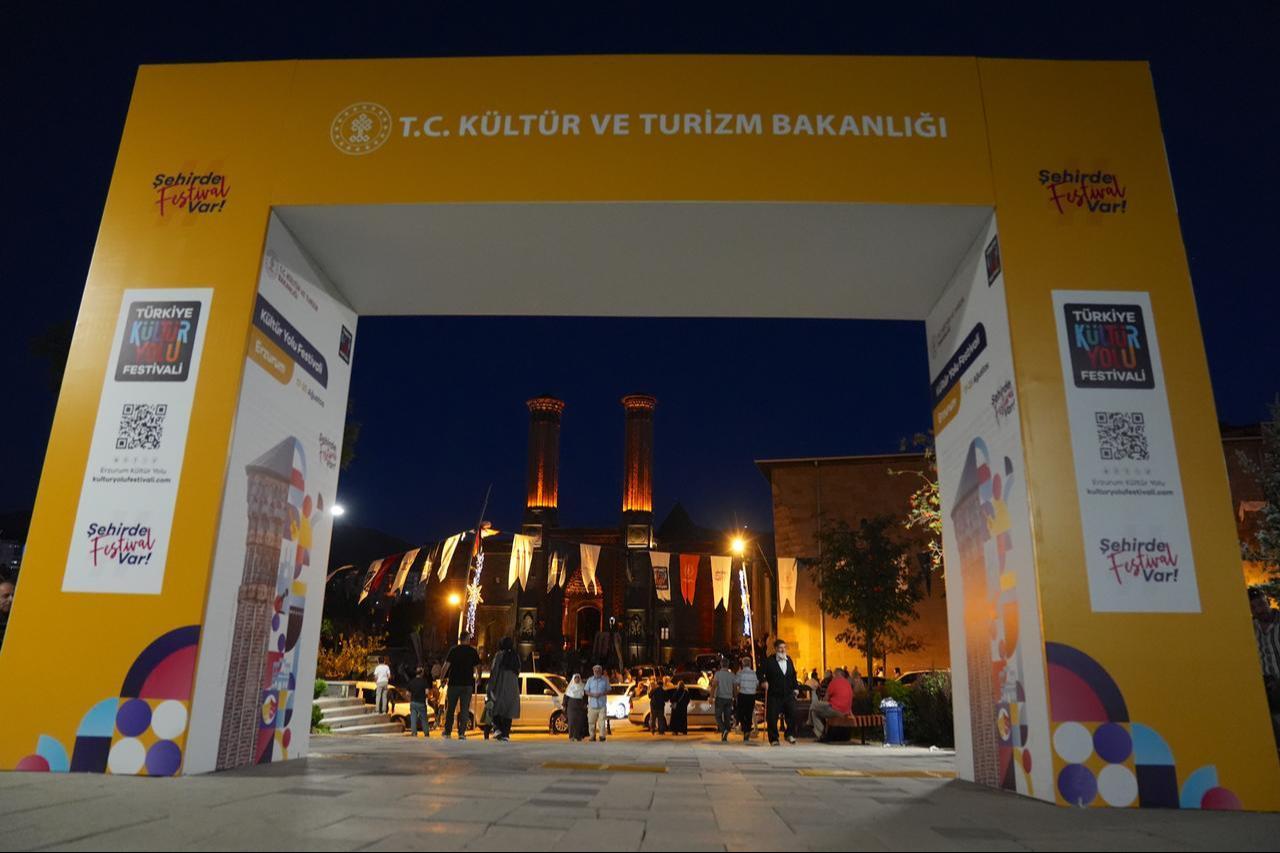
Ersoy said the Culture Route program was designed not only around performances and exhibitions but also around museums, historic buildings, public squares and cultural centers, encouraging visitors to explore cities more widely.
He said the festival was helping cities raise their visibility, extend the tourism season and generate activity for hotels, restaurants, transport providers and local businesses.
The ministry has also introduced a "Taste Point" initiative in 2026, highlighting selected gastronomic stops in participating cities. According to Ersoy, those locations will remain available on digital platforms after individual festivals end, allowing visitors to continue using them as guides to local food culture.
As both programs expand, Ersoy said the ministry's archaeological work would continue to focus on turning new finds into scientific knowledge while conserving them for future generations.


 Set as preferred source
 Set as preferred source



 2 min read