Newsletters


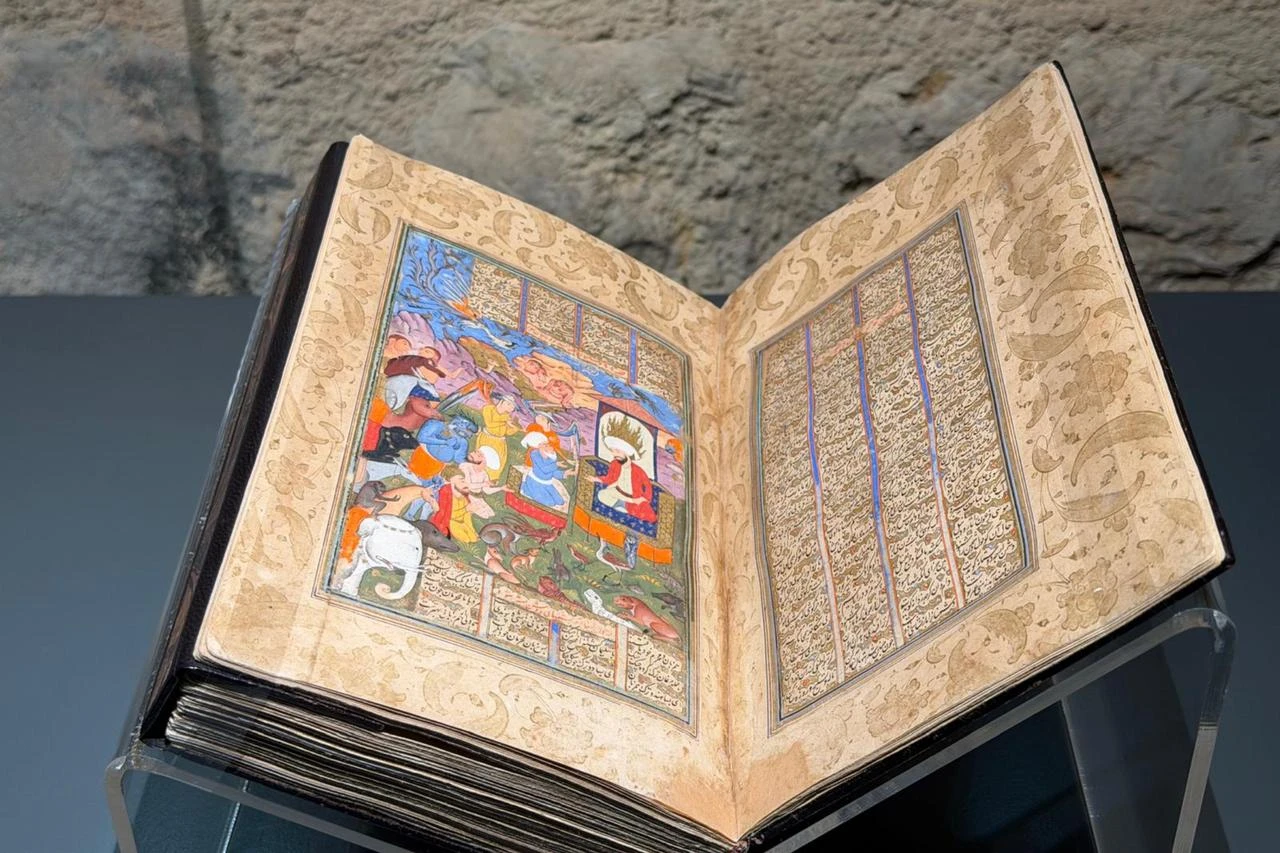


The Türkiye Manuscripts Institution (TUYEK), under the Ministry of Culture and Tourism, is opening digital access today to 6,388 manuscripts from its "New Manuscripts Collection," a body of works acquired through direct purchase from private holders.
The collection spans Ottoman scientific, cultural and literary history, with material dating back to the Anatolian Seljuk and Beylik periods that preceded Ottoman rule. Most of the dated copies belong to the 18th and 19th centuries.
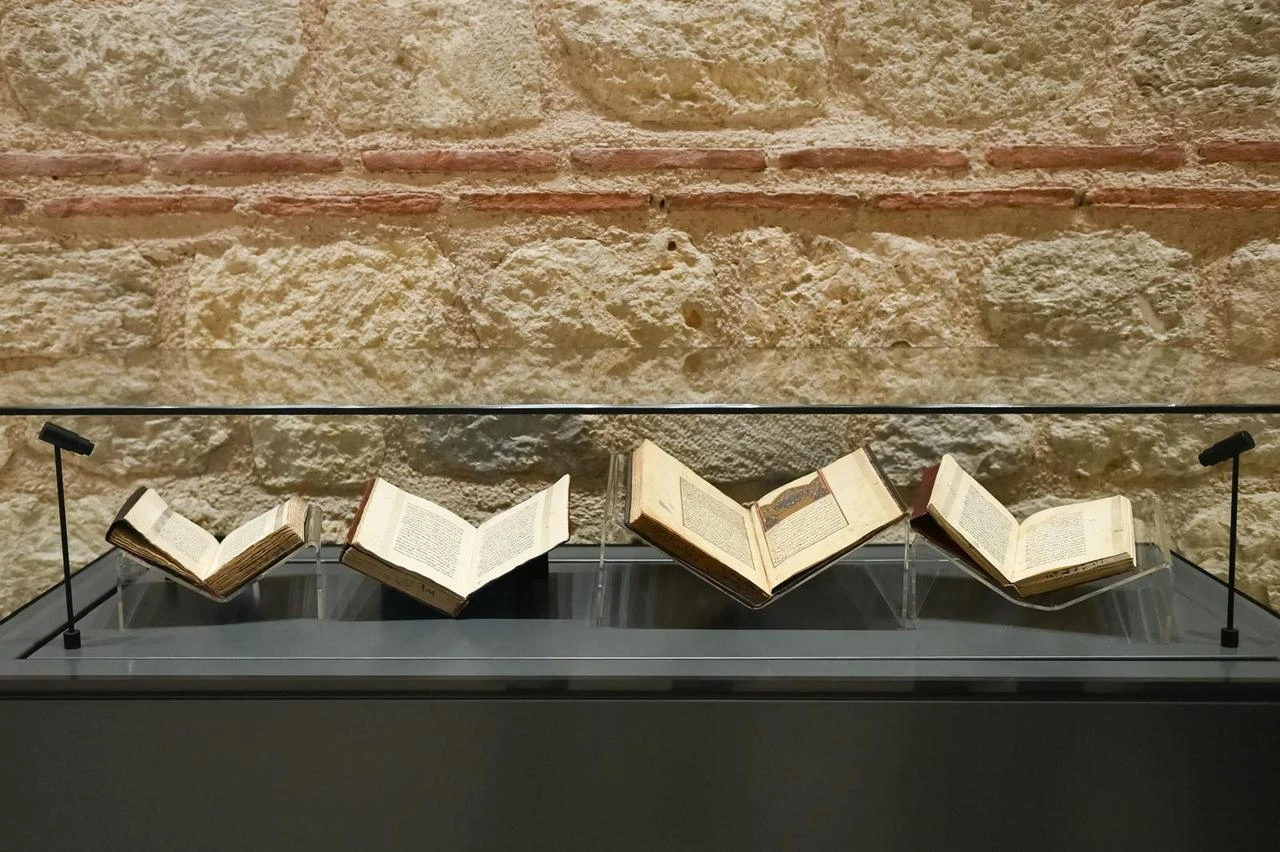

Of the manuscripts, 57% are written in Arabic, 38% in Turkish and 4.5% in Persian, according to TUYEK. The collection also includes works in Hebrew, Syriac, Greek, Pashto, Kurdish, Urdu and Latin.
By subject, Islamic sciences account for approximately 59% of the collection, followed by language and linguistics, literature and rhetoric, and philosophy.
Subjects covered include Hanafi jurisprudence, Quranic sciences, hadith, Arabic grammar, logic, botany, mathematics, astronomy and prophetic medicine.
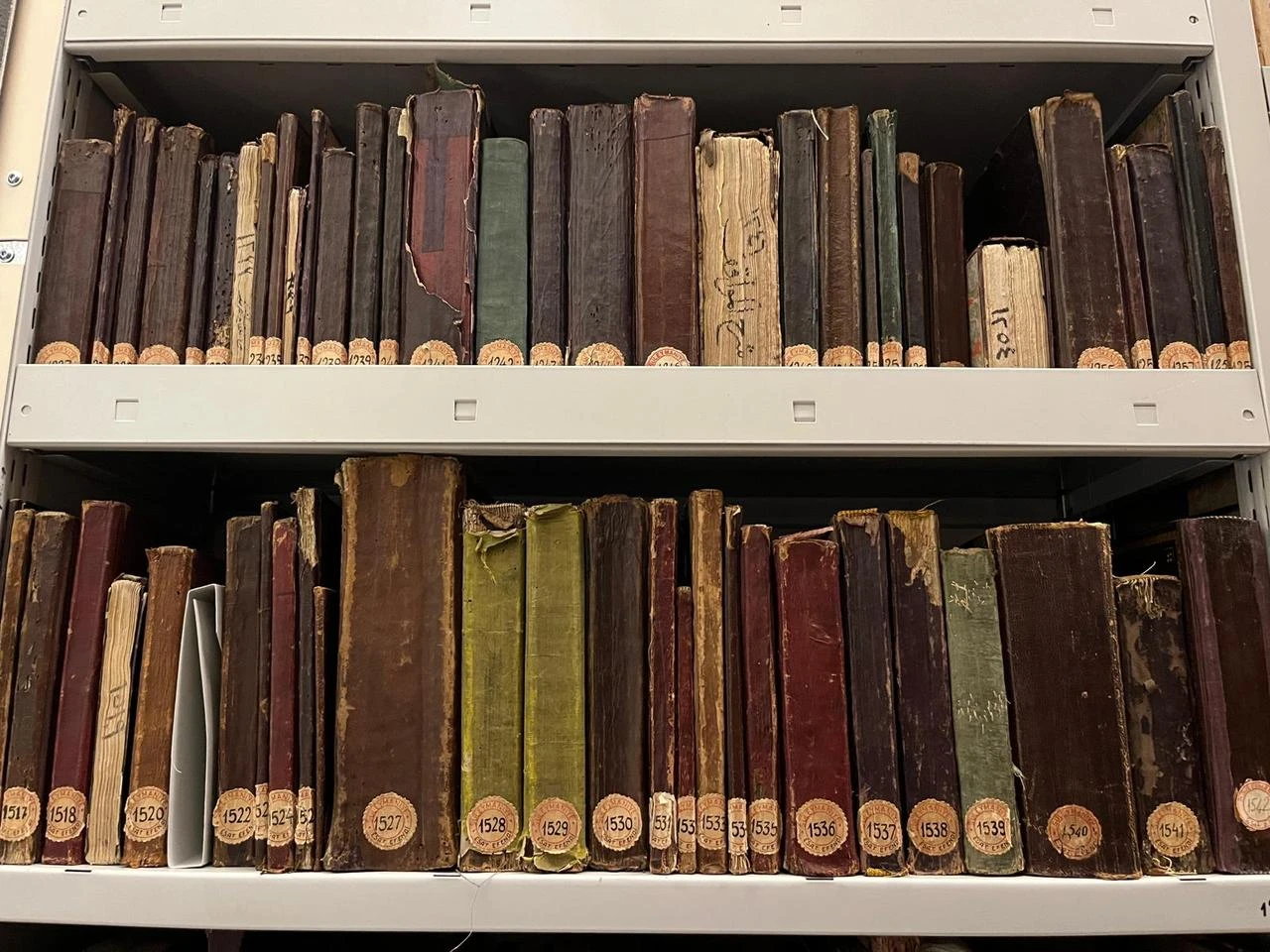
The 6,388 works being released today are the first batch to be fully cataloged and digitized, accessible through the "portal.yek.gov.tr" website.
They form part of a larger TUYEK portal holding 485,000 manuscripts in total. TUYEK head Coskun Yılmaz said the institution has purchased close to 20,000 manuscripts to date and continues to expand the collection.
He said digitization allows continuous public access, protects content and imagery against disaster, reduces physical wear on originals and makes rare works accessible that would otherwise be difficult to reach.
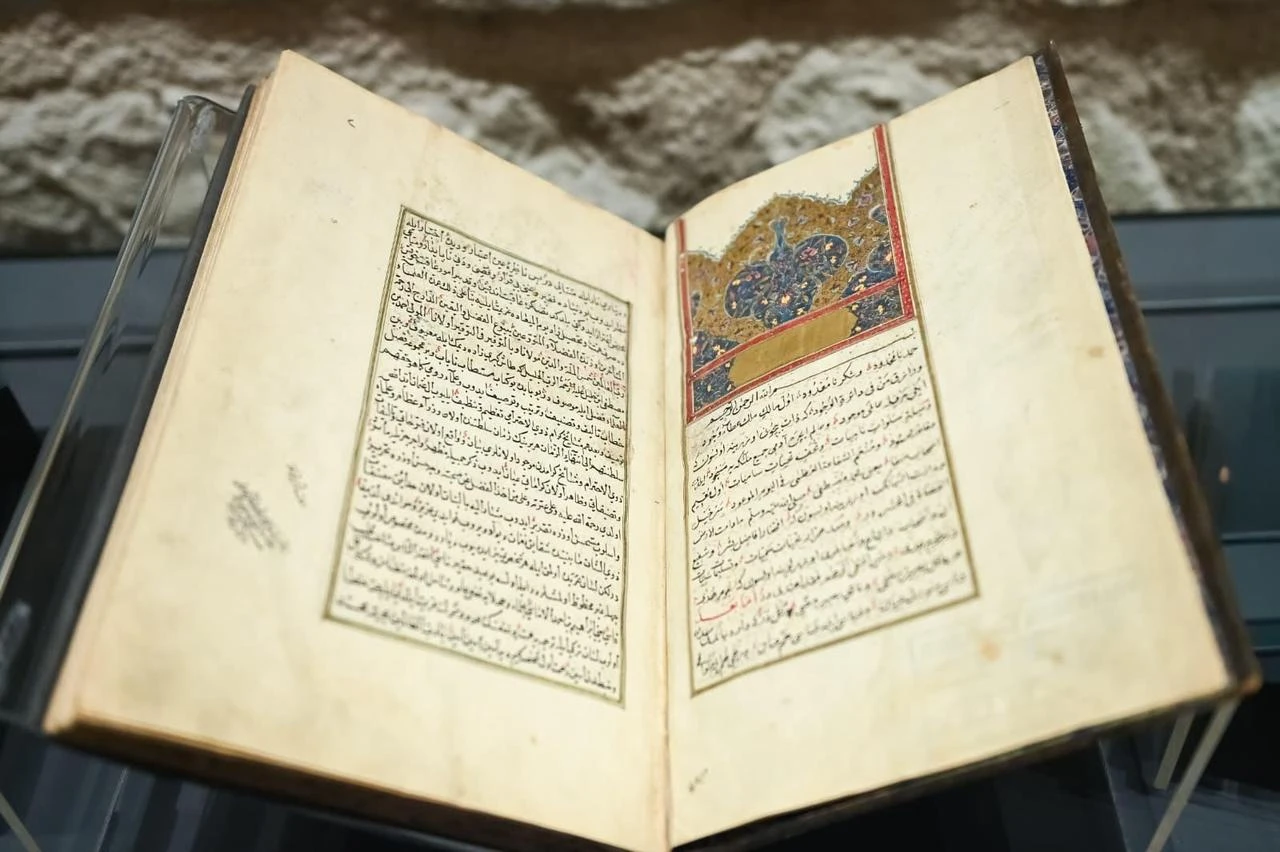
Of the 6,388 manuscripts, 2,130 carry a recorded copying date. The oldest identified text is a commentary titled "Hasiye ala Serhi'l-Varakat," based on a commentary by Firkah on al-Juwayni's "al-Waraqat," dated to Hijri 702, corresponding to the early 14th century.
Other early copies are dated Hijri 718, 762, 786 and 789, and include copies of Qadi Baydawi's Quranic commentary "Anwar al-Tanzil" and a medical work by Hacı Pasa.
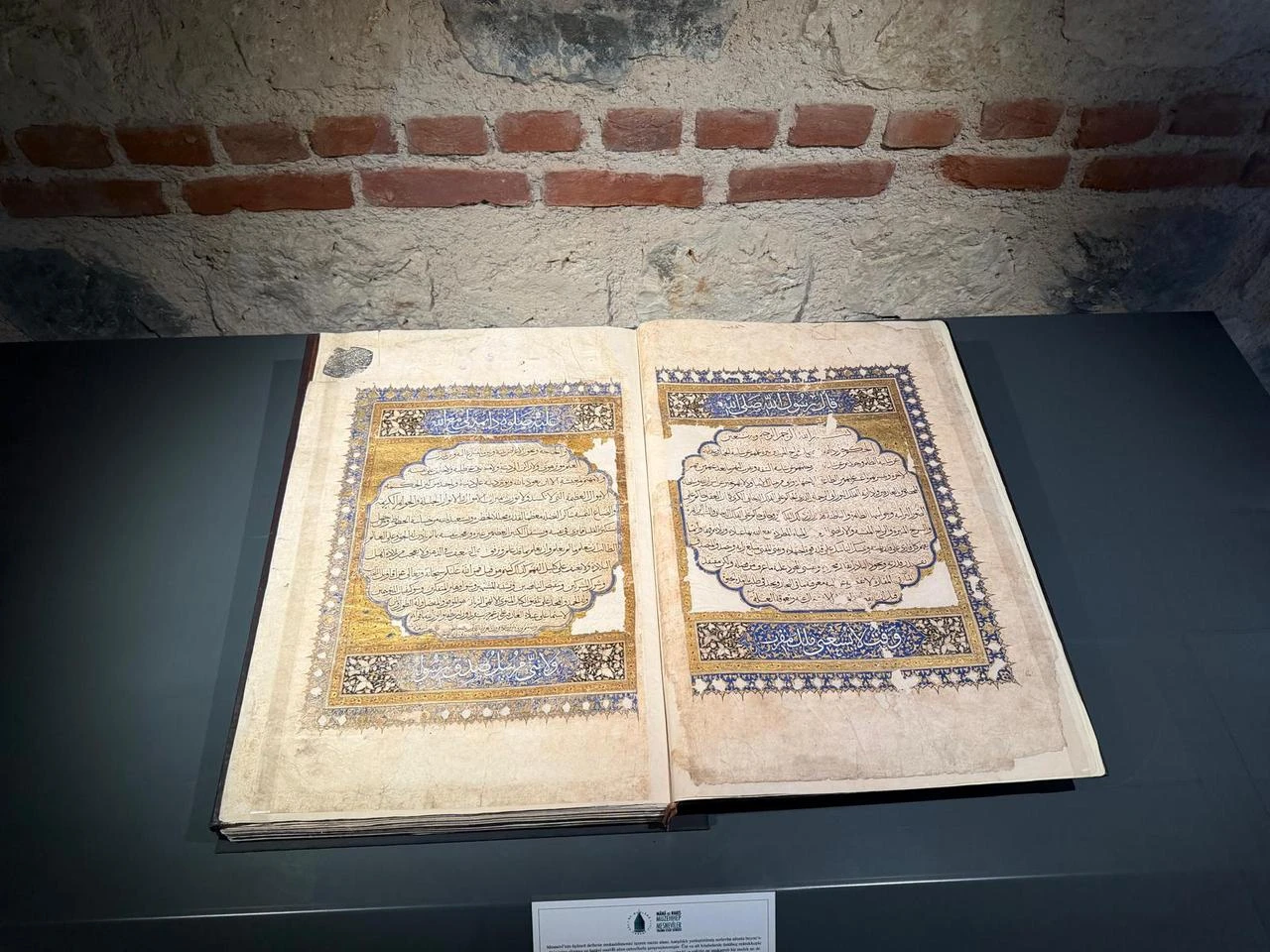
Location of copying is recorded for 296 manuscripts, citing 175 distinct place names. Istanbul appears most frequently, followed by Kayseri and Bursa in central and northwestern Türkiye, Edirne near the Bulgarian border, and Adana in the country's south.
The collection also includes manuscripts copied outside Türkiye, in Damascus, Mecca, Cairo, Tripoli, Egypt, Crimea and Midilli, the Turkish name for the Aegean island of Lesbos.
Some records also identify specific madrasas where copying took place, including the Ahmediye, Fatih, Rüstem Pasa, Hadım Hasan Pasa and Iskender Pasa institutions.
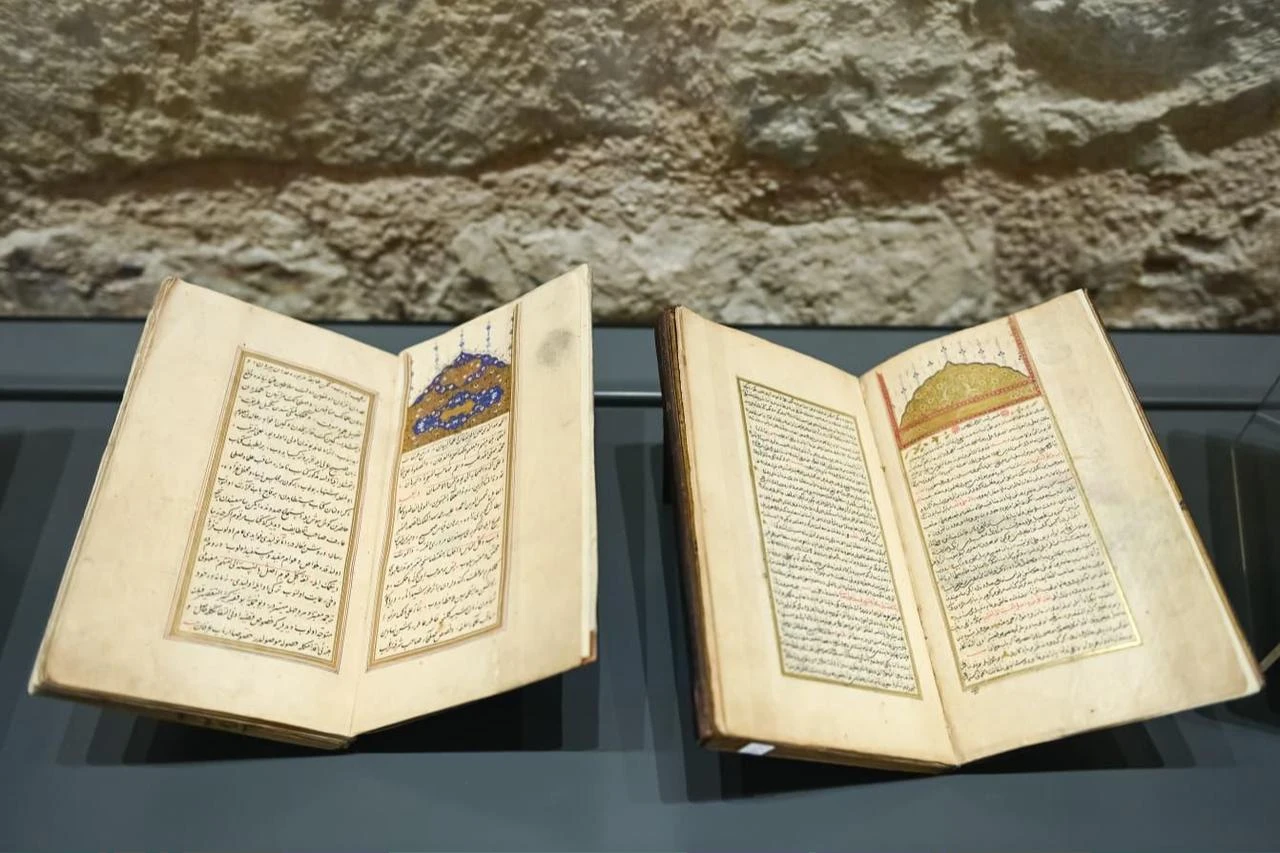
The collection includes more than ten manuscripts in the author's own hand, among them an unpublished 10th volume of Diyarbakırlı Mehmed Said Pasa's "Mir'atu'l-Iber" and a work titled "Divan-ı Rif'at."
More than 30 manuscripts contain certificates of transmission known as icazetnames, and one work, "Kitab-ı Muhr," illustrates how names were converted into seal inscriptions.
The collection also holds 33 folk poetry compilations, or conk, featuring verses by Aşık Omer, Kuddusi, Karacaoglan, Pir Sultan Abdal and Yunus Emre.


 Set as preferred source
 Set as preferred source


 3 min read