Newsletters


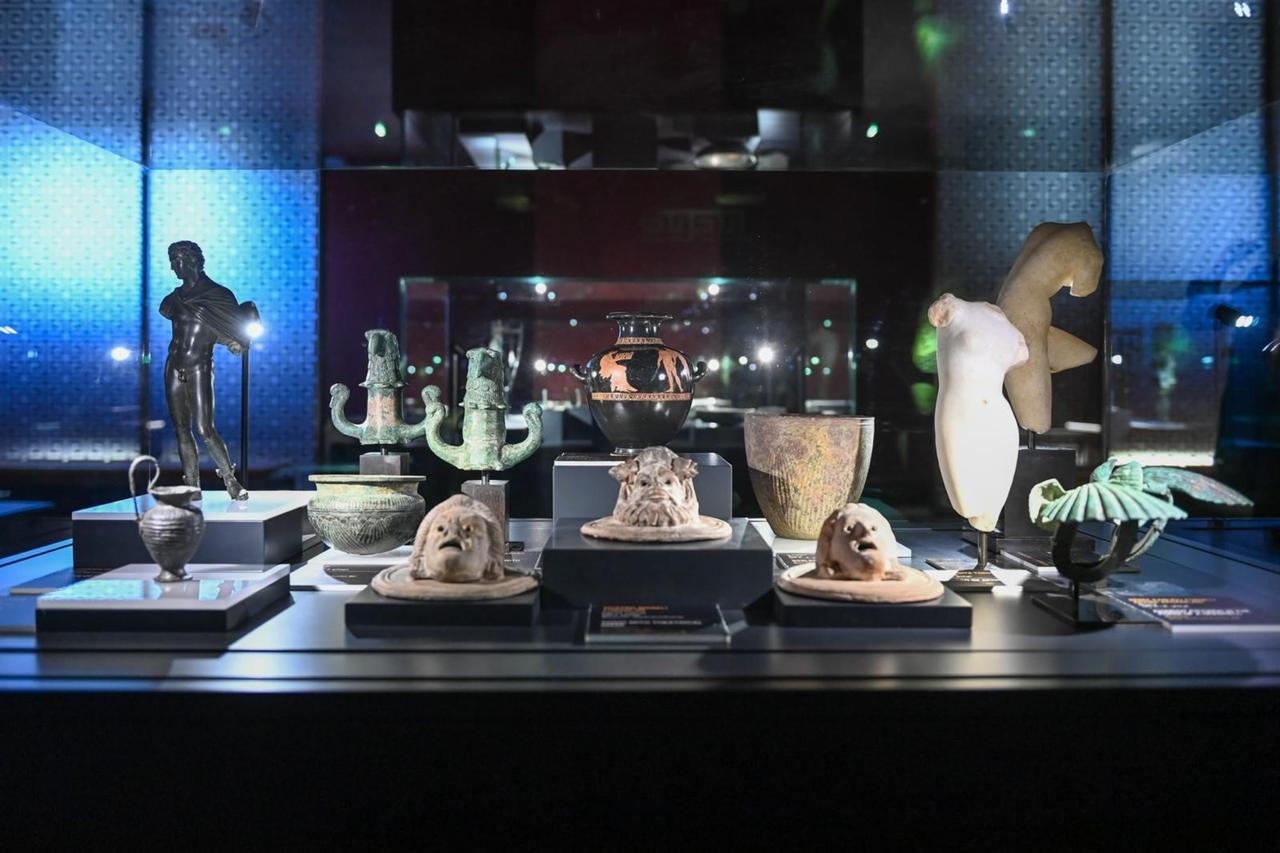


Türkiye has brought back 100 ancient artifacts from the United States, including 40 Bronze Age objects from Horoztepe and 44 architectural plaques from the J. Paul Getty Museum, while opening an exhibition in Istanbul that reunites Roman sculptures looted from the ancient city of Boubon.
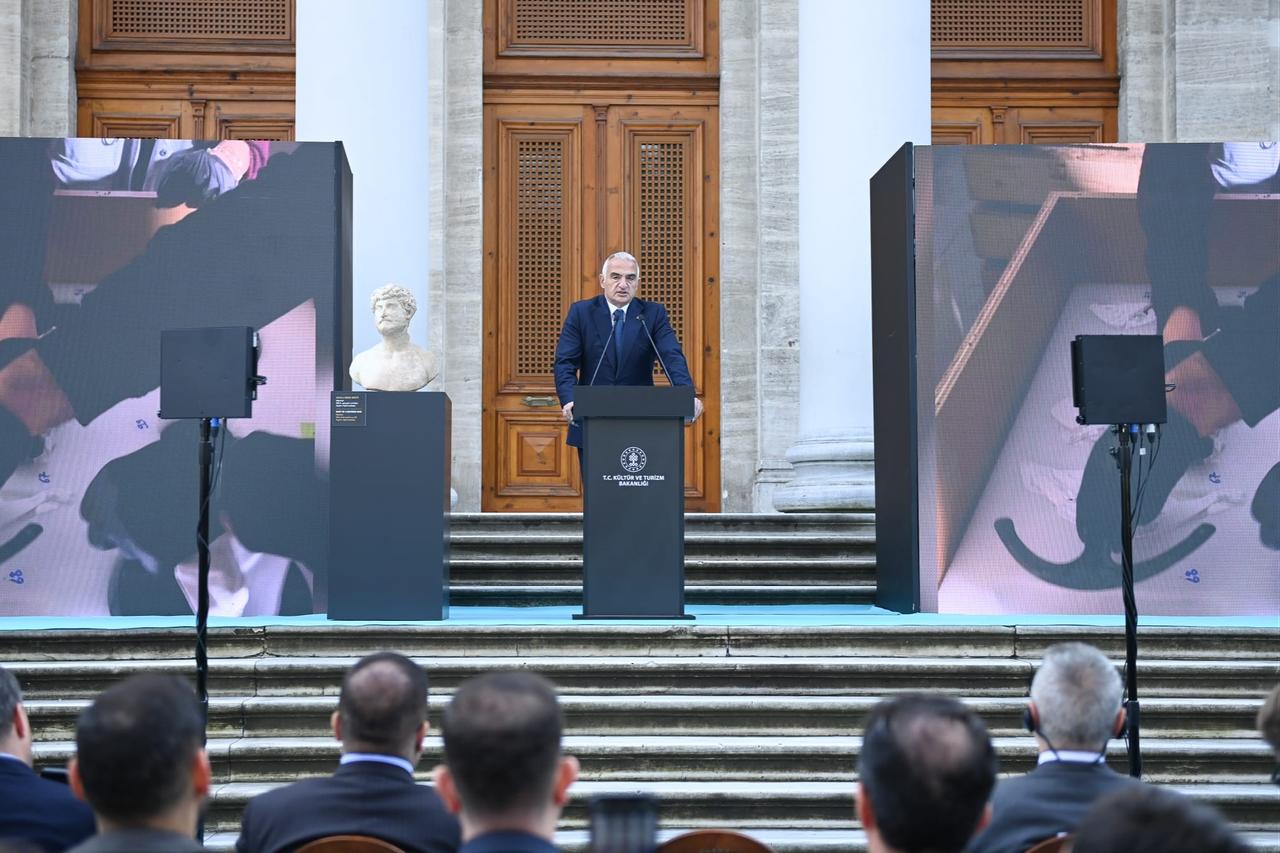
Culture and Tourism Minister Mehmet Nuri Ersoy presented the returned artifacts at the Istanbul Archaeological Museums on Monday, Nov. 2, alongside the opening of the exhibition "No Escape: Boubon," which brings together sculptures and fragments scattered across international collections.
The event, attended by Manhattan Assistant District Attorney Matthew Bogdanos, highlighted how archaeological research, historical records and cooperation with U.S. authorities helped Türkiye track down and recover its cultural heritage.
Ersoy emphasized that the aim was not simply to move artifacts between museums but to restore their historical context.
"Our aim is not to take artifacts from one display case and place them in another, but to reassess them within their stories and the cultural context to which they belong," he said.

Among the recovered objects are 40 artifacts originating from Horoztepe, an archaeological site in the Erbaa district of Tokat province in northern Türkiye.
Dating to approximately 2,300–2,000 B.C., the collection includes ceremonial musical instruments, weapons and metal vessels that reflect the sophisticated metalworking traditions of Early Bronze Age Anatolia.
Ersoy said research by archaeologist Professor Tahsin Ozguc played a significant role in identifying the artifacts through comparisons of their forms and manufacturing techniques.
Records documenting illegal excavations at Horoztepe in 1953, together with evidence showing how the objects subsequently entered overseas museum collections, helped establish their origins.
The artifacts have now returned to Türkiye after approximately 70 years.
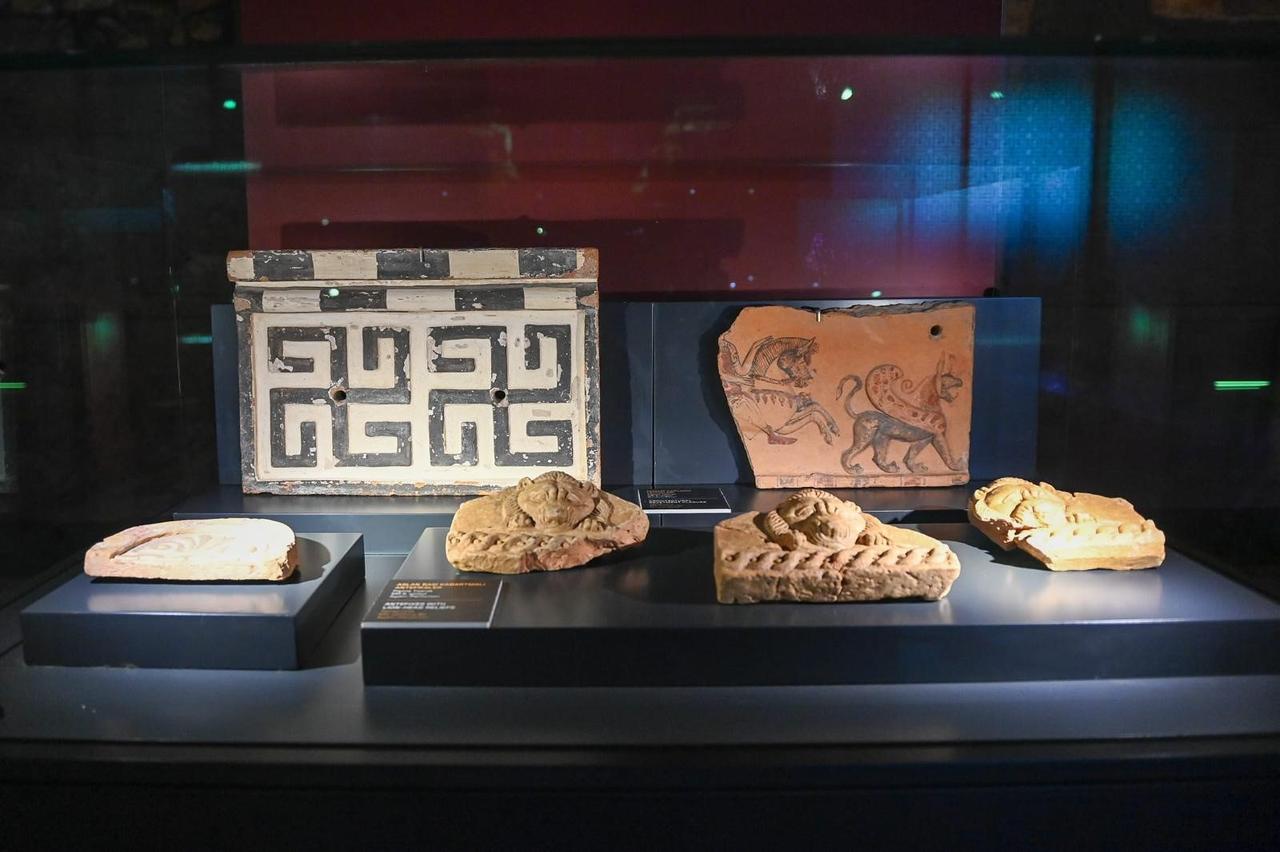
Another major part of the restitution involves 44 terracotta architectural plaques from Duver village in Burdur province, southwestern Türkiye, which had been held by the J. Paul Getty Museum.
Dating to the sixth century B.C., during the Archaic period, the decorated clay plaques were originally used in roofing and architectural coverings.
Researchers compared their decorative patterns, shapes and stylistic characteristics with known examples, while archival documents and collection records helped trace their movement abroad.
The latest return follows earlier recoveries of Duver artifacts from the United States in 2022, Denmark in 2024 and the Virginia Museum of Fine Arts in 2025.
Ersoy announced that the newly returned plaques would be brought together with related pieces already held by the Istanbul Archaeological Museums as part of a forthcoming project.
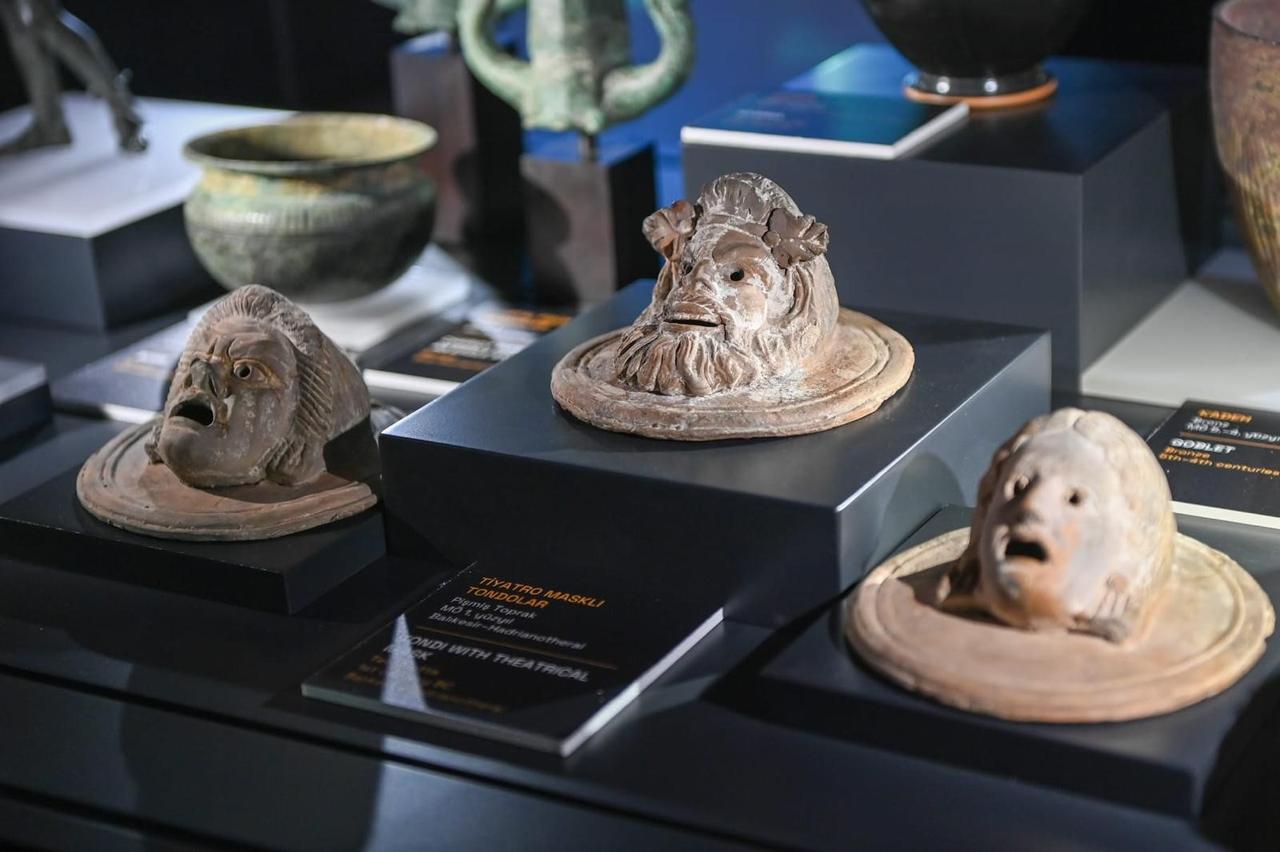
The recovered collection also includes an ancient portrait associated with Aphrodisias, an archaeological site in western Türkiye.
According to Ersoy, ministry specialists examined historical documents and collection records to establish the portrait's connection to the ancient city and trace its journey into foreign collections.
A crime scene report dating to 1976 proved particularly important. The document recorded a prosecutor's observation that additional antiquities had been stolen beyond those already identified and documented.
Combined with archaeological evidence, the report helped strengthen Türkiye's restitution claim.
Other returned objects include theatrical masks and goddess figurines.
Ersoy also revealed that Turkish authorities had intervened in May 2026 after artifacts originating from Anatolia were offered for sale by a U.S.-based auction house.
Scientific documentation submitted to the Manhattan District Attorney's Office and U.S. Homeland Security Investigations (HSI) helped stop the sale and secure their return.
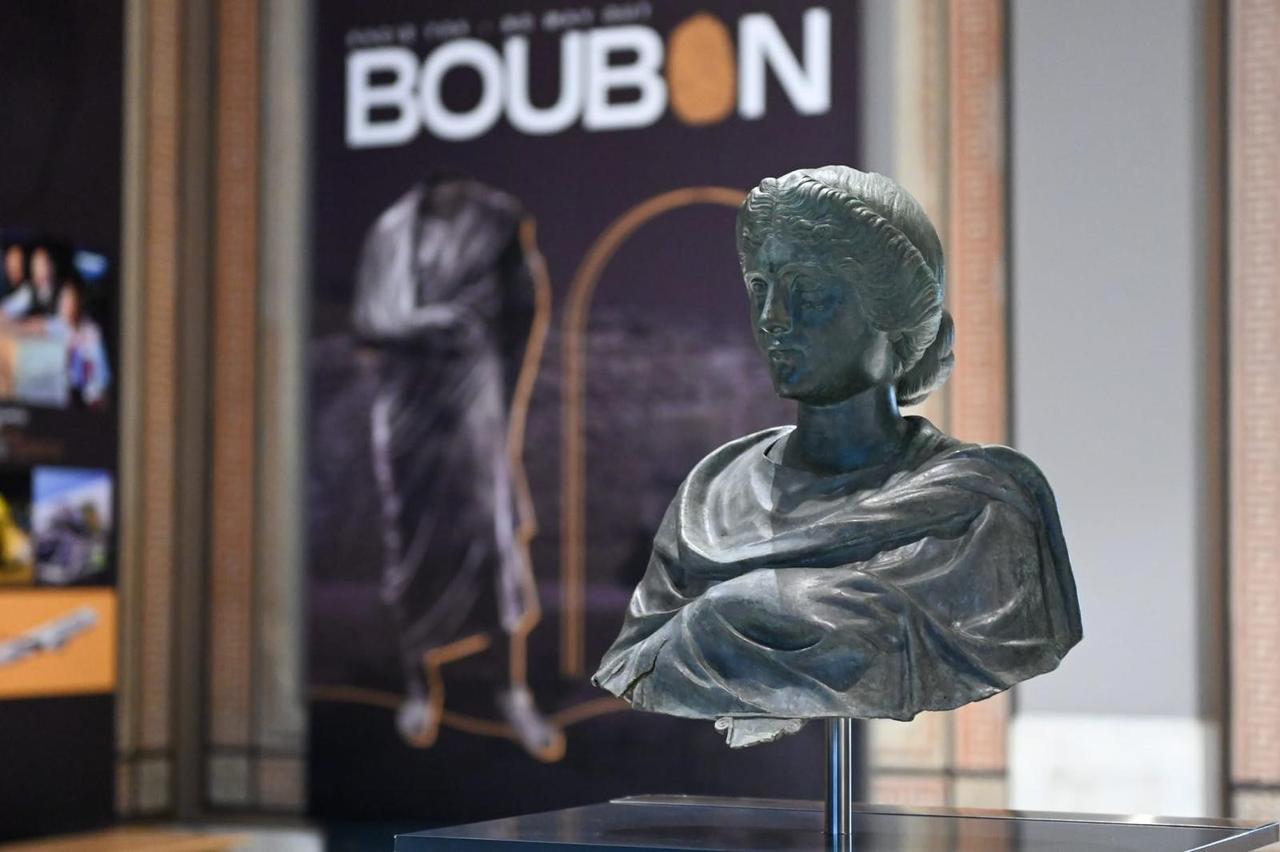
Alongside the restitution announcement, the "No Escape: Boubon" exhibition brings together Roman sculptures linked to one of Anatolia's long-running antiquities trafficking cases.
The artifacts originated from Boubon, an ancient city near Ibecik village in Burdur's Golhisar district, where bronze statues honoring Roman emperors and members of the imperial family once stood in a Sebasteion, a sanctuary dedicated to the imperial cult.
Illegal excavations during the 1960s resulted in statues being broken apart, with heads, torsos and limbs eventually ending up in different countries and private collections.
The exhibition brings these dispersed pieces back together, including works associated with Roman emperors Lucius Verus, Septimius Severus, Caracalla and Marcus Aurelius.
Ersoy credited archaeologist Professor Jale Inan with laying the scientific groundwork for the recovery efforts through her research into inscriptions, statue bases and sculptures held abroad.
He also acknowledged journalist and author Ozgen Acar, whose reporting kept the case in public view, along with New York Times journalists Graham Bowley and Tom Mashberg, whose investigations contributed to the restitution process.
The minister said Türkiye would continue pursuing the return of antiquities illegally removed from Anatolia, using scientific evidence and international cooperation to support its claims.


 Set as preferred source
 Set as preferred source


 1 min read

 1 min read