Newsletters


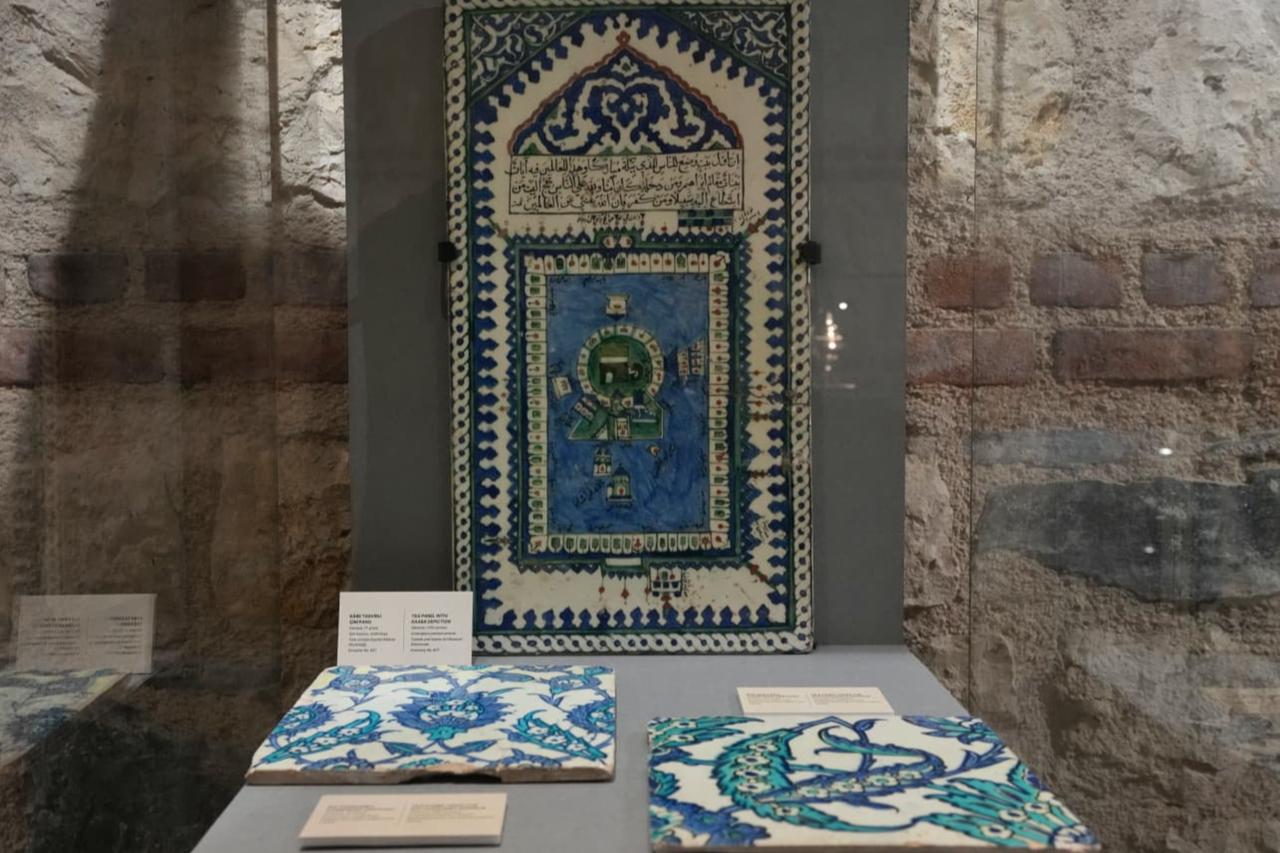


Two 16th-century Iznik tiles stolen from Istanbul’s Sultanahmet and Rustem Pasa mosques have been returned to Türkiye after being identified in the United Kingdom, offering a concrete example of how artificial intelligence is being used to trace and recover cultural heritage.
The tiles, dating back around 500 years, were detected last year when they appeared at a UK auction house. Authorities intervened before the sale, and the individual in possession of the works agreed to return them.
The recovery followed coordination between the Ministry of Culture and Tourism, the Ministries of Interior and Foreign Affairs, Türkiye’s London Embassy, and the London Metropolitan Police. Experts also confirmed the origin of the tiles through scientific analysis.
Culture and Tourism Minister Mehmet Nuri Ersoy said the artifacts are now held at the Ankara Ethnography Museum, adding that efforts against cultural property smuggling will continue, as reported by Türkiye Daily.
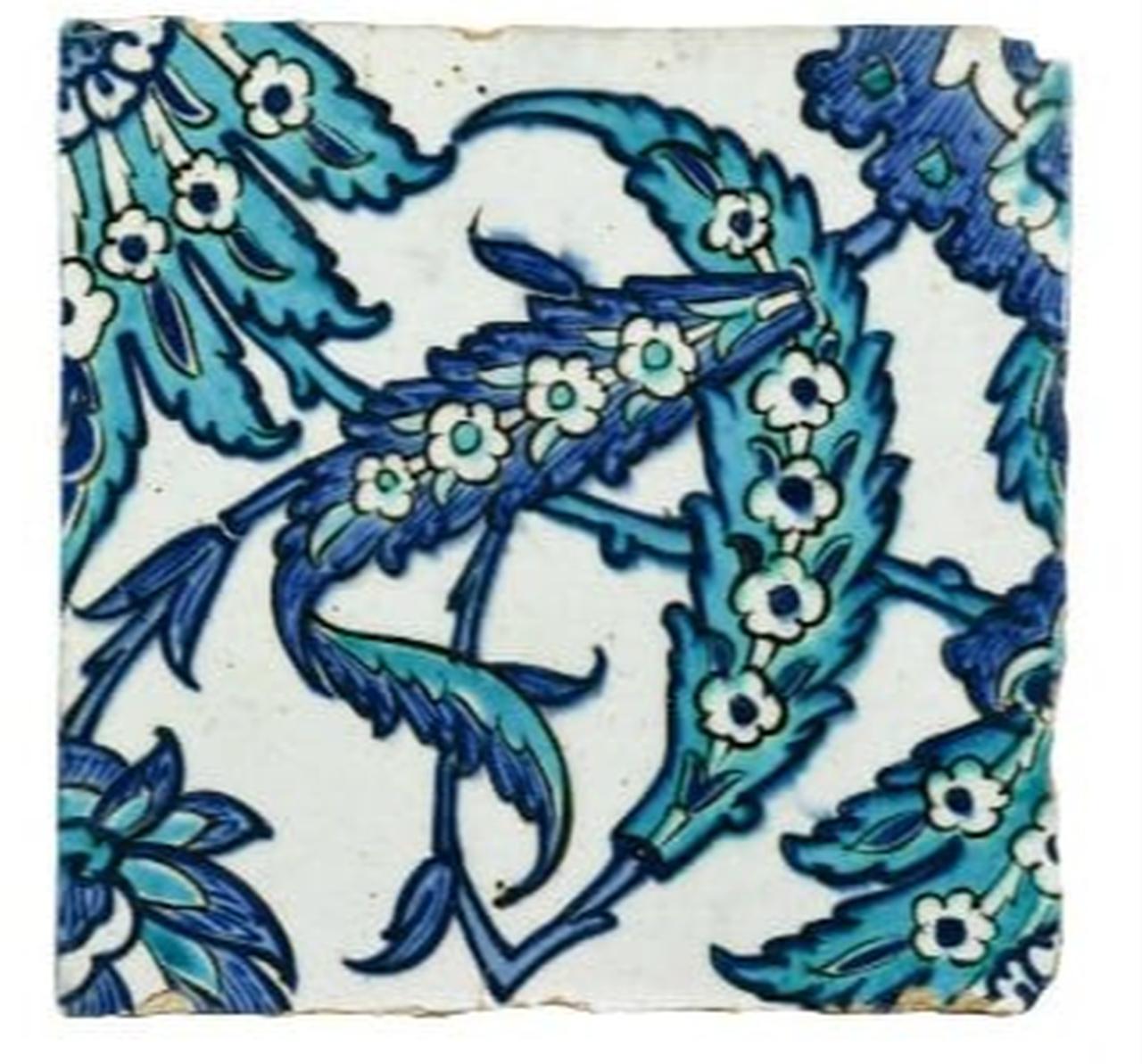

The tiles were identified using TraceART, an artificial intelligence-supported system that monitors cultural assets beyond Türkiye’s borders.
The system scans online auction platforms using keywords and image recognition, flagging suspicious listings for expert review. It can also analyze social media content linked to illegal excavations.
This approach allows authorities to detect artifacts before they are sold and intervene through diplomatic and legal channels, as seen in the UK case.
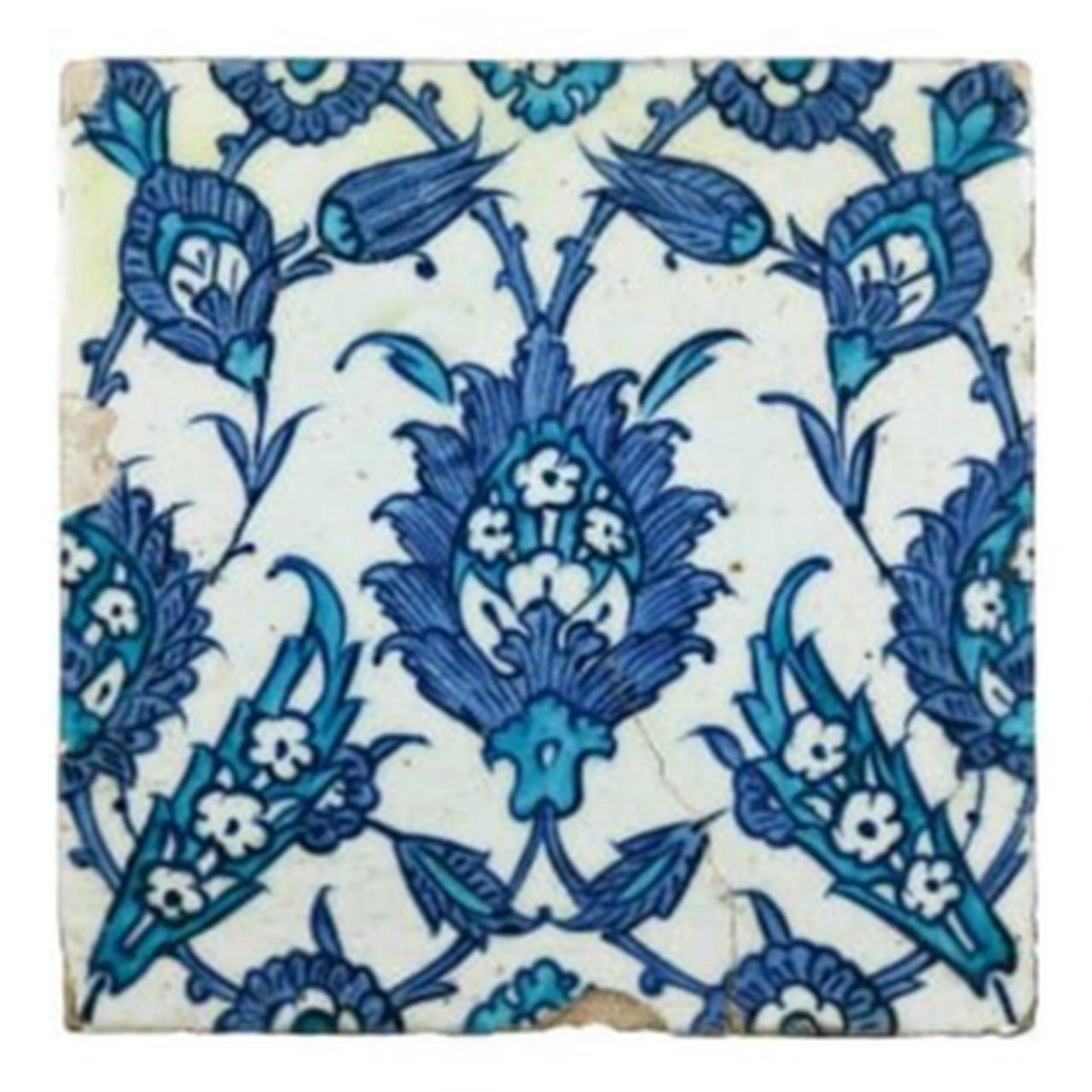
The recovery comes as Türkiye scales up a broader effort to secure cultural heritage through digital identification.
Launched in 2023 in cooperation with the Presidency of Defense Industries, the project has now identified 526,246 artifacts held in museum displays and storage.
Each artifact is marked with a laboratory-developed inorganic substance containing microscopic traces generated by AI algorithms. These traces act as a unique identifier, similar to a digital DNA signature.
Officials say the marking is invisible, does not damage the object, and cannot be removed, enabling fast authentication and strengthening protection against forgery and illegal trade.
Alongside physical marking, authorities have completed testing for new modules within the National Museum Inventory System, designed to centralize and standardize data on cultural assets.
The system introduces:
By combining physical identification with centralized digital records, the system aims to improve tracking, oversight, and long-term protection of Türkiye’s cultural heritage.


 Set as preferred source
 Set as preferred source


 2 min read