Newsletters


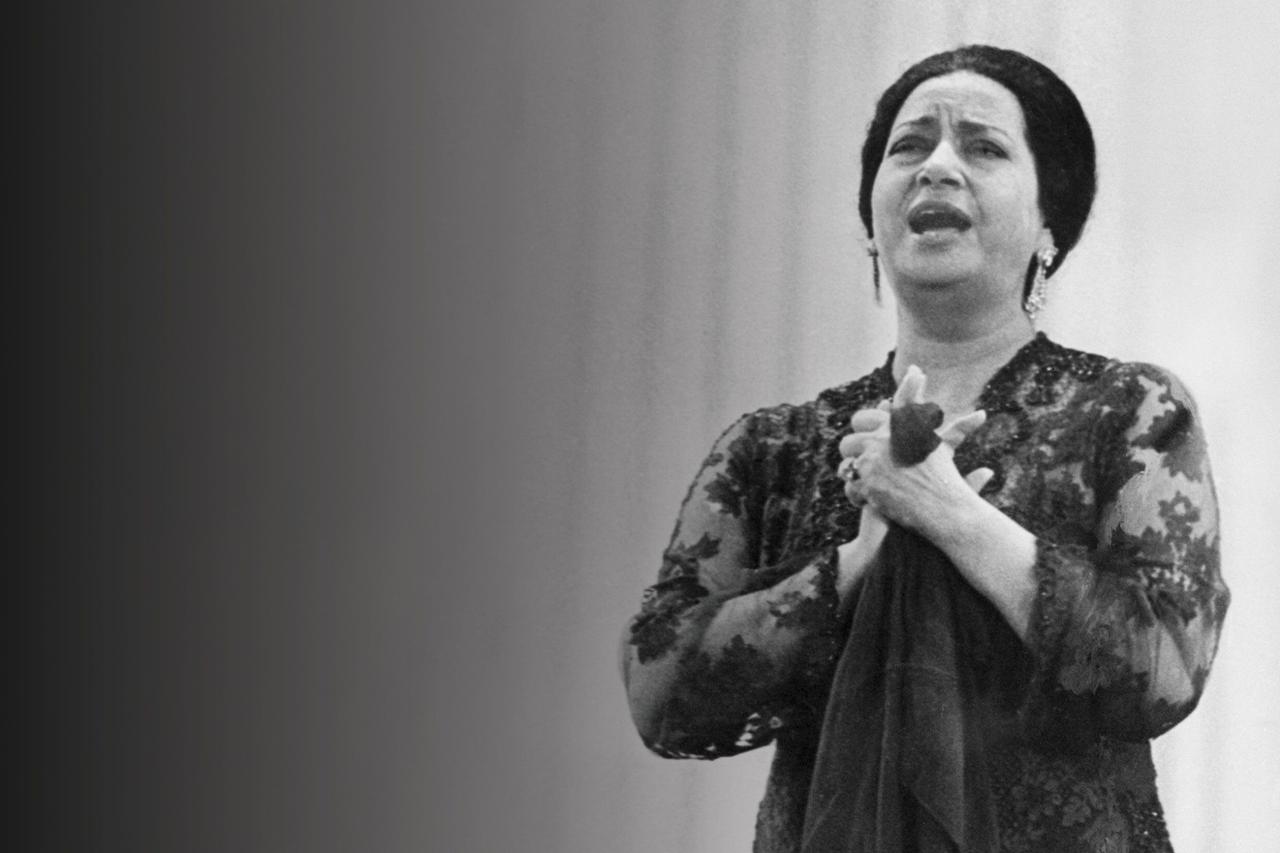


Umm Kulthum, widely regarded as one of the most influential voices in modern music history, continues to shape cultural memory in Türkiye decades after her death. Although she passed away in 1975, her presence remains vivid, not only across the Arab world but also among Turkish audiences who embraced her music long before globalization or digital media brought cultures closer together.
For Turkish singer and musician Arif Altunkaya, this connection is deeply personal. He has described his first encounter with Umm Kulthum’s voice, through her 1964 song Enta Omri (You Are My Life), as a moment that completely reframed his understanding of music. What struck him was not just technical mastery, but a sense that her work stood beyond ordinary artistic categories. His reaction closely mirrors a famous observation by Egyptian intellectual Abbas Mahmoud al-Aqqad, who once said that Umm Kulthum proved singing was an art of minds and hearts, not merely of voices.
The roots of Umm Kulthum’s popularity in Türkiye go back to the late 1930s, a period marked by sweeping cultural reforms. As part of the country’s Westernization drive, Turkish classical music was temporarily removed from radio broadcasts between 1934 and 1936. With familiar sounds fading from the airwaves, listeners began tuning in to Egyptian radio stations, which at the time were among the strongest broadcasters in the Middle East.
According to Murat Ozyildirim, an author and lecturer emeritus who studied this phenomenon in depth, Egypt’s historical ties with the former Ottoman world played a major role. Egyptian radio did not only air Arabic music but also featured Turkish compositions, making it a natural alternative for Turkish listeners searching for music rooted in Eastern traditions. Within this space, Umm Kulthum’s voice stood out and steadily won hearts.
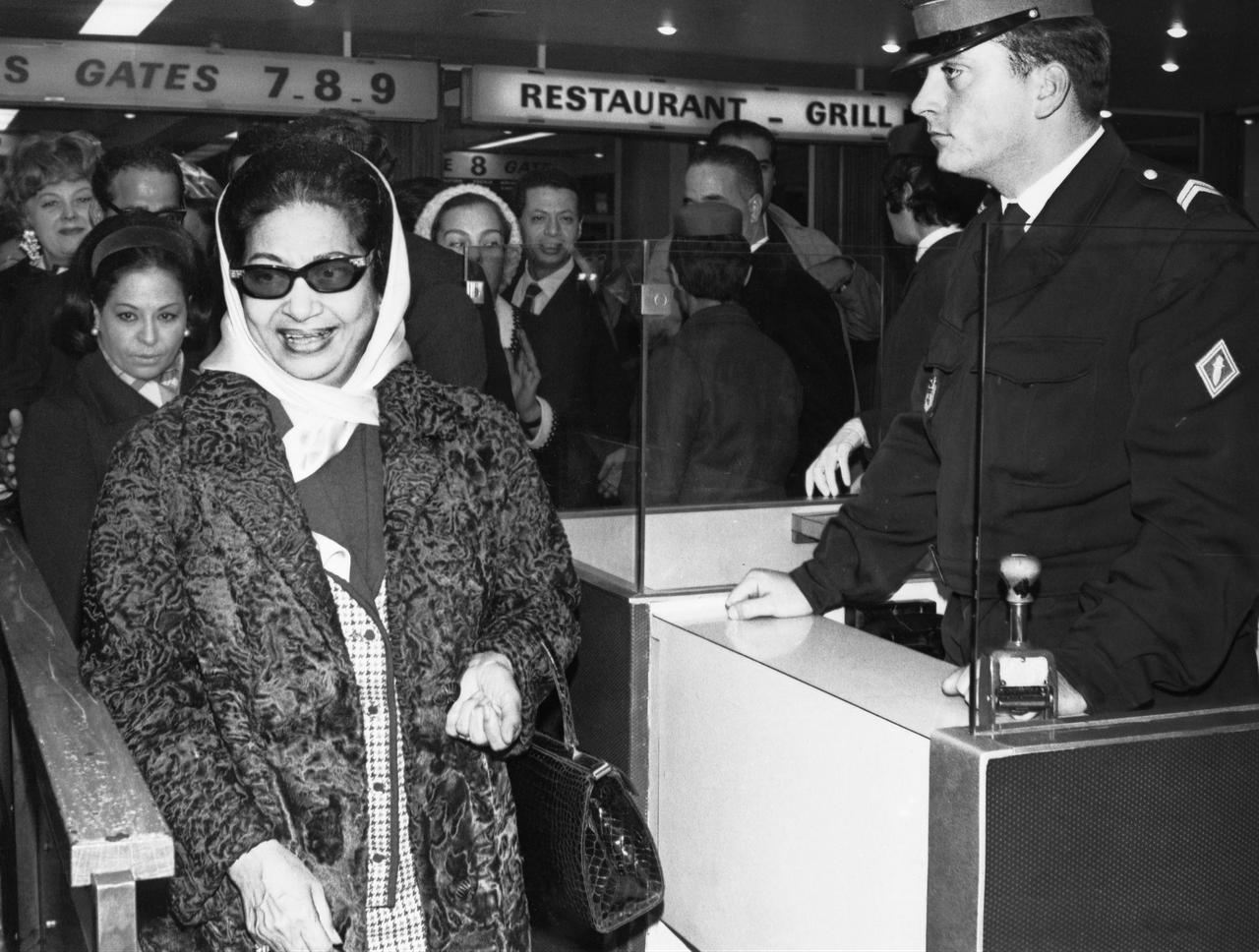

Radio was only part of the story. Egyptian cinema, which flourished during the same period, helped carry Umm Kulthum’s fame further. She appeared in six films during her lifetime, three of which were screened in Turkish cinemas. Titles such as Wedad, Nashid al-Amal (Song of Hope), and Dananir ran for months in Istanbul theaters, drawing large crowds at a time when television had not yet arrived.
Newspaper advertisements from the era captured the excitement vividly, describing packed venues and record-breaking attendance. These screenings allowed Turkish audiences not only to hear Umm Kulthum but also to see her perform, strengthening an emotional connection that went far beyond language.
The exchange between Turkish and Egyptian music did not move in just one direction. Ozyildirim notes that Umm Kulthum maintained close relationships with leading Turkish artists of her time, including Muzeyyen Senar and Munir Nurettin Selcuk. Some traveled to Egypt, met her personally, and performed Arabic songs from her repertoire, occasionally with Turkish lyrics adapted for local audiences.
Umm Kulthum herself was familiar with Turkish music and even picked up basic Turkish through her interactions with Turks living in Egypt. This shared musical vocabulary also showed up in structure and style. Her use of large orchestras, blending traditional instruments with Western ones and expanding string sections, later influenced musical practices in Türkiye, particularly from the 1960s onward.
While her peak popularity in Türkiye stretched roughly from the late 1930s to the late 1950s, Ozyildirim stresses that her influence never truly faded. In later decades, especially during the rise of Turkish arabesque music, segments of Umm Kulthum’s long compositions were adapted with Turkish lyrics. These pieces were often released under new names, and her authorship was not always acknowledged. Even so, her melodies continued to live on through these reinterpretations.
What makes this legacy especially striking is that many listeners did not understand Arabic. Still, they connected deeply with the emotion in her voice, a fact Ozyildirim describes as undeniable rather than interpretive. Umm Kulthum herself reportedly recognized this devotion and once said that letters from fans in Türkiye excited her the most.
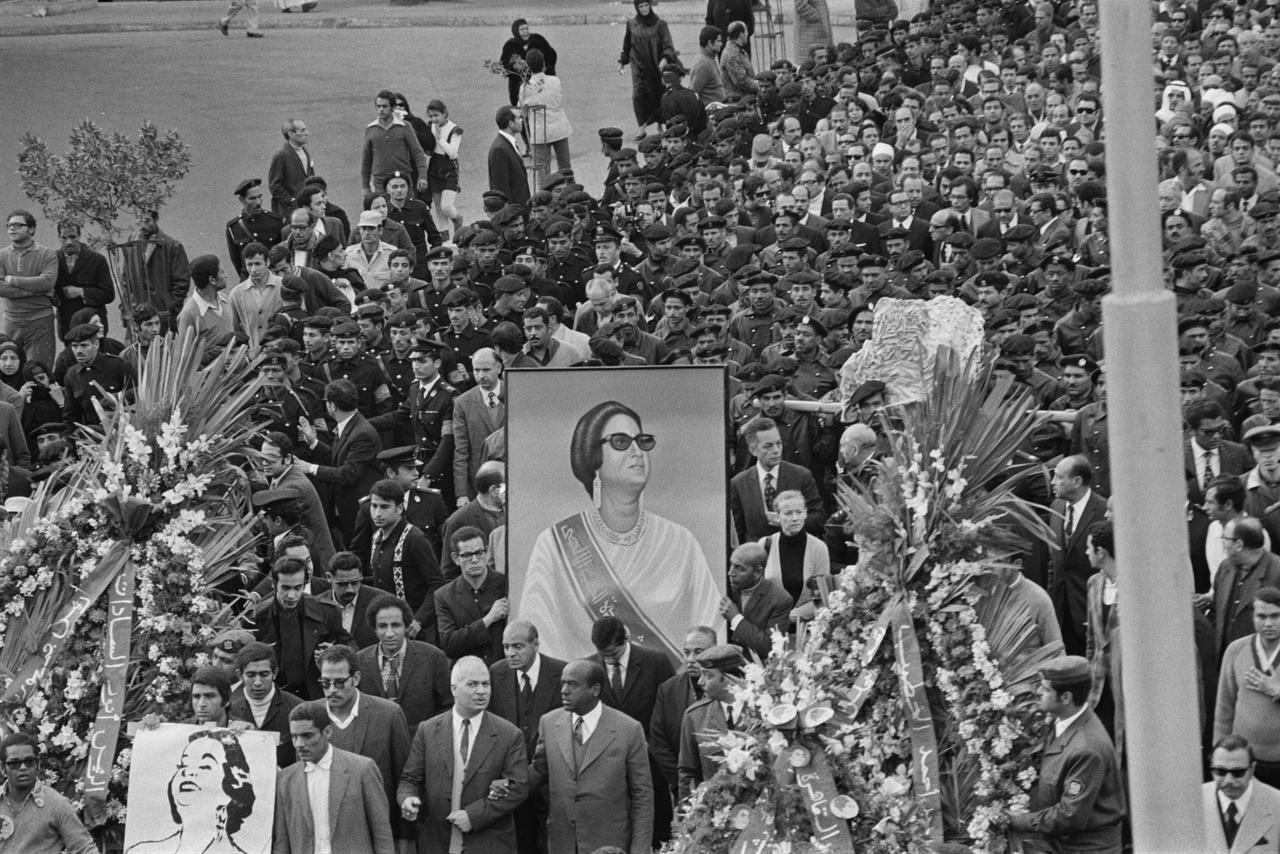
That bond remains visible today. Altunkaya says that Turkish audiences still ask for Umm Kulthum’s most famous songs, especially Enta Omri and Alf Leila wa Leila (One Thousand and One Nights). While more complex classical works are less frequently requested, the continued demand itself points to her lasting presence.
In 2014, Altunkaya co-founded Tarab Istanbul, an ensemble bringing together Turkish and Syrian musicians to perform Umm Kulthum’s repertoire. Although the project later slowed due to funding challenges, his commitment to her music has not changed. He continues to describe her as his first and deepest artistic love, one that reaches into his dreams as well as his career.
As Egypt marks 2025 as the Year of Umm Kulthum on the 50th anniversary of her death, the enduring connection between her voice and Turkish listeners stands as a powerful example of how music can cut across borders, languages, and generations, and continue to resonate long after the final note fades.


 Set as preferred source
 Set as preferred source


 2 min read