Newsletters


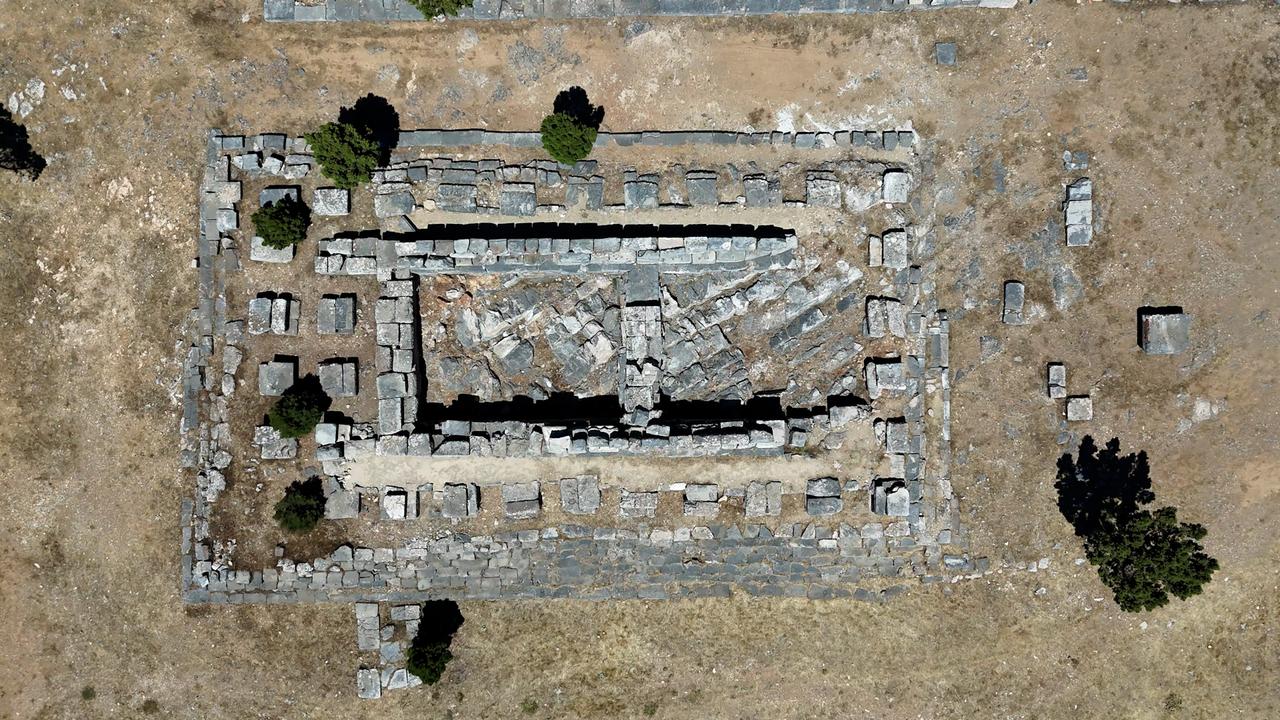
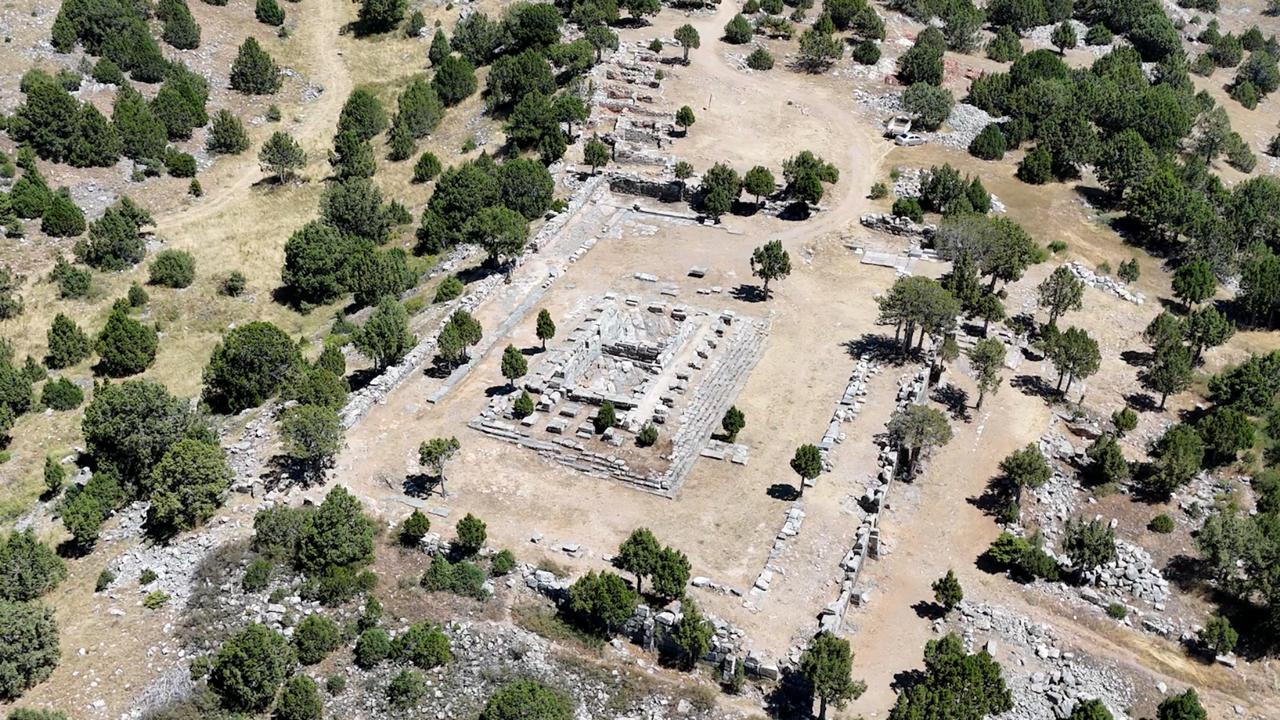
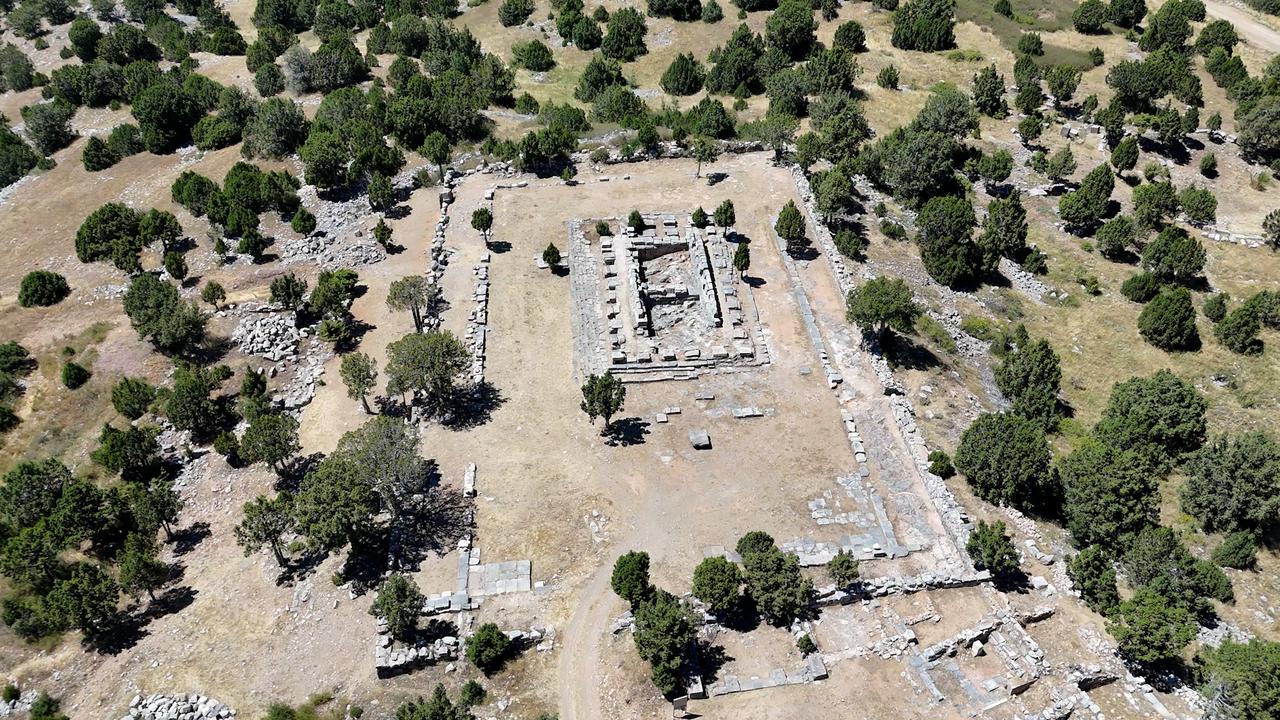
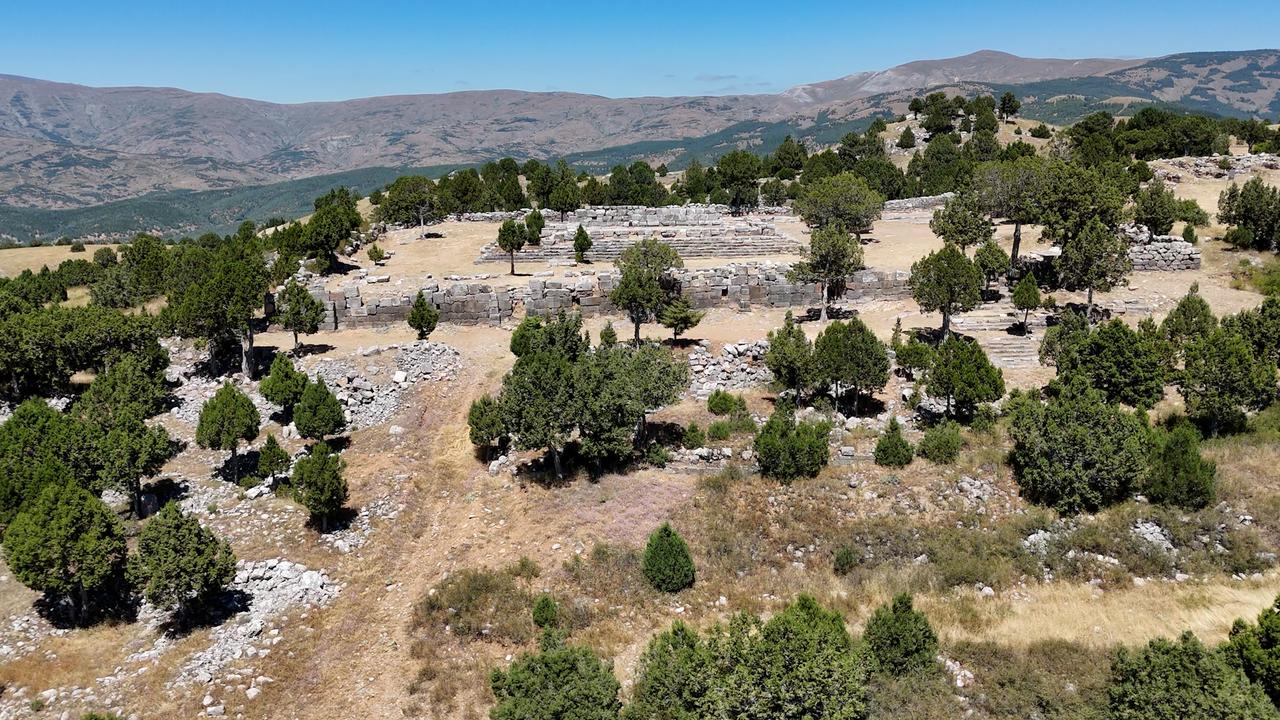
Perched at an altitude of approximately 1,600 meters atop Mount Gemen in the ancient city of Pisidian Antioch, the Sanctuary of Men and its temple stand as one of the ancient world's most significant centers of religious devotion. This site is located in the Yalvac district of Isparta in Türkiye.
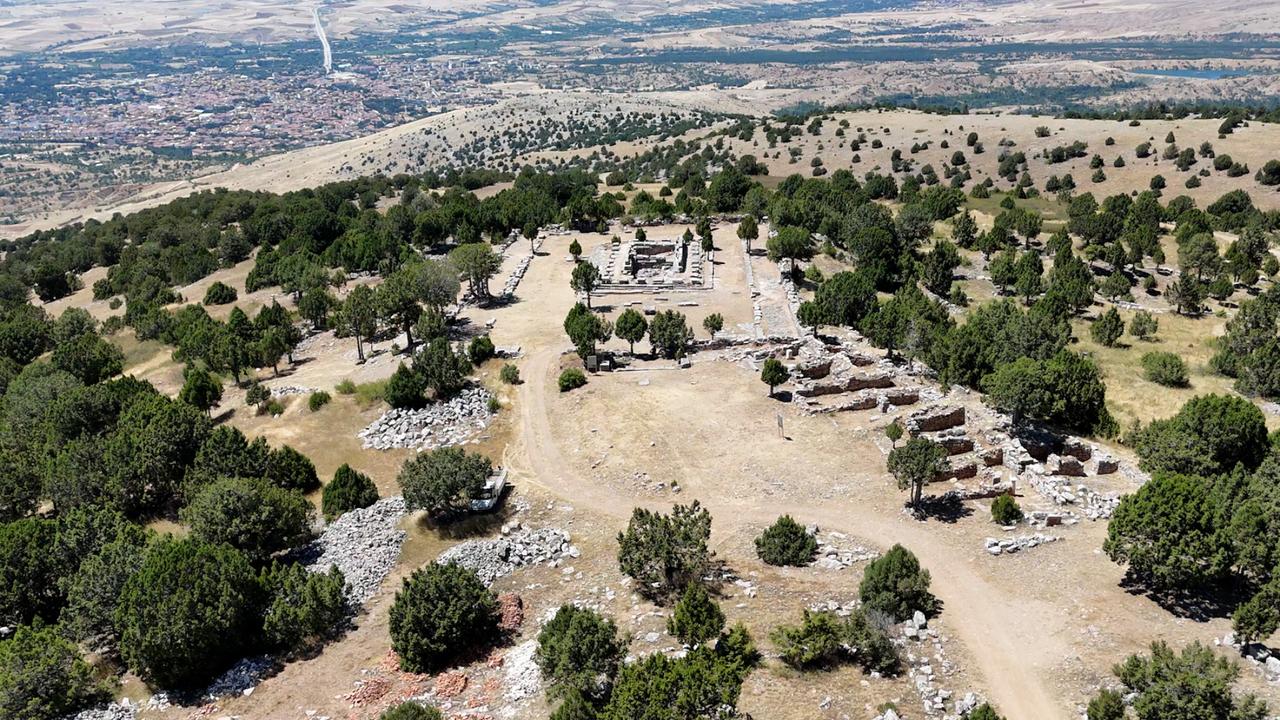
The sacred site, which has been submitted for inclusion on UNESCO's World Heritage Tentative List, is especially notable for the crescent-shaped votive stelae, carved stone slabs left as offerings, that surround the temple's perimeter.
Pisidian Antioch rose to prominence as one of Anatolia's most important cities during the Roman Empire, and it is also recognized as one of the centers visited by Saint Paul, a key figure in the early spread of Christianity, between the years 46 and 57 A.D.
Beyond the Sanctuary of Men, the ancient city contains a wealth of archaeological structures, including the Temple of Augustus, a theater, a monumental fountain, a Roman bath, a stadium and several churches.
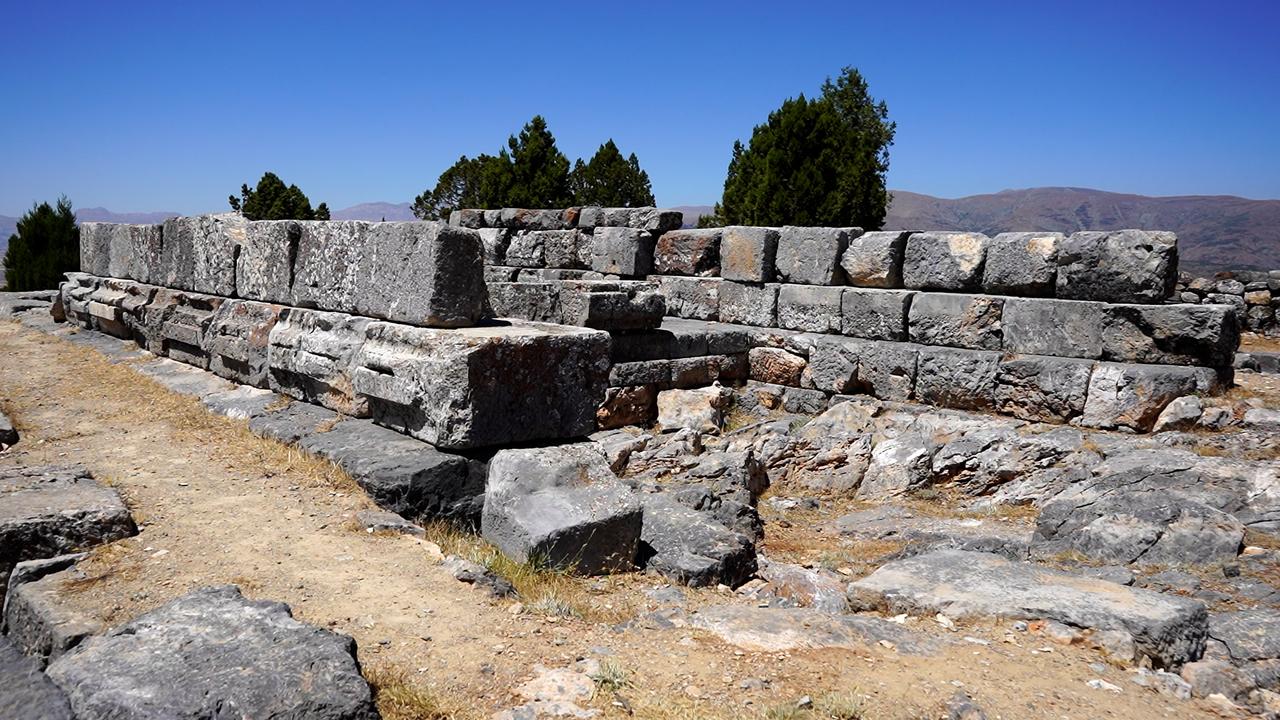
Some of the earliest written records describing the sanctuary's history come from the ancient geographer Strabo of Amasya.
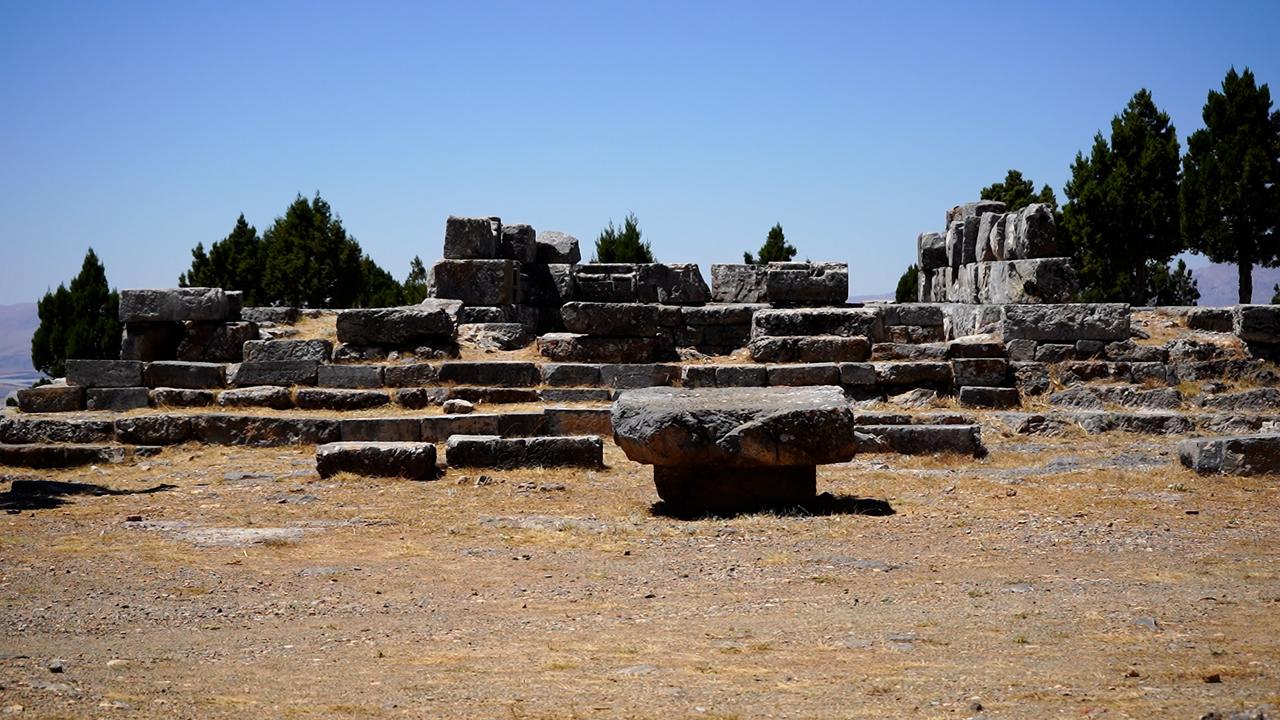
Strabo described a temple-state in the region that held vast lands, a large workforce, and considerable economic power, underscoring that the Sanctuary of Men functioned as far more than a purely religious site.
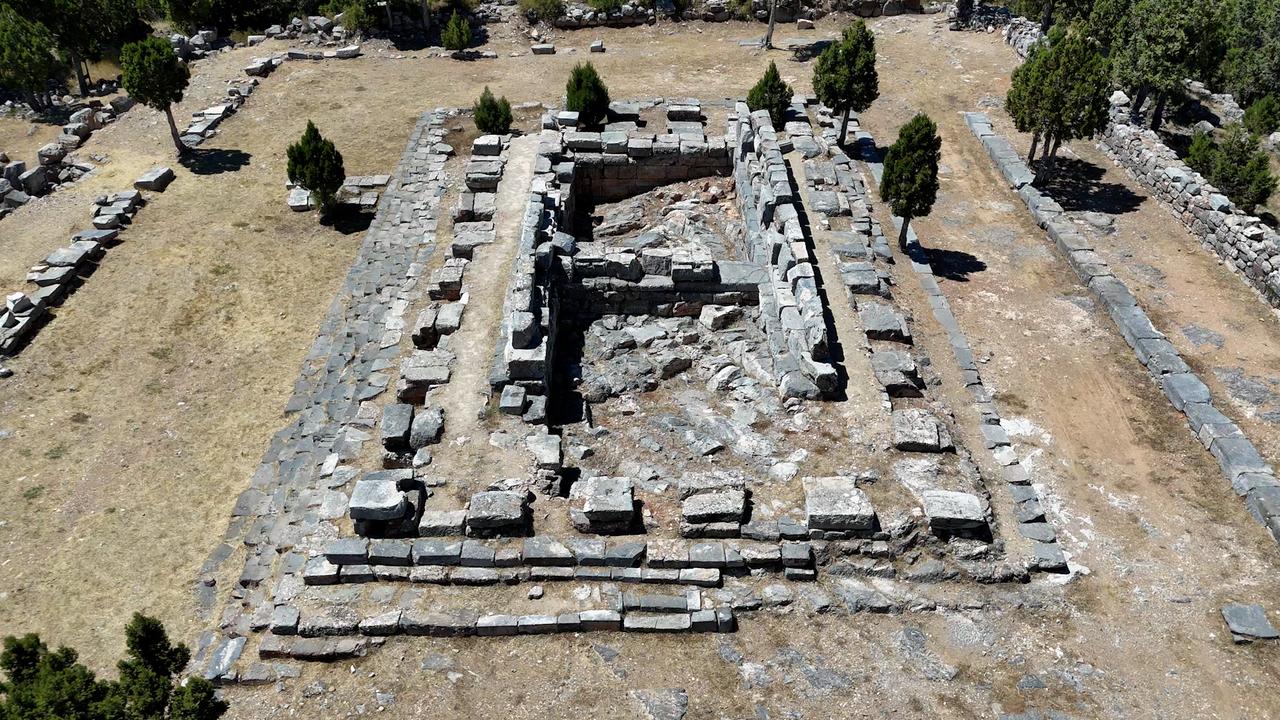
The sanctuary complex extended well beyond the temple itself, encompassing a stadium, a smaller temple dedicated to an underworld goddess, and roughly 750 additional structures built to house pilgrims and support activity at the sacred site.
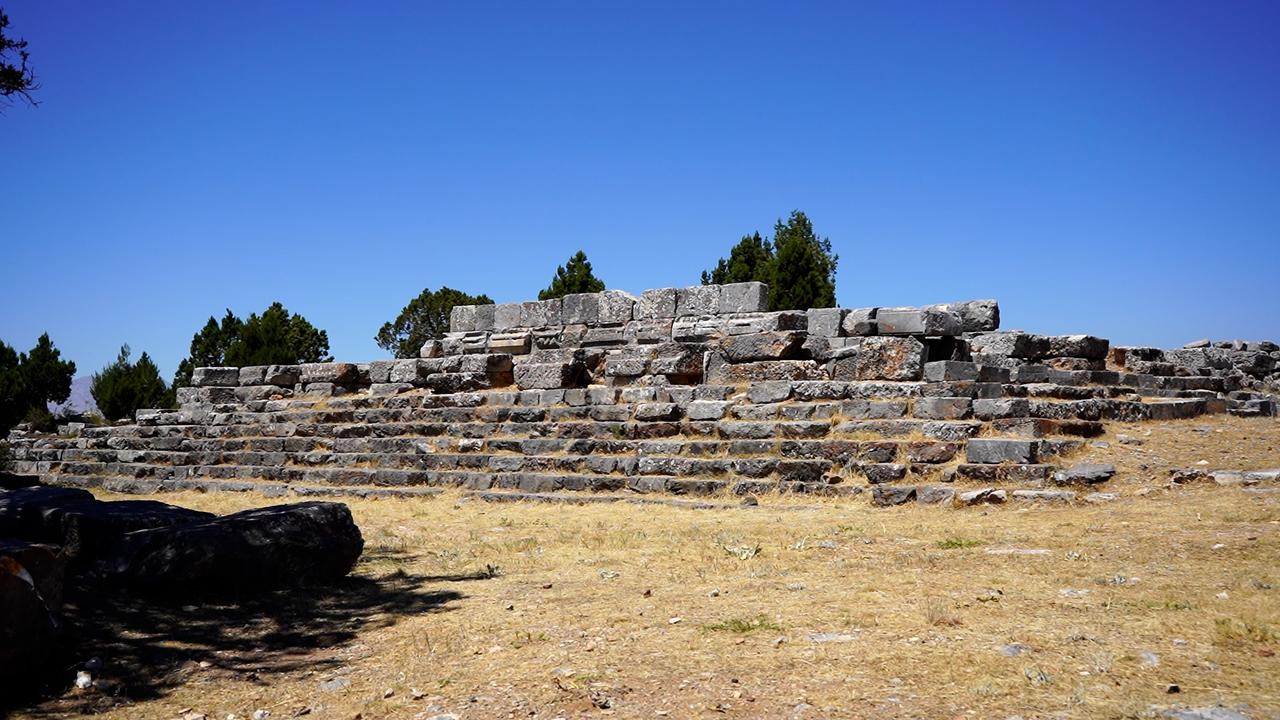
Given the extent of its influence, the Sanctuary of Men is said to be "the Vatican of the ancient era," as the local economy of Yalvac was shaped significantly around this religious center in antiquity.
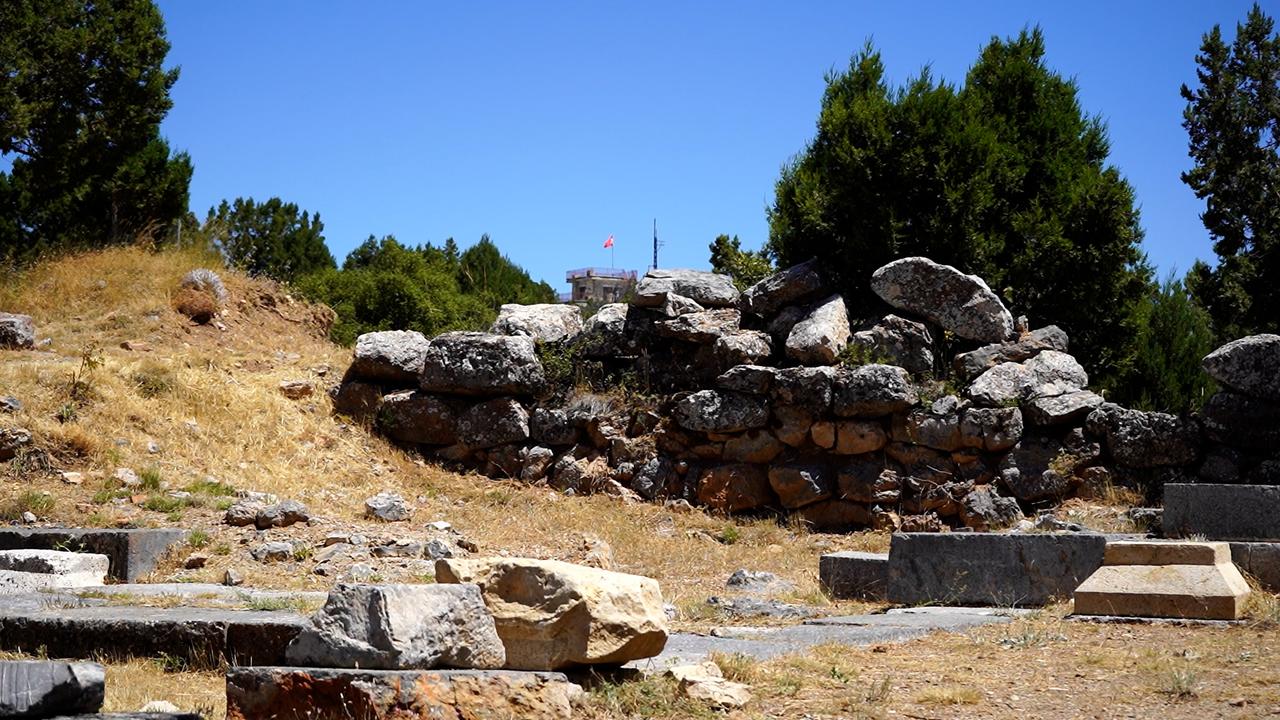
The temple itself is enclosed by a sacred wall measuring approximately 70 meters (230 feet) in length and five meters in height, its facade covered entirely with crescent-shaped votive stelae dedicated to the god Men.
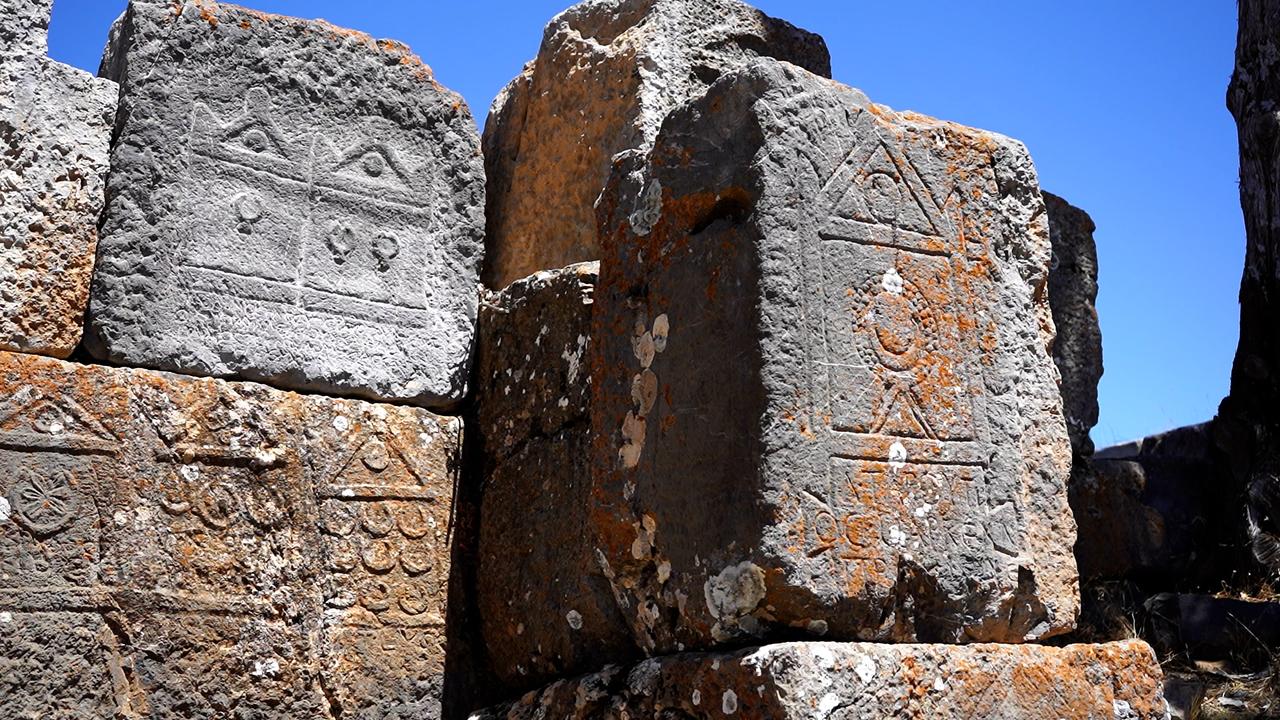
Each crescent carved into the wall is believed to represent a personal wish, offering, or expression of faith brought by a visitor, a practice that has no known parallel anywhere else in the ancient world.
Greek inscriptions uncovered during excavations further illuminate the beliefs of the period, revealing that pilgrims came to the sanctuary seeking health, healing, forgiveness for perceived sins, and the fulfillment of various personal wishes from the god Men.

 1 min read
 1 min read
 3 min read


 Set as preferred source