Newsletters




A British conservation charity has raised approximately £30 million ($40 million) to purchase the historic Rothbury Estate in northern England, securing one of the country's largest land acquisitions in decades as part of an ambitious effort to restore wildlife habitats and protect biodiversity.
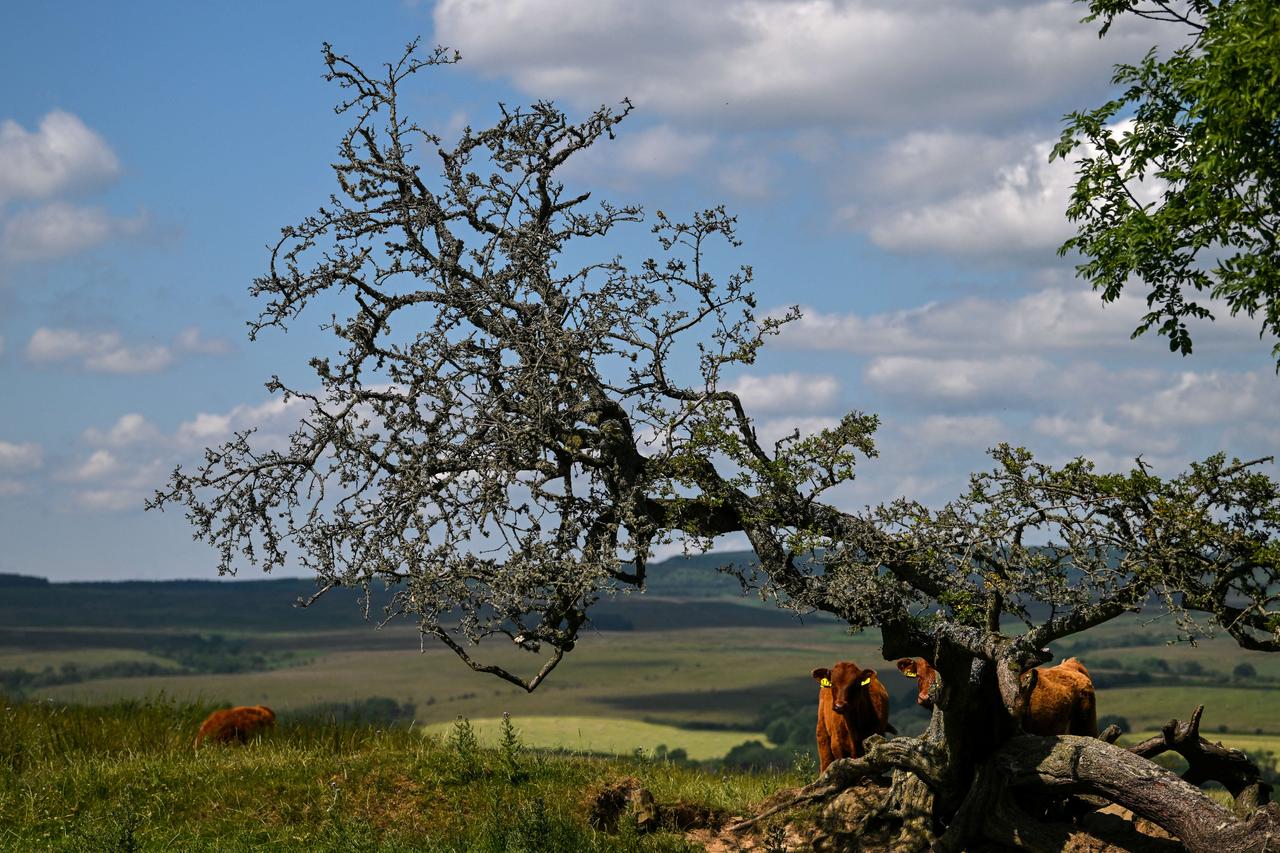
The Wildlife Trusts announced Friday that it had acquired the entire 3,800-hectare (9,500-acre) estate in Northumberland following a two-year fundraising campaign supported by thousands of donors and renowned environmentalist David Attenborough.
The acquisition, described as England's largest land purchase in three decades, will allow the charity to turn the sprawling landscape of moorlands and forests into a wildlife sanctuary.
The Rothbury Estate had belonged to the Percy family, the Dukes of Northumberland, for nearly 800 years, with parts of the land used for grouse shooting, a traditional British countryside activity involving the hunting of game birds, until 2022.
After putting the property up for sale in 2023, Max Percy, the current duke's son, agreed to give the Wildlife Trusts two years to raise the necessary funds. He had previously explained that managing the estate from his home in southern England had become increasingly difficult.
The campaign brought in £17 million from approximately 25,000 individual donors, while the National Lottery Heritage Fund, which supports projects protecting Britain's heritage, contributed £5 million. The Department of Environment also pledged £1.94 million.
Attenborough, who backed the fundraising effort, described the acquisition as an opportunity "to create something very special for generations to come."
Beyond protecting the estate itself, the Wildlife Trusts hopes to work with neighboring landowners and conservation projects to establish a 65-kilometer (40-mile) biodiversity corridor extending inland from the North Sea.
The proposed network of connected habitats would provide refuge for species including cuckoos, butterflies, pine martens, golden eagles and red squirrels, supporting wildlife populations in a country facing significant pressure on its natural environment.
The charity also plans to work alongside around a dozen farmers, primarily sheep farmers, to encourage more environmentally friendly agricultural practices, including reducing the use of pesticides and chemical fertilizers.
Wildlife Trusts Director General Craig Bennett thanked the campaign's supporters and emphasized the importance of cooperation with local communities and land managers.
"Working alongside local communities, farmers and fellow land managers who know and care for this landscape so deeply, we can help this special place continue to thrive," Bennett said.
The purchase comes as the British government remains far from achieving its commitment to conserve and effectively manage 30% of the country's land and seas for nature by 2030.
According to the Wildlife Trusts, protecting and restoring the Rothbury Estate could contribute to that national objective while helping preserve wildlife habitats for future generations.


 Set as preferred source
 Set as preferred source



 4 min read