Newsletters


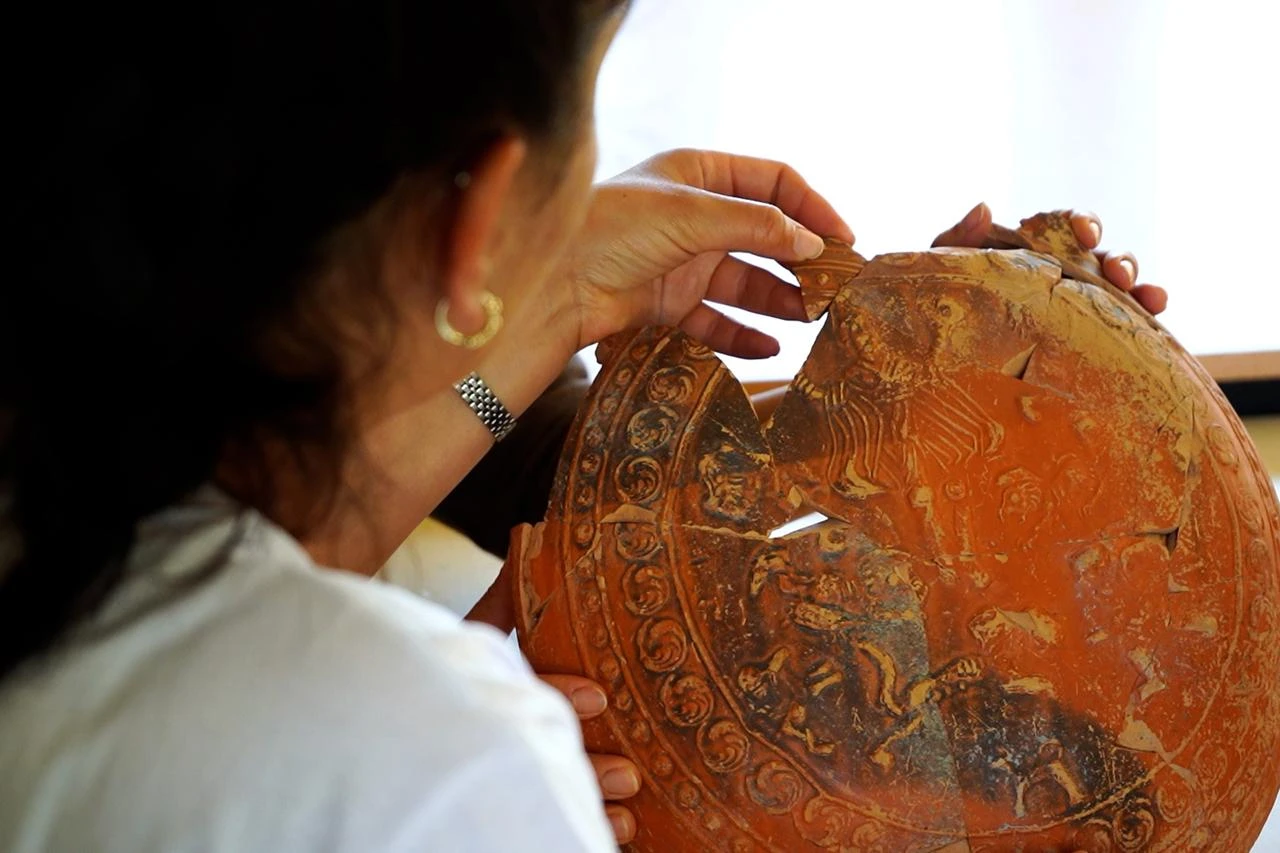


Archaeologists working at the ancient city of Antioch of Pisidia in Isparta, southwestern Türkiye, have uncovered an approximately 1,500-year-old liturgical vessel that researchers say has no known parallel in Christian art history.
Dating to the sixth century A.D., the two-handled vessel brings together the Prophet Daniel, the four beasts from his prophetic vision and a lion within the same composition, according to excavation director Professor Mehmet Ozhanli of Suleyman Demirel University's Department of Archaeology.
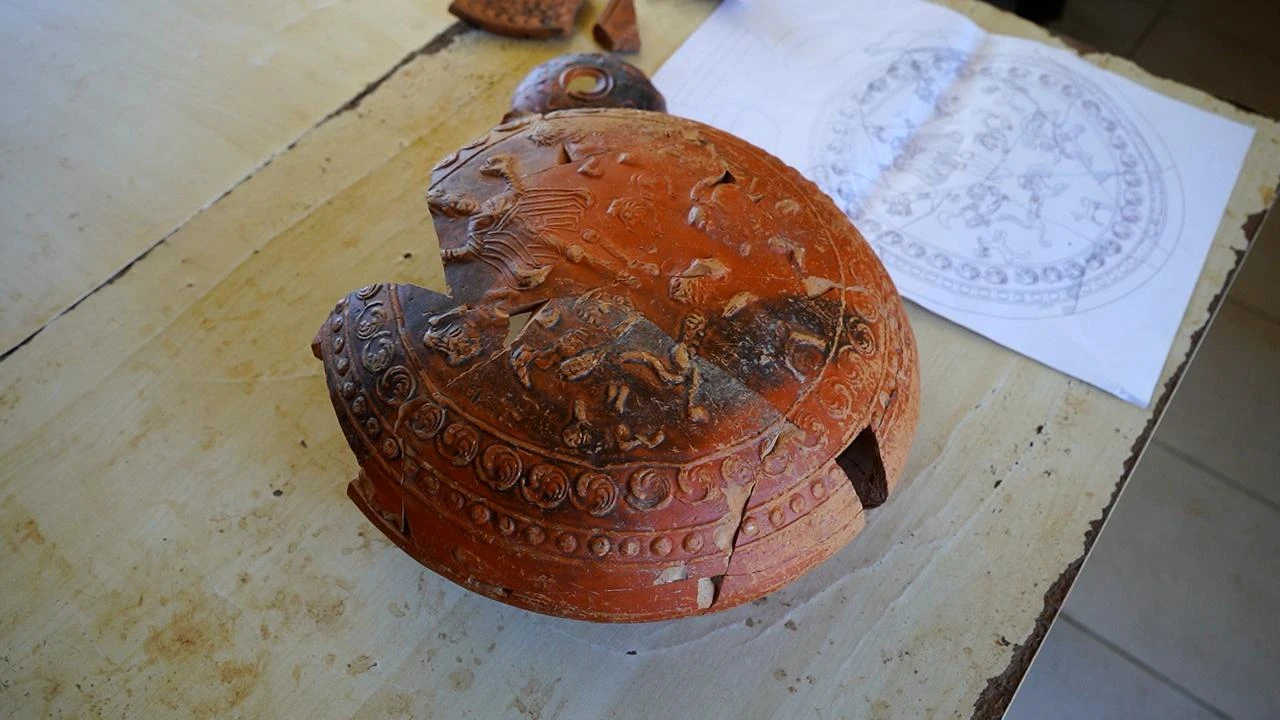

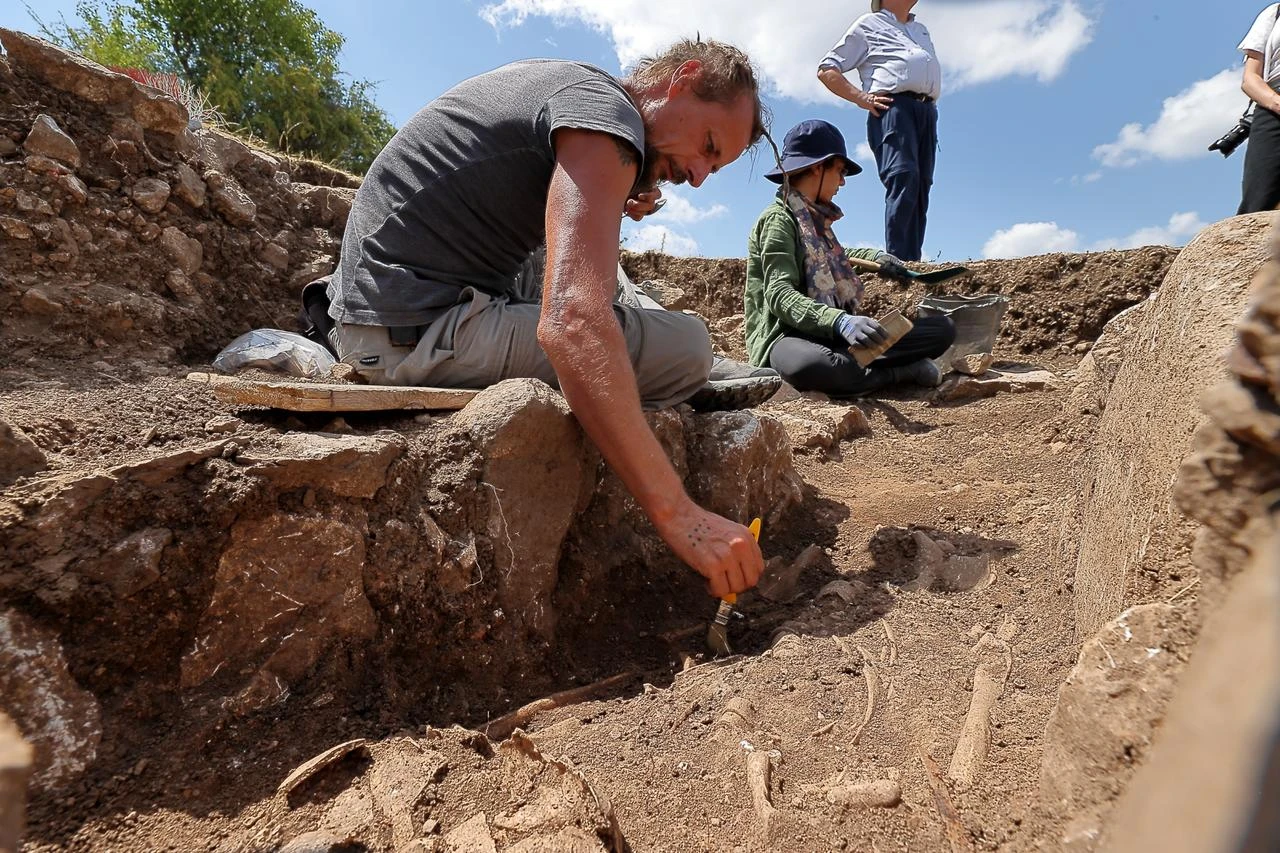
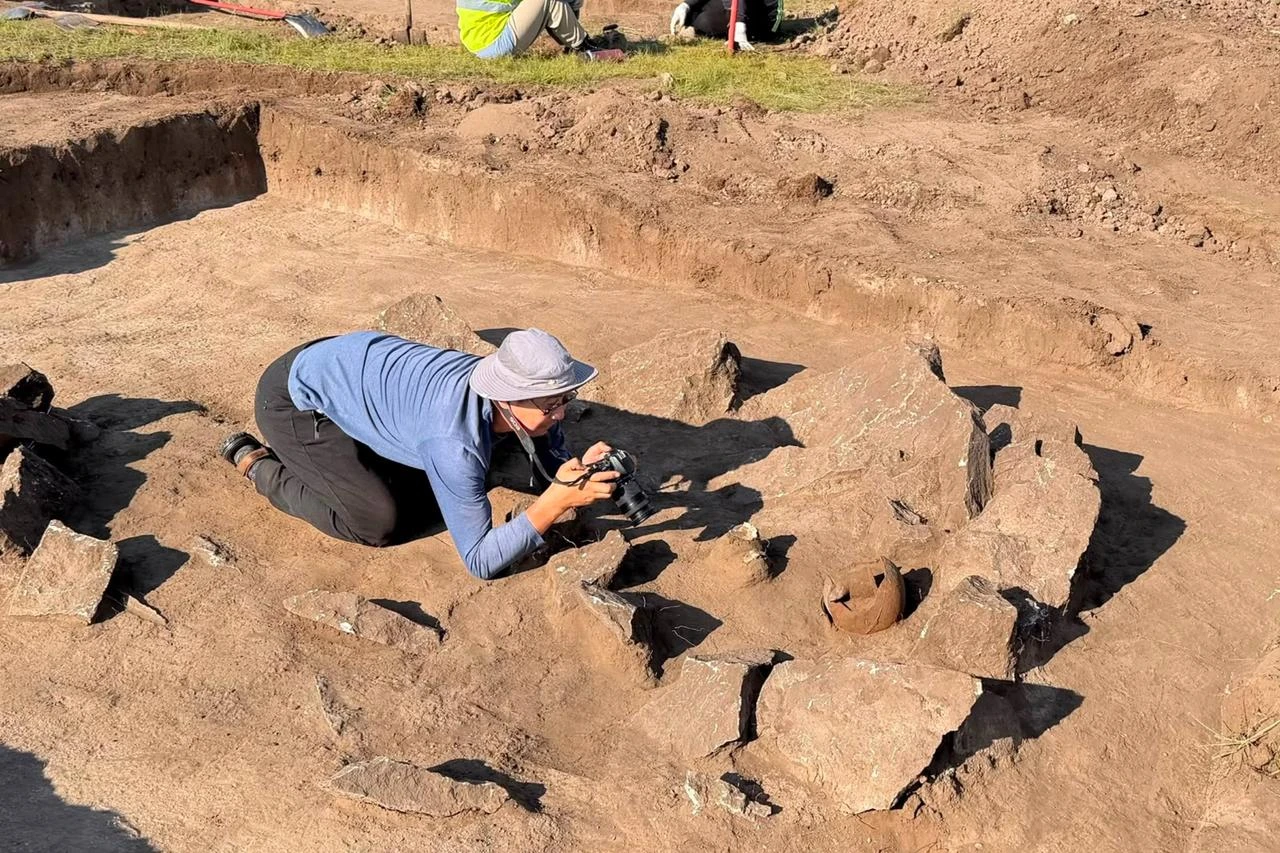
The artifact was found during excavations at a monastery in the ancient city, among the remains of a church that was destroyed during Arab raids in 713.
A liturgical vessel is a container used in connection with religious worship or ceremonies, and Ozhanli said the imagery covering this example makes it particularly significant for the study of Christian iconography, the visual language used to represent religious figures, narratives and beliefs.
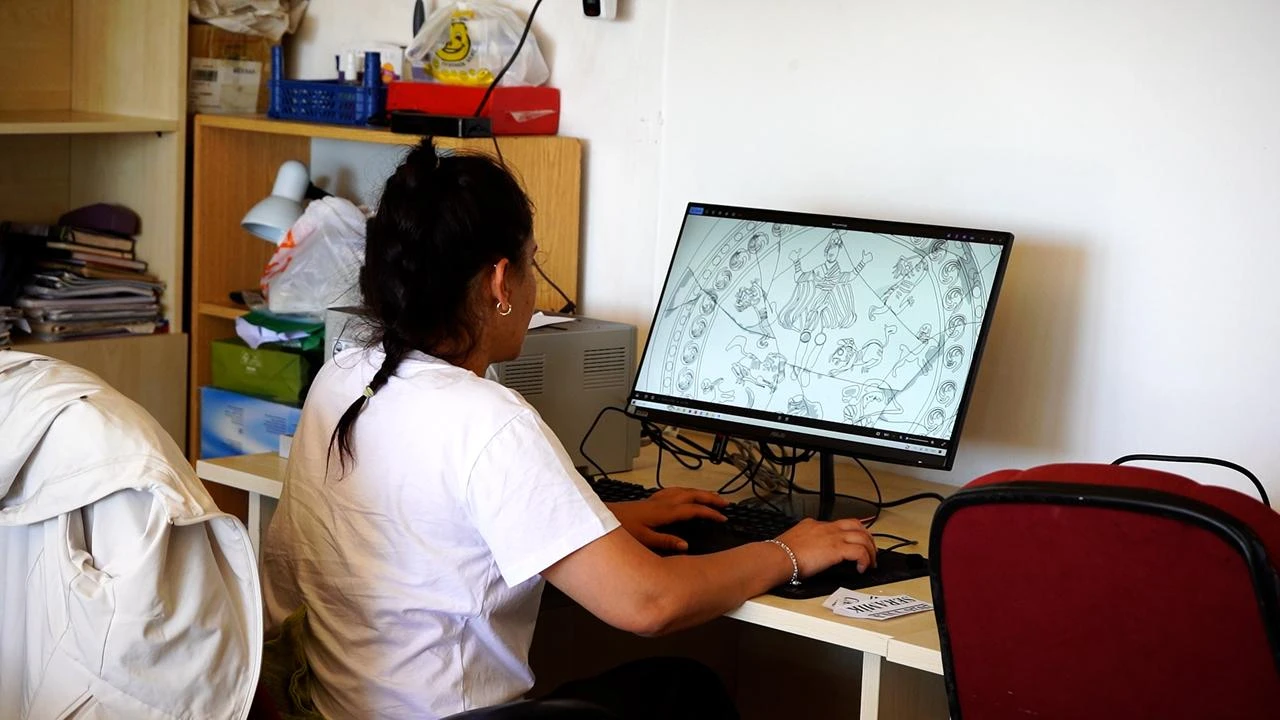
The imagery draws on narratives from the Book of Daniel in the Old Testament. Ozhanli said Daniel was among the Jews exiled during the reign of Babylonian King Nebuchadnezzar II and was understood to have survived being thrown into a lions' den through divine protection.
Daniel later describes a vision involving four beasts emerging from the sea. According to Ozhanli, Jewish tradition associates the four creatures with the Babylonian, Median, Persian and Hellenistic kingdoms.
In Christian interpretation, he said, the fourth beast is associated particularly with the Roman Empire, while the "Son of Man" coming from heaven represents the arrival of Christ. Daniel's vision consequently came to be interpreted in Christianity as one of the texts foretelling the coming of Jesus.
The newly discovered vessel stands out because the different elements of this narrative were brought together in a single Christian iconographic program.
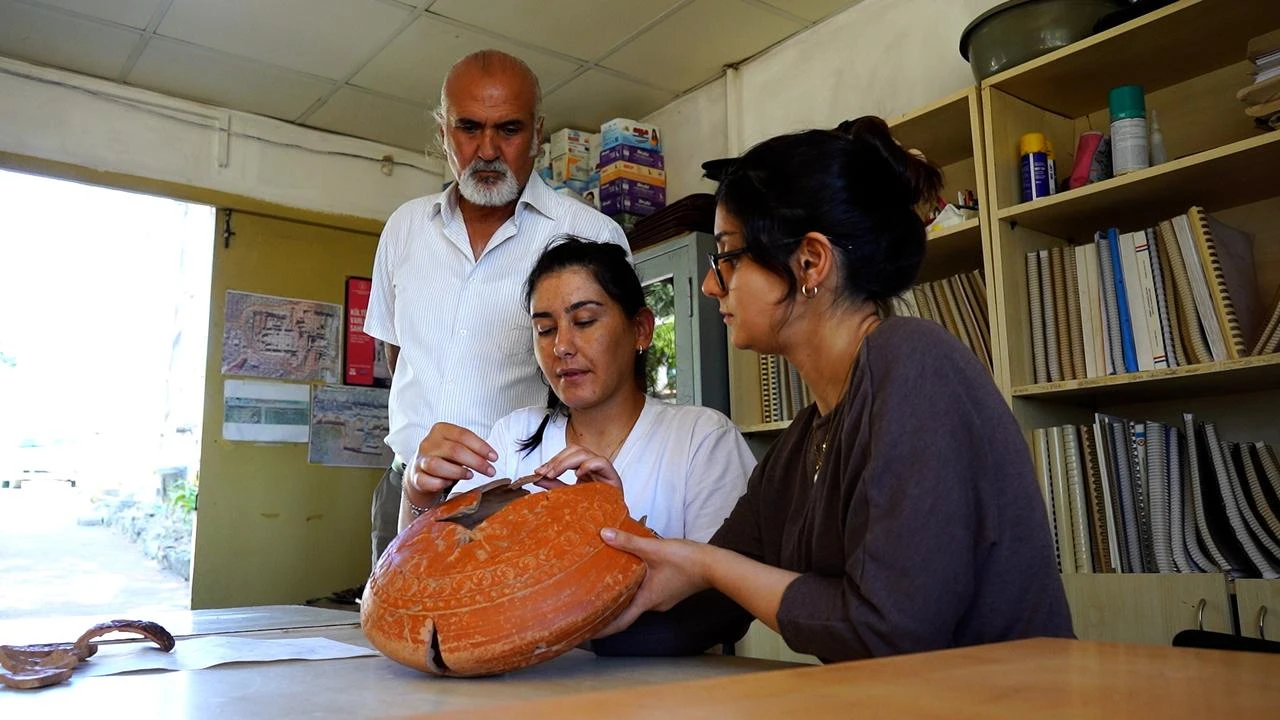
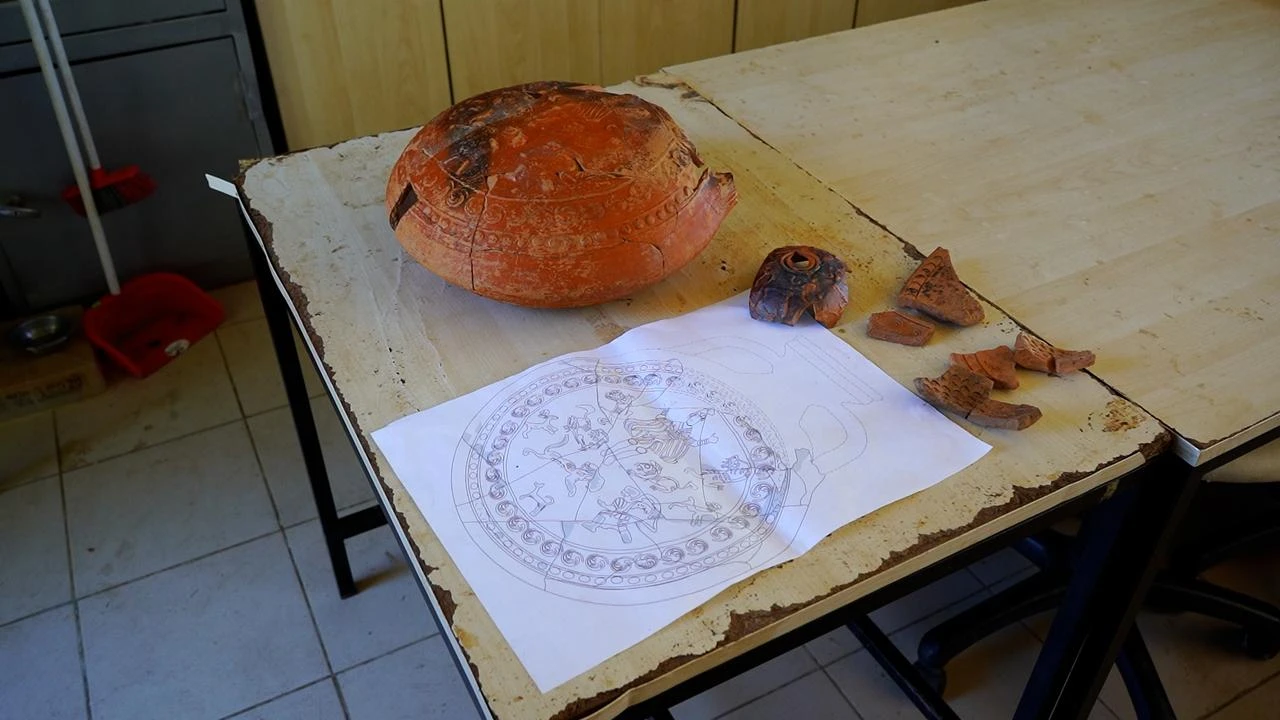
Both sides of the vessel carry depictions of Daniel and the four beasts, while lion, deer and dog motifs also appear across the object.
"The vessel was produced in the form of a two-handled liturgical container. No other example is known to date that brings together all the creatures from Daniel's dream in the same composition through Christian iconography. In this respect, the artifact is unique in the world," Ozhanli said.
The excavation team has also turned up numerous ceramic molds at Antioch of Pisidia, evidence that Ozhanli said points to a developed pottery industry in the ancient city.
Researchers believe the newly discovered liturgical vessel was also produced locally.
Ozhanli said the finds show that Antioch had a sufficiently developed ceramic production center to meet its own needs.
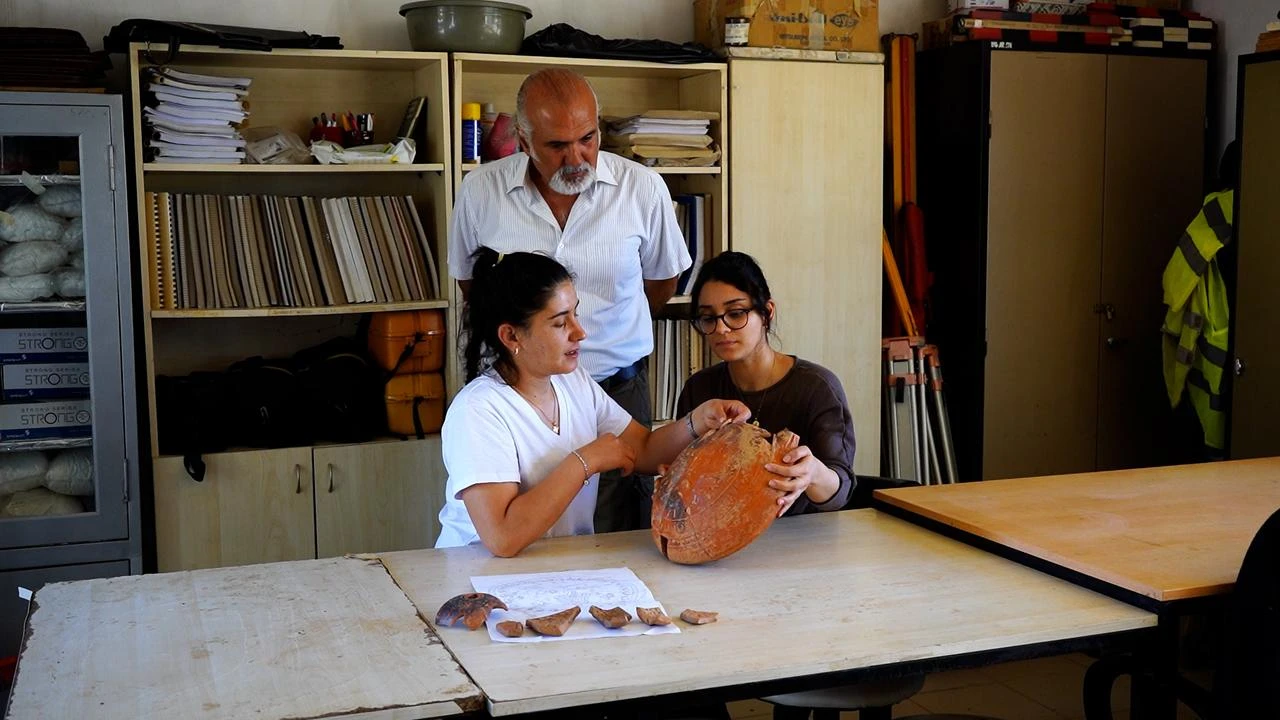
The discovery also adds to the archaeological record of a city closely linked with the history of Christianity.
According to Ozhanli, St. Paul and St. Barnabas arrived in the city in A.D. 46 and delivered their first sermons there. After Christianity became the official religion of the Roman Empire, Antioch of Pisidia developed into an important pilgrimage center.
Following the Council of Nicaea in 325, the city also became the metropolitan center of the Pisidia region.
Ozhanli said the newly uncovered vessel therefore represents an important discovery for both Antioch of Pisidia and archaeology in Türkiye.


 Set as preferred source
 Set as preferred source


 1 min read
 1 min read