Newsletters


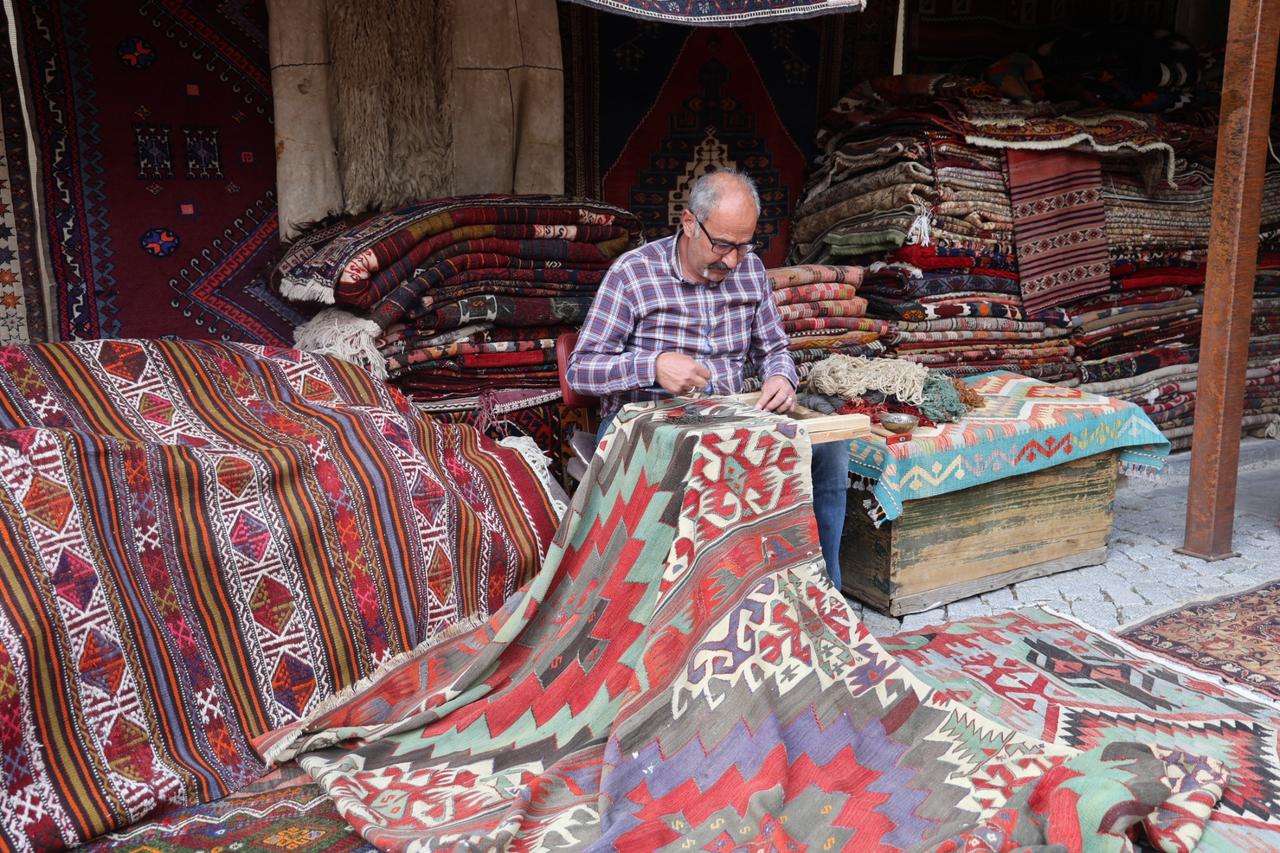


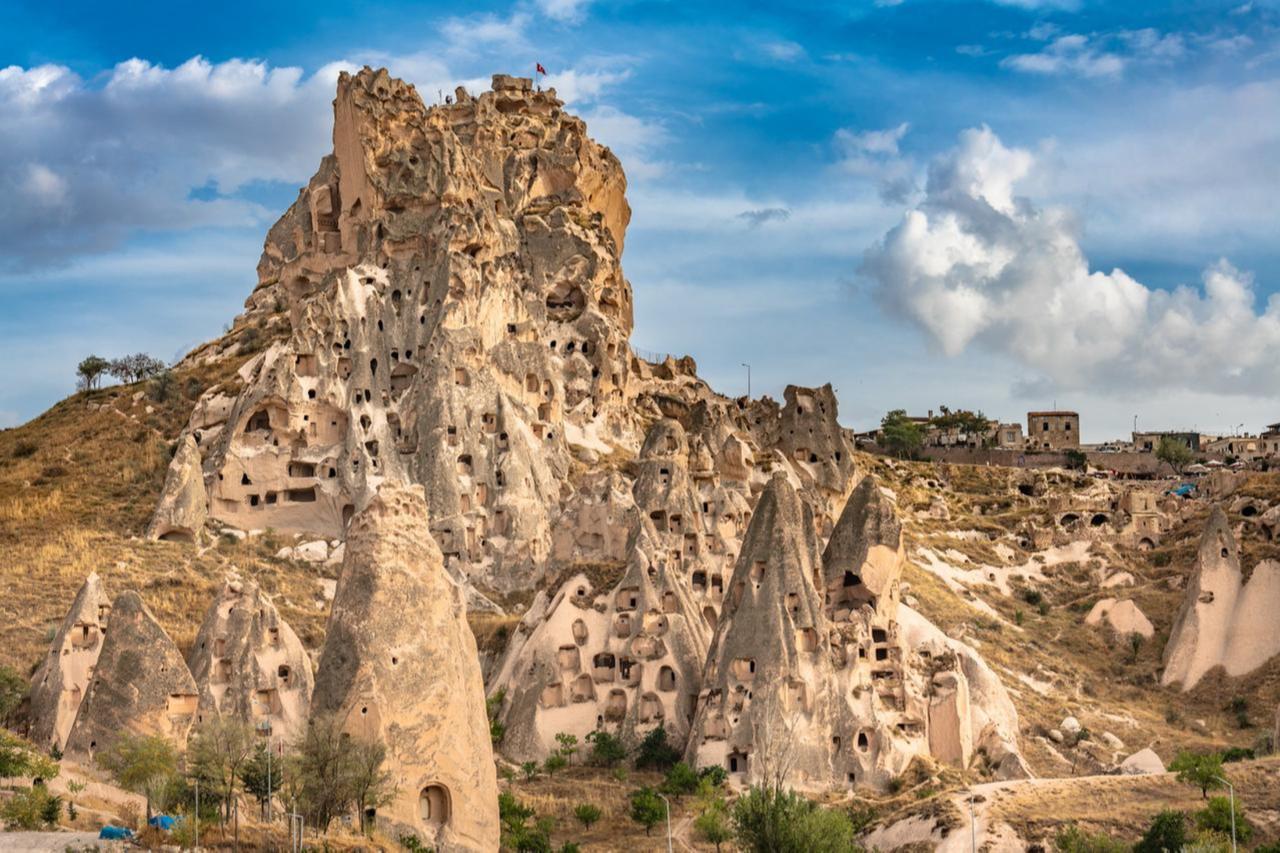
Ramazan Akgul, an expert of carpet restoration with 40 years of experience in the trade, lives in Cappadocia—the "land of beautiful horses." By meticulously repairing antique and worn rugs, he preserves cultural heritage while returning these valuable pieces to economic circulation.
Akgul, who began learning the craft after completing primary school, stated that he was trained directly in the profession and later gained extensive experience working in Istanbul’s Grand Bazaar. There, he restored valuable carpets originating from various regions of Türkiye and abroad.
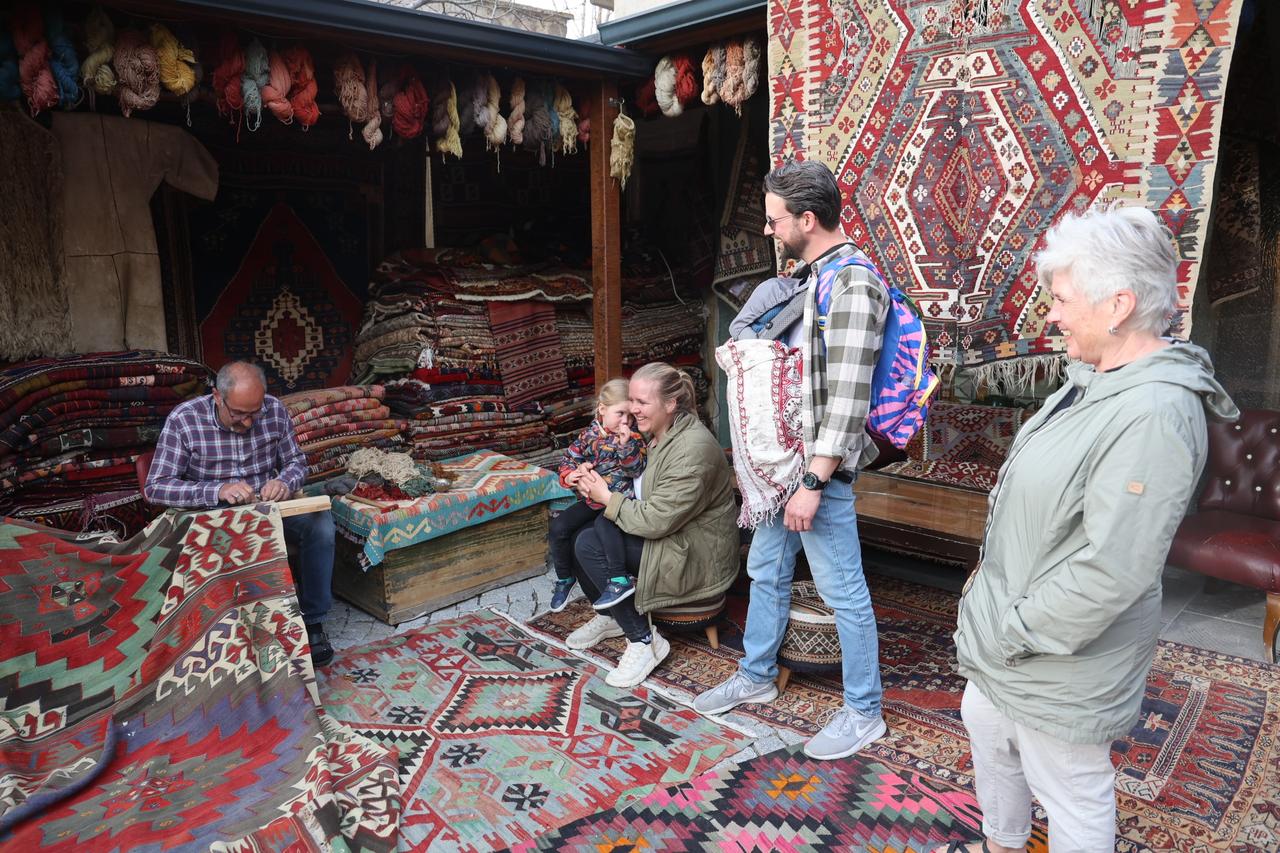
Speaking about his current work in Cappadocia, Akgul noted that the region has strong tourist interest, particularly in traditional crafts and restoration processes. He emphasized that visitors show significant curiosity toward antique carpets and the techniques used to preserve them.

Describing carpet restoration as a highly demanding and labor-intensive profession, Akgul explained that the work requires exceptional patience and precision. He stated that while some carpets can be completed within a day, others may require months or even years of continuous effort. In one case, he reported working on a single carpet for approximately 1.5 years.
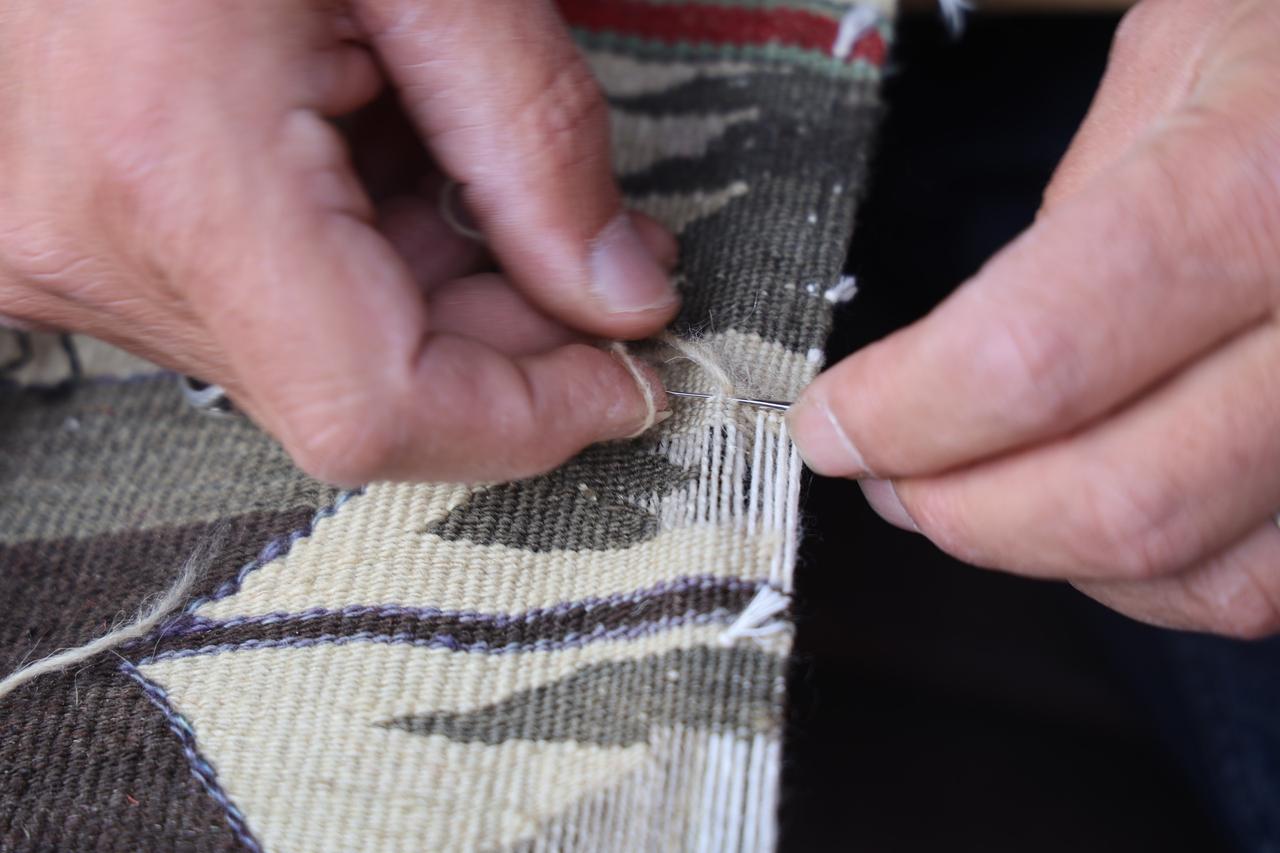
“Our work is carried out stitch by stitch using needles and hooks. It is like digging a well with a needle,” Akgul said, underlining the complexity of the craft.
Akgul stressed the importance of invisible restoration in antique carpets, noting that repairs must not be detectable in order to preserve their historical and market value.
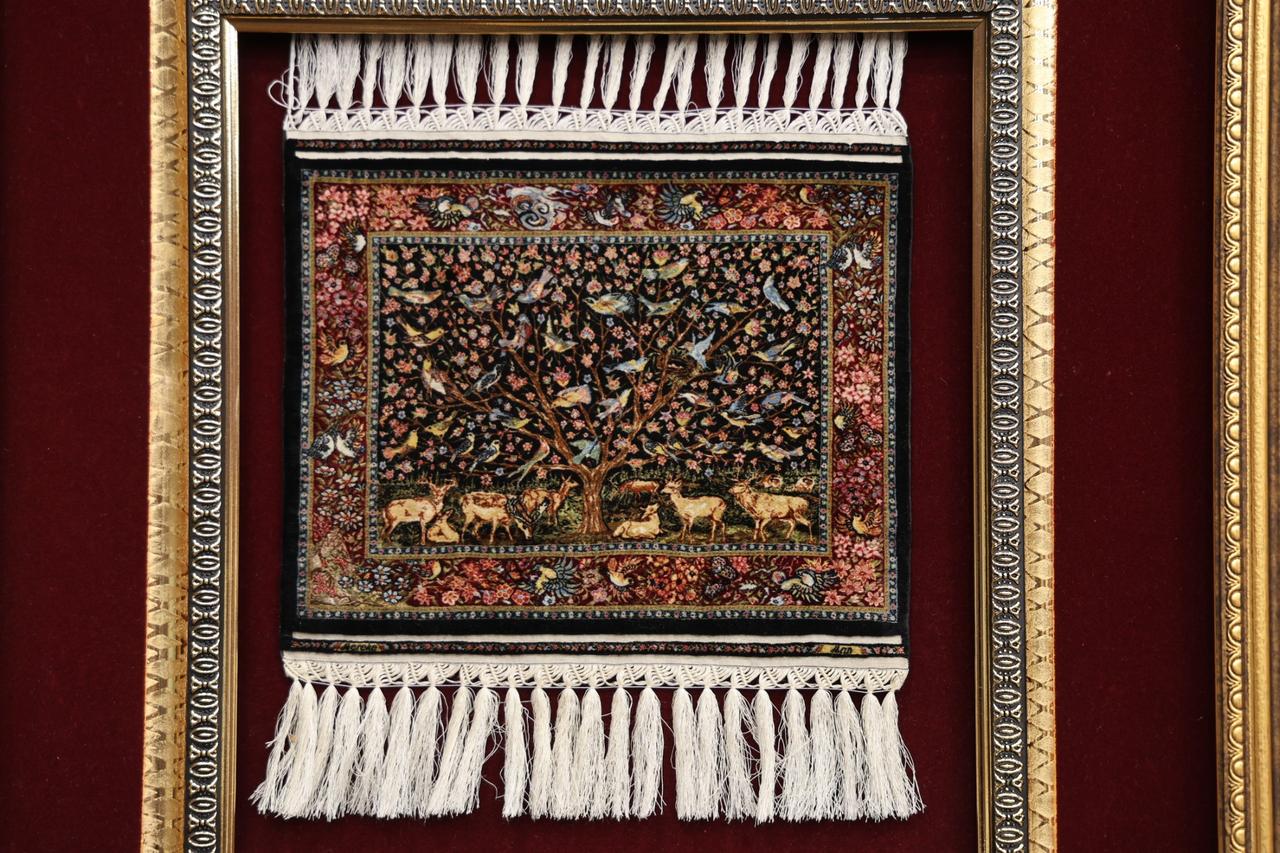
According to him, matching the original period’s yarn type and color tones is essential, particularly for carpets that are a century old or more. He added that he has restored a 300-year-old carpet without the owner being able to identify the repaired sections.
“If the restoration is visible, the value of the carpet is lost,” he said.
He warned that traditional carpet restoration is a vanishing craft, noting that only about 500 practitioners remain in Türkiye. Highlighting the critical shortage of new apprentices, he called for institutional intervention, suggesting that the Ministry of Culture and Tourism should lead efforts to revitalize the profession.
Separately, Aysel Solak, a sales representative working with restored carpets, said that antique carpets, "particularly those restored by master craftsmen," attract strong interest from international tourists, especially visitors from Europe and the United States.
Solak added that some carpets on display are up to 300 years old and are preserved in their original condition as cultural artifacts intended to be passed on to future generations.


 Set as preferred source
 Set as preferred source


 2 min read
 1 min read