Newsletters




A Renaissance palace on Venice’s Grand Canal has returned to the property market after years of restoration, but its reputation continues to shape its fate.
Ca’ Dario, a late 15th-century palazzo in the Dorsoduro district, stands steps from the Peggy Guggenheim Collection. Estate agents now list the building again, yet local legend continues to label it as Venice’s cursed palace.
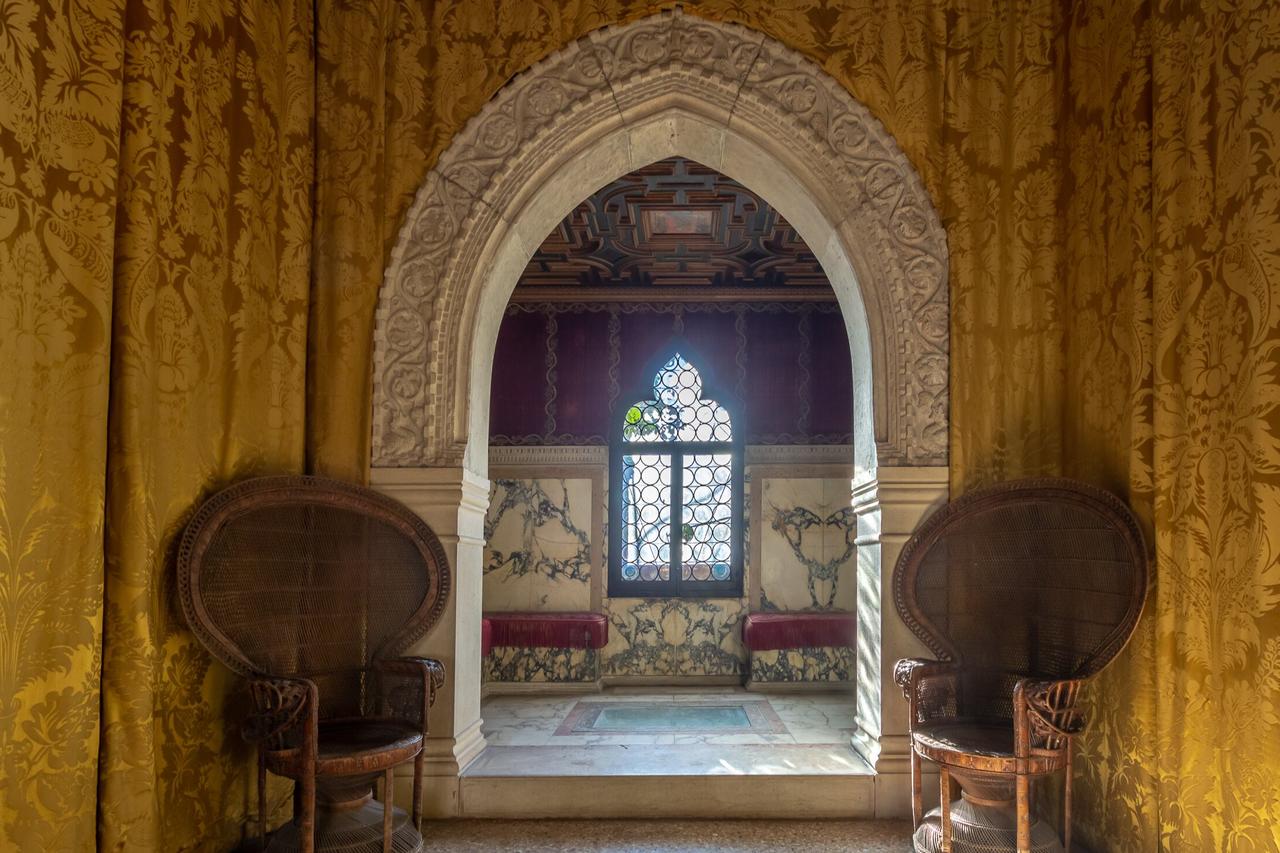
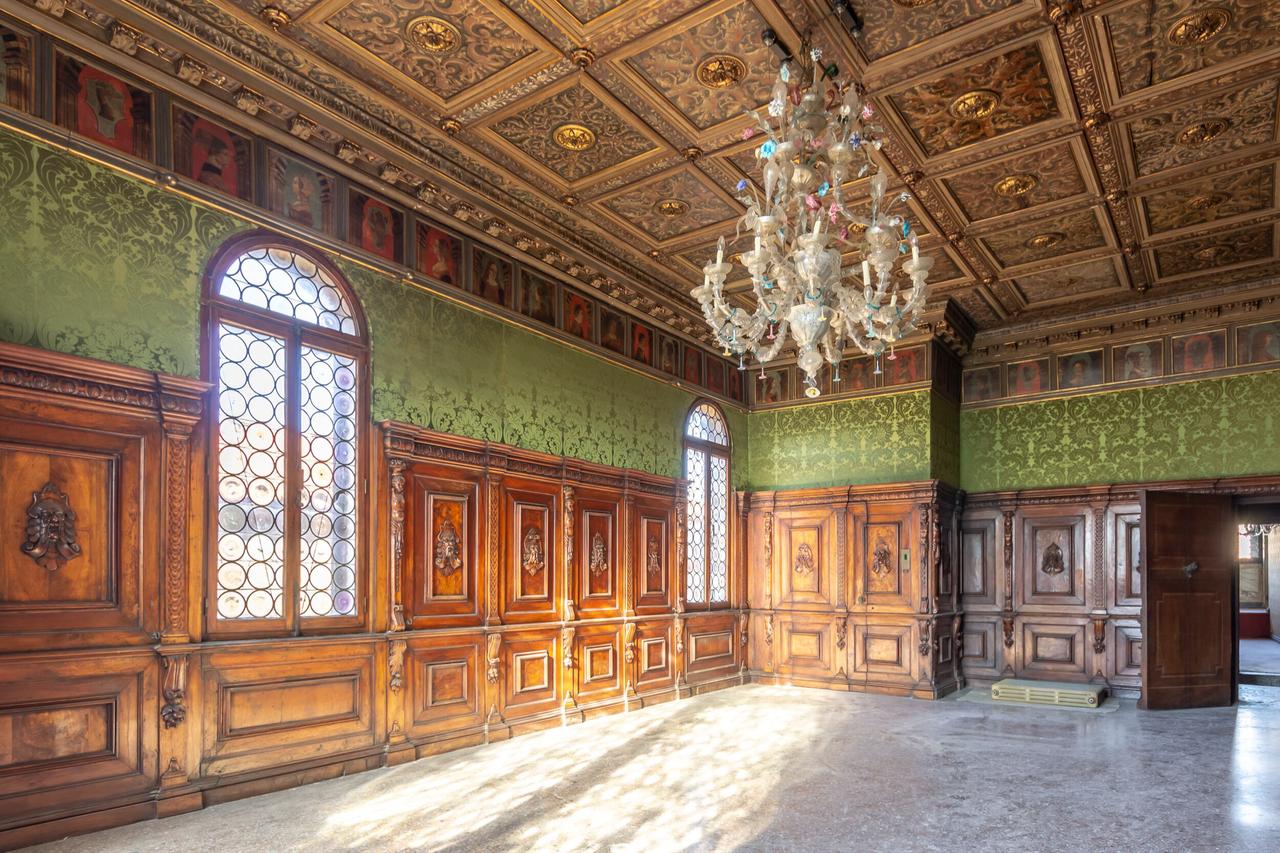
The property includes nine bedrooms, eight bathrooms, frescoed reception rooms, Murano chandeliers and a loggia terrace. Christie’s International Real Estate and Engel & Volkers handle the sale.
The asking price reportedly reaches €20 million (around $23.65 million).
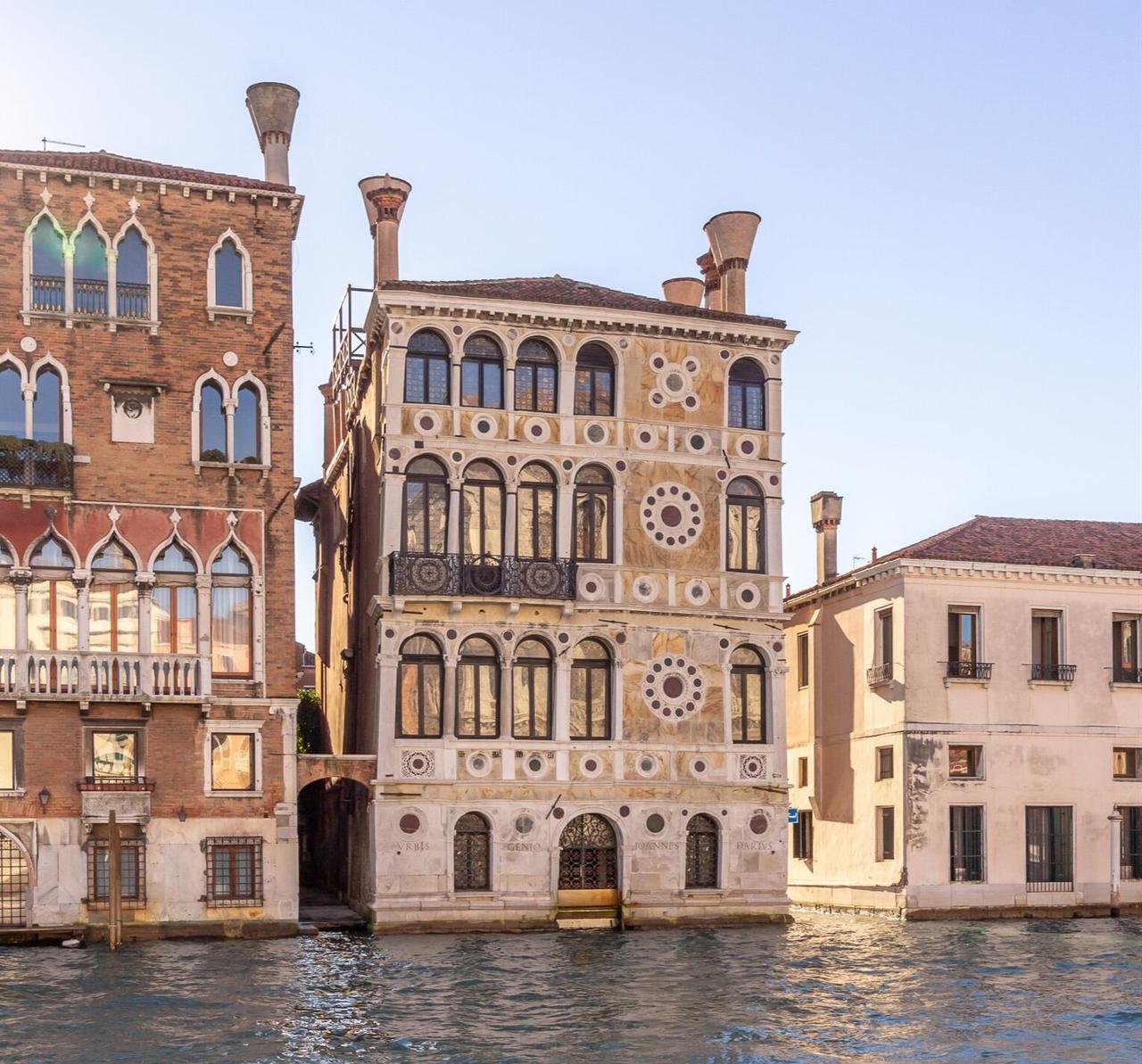

Agents describe the palace as an architectural gem in a peaceful neighborhood. Marketing materials do not mention the stories that surround the building, but they remain central to public fascination.
Ca’ Dario carries a long history tied to Venice’s diplomatic past. Giovanni Dario commissioned the palace in 1479 after returning from Constantinople with a peace treaty and trade agreements that benefited the Venetian Republic.
Ca’ Dario’s cultural significance
The palace, therefore, holds artistic and historical value alongside its legends.
Stories of misfortune attached to Ca’ Dario stretch across centuries, with at least seven deaths linked to owners or guests in modern times.
In 1970, Count Filippo Giordano delle Lanze was murdered inside the palace by his boyfriend.
The boyfriend later fled to London and was himself killed. The following year, Christopher “Kit” Lambert, manager of The Who, purchased the property. He told friends he slept elsewhere to avoid the ghosts. He later faced financial collapse and died in London in 1981 after falling down stairs.
In the late 1980s, financier Raul Gardini bought the palace. He became involved in a major corruption scandal and died by suicide in Milan in 1993. John Entwistle, bassist of The Who, rented Ca’ Dario in 2002. He died in the United States a week after returning from Venice.
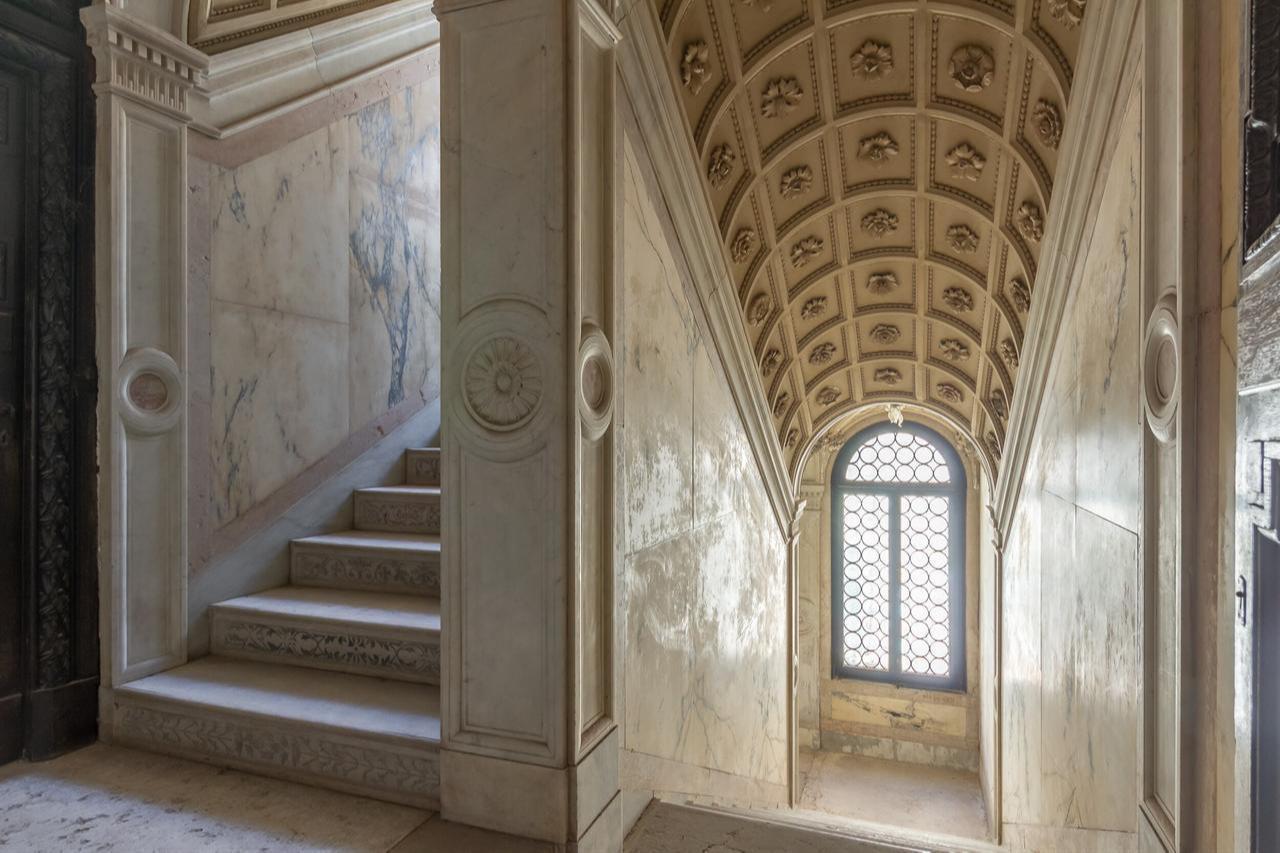
Several earlier owners experienced bankruptcy or violent deaths after acquiring the property, as reported by Visit Venezia. Local folklore says even prospective buyers suffered accidents before completing purchases.
Venetian storytellers later reinterpreted the façade inscription “JOANNES DARIVS GENIO” as an anagram. They claimed it could be rearranged to read “SVB RVINA INSIDIOSA GENERO,” which they translated as “I create under an insidious ruin.”
Locals connected this wordplay to the misfortunes that followed later owners.
These tales fed the image of a malign presence attached to the building.
Historians in Venice describe these stories as exaggerations built from real events. Davide Busato told The Guardian that Venetians enjoy amplifying dramatic history. He compared Ca’ Dario to other Venetian sites where tragedies occurred but now operate as luxury hotels.
Arnaldo Fusello of Christie’s said many residents lived long lives in the palace, including Giovanni Dario, who died naturally at around 80.
He added that local gondoliers still repeat the legend to tourists.
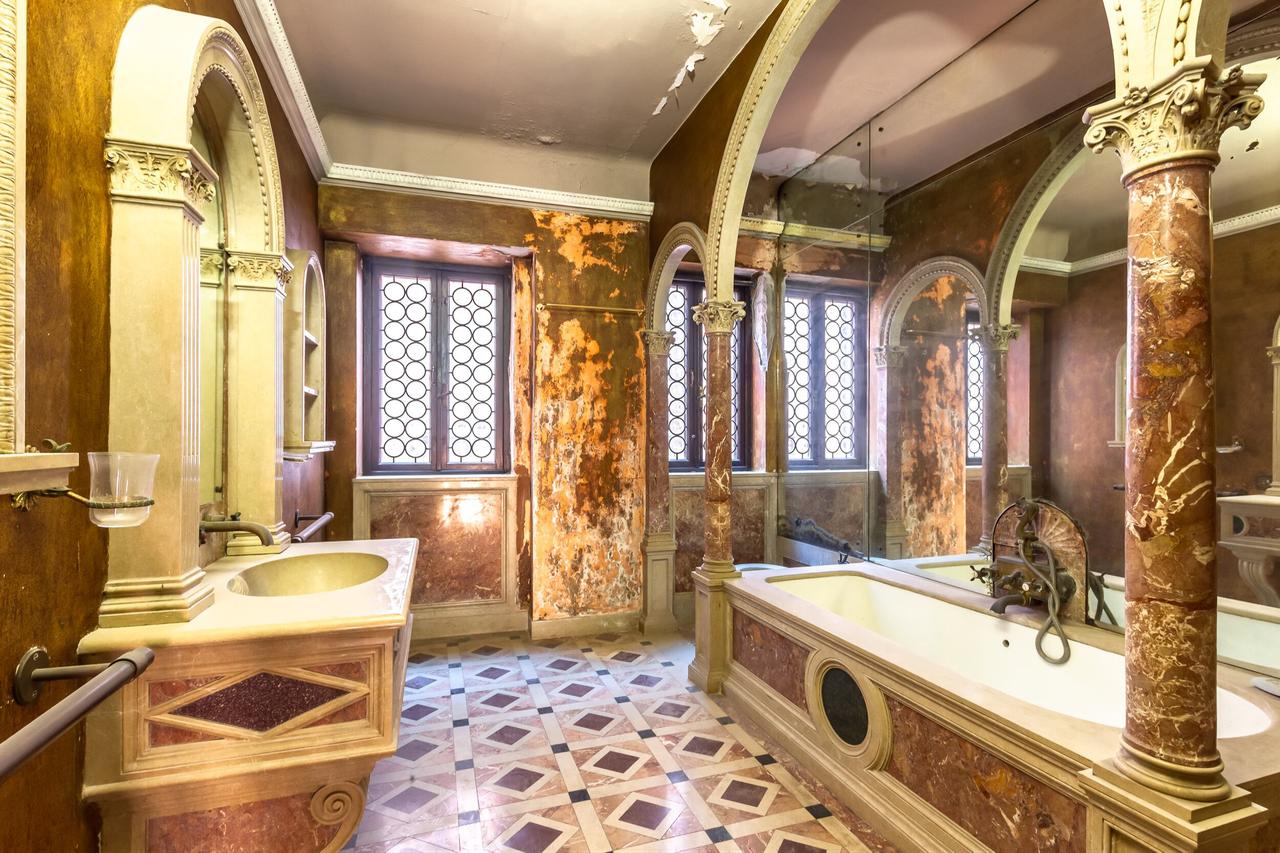
The palace stood mostly empty for years after 2006, when an American firm purchased it on behalf of an undisclosed owner.
Visit Venezia reports that restoration projects took place during this period. Giorgio Pes, an Italian designer known for work on the film The Leopard, contributed to interior refurbishment in the 1970s. More recent renovations now allow estate agents to present the property as ready for occupation.
Christie’s representatives told The Guardian that Ca’ Dario has already attracted interest from Italian and foreign buyers.
Arnaldo Fusello, a general manager at Christie’s in Venice, said, “This is a place where history lives. And if you want to live history, then this is the perfect home, although it’s important that whoever buys it dedicates themselves to keeping this property alive.”
Despite restoration, superstition still shapes public perception. Some Venetians avoid even passing by the palace, while others claim they feel uneasy when viewing it. These accounts persist even as agents seek to move the property into a new chapter.
Thus, Ca’ Dario remains both a prestigious Grand Canal residence and a vessel for one of Venice’s most enduring legends.


 Set as preferred source
 Set as preferred source



 3 min read