

 Newsletters


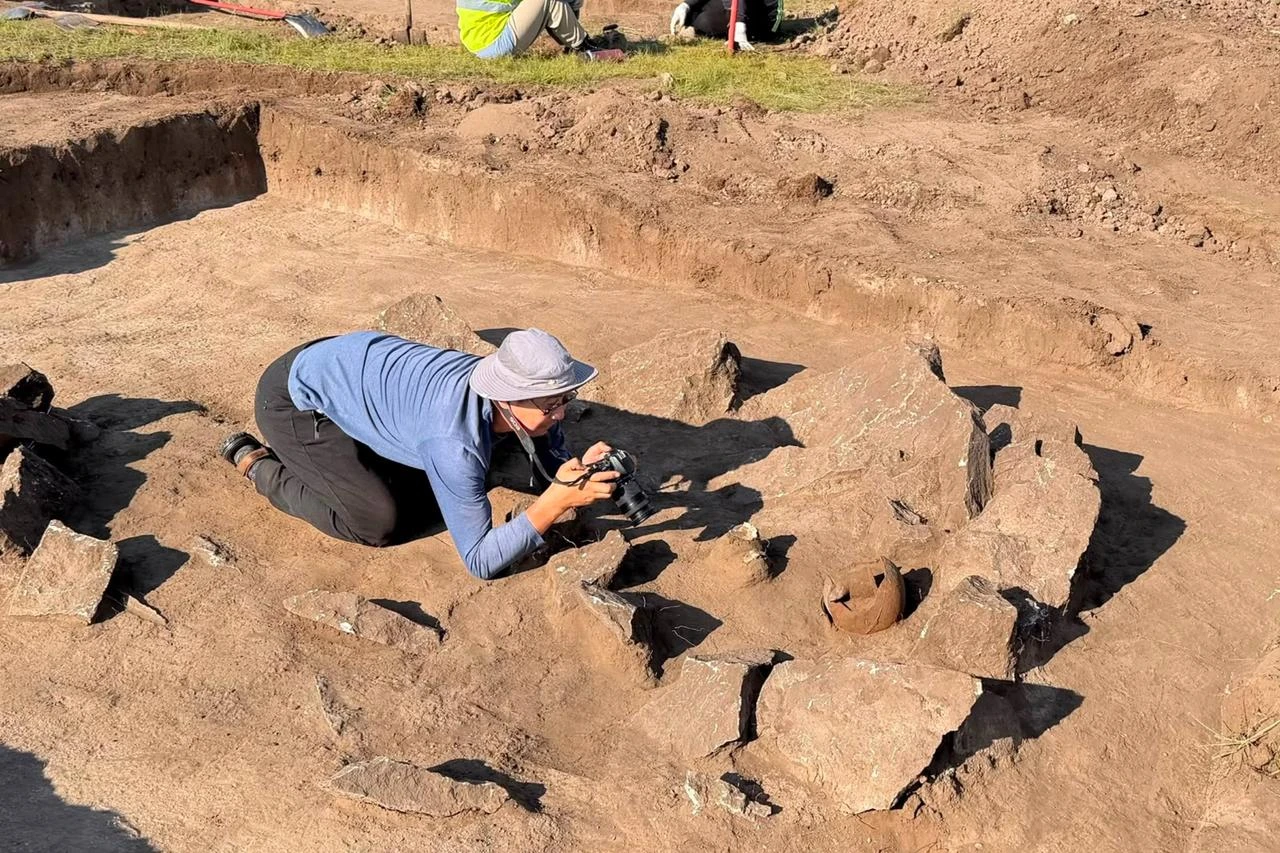


A largely intact female skeleton has been uncovered in a major Hun-era burial mound in eastern Mongolia, allowing researchers to closely examine the woman's burial position and the arrangement of the grave.
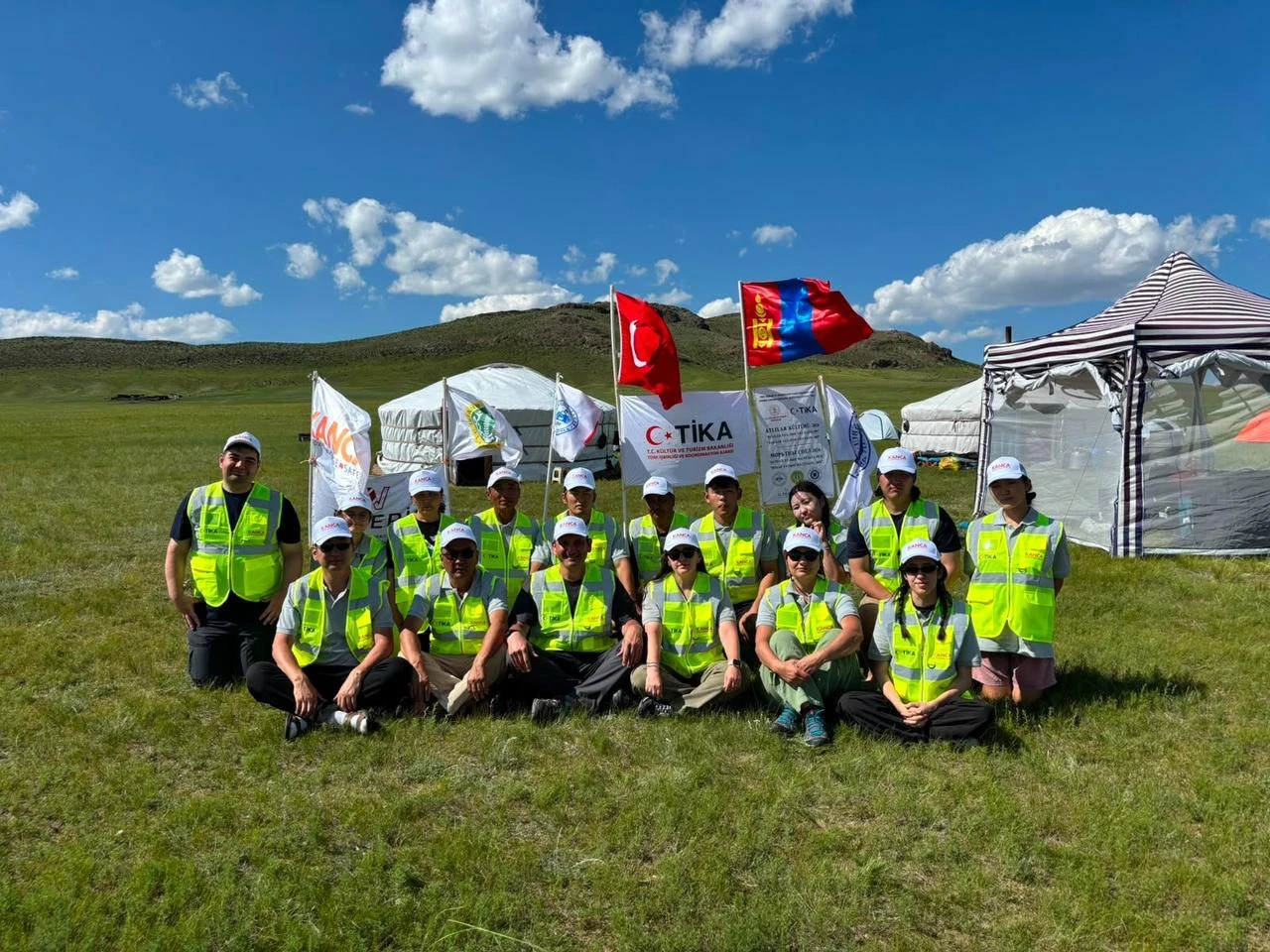
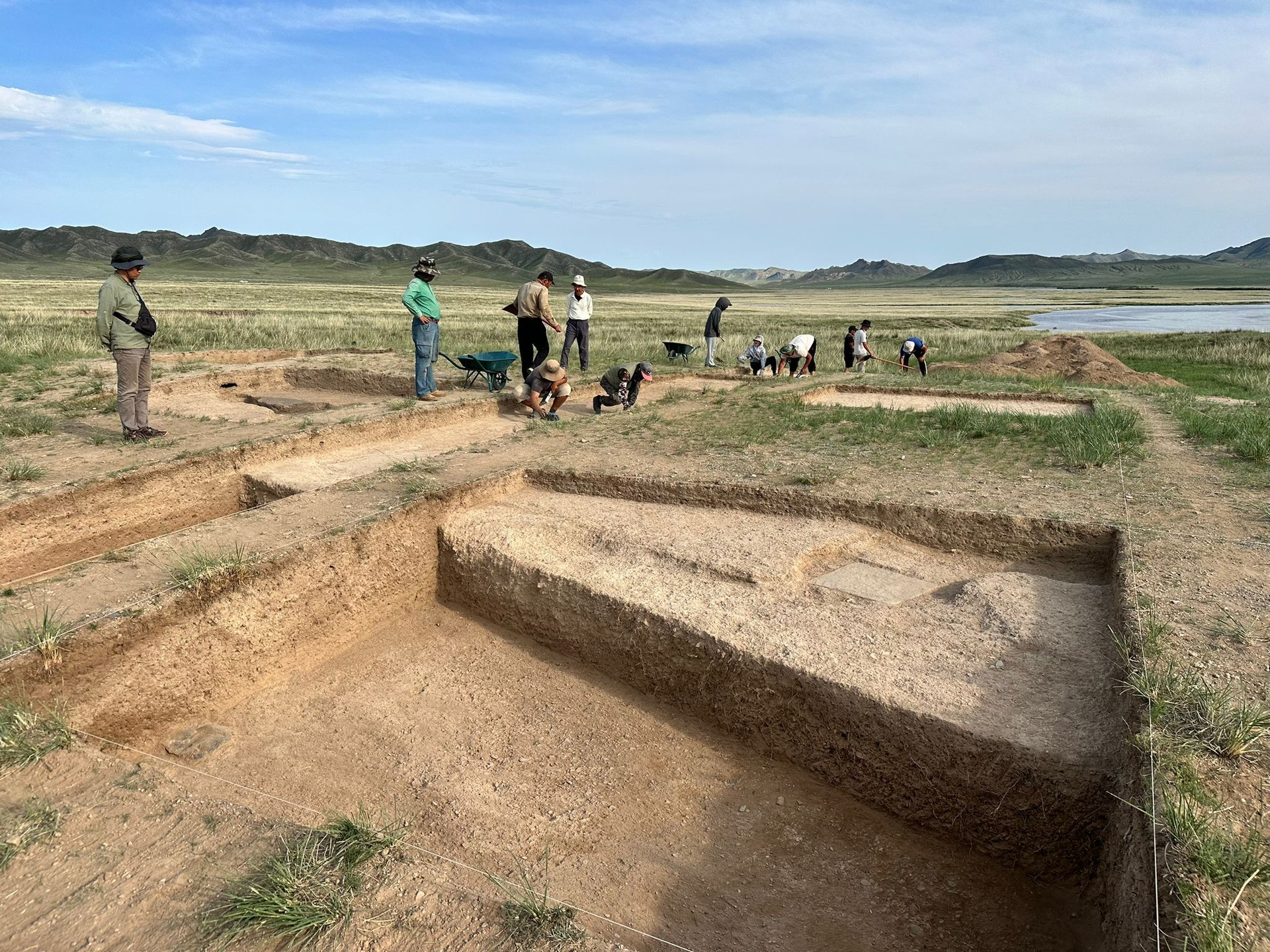
The discovery was made during excavations carried out under the "Horsemen Culture-2026" project at Hun burial sites in Mongolia's Khentii province, according to a statement from Istanbul University's Center for Mongolian Studies.
Researchers also brought to light chariot components, remains of painted and patterned coffins, bronze and ceramic vessels, and evidence pointing to different burial practices across the sites.
The project, supported by the Turkish Cooperation and Coordination Agency (TIKA) was carried out jointly by Istanbul University's Center for Mongolian Studies, Istanbul Aydin University's Department of History and the Institute of Nomadic Civilizations at the National University of Mongolia.
The teams completed about a month of excavation and research at Hun kurgans in the Bulgan Uul and Yazaar Uul mountains. A kurgan is a burial mound built over a grave, a form of funerary structure found across parts of the Eurasian steppe.
The graves examined during the project date from between the second century B.C. and the second century A.D.
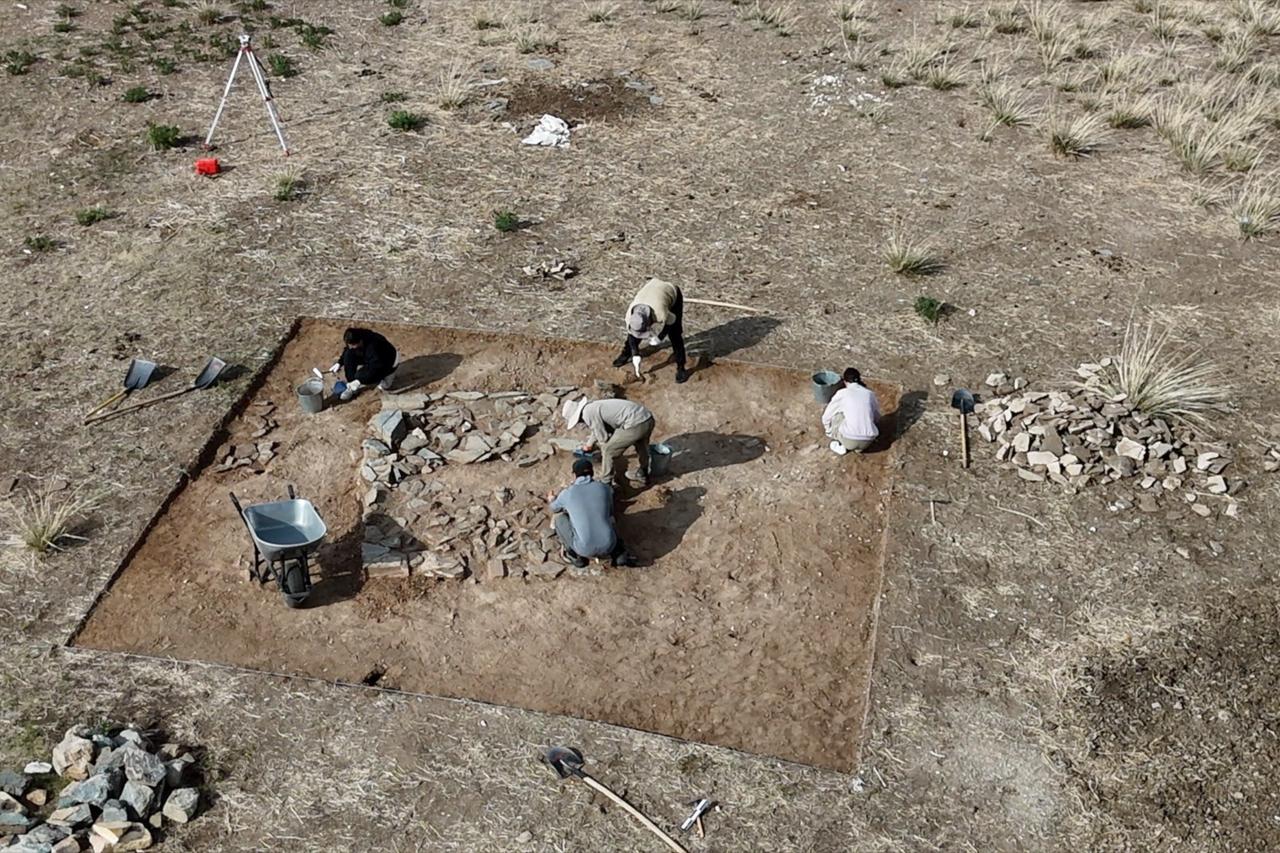
One of the excavation season's most significant findings came from a large Hun kurgan at Bulgan Uul, where archaeologists uncovered the female skeleton with much of its anatomical integrity preserved.
Its condition made it possible for researchers to examine the burial position and the internal arrangement of the grave in greater detail.
The same large-scale tomb also yielded chariot parts, remains of a decorated and painted coffin, a fragment associated with women's clothing, and bronze and ceramic vessels.
According to the researchers, the architecture of the tomb and the groups of objects found inside provided evidence suggesting that the burial may have belonged to an individual from an elite section of Hun society.
Excavations at Yazaar Uul, meanwhile, brought out evidence showing that Hun-era funerary practices could take different forms.
One kurgan contained an offering cauldron whose characteristics differed from known Hun examples. Further research is expected to determine its function, date and place within burial rituals of the period.
In another grave, researchers found the skull of a second person alongside the buried individual, while a separate kurgan contained a burial accompanied by a horse.
Human remains found in some other graves also raised the possibility that fragmented burial practices were carried out, adding further evidence of variation in funerary customs.

Initial examinations of human remains also identified bone changes in some individuals that researchers believe could be linked to movements involved in drawing a bow and riding horses.
The researchers said traces left on bones by repeated physical activity could provide important evidence about the place of archery and horse riding in everyday Hun life.
More detailed anthropological analyses are planned to build up a clearer picture of the physical activities these individuals carried out during their lifetimes.
Hun-era graves are known across a wide region stretching through Mongolia, northern China and southern Siberia.
Mongolia remains one of the main areas for Hun archaeology because of major cemeteries around the Khangai Mountains, which are thought to have been close to the Hun political center.
Research into Hun burials across the broad steppe areas of eastern Mongolia, however, has remained more limited than work in the country's central and northern regions.
For that reason, researchers expect the graves at Yazaar Uul and Bulgan Uul to help shed further light on Hun communities in eastern Mongolia and allow their burial traditions to be compared with those documented elsewhere in the country.
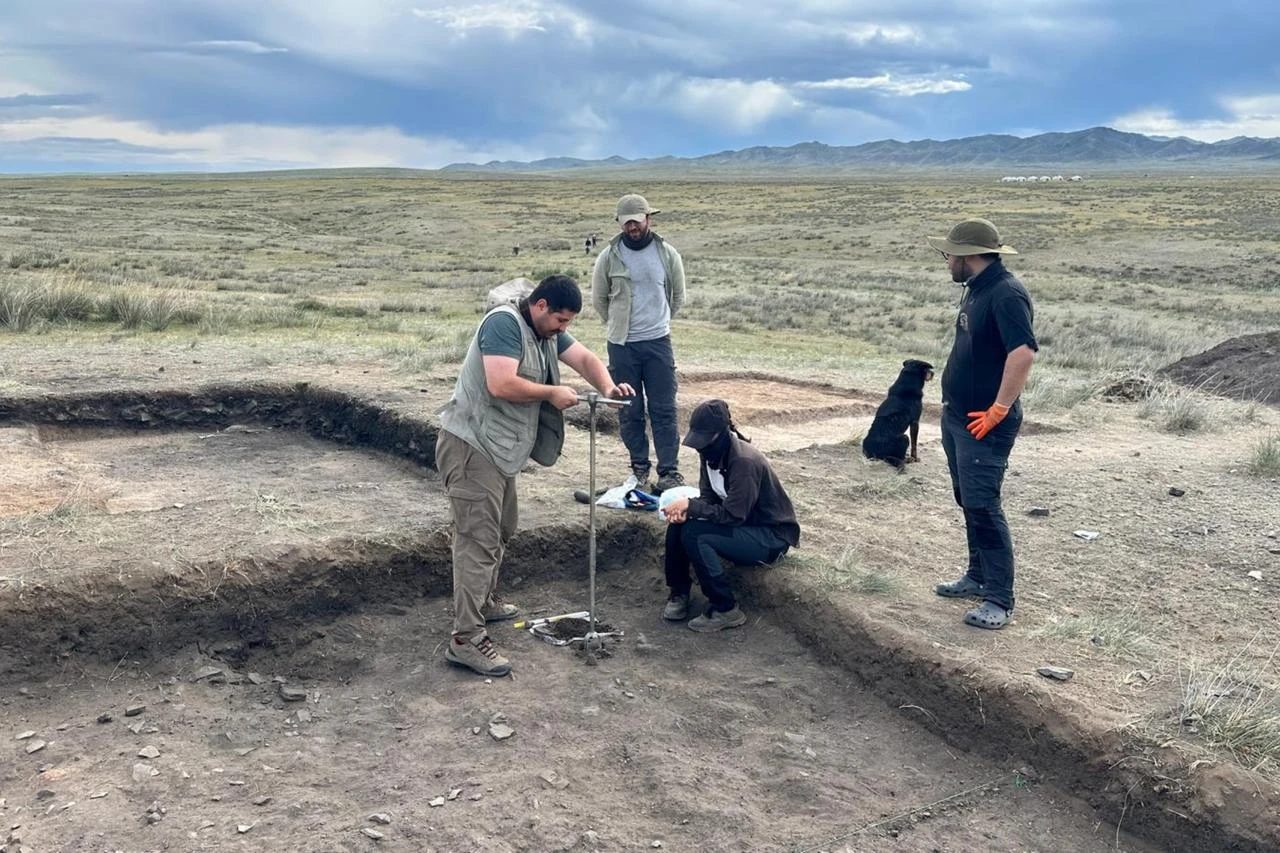
During the excavations, researchers documented the architecture of the graves and the positions of finds through drone imaging, photogrammetry, three-dimensional modeling and architectural drawing.
Artifacts recovered during the season were transferred to the Khentii Provincial Museum for conservation and further examination after preliminary inventory work was completed in the field.
Human and animal remains were sent to the Institute of Nomadic Civilizations at the National University of Mongolia for anthropological and zooarchaeological study.
The next stage of the project is expected to include radiocarbon dating, ancient DNA testing, isotope studies and other laboratory analyses.
Researchers aim to use these methods to establish a more precise chronology for the graves while also examining the biological characteristics, possible family relationships, diets and mobility of the individuals buried there.


 Set as preferred source
 Set as preferred source


 2 min read
 1 min read


