Newsletters




The 42nd Warsaw International Film Festival announced its winners at an awards ceremony on Saturday night, with the festival concluding on Sunday, The Hollywood Reporter reported.
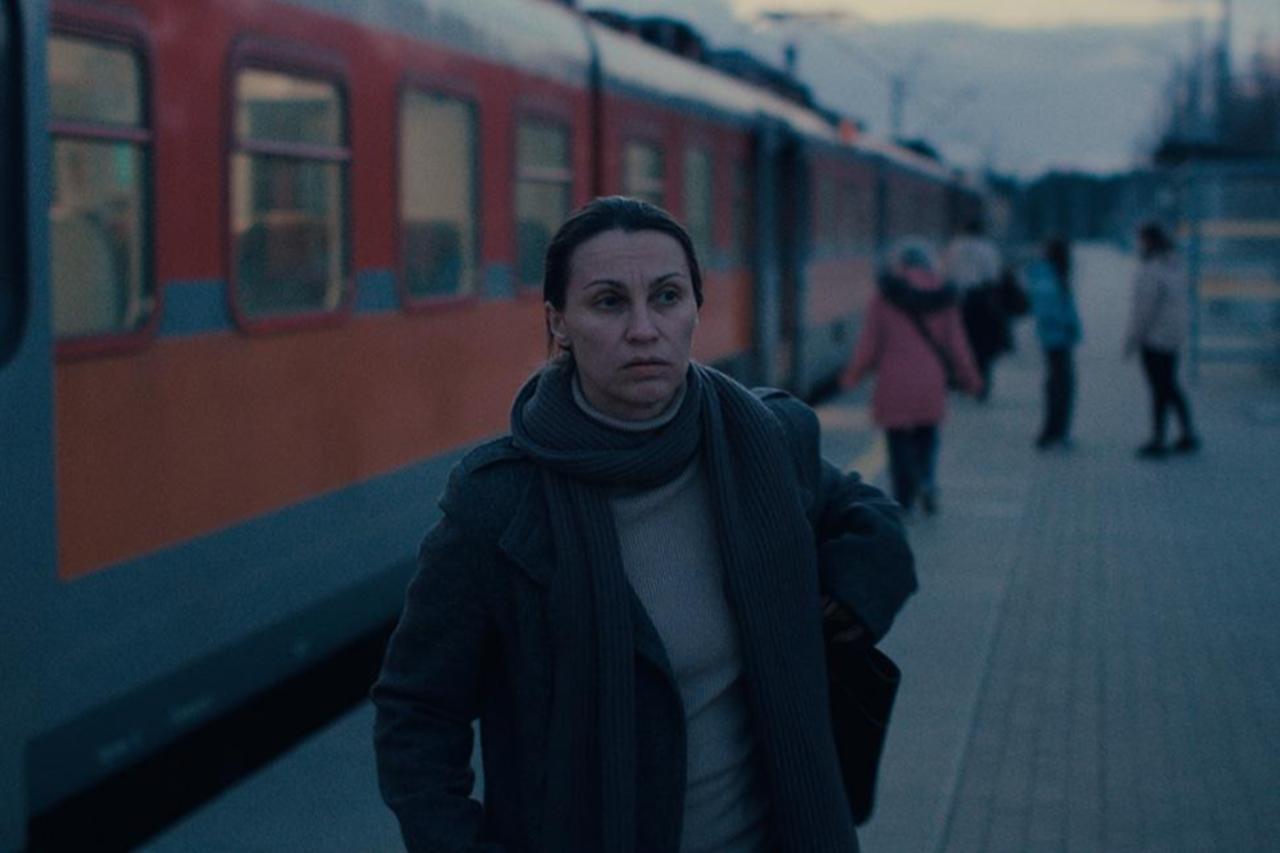
Grzegorz Debowski’s “What Belongs to Others” won the Warsaw Grand Prix in the international competition. The film follows a Polish burglar who assumes the identity of a dead stranger’s girlfriend, with unexpected results.
The jury said it selected the film for its precise, delicate storytelling; its performances; and its judgment-free portrait of a flawed woman who changes as she takes on a stranger’s identity and finds the possibility of her own.


Chinese filmmaker Cai Chengjie won Best Director for “Suzhou Quartet”. The film follows four people who meet by chance in a small noodle shop and discover they are long-lost acquaintances. The jury cited the original concept, the cinematography, and the experimentation with narrative form, describing the film as a meditation on life and mortality.
Maria Debska received a special jury award for her performance in “Through the Wall," directed by Maciej Sobieszczanski. The film is about two young political prisoners who fall in love during the Stalinist terror in Poland. The jury said the actress portrayed a complex character with precision and emotional truth, without exaggeration.
The jury also gave a special mention to “Bloody Men," directed by Jens Sjogren. The jury said the film depicts the chaos caused by domestic violence and the challenges facing children raised by a single parent whose personal difficulties and decisions repeatedly put the family’s safety at risk.

The main award in the Competition 1-2 program, which is dedicated to directors’ first and second fiction features, went to Lorin Terezi’s “Agia”. The jury said, “it is rare for a fiction feature debut to feel so complete." It noted that the structure recalls a Greek tragedy and offers a view of a disappearing world.
The film centers on a young woman who rebels against patriarchal tradition, in which family honor is valued above life, and who wants to make her own decisions.
The same program also gave a special mention to Ursa Menart’s “Everything That’s Wrong With You”. The jury described it as a portrait of a young woman trying to find an honest human connection in a world of emotional uncertainty and white lies.
In the documentary competition, Jonas Spertusbach’s “Meanwhile in Namibia” won. The film examines how the German government offers development cooperation programs to Namibia instead of paying reparations for its occupation of the country in the late 19th and early 20th centuries.
The jury said the director frames reality with precision and addresses moral complexity without simple judgments, leaving viewers to construct their own meaning. Maria Molina Peiro’s “Like Any Other Mortal” received a special mention in the documentary program.
Elisabeth Werchosin’s “Meteorit” won both the Short Grand Prix and the Best Live-Action Short Film Award. Linda Olte’s “The Child” won the Ecumenical Jury Award. The FIPRESCI Award went to “Through the Wall”, the same film for which Debska received the special jury award. Keisuke Yoshida’s “Mentor” won the NETPAC Award.


 Set as preferred source
 Set as preferred source


 2 min read