Newsletters


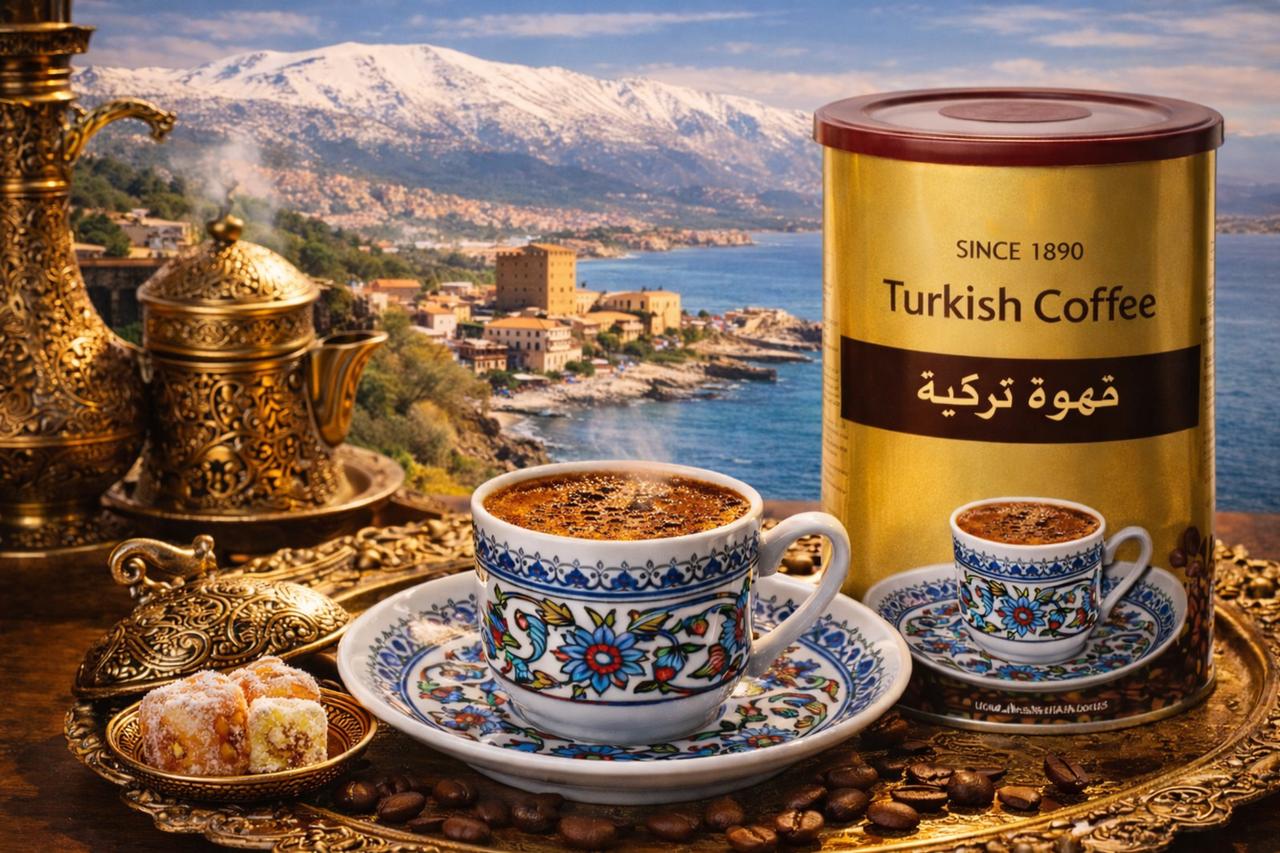


Lebanon’s Syndicate of Owners of Restaurants urged tourism establishments, restaurants and cafes to adopt the term “Lebanese coffee” instead of “Turkish coffee” on menus and in promotional materials and to use the term in customer interactions.
The call drew mixed reactions online, with supporters praising the drink’s distinctiveness and others disputing its origins.
According to the call, the change would apply to food and beverage menus, promotional and advertising materials, as well as the way customers are addressed inside establishments.
The move aims at establishing a specific name for the coffee served in Lebanon.
Many social media users praised the step, saying Lebanese coffee is “unique” for its distinctive taste, the quality of its roasted beans, and its method of preparation and serving, factors that have earned it global recognition.
Others, however, argued that the origins of the coffee served in Lebanon, Syria and Palestine are Turkish.
For his part, Antoine Al-Rami, head of Lebanon’s Syndicate of Restaurant and Nightclub Owners, said, speaking to Al Arabiya, that coffee has become part of Lebanon’s heritage, and it is served in restaurants and Lebanese homes as purely Lebanese coffee.
“We are open to all countries of the world, but calling it Lebanese coffee is appropriate,” he added.
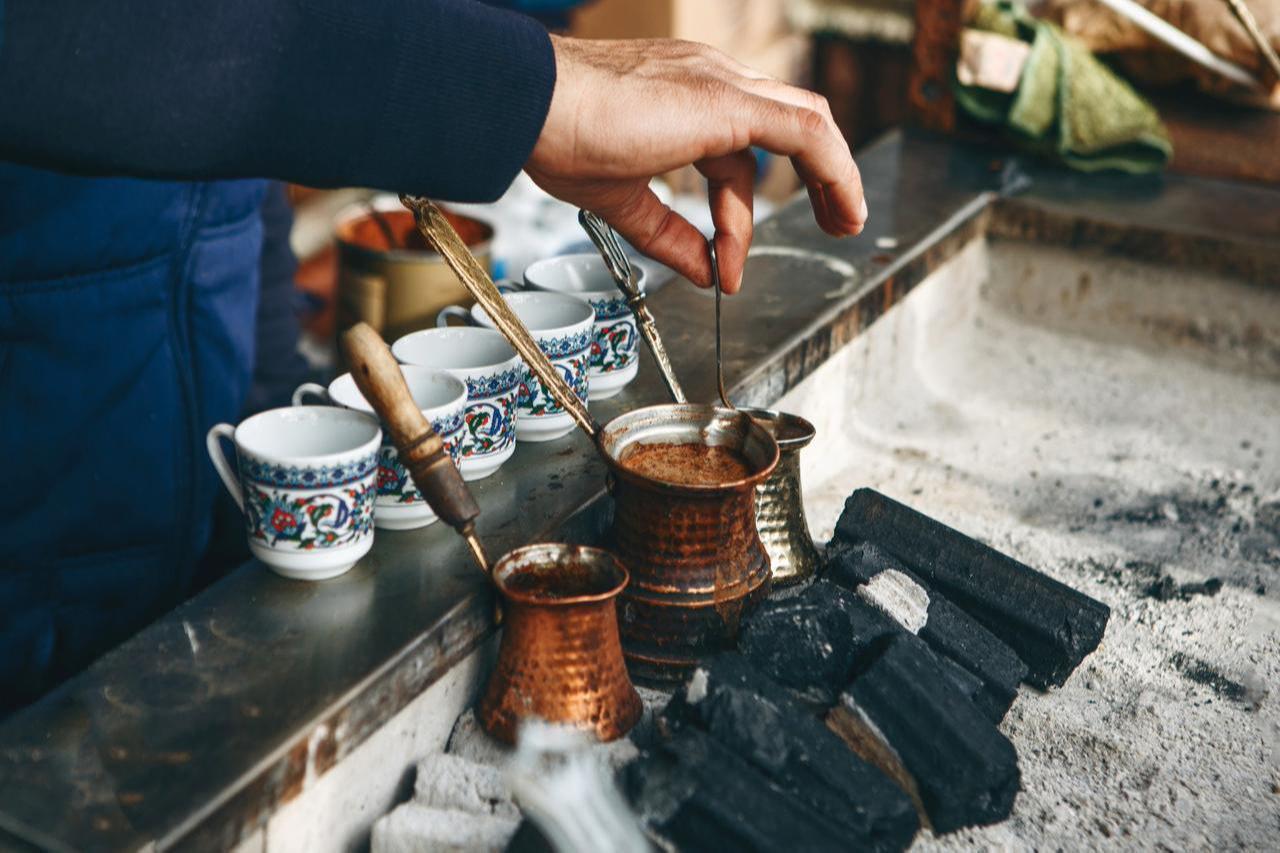

“Several Lebanese companies import coffee, then roast the beans and offer them to consumers the Lebanese way,” Al-Rami explained.
He added that companies brewed in a copper pot made in Tripoli in the north of the country and served in a Lebanese cup.
He noted that the goal of the decision is to “give Lebanese coffee its due,” likening it to what Italians did with their own espresso.
Professor Dr. Khaled Tadmuri, a heritage specialist and professor of arts and architecture at the Faculty of Fine Arts at the Lebanese University, said that Lebanese coffee “is originally Turkish.”
However, over time and through commercial development, Lebanese people were able to create their own distinctive coffee, “combining flavors imported from several countries.”
He added that Lebanon was part of the Ottoman Empire, and by the end of the 19th century, Beirut became a provincial center for the first time, which contributed to the spread of Turkish coffee there.

Tadmuri noted that this period saw the rise of famous cafes such as “Cafe Al-Qazzaz” in Al-Hamidiyah Square, now Martyrs’ Square, in central Beirut, and “Cafe Al-Tall” in Tripoli in the north, which still exists today, before the cafe culture expanded further.
He argued that the taste of Lebanese coffee is essentially the same as Turkish coffee.
Lebanon originally imported coffee from Yemen, but later broadened its imports to include distant countries such as Africa and Latin America, eventually preparing it according to local preferences.
He also referred to the Ottoman palaces, where a “kahveci usta” (master coffee maker) was assisted by two helpers who ground Arabica beans into a fine powder and boiled it in special copper pots.
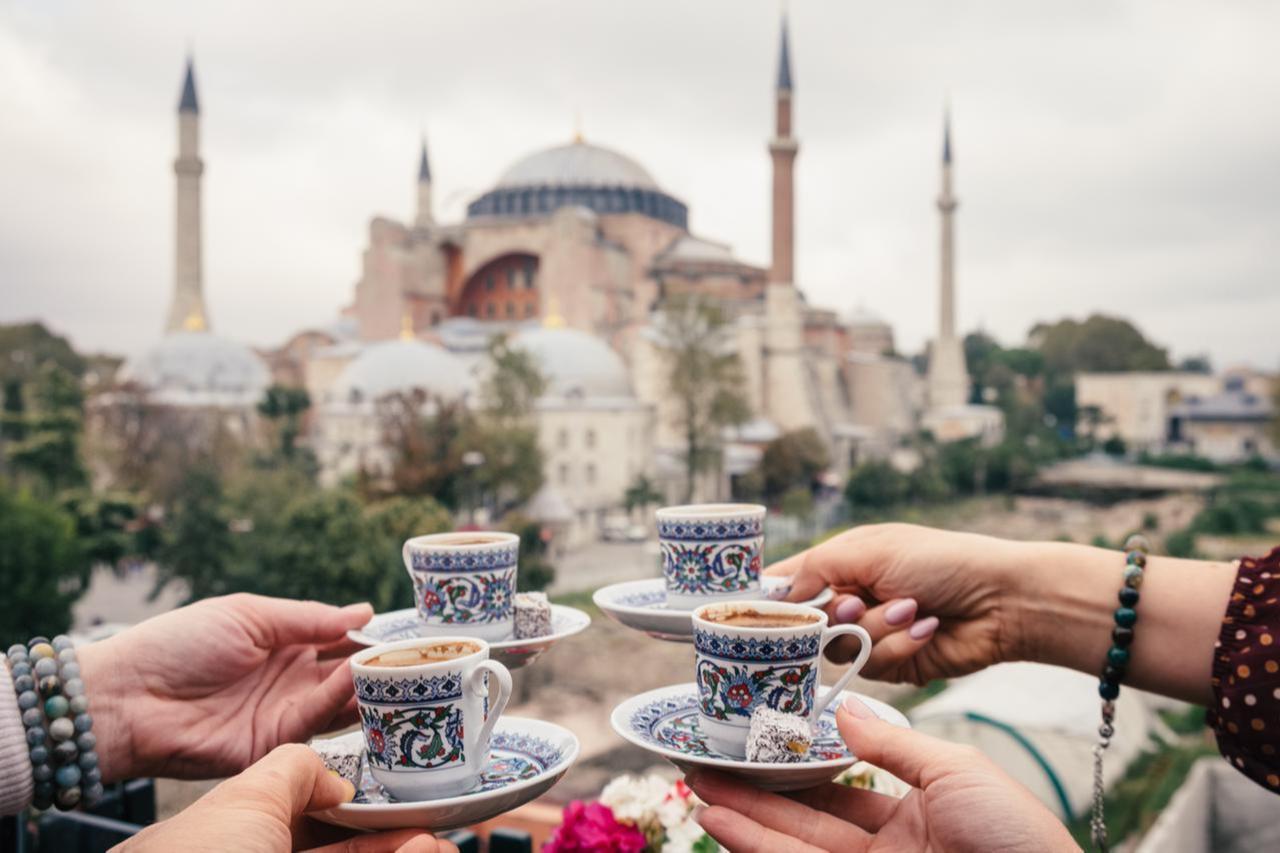
The coffee was then poured into small ceramic cups and served with water and Turkish delight.
He added that cafes spread rapidly in Istanbul and from there to other Ottoman cities, including Arab countries.
Tadmuri explained that historical sources indicate that by the late 16th century, Istanbul had nearly 600 cafes, and around 2,500 by the end of the 19th century.
Over those years, cafes evolved into social, cultural and intellectual centers, not merely places to drink coffee, but meeting points for writers, poets and even merchants.
By the second half of the 19th century, a new type of visitor began frequenting cafes, as intellectuals turned them into spaces for debate and for reading newspapers, magazines and books.
This led to the term “qira’a khaneh,” meaning “reading house.”
Coffee holds a special place in Lebanon, served at most occasions, both in times of celebration and mourning.
Nevertheless, the origins of coffee culture trace back to Türkiye, where the first coffeehouse in Istanbul opened in the mid-16th century, in 1554, during the reign of Sultan Suleiman the Magnificent, in the Tahtakale district.
Established by two merchants from Damascus (some accounts say they were Yemeni), the cafe served coffee, sweet drinks and desserts.
It is also worth noting that UNESCO inscribed Turkish coffee and its culture on the Representative List of Intangible Cultural Heritage of Humanity on Dec. 5, 2013.


 Set as preferred source
 Set as preferred source


 1 min read
 1 min read