

 Newsletters


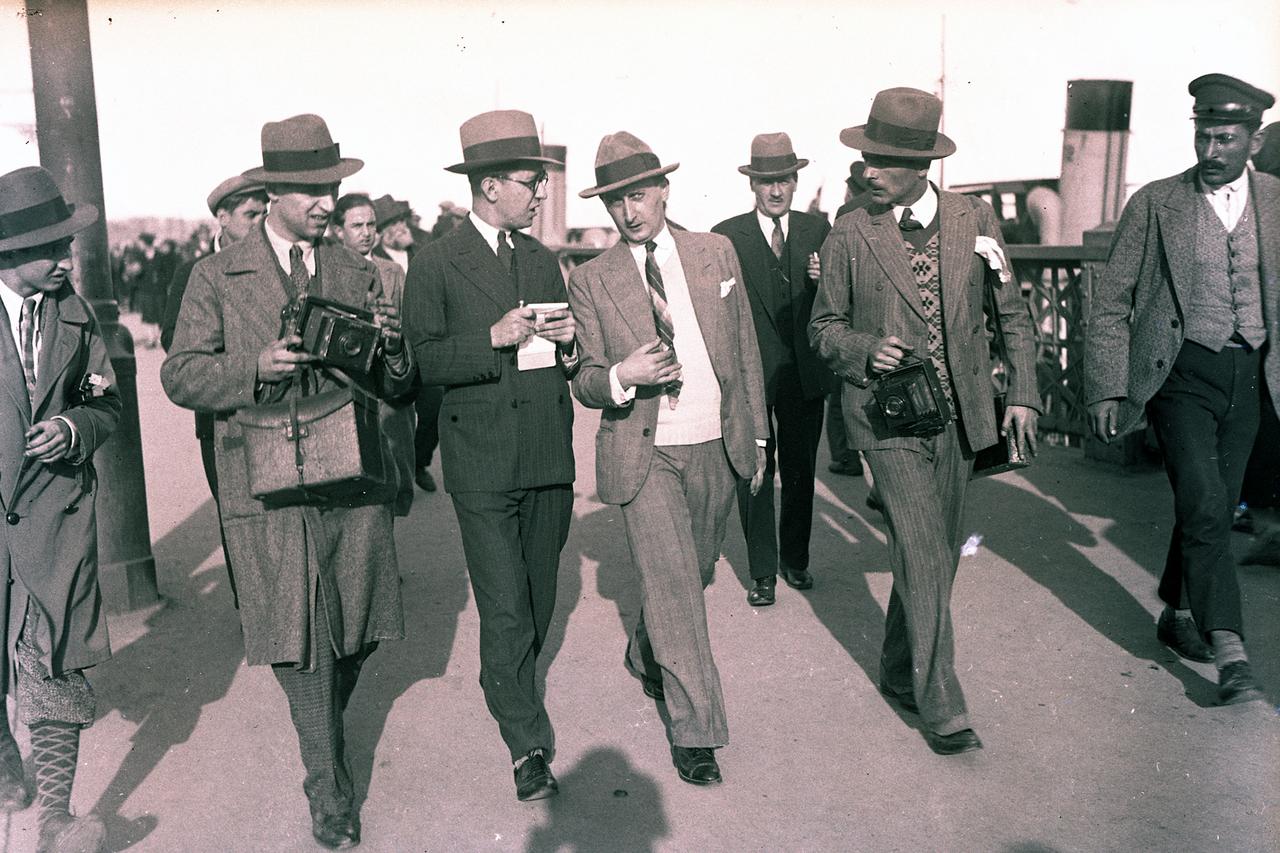


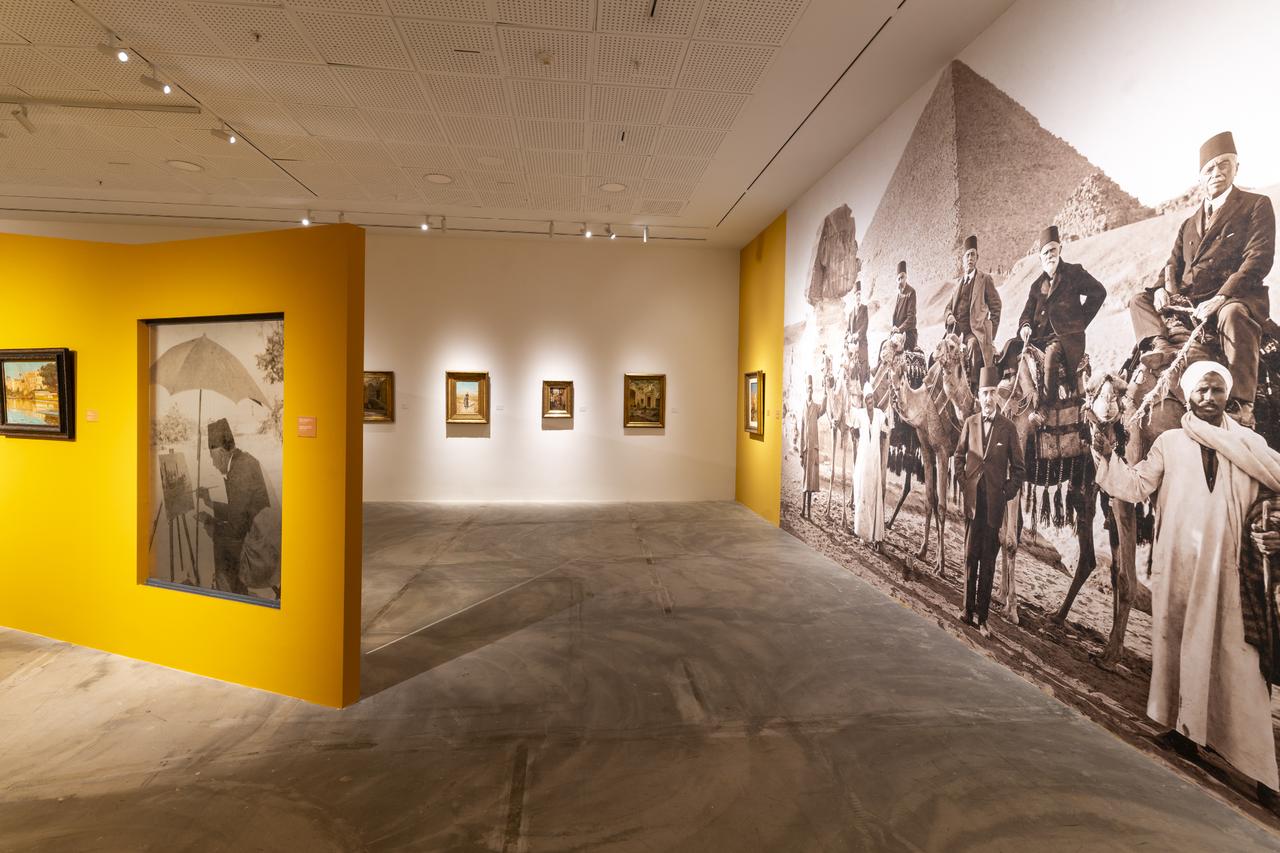
Pera Museum will open "The Republic Behind the Scenes" on Sept. 29, bringing together rarely seen press photographs that capture everyday life, political events and the workings of photojournalism in Istanbul from the 1920s to the early 1950s.
Organized by the Istanbul Research Institute (IAE) to mark its 20th anniversary, the exhibition draws on a vast press photography archive held by the Suna and Inan Kirac Foundation Photography Collection.
Curated by Idil Cetin and Ahmet Ersoy, the exhibition looks beyond photographs that made it into newspapers and turns instead to unused frames, damaged negatives and images left out during the editorial process, offering a broader view of early republican Istanbul and the people who moved through it.
The exhibition will run at Pera Museum from Sept. 29, 2026, through March 28, 2027.
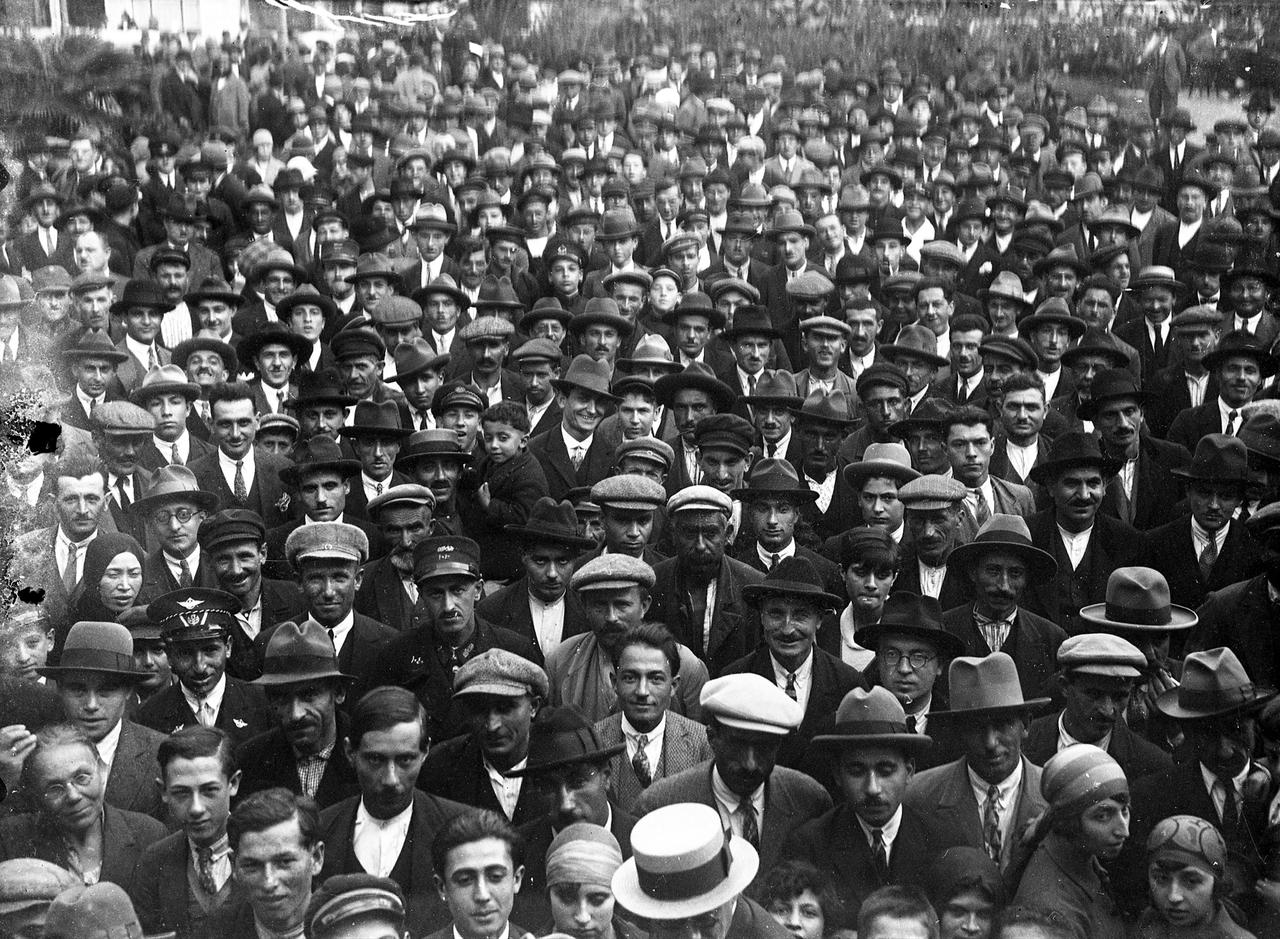

At the center of the exhibition is the Press Photography Archive, which contains more than 90,000 negatives dating roughly from the 1910s to the 1970s, with most of the photographs taken in Istanbul.
Rather than focusing only on images selected for publication, "The Republic Behind the Scenes" brings out photographs that were discarded, overlooked or considered technically unsuitable.
Sequences surrounding published photographs show what happened in the moments immediately before and after a familiar image was taken, while marks left directly on negatives through cropping, scraping and masking reveal how photographs were shaped before reaching newspaper pages.
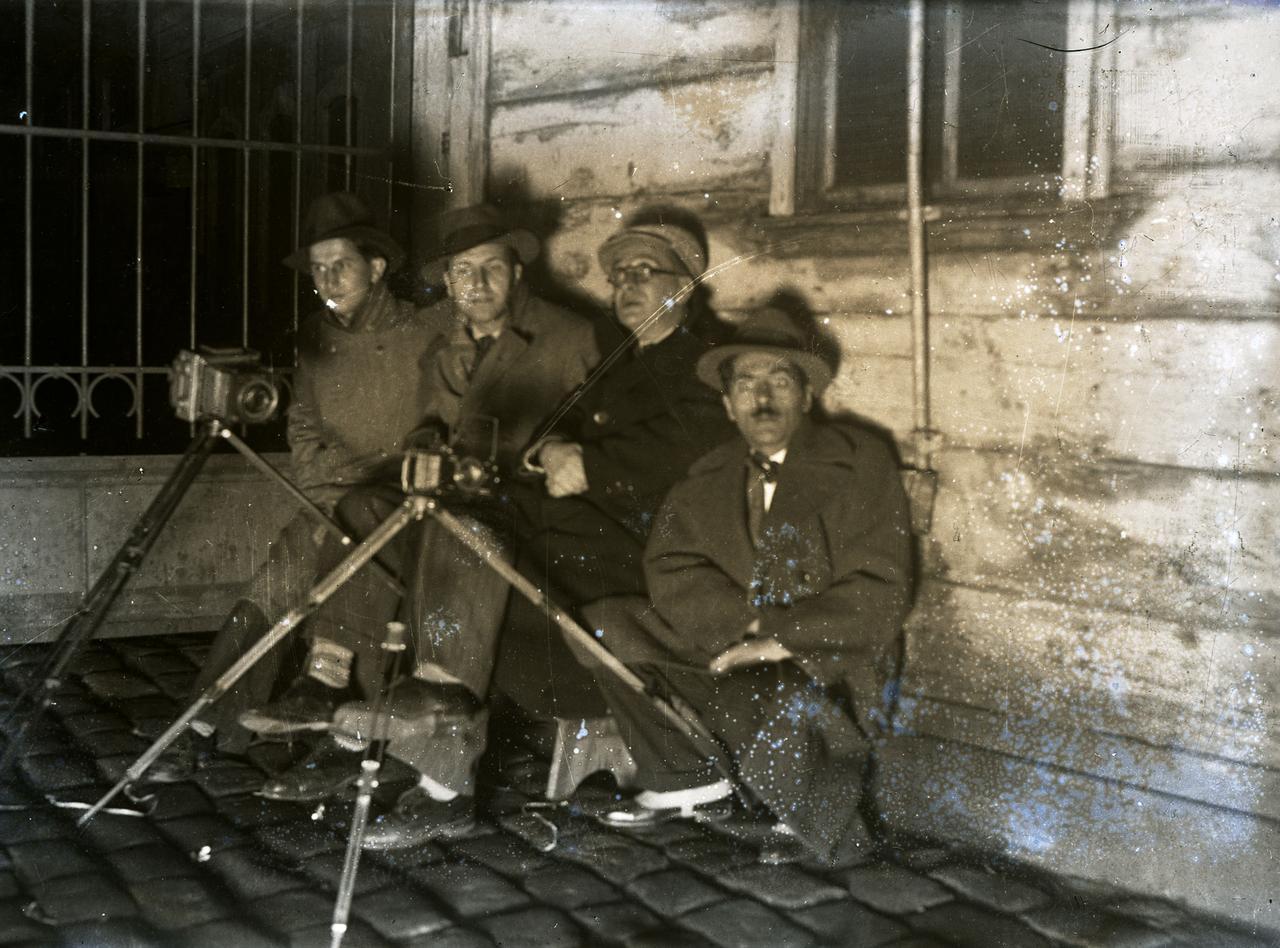
The exhibition also takes in blurred images, shifts in light, overlapping exposures and negatives bearing physical traces of age, bringing material normally excluded from conventional archives and exhibitions back into view.
Cetin and Ersoy describe the collection as particularly valuable because of its character as an "archive of refuse," made up in part of photographs that might otherwise have been thrown away.
They said the archive reflects lived reality with its aspirations, tensions, uncertainties and dead ends, while opening up perspectives that move beyond familiar forms of memory associated with Türkiye's early republican period.
The photographs build up a picture of Istanbul through neighborhood streets, crowded avenues, sports grounds, entertainment venues and workplaces.
Children playing outside, people earning a living, spectators gathering around public events, athletes and residents at leisure appear alongside people whose identities were never recorded.
The exhibition also brings forward marginalized and disadvantaged figures who were part of the social landscape but often remained outside official historical narratives.
A darker side of the period's news coverage comes through in photographs of accidents, fires, crime scenes, prisoners, injured people and those waiting in courthouse corridors.
Some images focus directly on the incident being documented, while others turn toward the crowds gathering around it, often showing people looking back at the photographer and making the presence of the press itself part of the scene.
Family gatherings, trips and groups of friends add another layer, showing how professional photography and private life could overlap within the same archive.
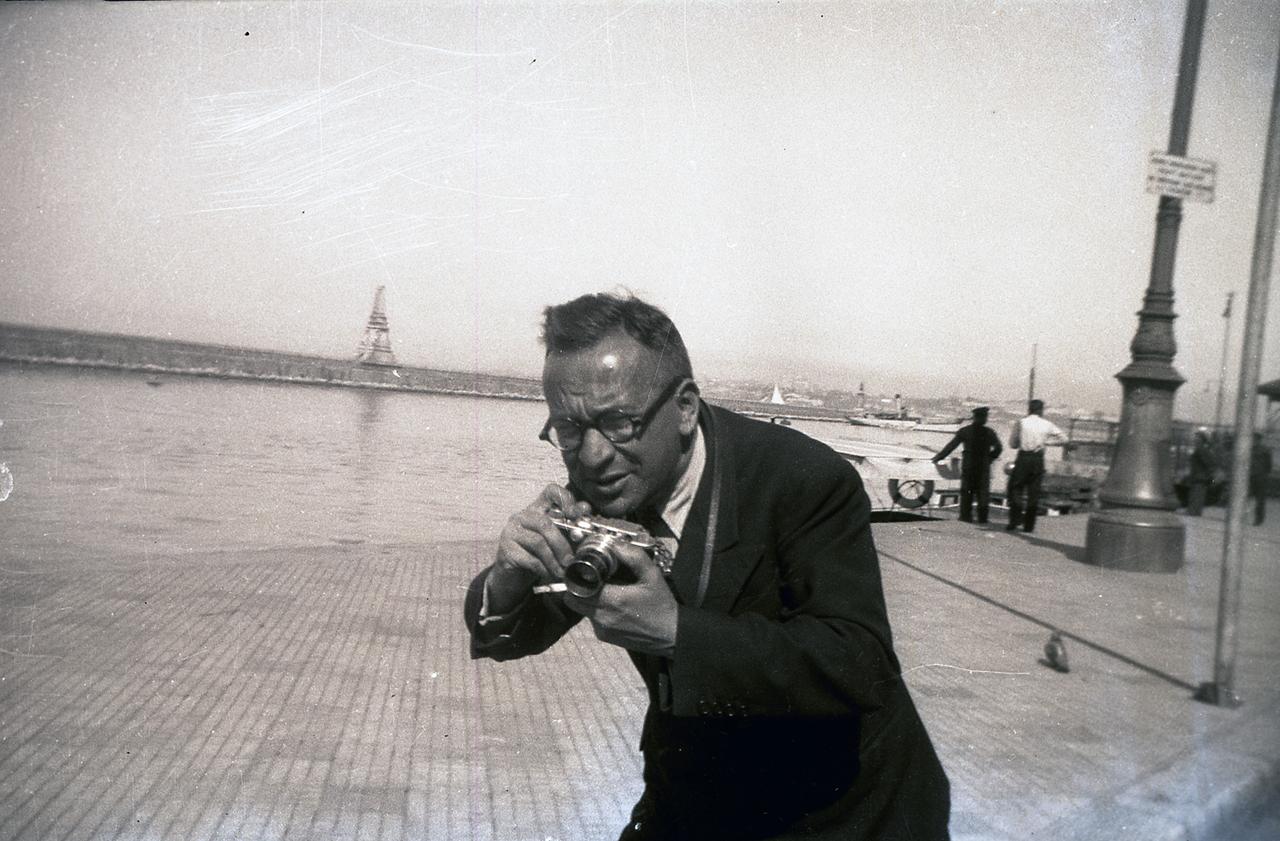
The exhibition, designed by Pattu, draws from the first section of the Press Photography Archive, which includes more than 20,000 glass and acetate negatives.
A large part of this material is believed to have been produced by journalist and photojournalist Namik Gorguc, who established the photography department of Cumhuriyet newspaper with Benli Kemal in 1924, the same year the newspaper was founded.
After Gorguc died in 1947, photographer Selahattin Giz is believed to have preserved and expanded the archive. Photographs by other figures from the period, including Cemal Goral and Faik Senol, are also represented.
Giz's decision to keep negatives regardless of their perceived quality helped make it possible for hundreds of these images to be studied together today.
The sharing of negatives among photographers and the appearance of the same photographs in different publications also point to a professional culture built around exchange and collaboration during the development of press photography in Türkiye.
The Suna and Inan Kirac Foundation acquired the archive in 2011. Conservation, protective storage and digitization were completed in 2013, while cataloging continues as new information about the people, places and events shown in the photographs comes to light.
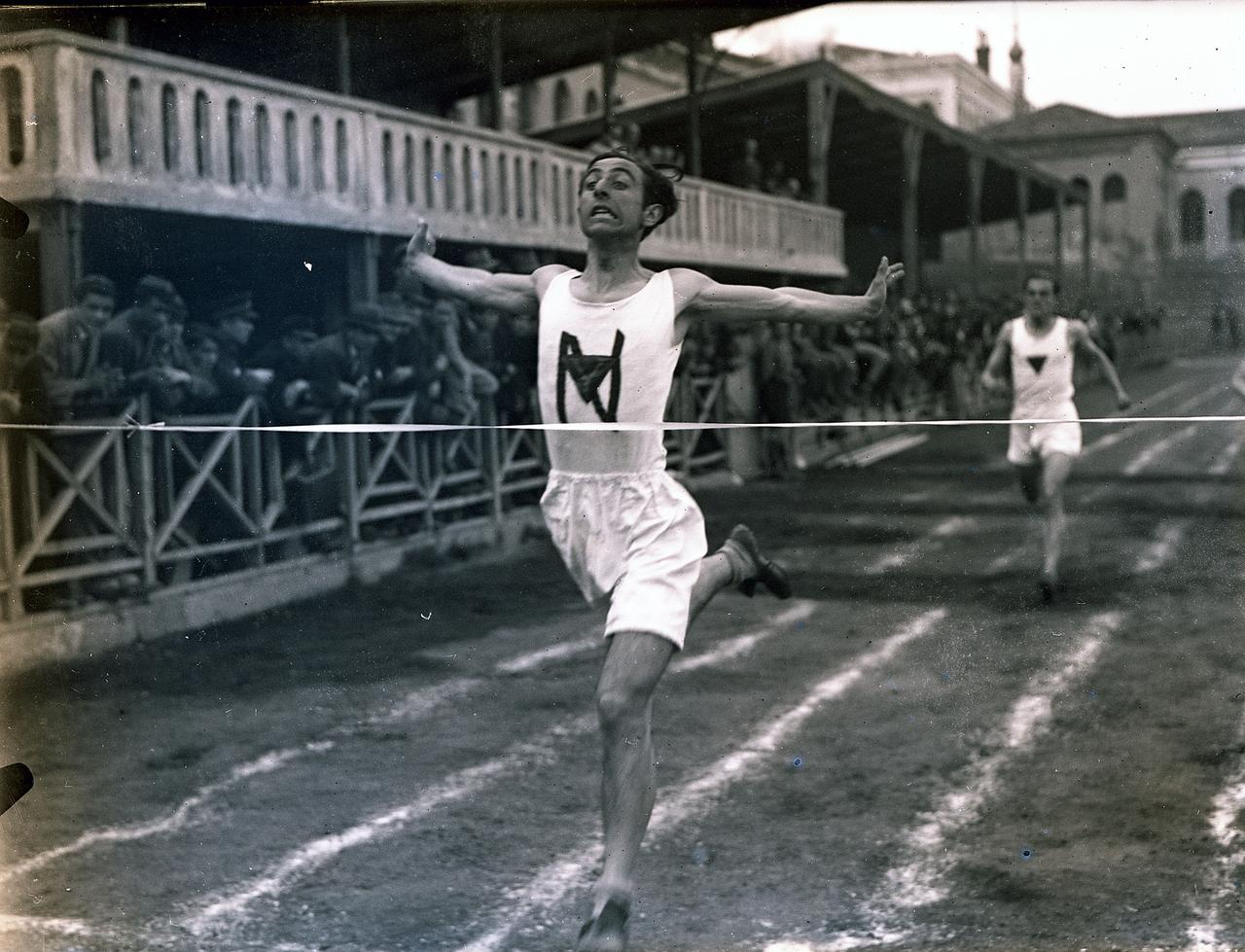
A catalog published alongside the exhibition examines the archive through photographic history, press culture, archival practices and visual memory.
It includes contributions by Gulru Tanman, Kerim Suner, Mehmet Erken, Cengiz Kahraman, Geoffrey Batchen, Wolfgang Ernst, Ahmet A. Ersoy, Ozge Baykan Calafato, Idil Cetin and Sidar Bayram.
"The Republic Behind the Scenes" will remain on view at Pera Museum until March 28, 2027.
Pera Museum is open from 10 a.m. to 7 p.m. from Tuesday through Saturday and from noon to 6 p.m. on Sundays. Admission is free on Fridays from 6 p.m. to 10 p.m. as part of "Long Friday," while students can enter free of charge on Wednesdays through the museum's "Young Wednesday" program.


 Set as preferred source
 Set as preferred source


 1 min read
 1 min read


