Newsletters


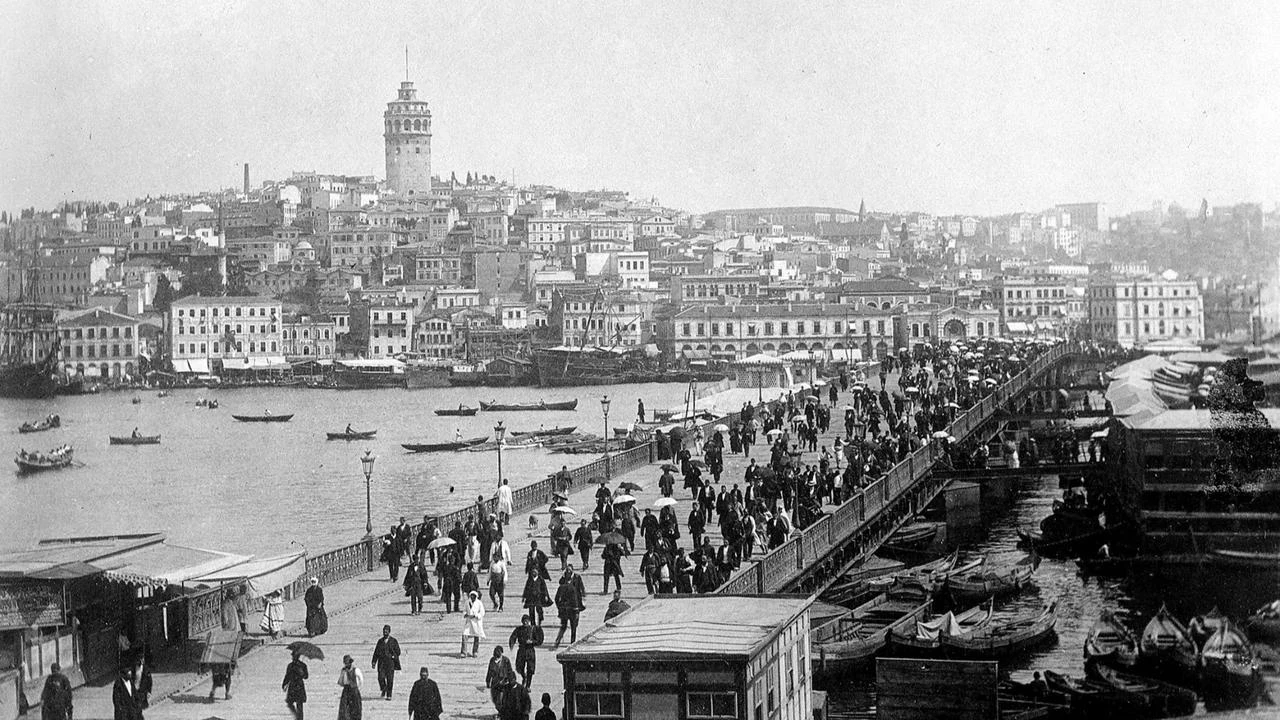
From Istanbul gentlemen and dervishes to Black Sea, Anatolian and Arab provincial dress, archival photographs reveal the diversity of clothing across the Ottoman Empire
The Ottoman Empire’s 19th-century clothing culture was far from a single, uniform style. Across Istanbul, Anatolia and the empire’s wider provinces, dress reflected geography, profession, faith, social rank and local identity.
This photo gallery brings together archival images of Ottoman-era clothing, from Istanbul’s urban suits and religious garments to regional costumes from Bursa, Konya, Ankara, Adana, Erzurum, Trabzon and Aleppo. Many of the photographs belong to the 1873 costume archive prepared for the Vienna World’s Fair, while others document late Ottoman urban and personal styles.
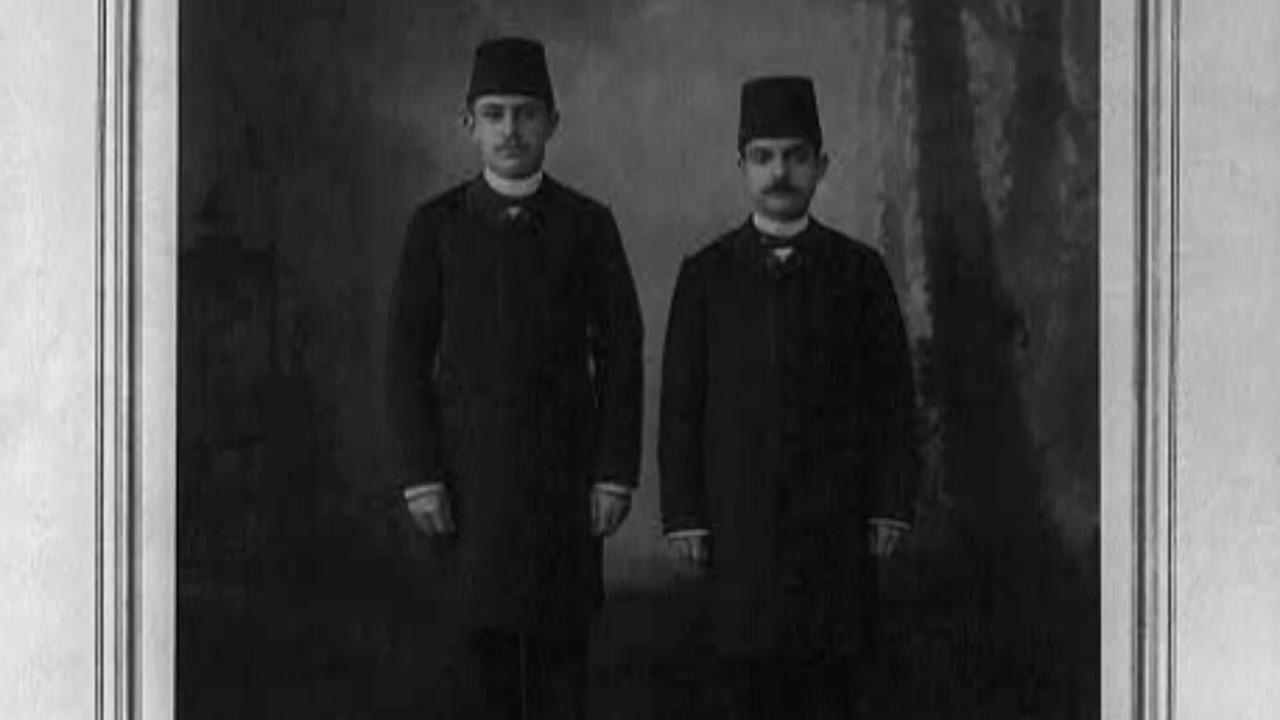
Students of Mekteb-i Mulkiye-yi Sahane, the Imperial School of Political Science, wear fez, tailored coats, waistcoats and trousers in Istanbul, Ottoman Empire, between 1880 and 1893.
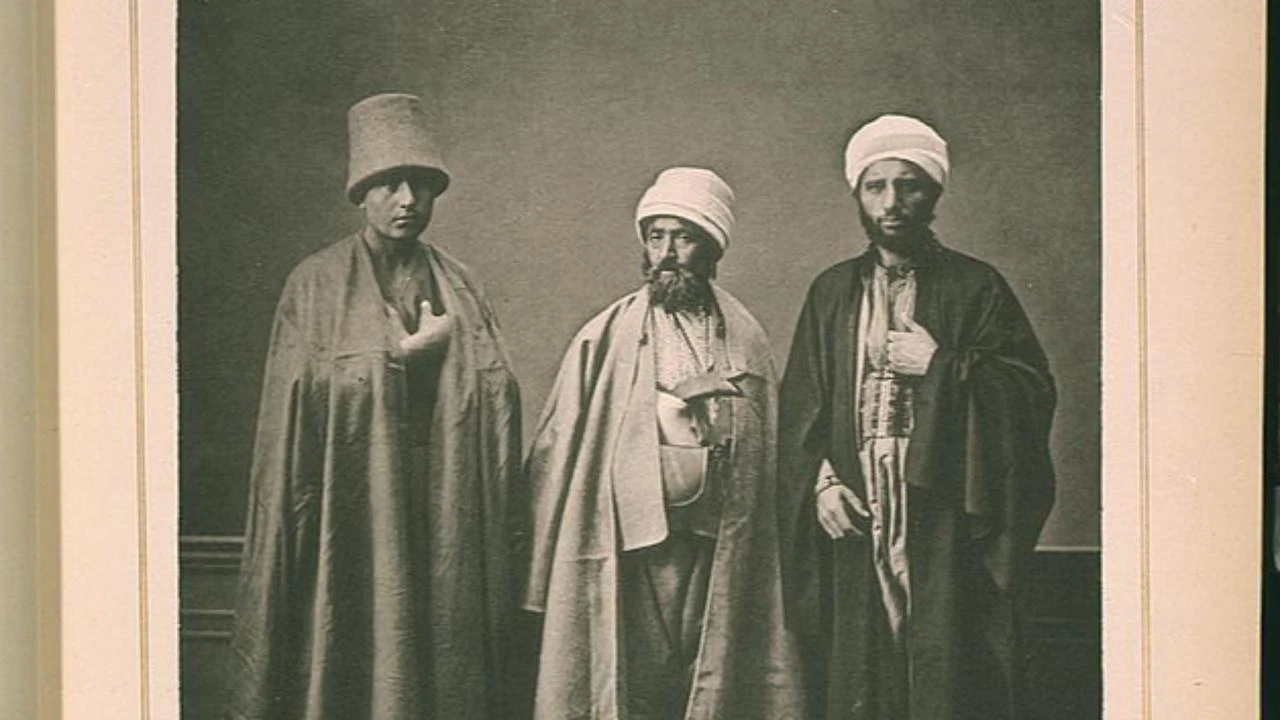
Models dressed as a Mevlevi dervish, Bektashi dervish and mullah pose in Istanbul, Ottoman Empire, in 1873. The image reflects religious dress traditions in the late Ottoman capital.
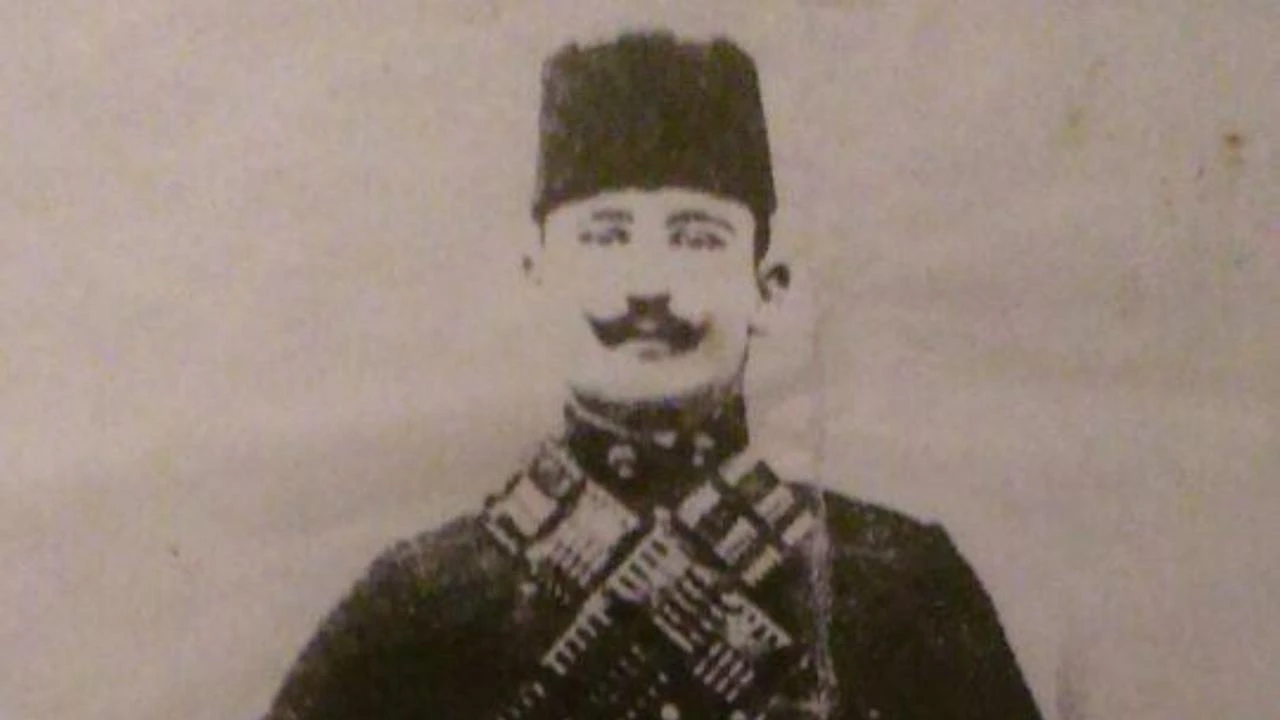
Said Ahmet Bey poses in late Ottoman male attire, wearing a fez, dark tailored clothing and crossed cartridge belts over his chest in the Black Sea region of Anatolia, Ottoman Empire, late 19th century.
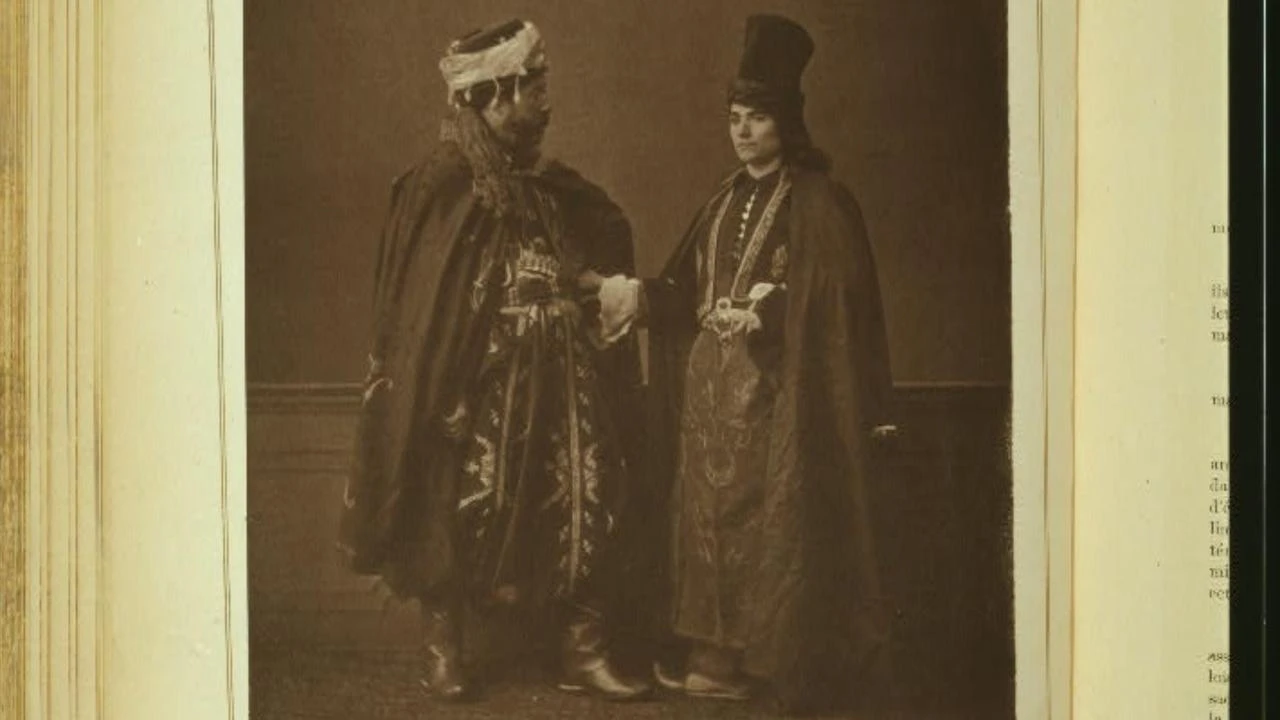
A Turkmen man and woman from the vicinity of Bursa, Hudavendigar Province, pose in regional clothing in the Ottoman Empire in 1873.
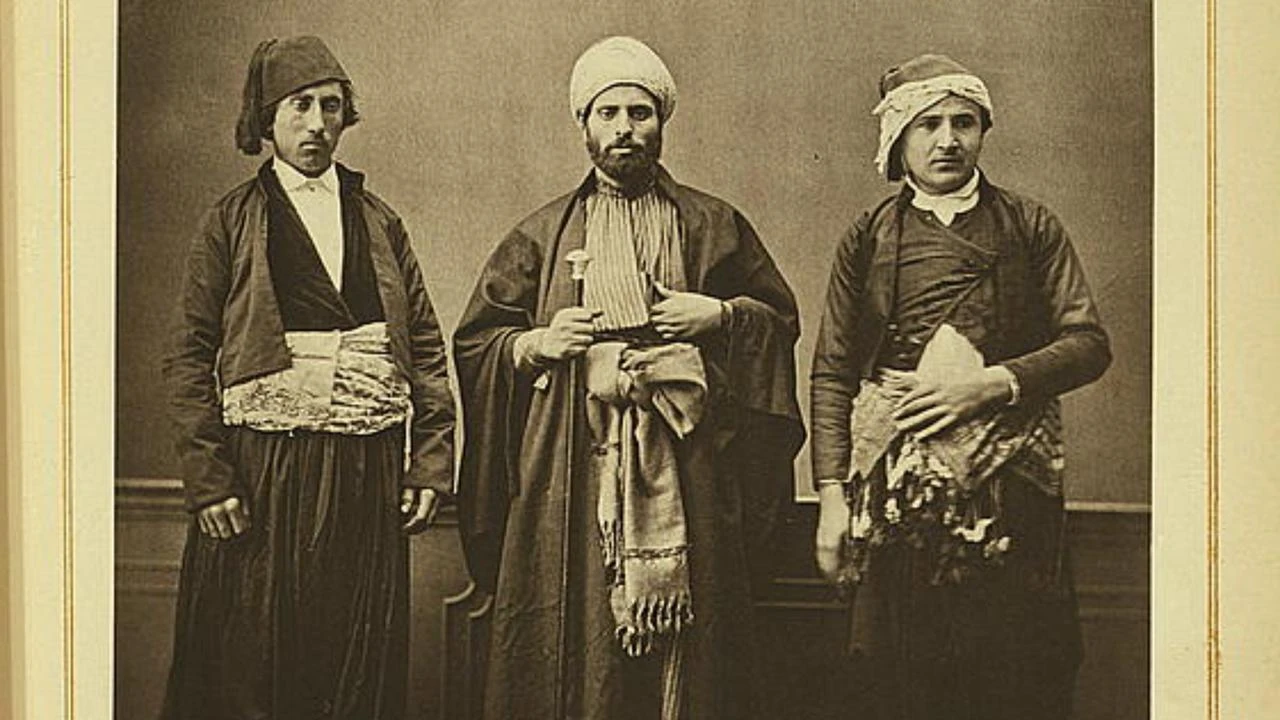
A Christian merchant of Aydin, a rabbi of Smyrna and a bourgeois man of Manisa pose in Western Anatolian clothing, Ottoman Empire, in 1873.
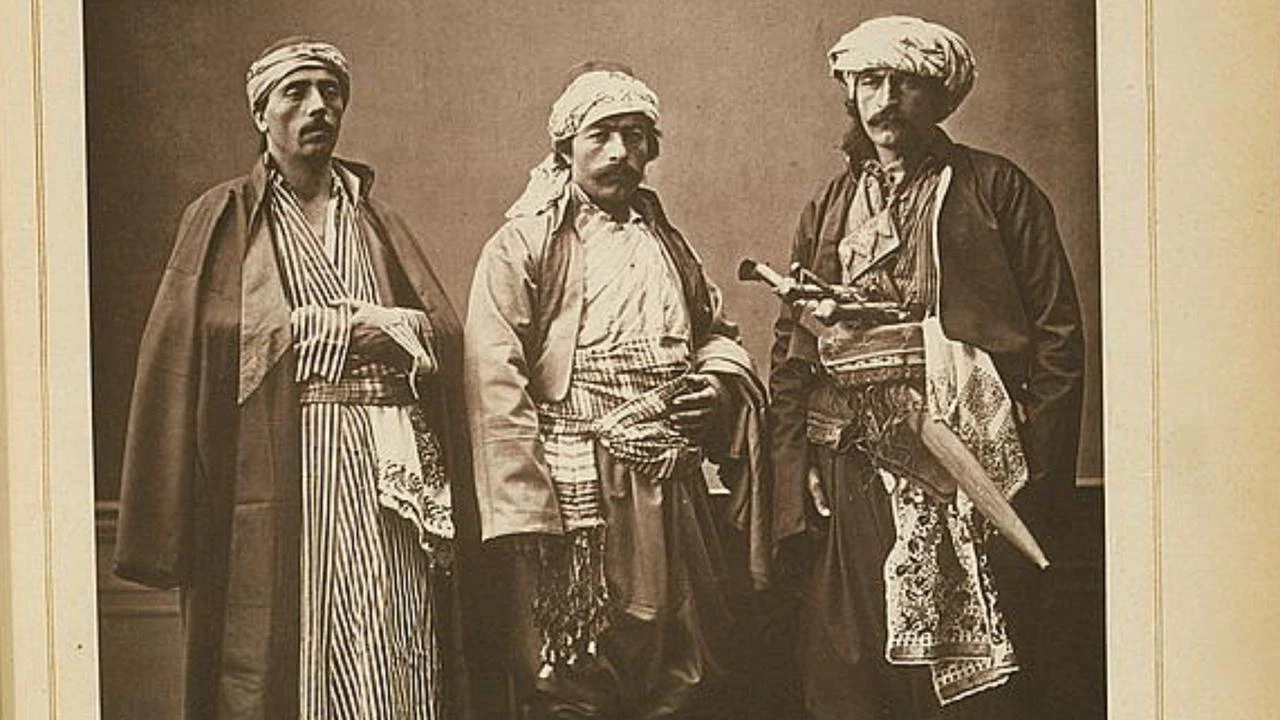
A Christian man of Konya, a Muslim horseman of Konya and a resident of Elmali appear in regional clothing from Central Anatolia, Ottoman Empire, in 1873.
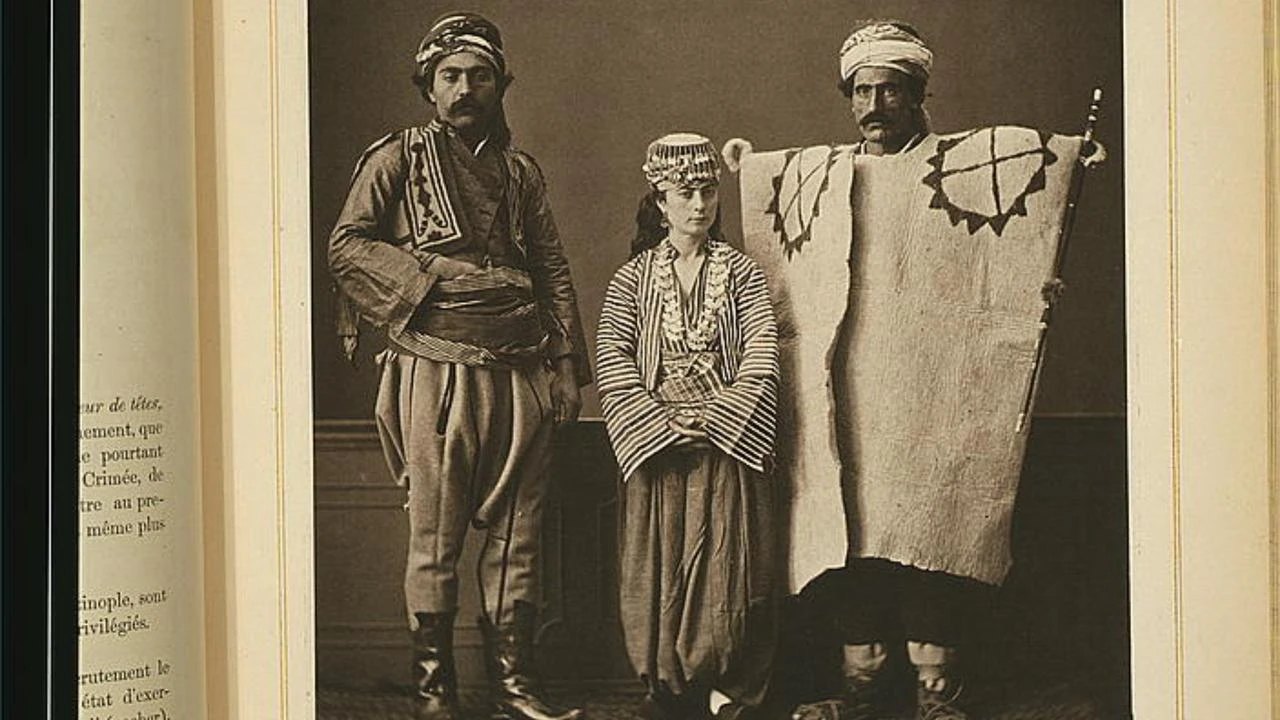
A bashi-bazouk of Ankara stands with a Muslim peasant man and woman from the Ankara region, showing irregular soldier dress and rural Anatolian clothing in 1873.
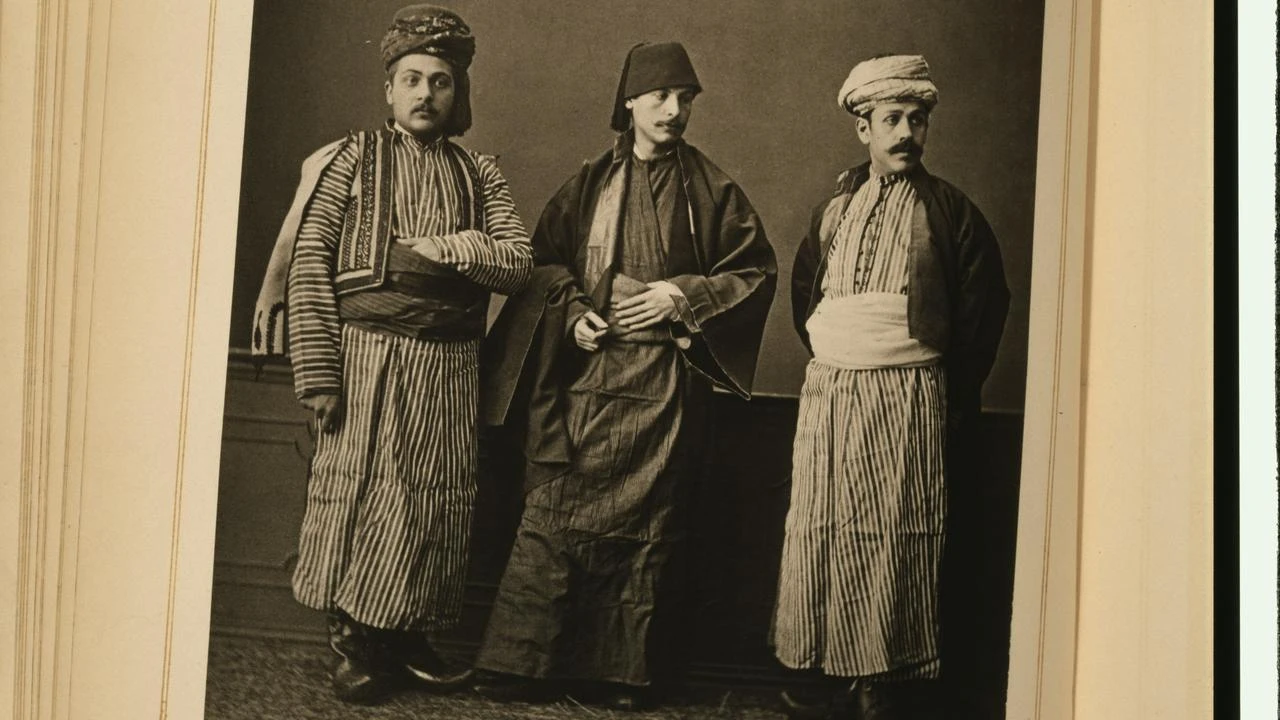
A Muslim artisan of Ankara, a Christian artisan of Ankara and a Kurdish man from the Yozgat region pose in Central Anatolian clothing, Ottoman Empire, in 1873.
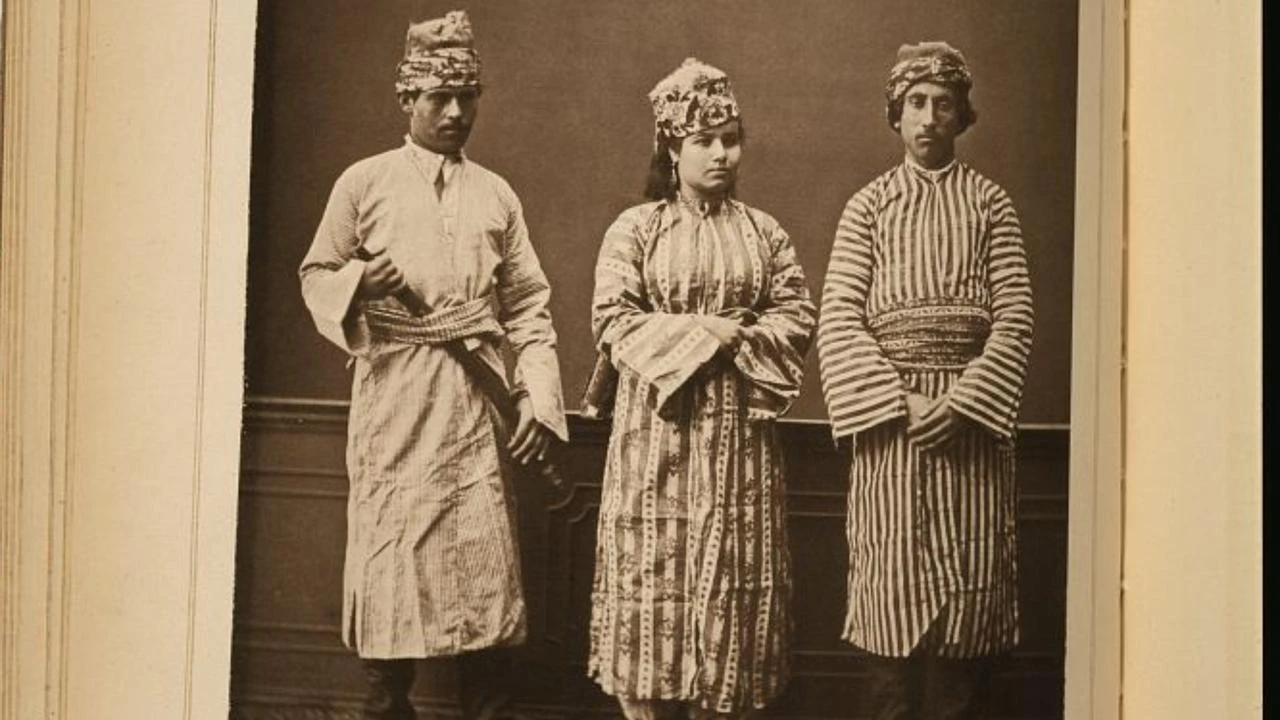
A Muslim man from the environs of Adana, a Muslim woman from the Tarsus region and a resident of Hacin pose in Cukurova regional clothing, Ottoman Empire, in 1873.
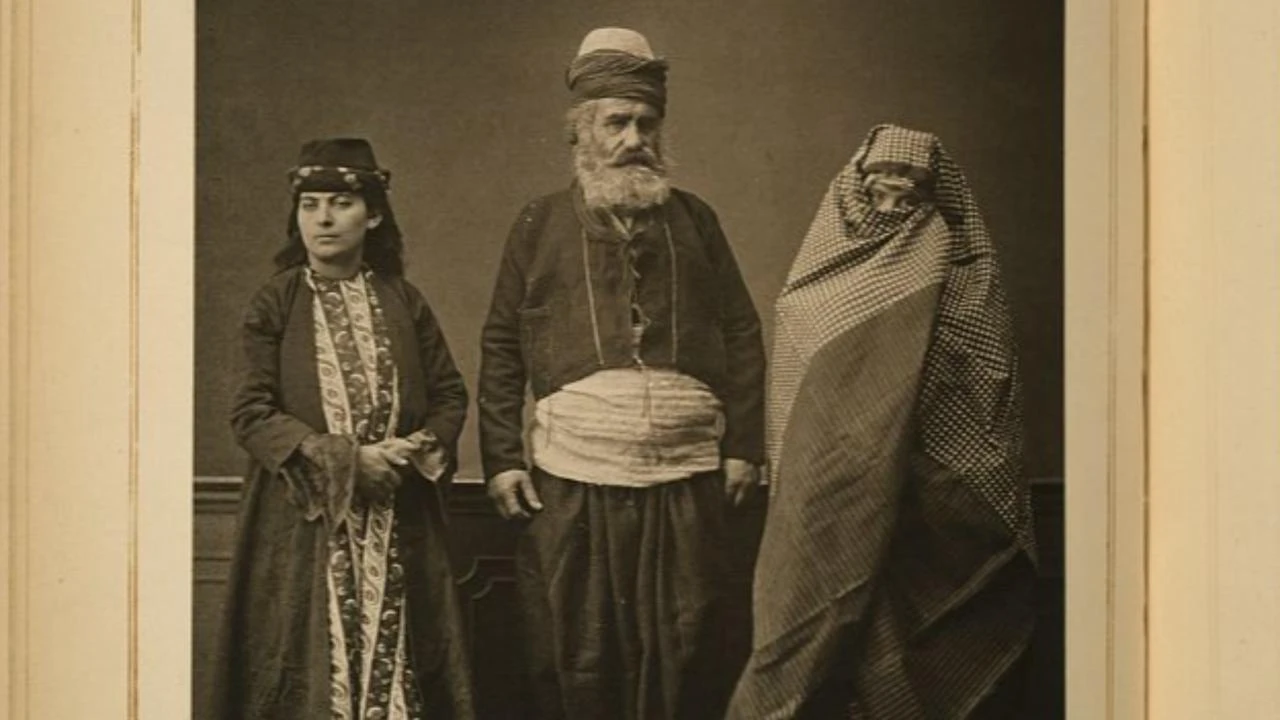
A laborer from the Erzurum region, a Muslim woman of Van and an Armenian woman of Van wear Eastern Anatolian clothing in the Ottoman Empire in 1873.
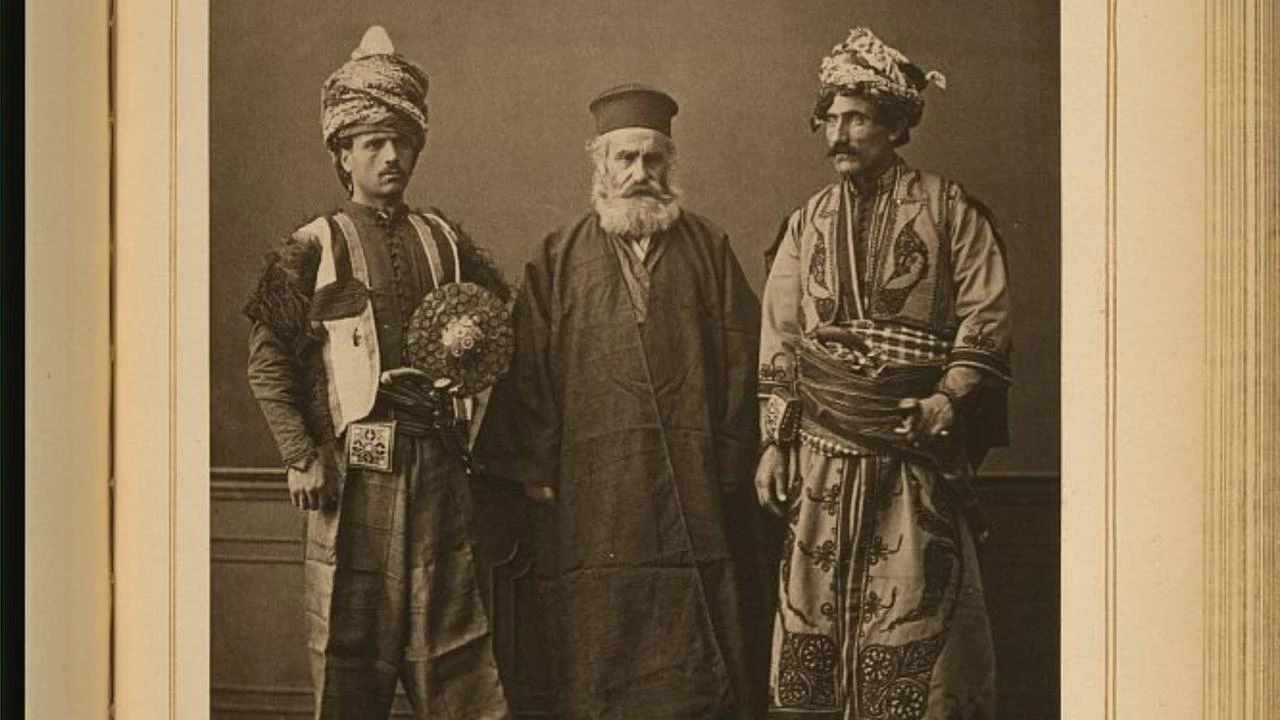
An Armenian priest of Akdamar, a horseman and infantry soldier from the Hakkari region pose in frontier-region clothing, Ottoman Empire, in 1873.
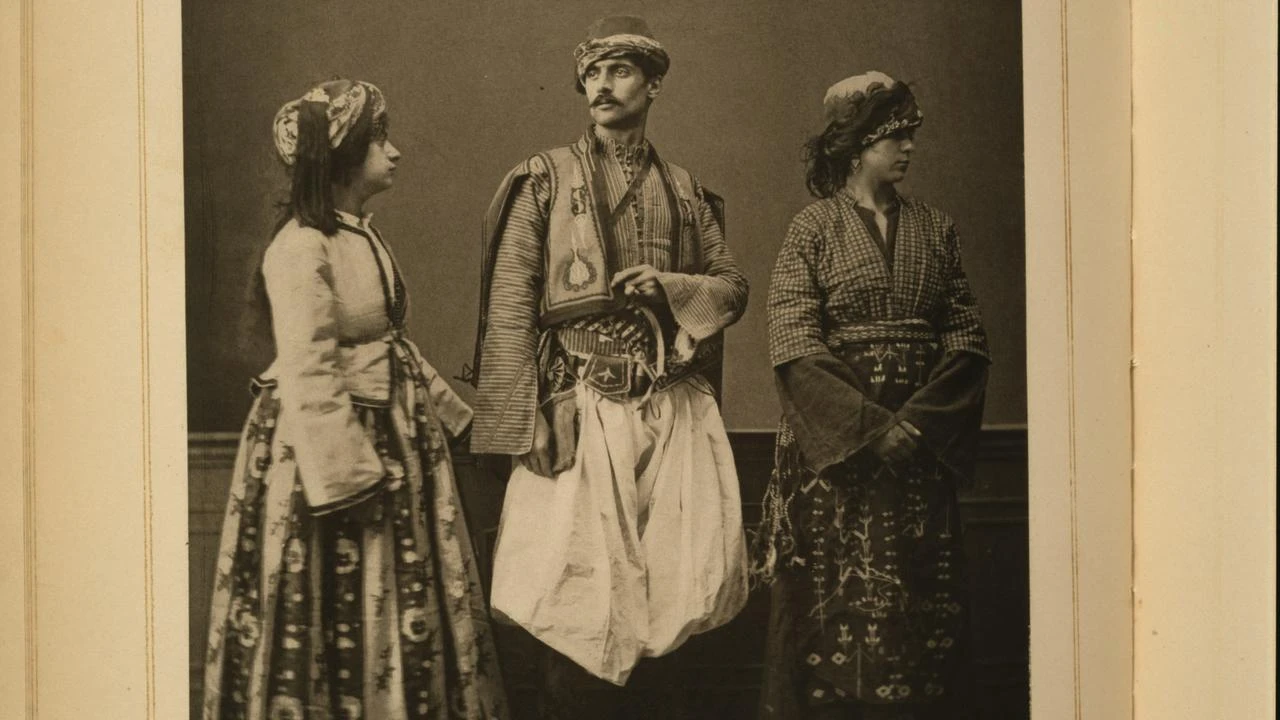
A Turkish woman of Osmancik, a Muslim artisan of Amasya and a married Christian woman of Tokat pose in regional clothing from the Sivas province, Ottoman Empire, in 1873.
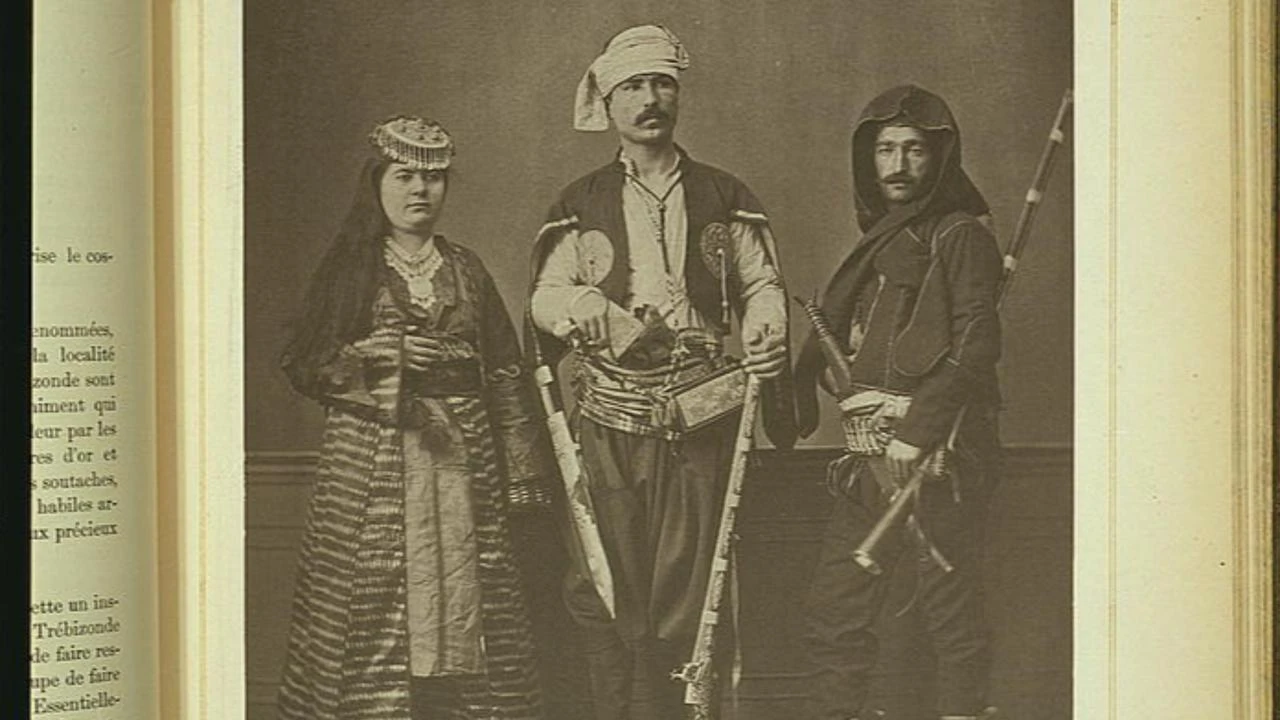
A Muslim man of Trabzon, a peasant woman from the Trabzon region and a Laz man pose in Black Sea regional clothing, Ottoman Empire, in 1873.
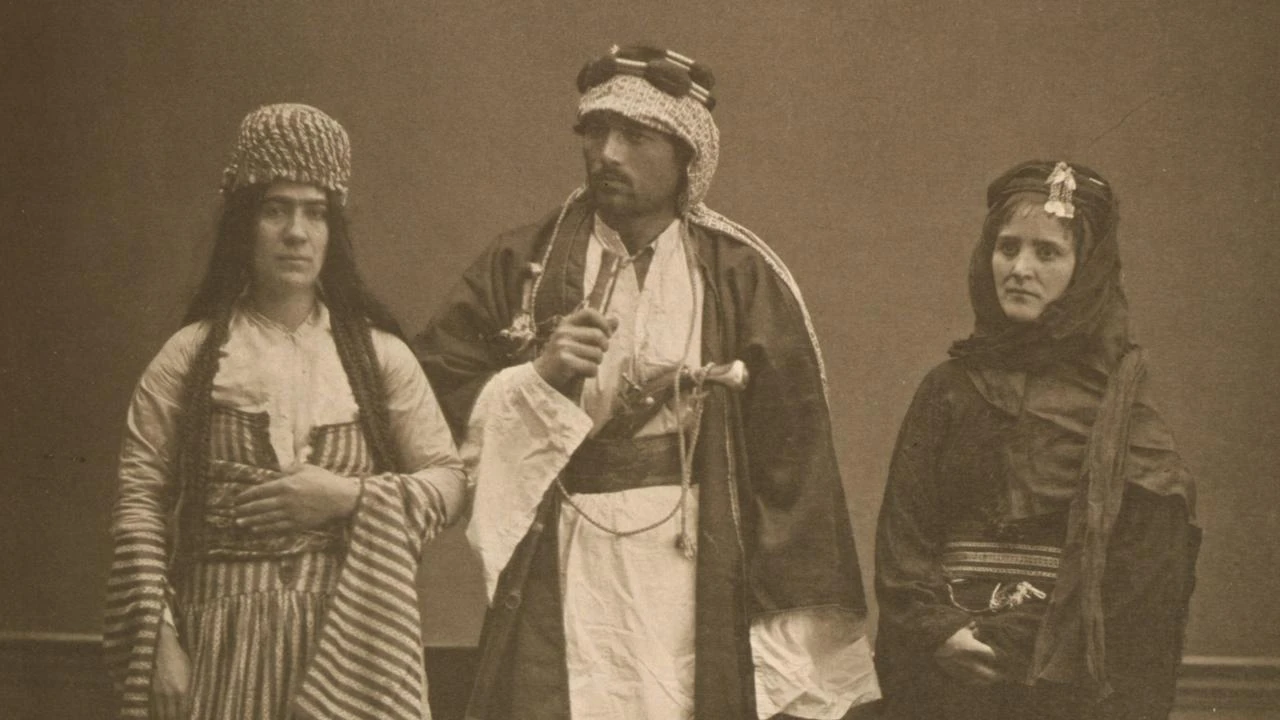
A Bedouin man, a Bedouin woman and a married Jewish woman from Aleppo pose in regional and urban clothing from the Aleppo Province, Ottoman Empire, in 1873.
Together, these photographs show that Ottoman clothing was a visual map of the empire. A fez, robe, belt, coat, head covering or pair of trousers could signal region, status, profession, religious identity and social belonging. In the 19th century, what people wore across the Ottoman Empire was not only fashion; it was identity made visible.

 1 min read


 Set as preferred source