Newsletters


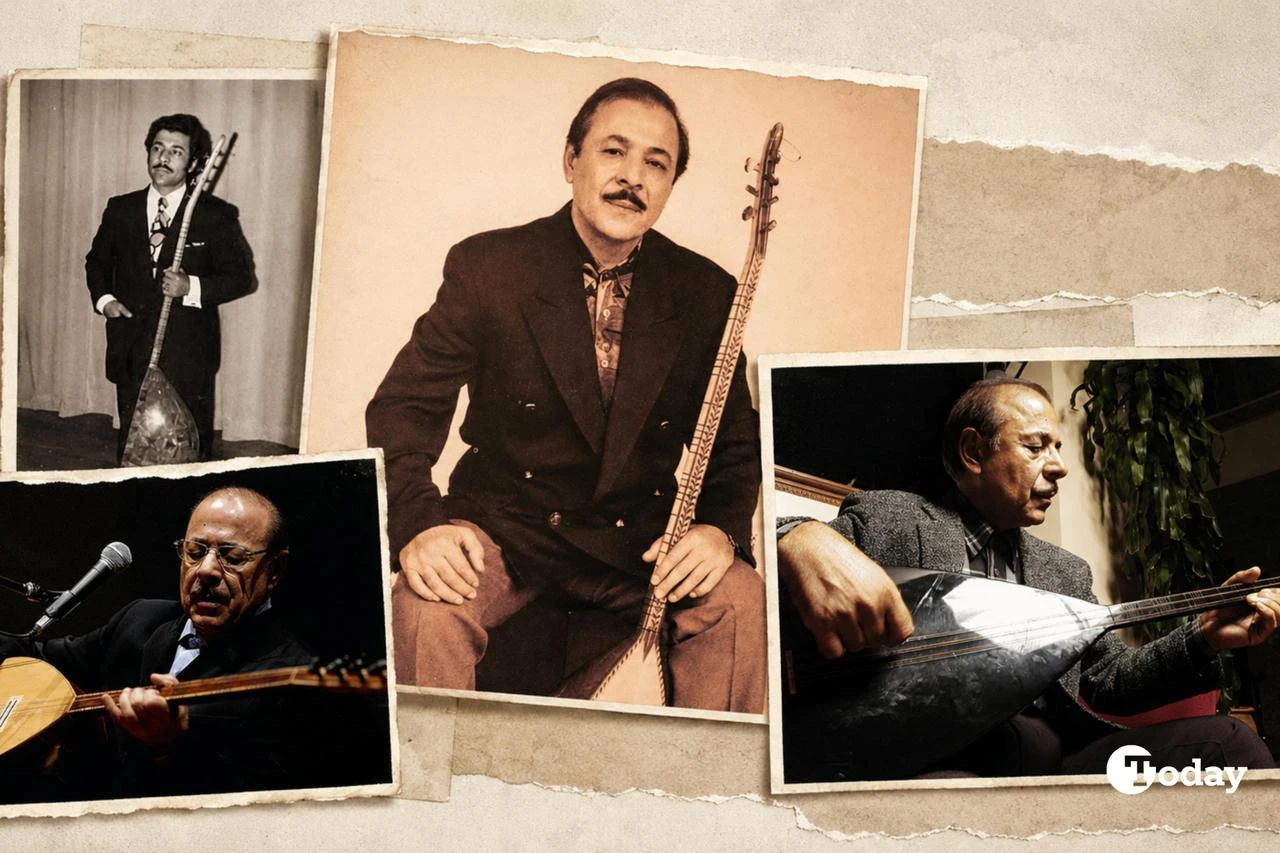


As Kirsehir hosted the second Neset Ertas Culture and Music Festival from Aug. 7 to 9, the event once again turned attention to the folk poet and musician who carried Central Anatolia's bozlak tradition far beyond his hometown and became one of the best-known voices of Turkish folk music.
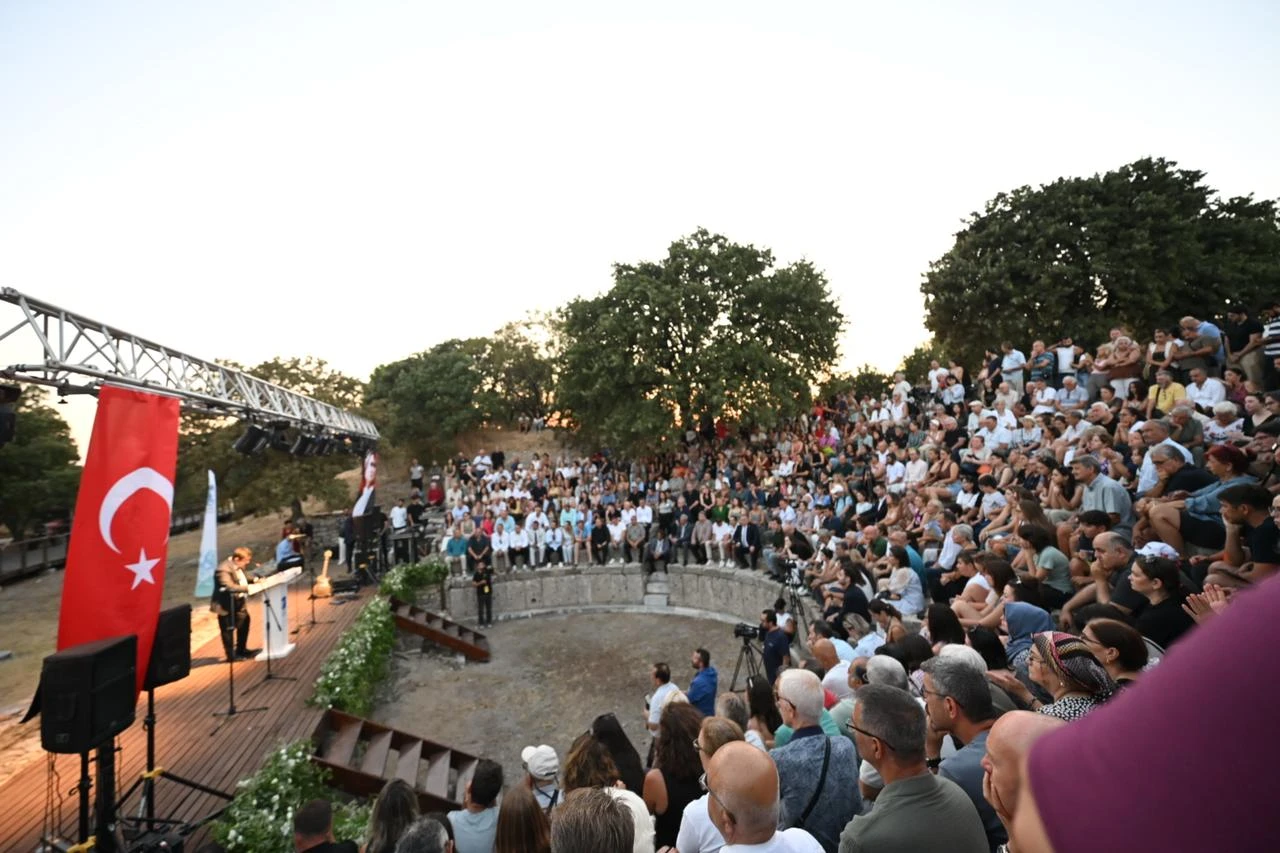
The three-day festival brought together audiences interested in folk songs, bozlak music and the cultural world that shaped Ertas. Its program featured panels on the Abdal tradition, discussions on the sources behind his music, concerts at Cacabey Square and a musical production focusing on Central Anatolia.
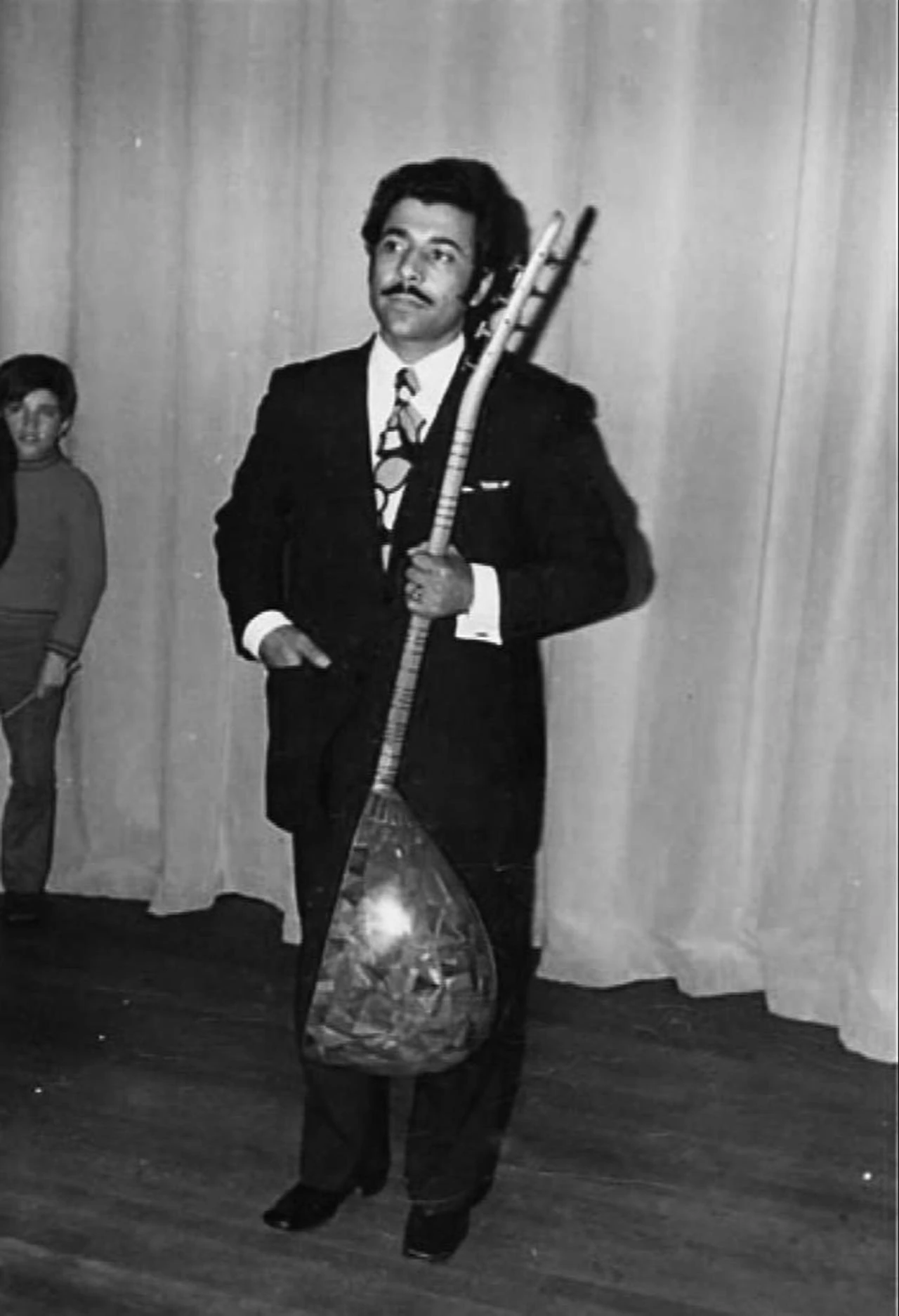

Born in 1938 in Kirtillar village in Kirsehir, Ertas grew up inside a musical tradition closely associated with the Abdals of Central Anatolia.
His father, Muharrem Ertas, was regarded as one of the leading interpreters of Avsar and Turkmen bozlak music, and Neset Ertas began learning instruments at a young age before joining his father at local weddings.
Bozlak is a form of Turkish folk music associated particularly with Central Anatolia and Kirsehir. It belongs to a broader saz-and-song tradition, with the baglama, a long-necked string instrument widely used in Anatolian folk music, playing a central role.
The Kirsehir Culture and Tourism Directorate traces this musical culture back through generations of folk poets and performers who carried social experiences, emotions and local memory through music.
Ertas followed in that tradition but helped take it beyond its regional setting. According to the ministry, his interpretation of Abdal and Turkmen music brought a strongly local musical language to audiences across Türkiye and abroad.
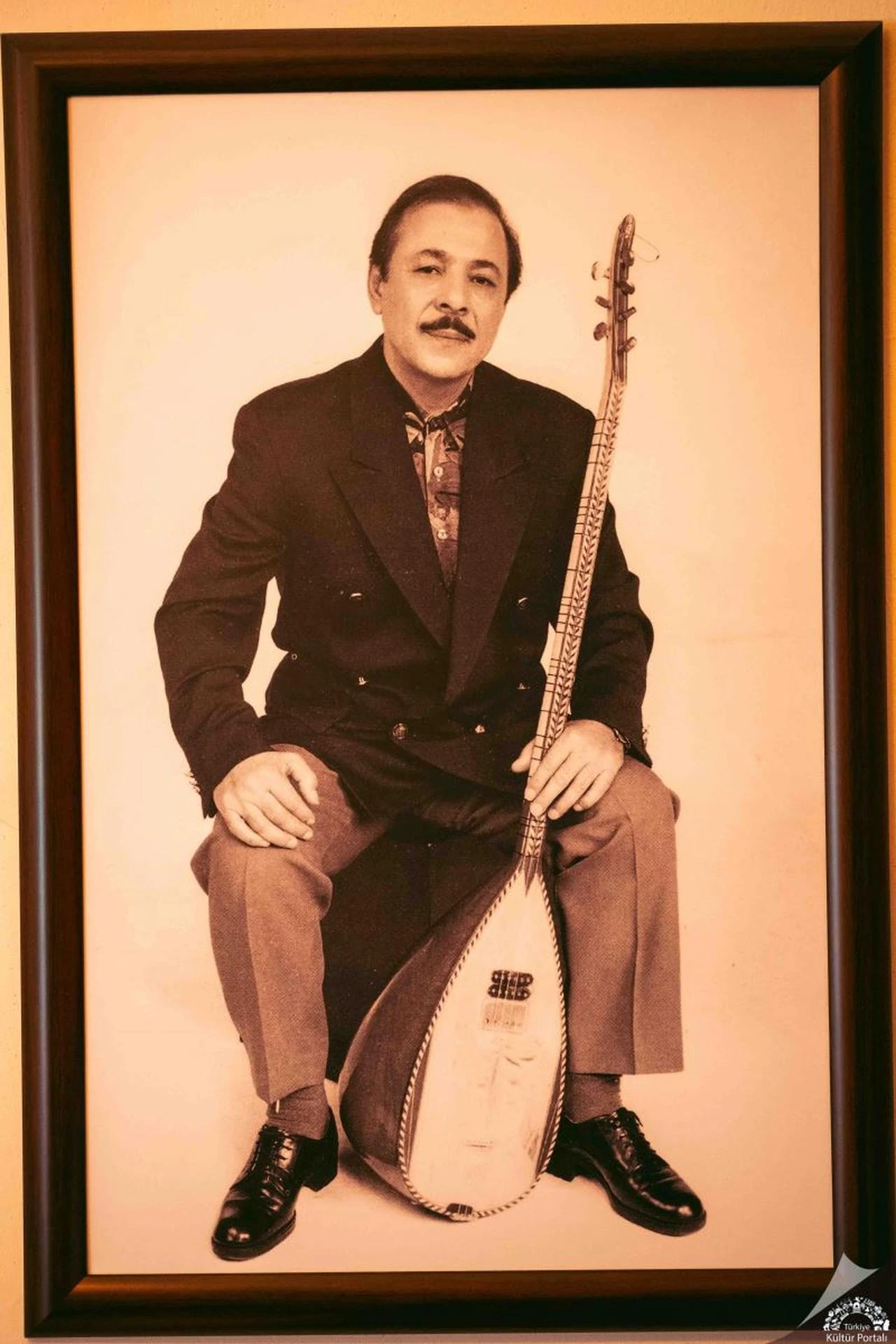
Ertas moved to Istanbul toward the end of 1957 and released his first record, "Neden Garip Garip Otersin Bulbul," a song associated with his father. The record was followed by further recordings and public performances, gradually building up his reputation beyond Central Anatolia.
He later worked with TRT Radio in Ankara before moving to Germany, where he remained for an extended period while continuing his artistic life. He returned to the stage in Türkiye with a concert in Istanbul in 2000.
Over the course of his career, Ertas became closely identified with the baglama as well as with a distinctive style of singing folk songs and bozlak. His technique and performance style later became subjects of academic study at universities and conservatories.
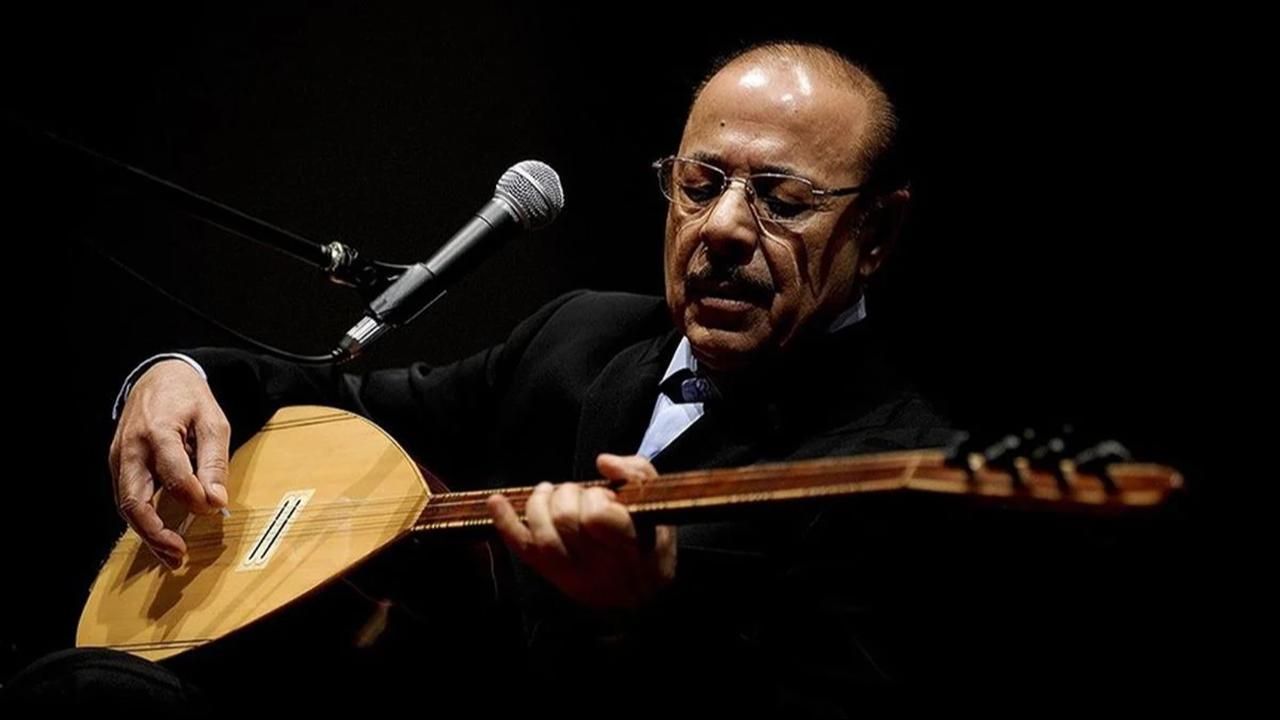
Ertas was widely known as "Bozkirin Tezenesi," commonly rendered in English as "the Plectrum of the Steppe," a nickname linking his baglama playing to the landscapes and musical culture of Central Anatolia. He also wrote and performed numerous works of his own while continuing traditions passed down through his father.
His work was closely tied to the Abdal tradition, a musical and cultural practice carried through generations of performers in Central Anatolia. The Culture Ministry says Ertas took the Abdal style of playing and singing into a new phase while producing numerous works whose lyrics and music were his own.
Ertas was added to Türkiye's national Living Human Treasures inventory, a system created under the framework of safeguarding intangible cultural heritage.
UNESCO describes such national inventories as mechanisms used to recognize practitioners who hold exceptional traditional knowledge and can pass their skills on to future generations.
He also received the Turkish Parliament's Distinguished Service Award in 2006 and was awarded an honorary doctorate by Istanbul Technical University's State Conservatory in 2011.
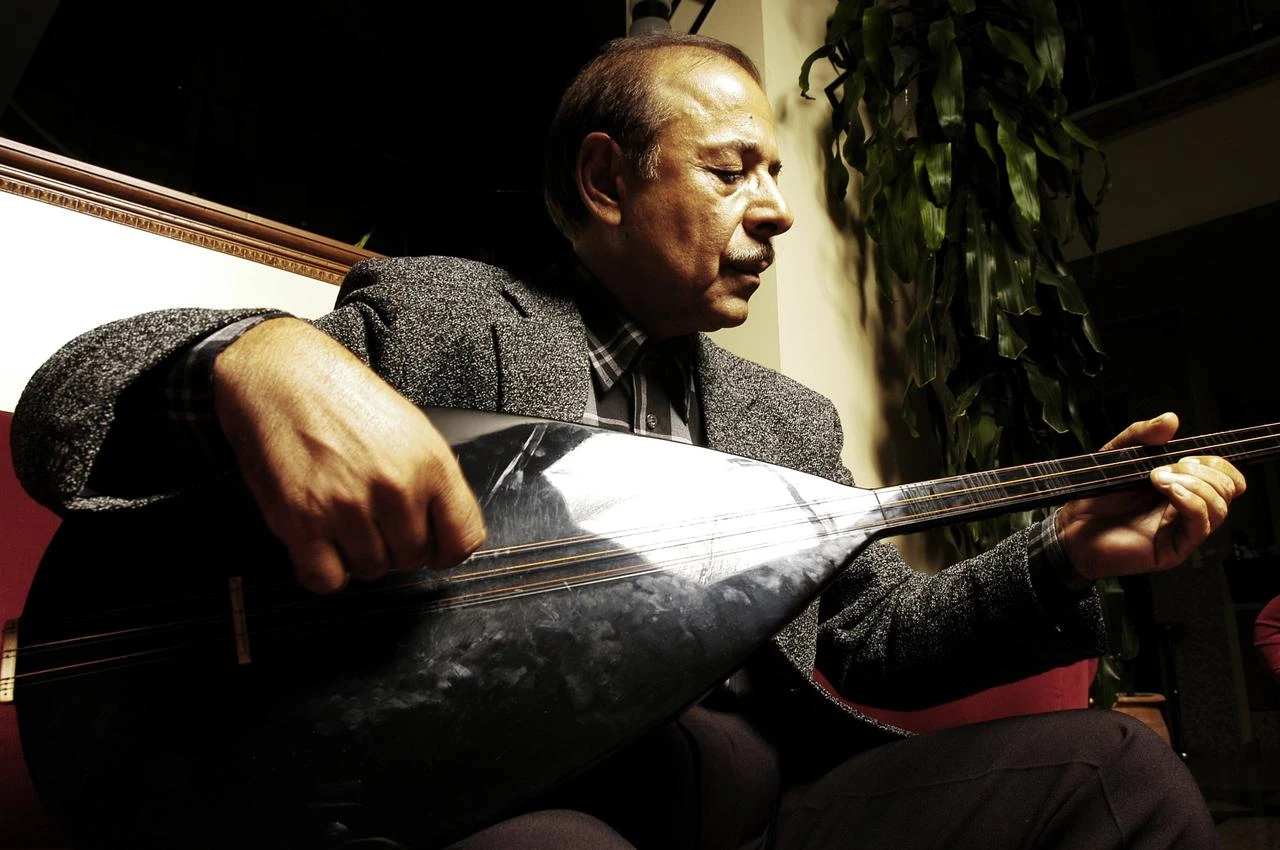
Ertas died on Sept. 25, 2012. More than a decade later, his hometown continues to keep both his work and the wider musical tradition that produced it at the center of its cultural life.
The second Neset Ertas Culture and Music Festival began with a visit to his grave at Bagbasi Cemetery before continuing at the Neset Ertas Culture Center. Academics took up the Abdal tradition, bozlak culture and the artistic sources behind his work, while evening concerts carried the program into Cacabey Square.
The event showed how Ertas' legacy remains intertwined with a broader cultural world built around music, oral tradition and the musical memory of Central Anatolia.
Kirsehir Governor Murat Sefa Demiryurek said Ertas remained significant not only because of the songs he left behind but also because of the culture that shaped him.
"Neset Ertas had delicacy in his saz, wisdom in his words and humility in his life. That is why, despite the years that have passed, his voice continues to live in people's hearts."
The festival also introduced "Bozkirin Sazi, Topragin Avazi: Neset Ertas," a new book written by Bayram Bilge Tokel, a close friend of the musician.


 Set as preferred source
 Set as preferred source


 3 min read