

 Newsletters


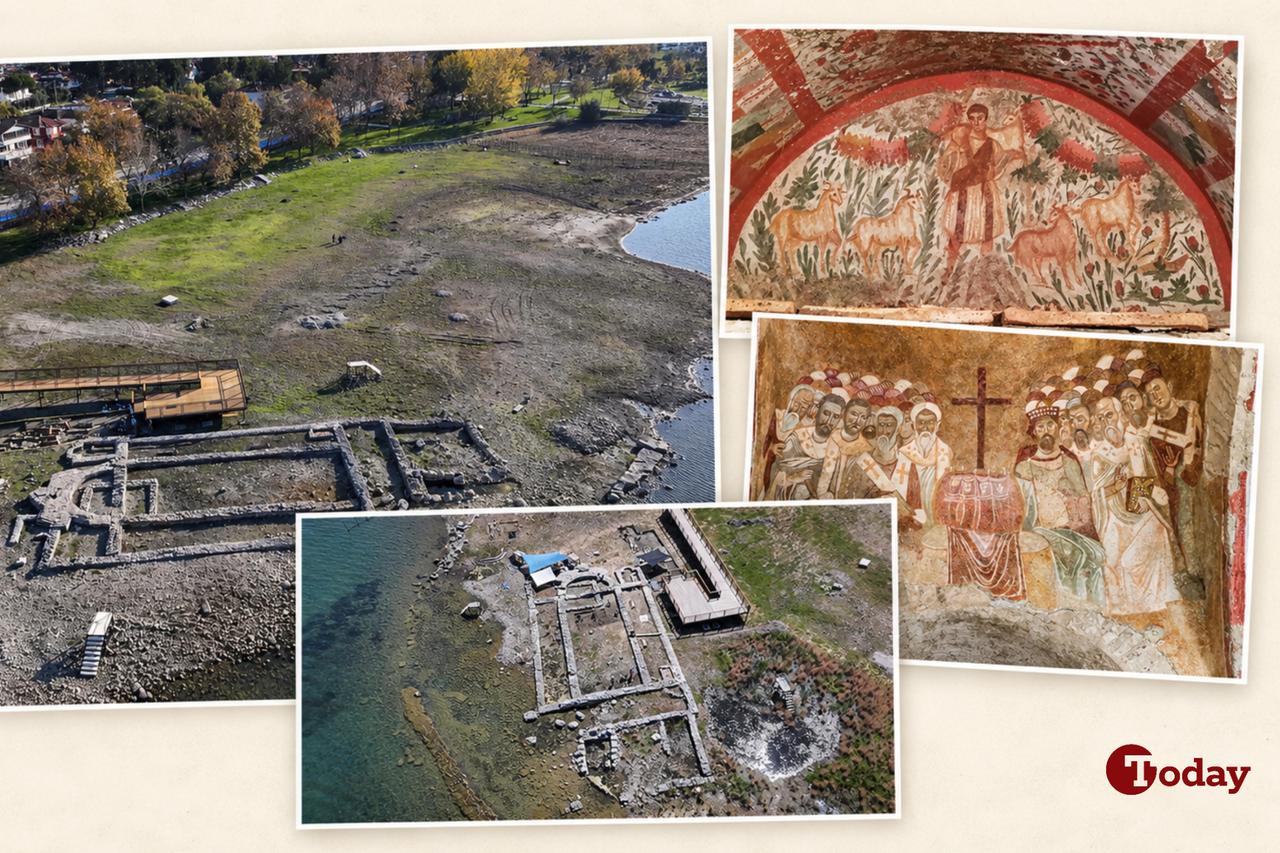


Christianity may have emerged in Jerusalem and the wider Levant, but some of the places where the faith took shape, spread out and became rooted in the Roman world lie hundreds of kilometers away, across what is now western Türkiye.
One of the clearest clues sits in the New Testament itself. The Seven Churches addressed in the Book of Revelation were all located in ancient communities that today fall within Türkiye, stretching from Izmir and Manisa to Denizli.
They were Ephesus, Smyrna, Pergamon, Thyatira, Sardis, Philadelphia and Laodicea, forming a remarkable geographical trail through Anatolia at a time when Christianity was still developing inside a predominantly pagan Roman Empire.
And further north, another city would eventually step into the center of Christian history: Nicaea, modern-day Iznik.
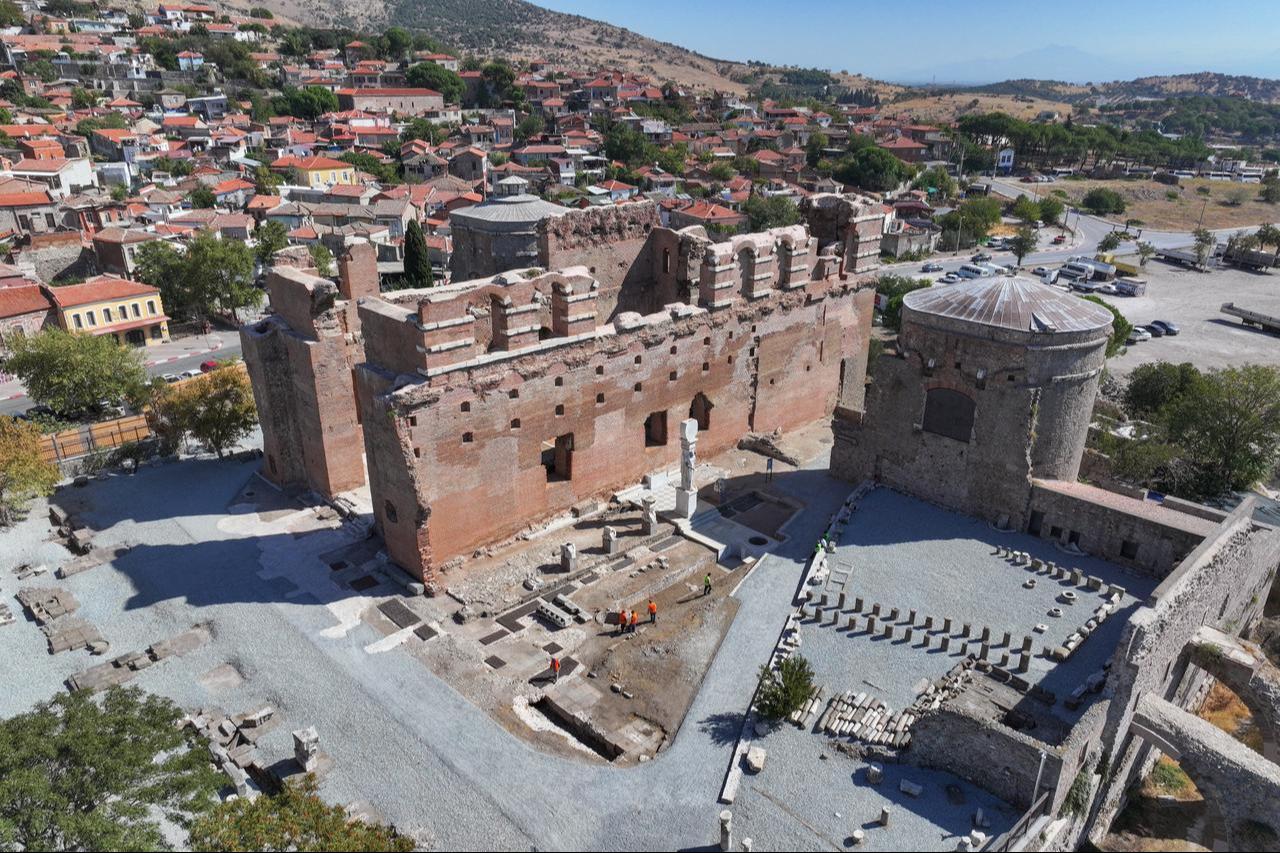

The "Seven Churches" were early Christian communities addressed in the Book of Revelation rather than seven churches in the modern architectural sense.
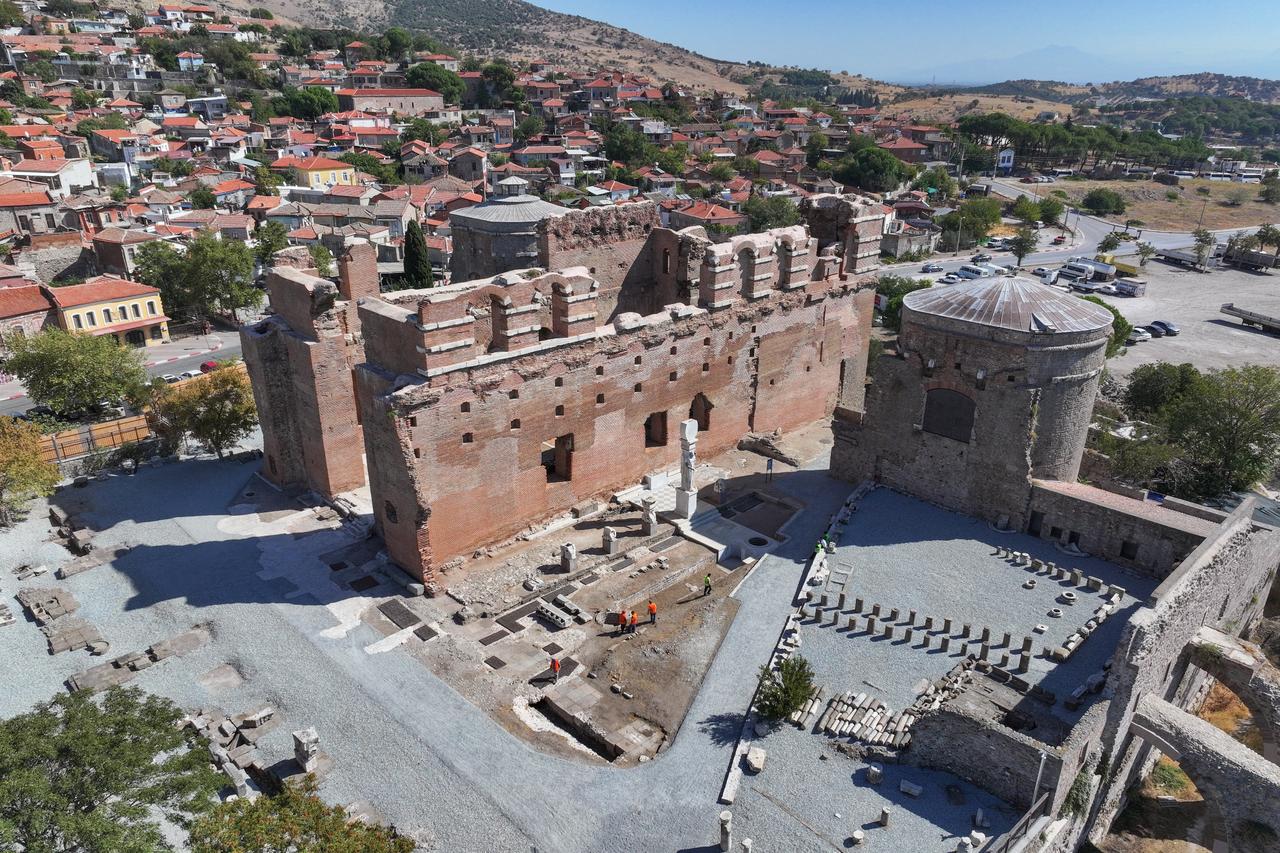
Ephesus, in present-day Selcuk in Izmir, was one of the ancient world's major commercial and religious centers, while tradition holds that St. John was buried there. Smyrna corresponds to modern Izmir, and Pergamon lies at today's Bergama, where Revelation symbolically refers to the place as where "Satan's throne" stood.
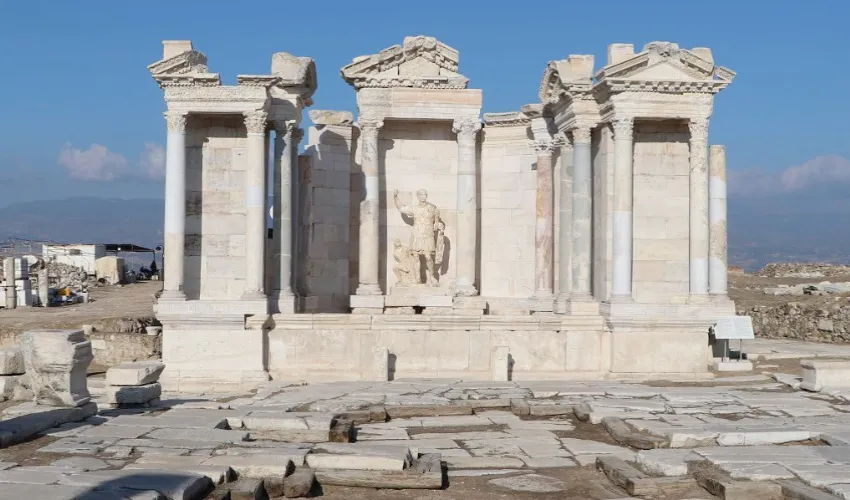
The trail then moves inland. Thyatira corresponds to Akhisar in Manisa, an ancient community associated with trade and crafts, while Sardis, near modern Salihli, had once served as the capital of the Lydian Kingdom. Philadelphia stood at today's Alasehir, and Laodicea, near Pamukkale in Denizli, was described as wealthy but spiritually "lukewarm."
Together, the seven communities bring out how deeply the geography of western Anatolia was tied into the development of early Christianity.
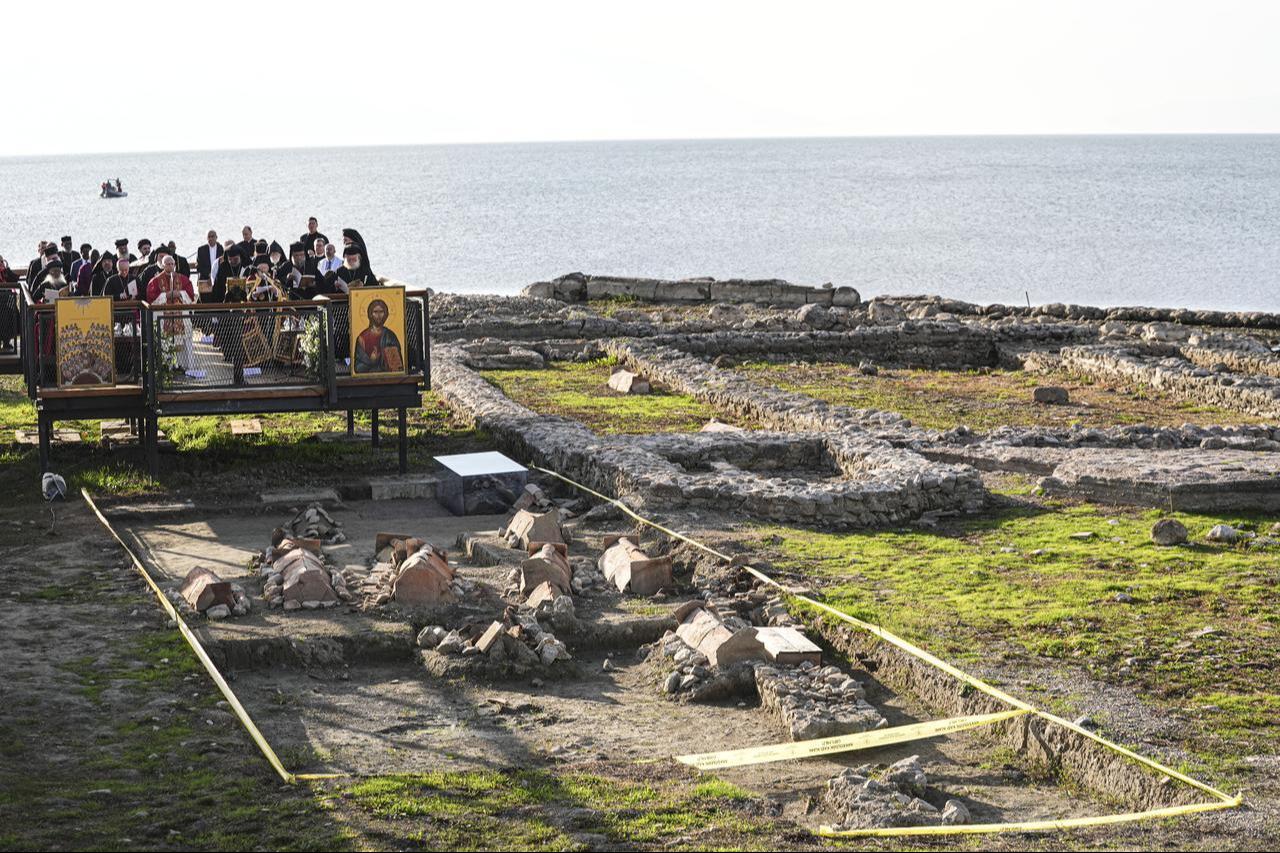
That story did not end with the communities named in Revelation.
In A.D. 325, Nicaea became the setting for the First Council of Nicaea, called under Roman Emperor Constantine as a dispute over the nature of Christ threatened to split the Church. Around 250 bishops gathered as Constantine sought to bring together a divided Christian world.
 2 min read
Constantine was acting not simply in a religious setting but in a political one. The dispute had become serious enough to threaten unity, and after attempts at reconciliation failed, the emperor called a major council in Nicaea. Those who rejected the formula eventually agreed upon could face exile, underlining how closely religious and imperial politics had become intertwined.
Yet one of the biggest mysteries has never been fully cleared up: exactly where did the council meet?
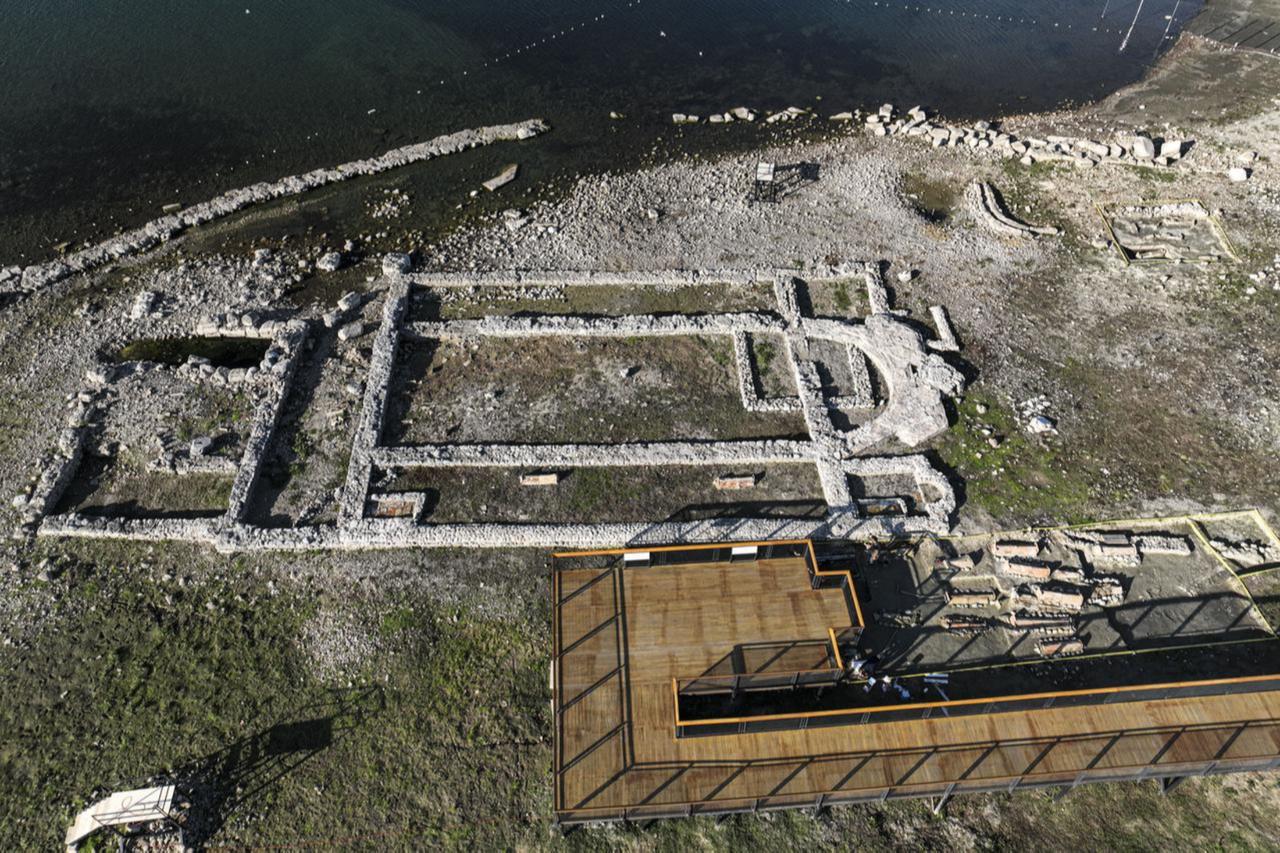
Just off the shore of Iznik lies a submerged basilica, raising the possibility that a building now sitting beneath the lake may have played a part in the gathering that reshaped Christian history.
The basilica stands outside the ancient city walls, and researchers have considered whether it could have been one of the places used by delegates before they moved on to Constantine's imperial palace. The location of that palace in ancient Nicaea has itself not yet been identified, leaving the precise setting of the council open to debate.
The possibility adds another layer to Anatolia's already striking Christian map.


 Set as preferred source
 Set as preferred source


 1 min read


