Newsletters




It was the morning of Jan. 22, 1517. The sun rose over the plains east of Cairo, gilding the desert haze with pale gold. A cool wind swept across the Ridaniye Plain, swirling dust into the air and carrying the murmur of prayers and the whinnying of horses. Between the trembling horizon and the disciplined Ottoman ranks, the Mamluk army waited, its black and green banners fluttering and its lances glinting like a forest of steel.
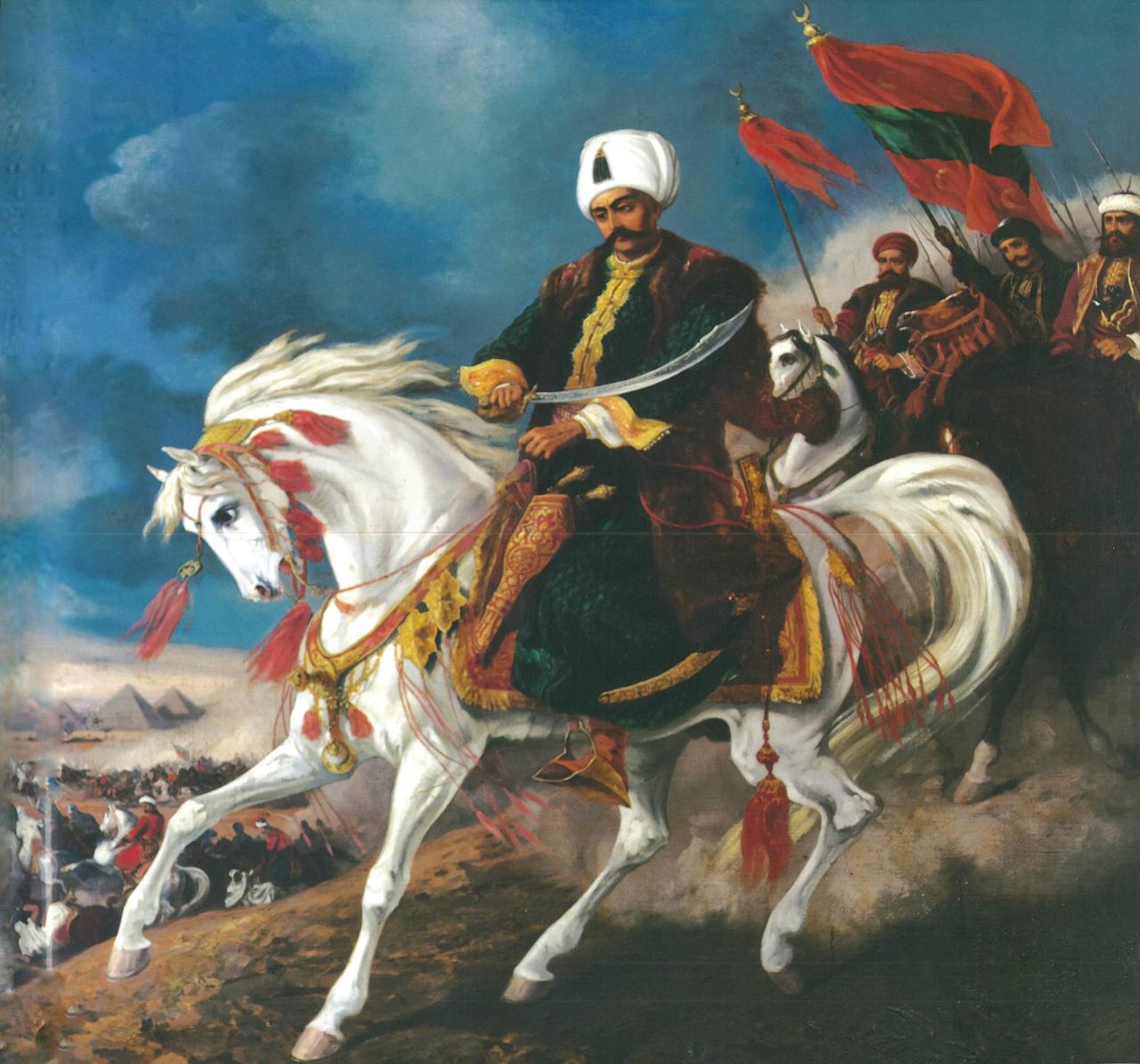
At the center of the Ottoman line, Sultan Selim I sat astride his warhorse, a powerful white stallion flecked with foam at the bit. He narrowed his eyes against the rising sun and studied the enemy.
The Mamluk cavalry was legendary, masters of the charge. Their mounted archers stood poised to unleash a storm of arrows. Their ranks undulated across the plain like a dark reef in a restless sea.
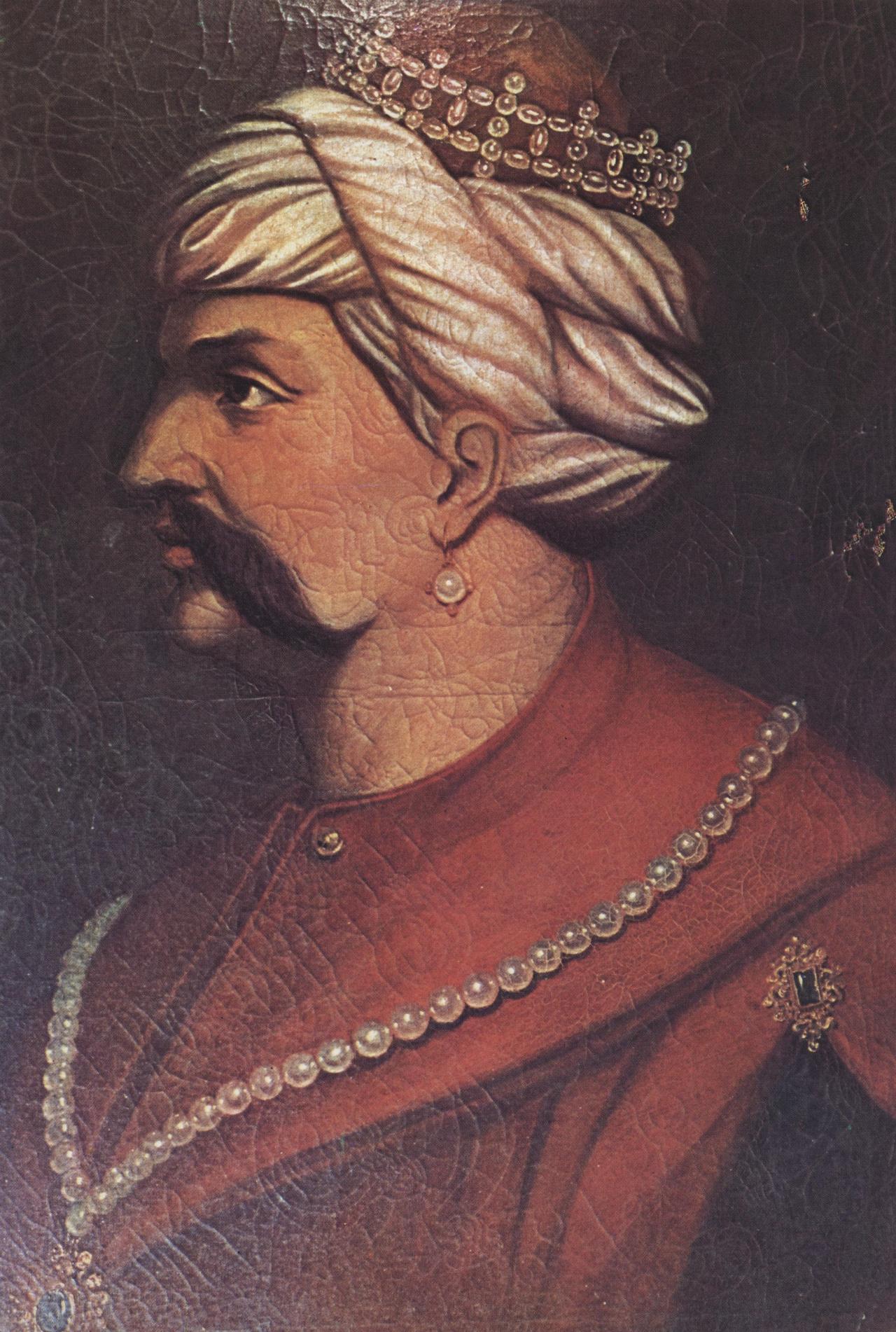

Selim did not fear them. He watched with the stillness of a hawk, analyzing their numbers, the distance and terrain. Around him, his generals offered counsel, cannons moved into position, and the janissaries advanced in formation.
Selim drew his sword. The steel flashed in the sunlight. He lifted his arm in a slow, deliberate signal. The drums beat. A moment later, the first Ottoman cannon roared, its thunder cracking across the plain as though the earth itself had split open. Smoke rolled forward in heavy clouds. Horses reared, and the Mamluk lines shuddered.
Selim remained still. Dust struck his face. The winter wind bit at his cheek. Beneath him, his stallion’s flanks heaved. His gaze was fixed on the weakness forming in the enemy line. He issued orders calmly, clearly, committing reserves only when the moment demanded it.
As the sun climbed higher, the sands of Ridaniye settled over the fallen, and with them settled the fate of a dynasty. Egypt, Syria, and the Hejaz would pass into Ottoman hands. So too would the custodianship of the Holy Cities of Mecca and Medina, and the sacred relics would journey to Istanbul.
Selim would return not merely as the conqueror of lands, but as the ruler who assumed the title of Caliph. Such unwavering purpose earned him the epithet by which he is remembered.
Yavuz. The Resolute.
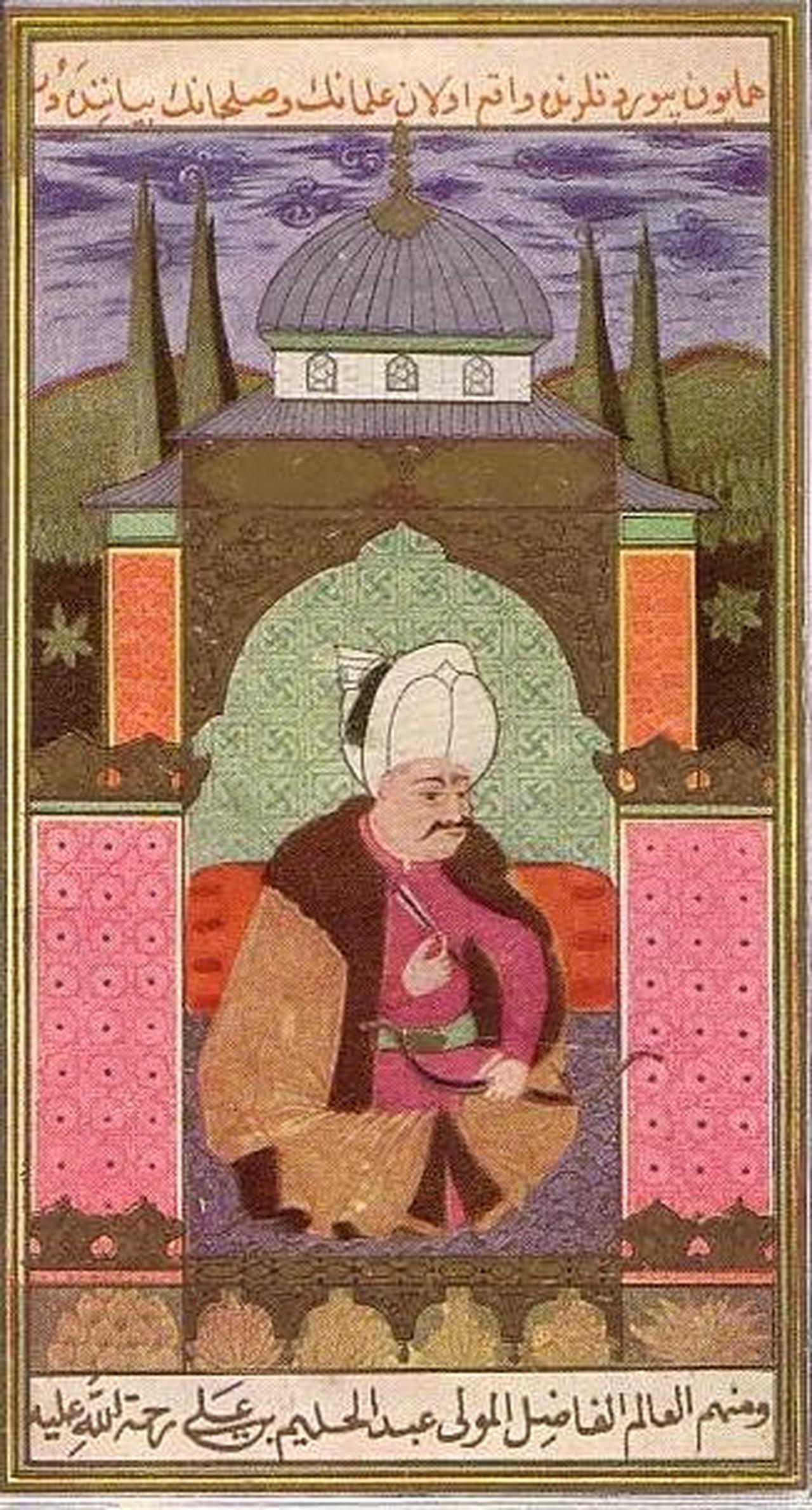
The epithet Yavuz carries deep respect in Ottoman Turkish. Often translated as “Resolute” or “Grim,” it described a man of unbending will. One who did not hesitate once a course was chosen, endured hardship without complaint, faced danger without fear, and commanded with firm authority.
It was a title that implied decisiveness, severity, even a certain hardness of character. Yet such traits were necessary virtues in a ruler determined to expand his empire, protect his subjects, and defend the faithful.
It was his unfaltering steadfastness, strategic resolve, and unyielding determination that earned him the honor of being called Yavuz.
The march home to Istanbul from the campaigns in Egypt and the Hejaz was long and gruelling. Winter rains had turned the roads into rivers of mud, and supplies ran perilously low.
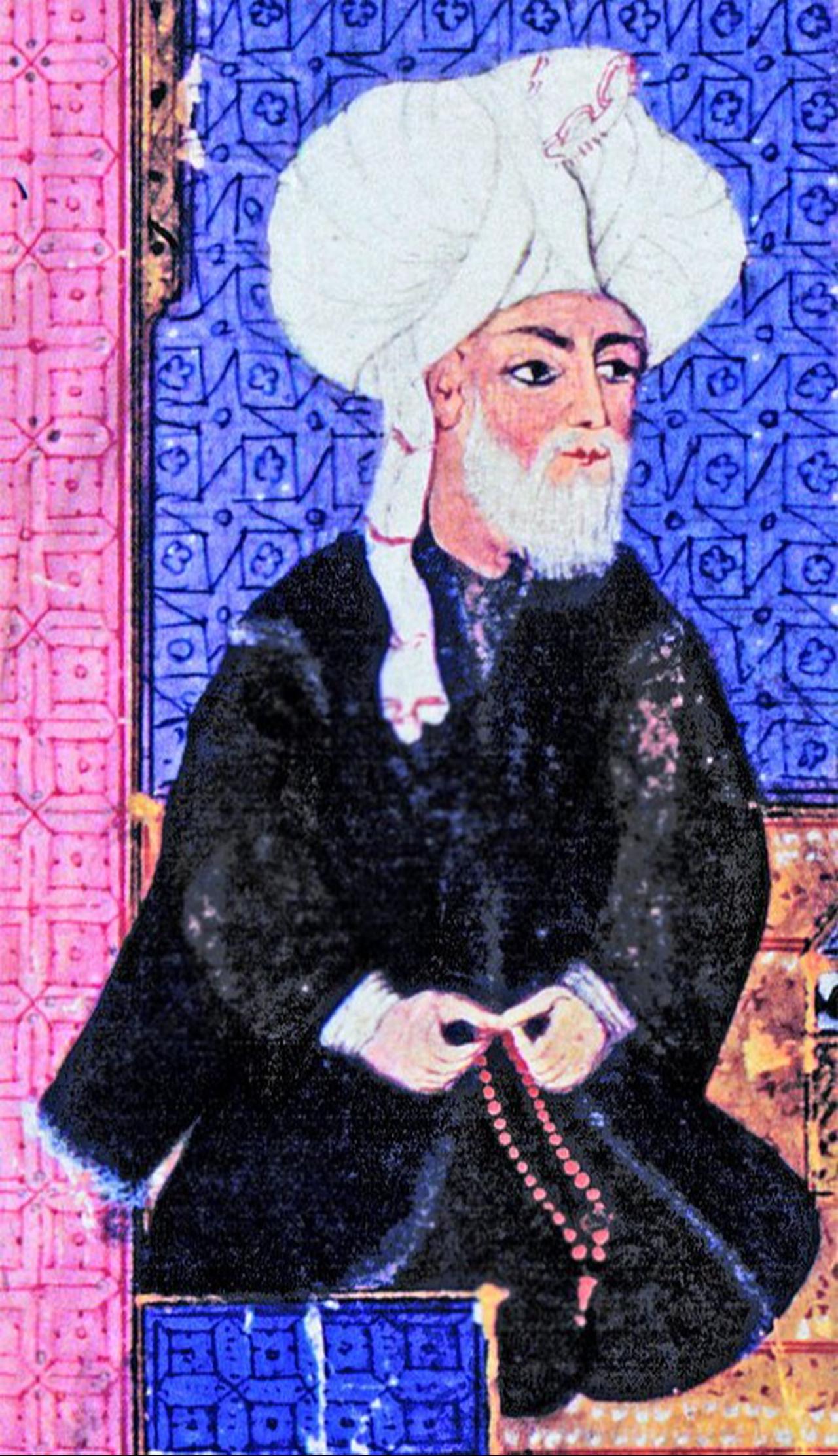
For much of the journey, Selim rode beside Kemalpasazade, known also as Ibn Kemal, the eminent scholar. Celebrated for his “Tevarih-i Al-i Osman, the Chronicles of the House of Osman,” a monumental history that remains one of the most important contemporary sources for the reigns he witnessed, he was also a poet, philosopher, and author of numerous treatises on hadiths and Islamic jurisprudence.
As they spoke of theology and history, the scholar’s horse stumbled on the uneven ground, sending a splash of mud onto the sultan’s kaftan. Ibn Kemal froze, mortified. Selim simply smiled.
“The mud that leaps from the hooves of a scholar’s horse is a blessing and an honor,” he declared to his attendants. “Bring me another robe. And when I die, cover my coffin with this one.”
This moment reveals much about Selim’s character. Stern, disciplined, and unyielding in war and statecraft, he was equally steadfast in his reverence for learning and the authority of the ulema. This was Yavuz: formidable in battle, uncompromising in conviction, and resolute in his humility before knowledge.
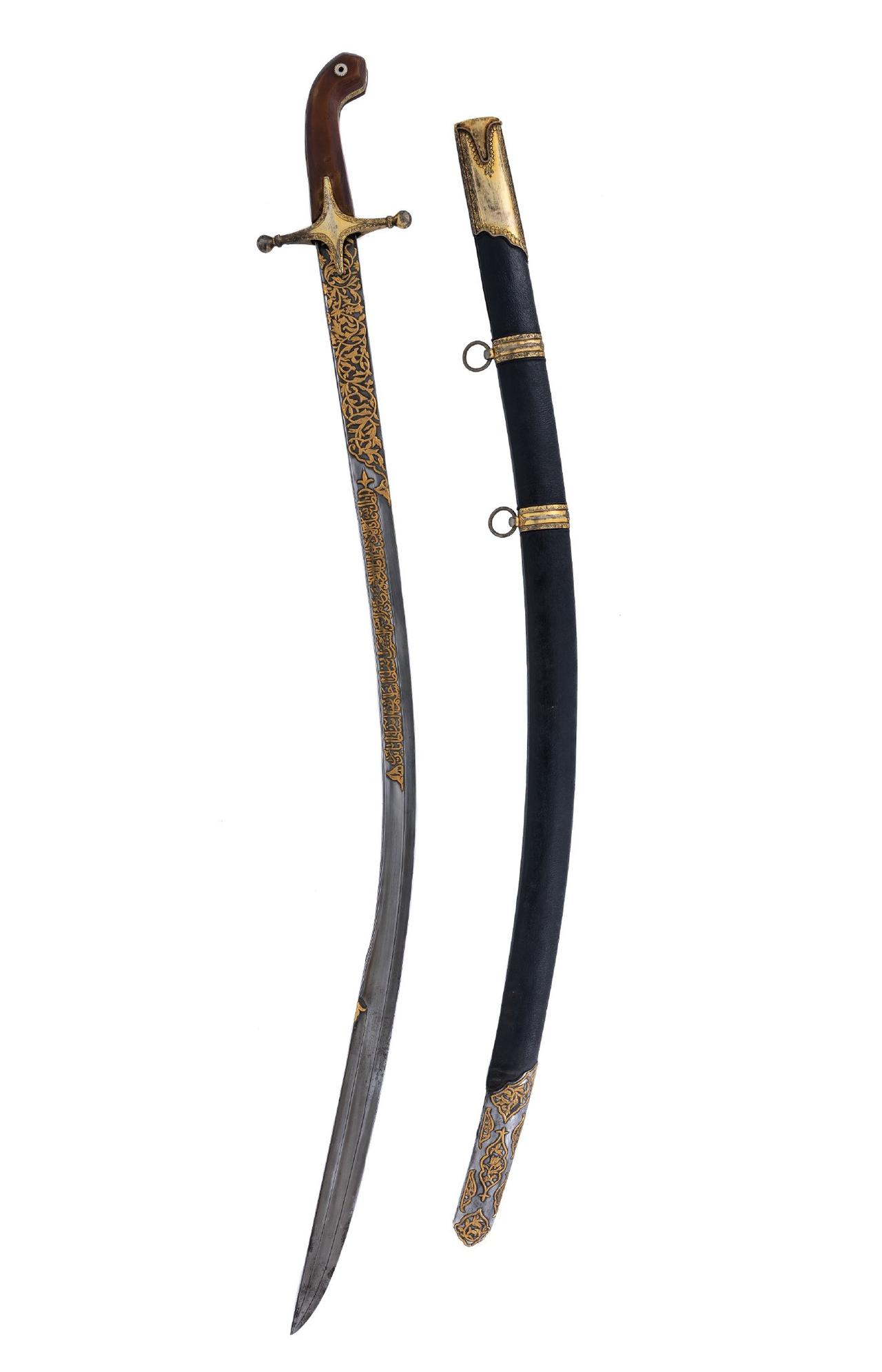
To stand in the presence of history is to touch the past, and in Istanbul, Yavuz Selim can be felt in many places.
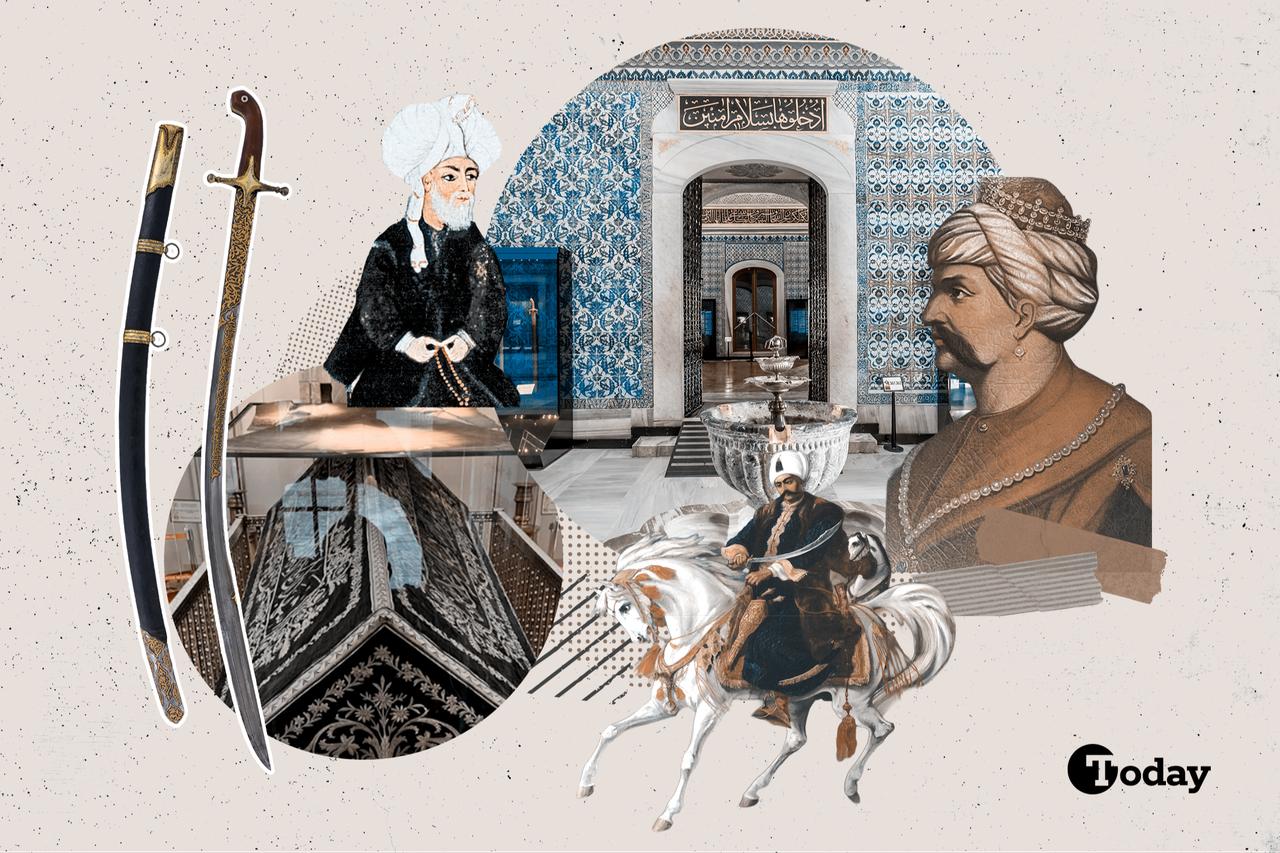
In the Hisart Museum, his sword rests on display, perhaps the very blade that flashed across the Ridaniye Plain, striking fear into the Mamluk army. In the Military Museum, a painting captures him in the heat of battle, mounted on his majestic white stallion, sword raised, the pyramids rising behind him, an image of resolute power.
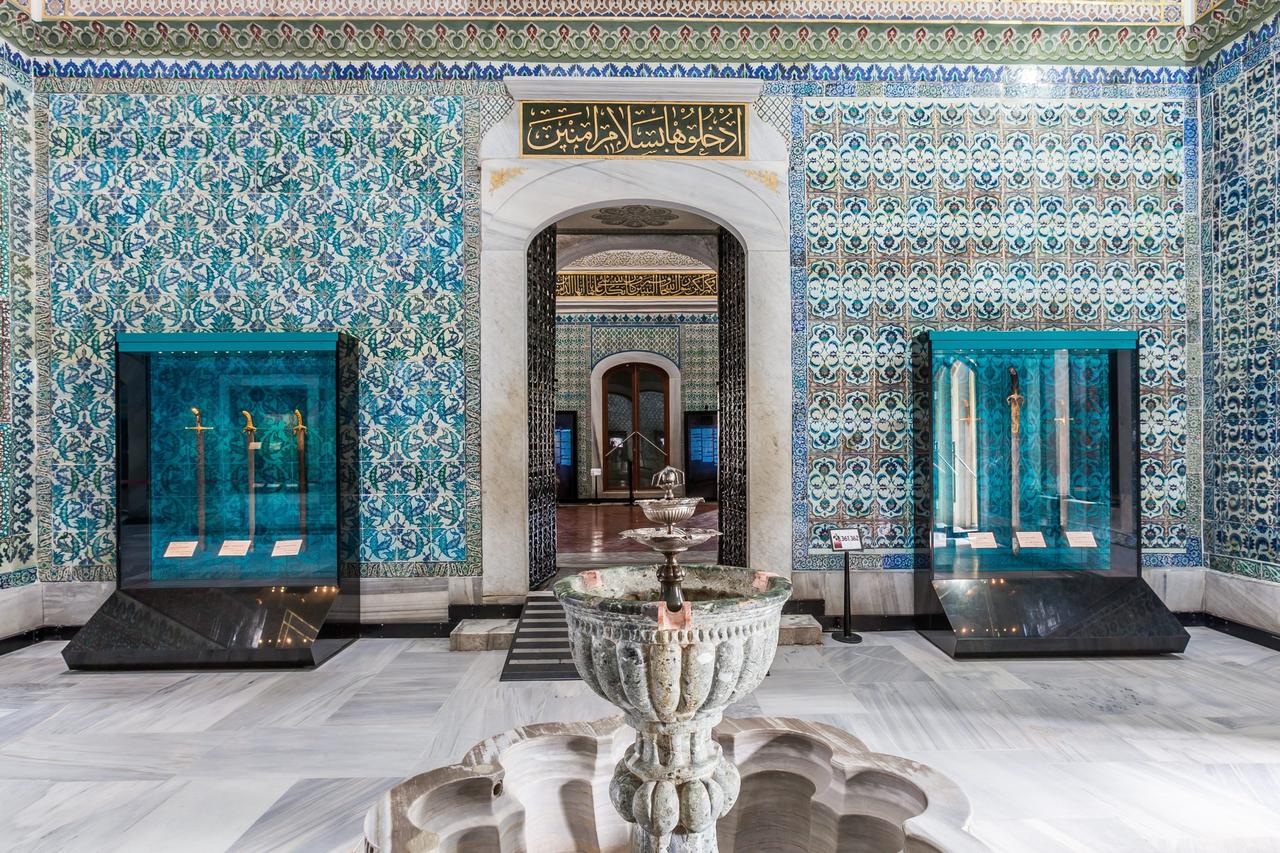
The sacred relics he carried from the Hejaz are preserved in the Topkapi Palace, their presence hallowed by the ceaseless, melodious recitation of the Quran, just as he ordained. They testify to his devotion, his role as protector of the Holy Cities and defender of Islam, and the weight of responsibility he bore with unflinching resolve.
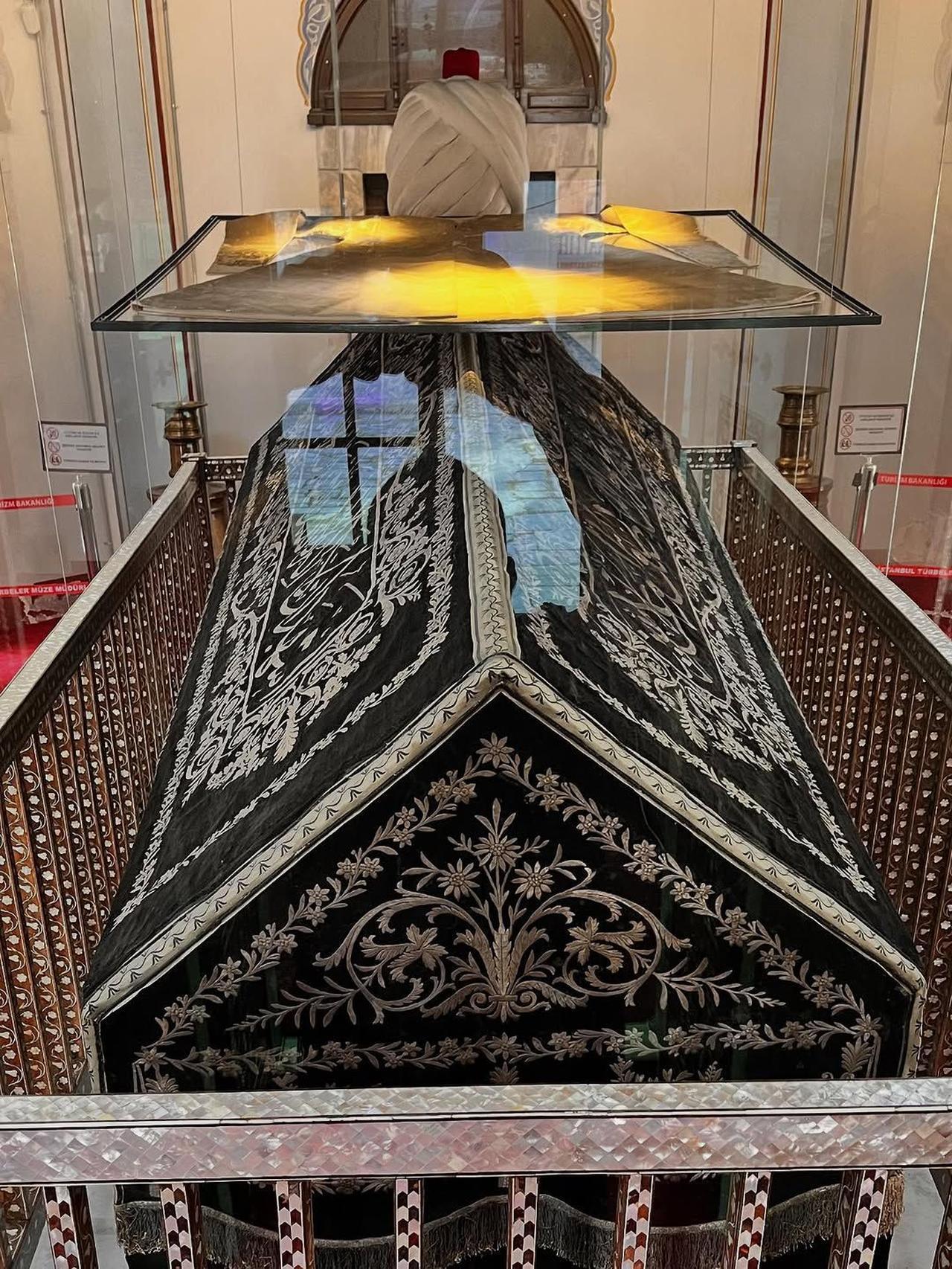
And in his turbe, as was his wish, the mud-splattered kaftan is suspended over his sarcophagus, a silent testament to a sultan who revered knowledge and scholarship. Like a canopy, it shelters him as he rests for eternity, a man of unbending will. Yavuz. The Resolute.
Until we meet again in the next “Sultan’s Salon.”


 Set as preferred source
 Set as preferred source



 1 min read