Newsletters


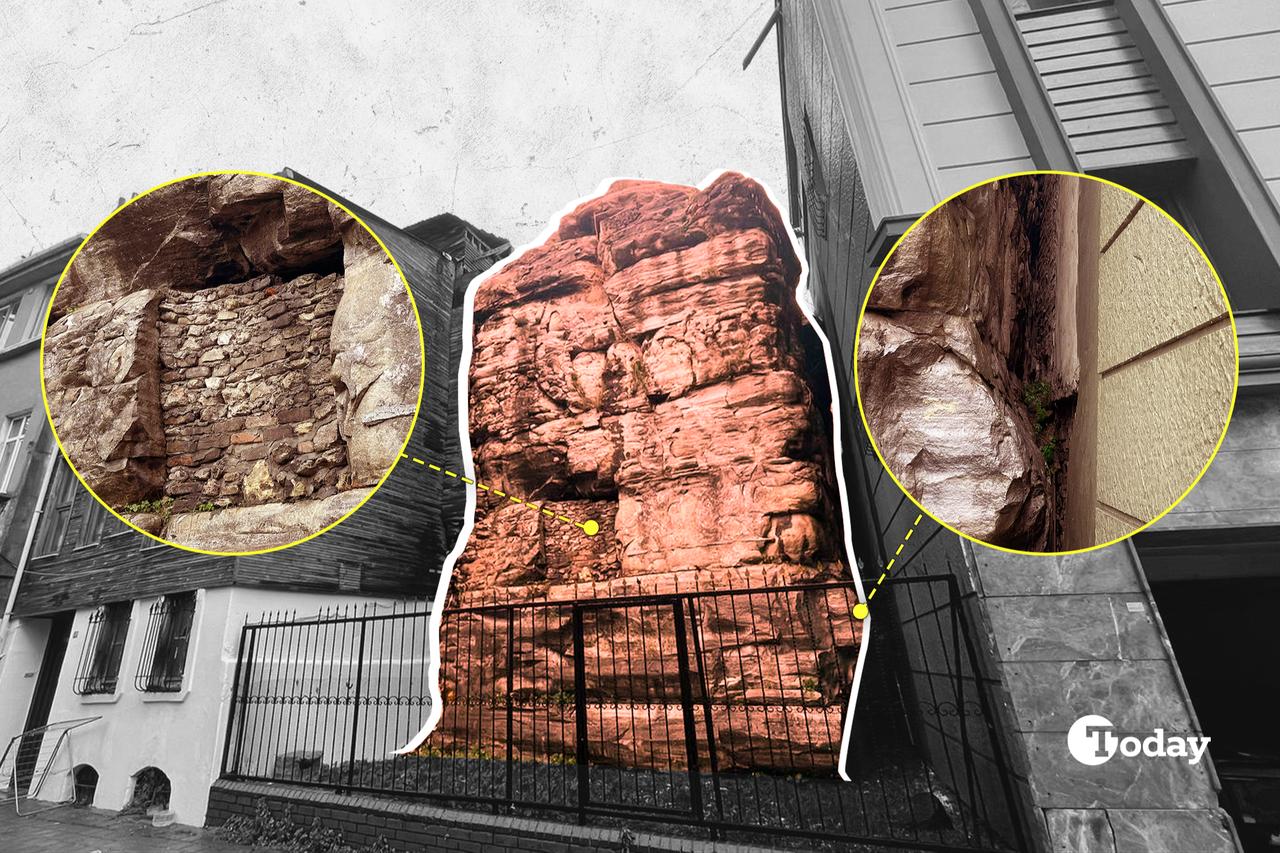


The Column of Arcadius, once one of the tallest and most elaborate triumphal monuments of the Roman world, now survives only as a battered base wedged between modern apartment buildings in Istanbul, highlighting how centuries of neglect and unplanned urban growth have overtaken a landmark that once defined imperial Constantinople.

Erected in the early 5th century A.D., the Column of Arcadius stood at the heart of the Forum of Arcadius on the 7th Hill of Constantinople, an area known in antiquity as the Xerolophos.
The monument was put up to mark Emperor Arcadius’ victory over Gothic forces led by the rebel general Gainas during the wars of 399–401. Although Arcadius died in 408, construction carried on, and the column was only finished in 421, during the reign of his son, Theodosius II, which is why the forum was sometimes associated with the younger emperor as well.
Inspired by earlier Roman triumphal columns, particularly those of Trajan and Marcus Aurelius in Rome and the Column of Constantine in Constantinople, the structure followed a well-established imperial tradition.
A massive marble shaft rose from a richly carved pedestal and was wrapped in a spiraling frieze that told the story of the campaign against the Goths. At the top once stood a colossal statue of Arcadius, probably cast in bronze, which later fell during an earthquake in 740.
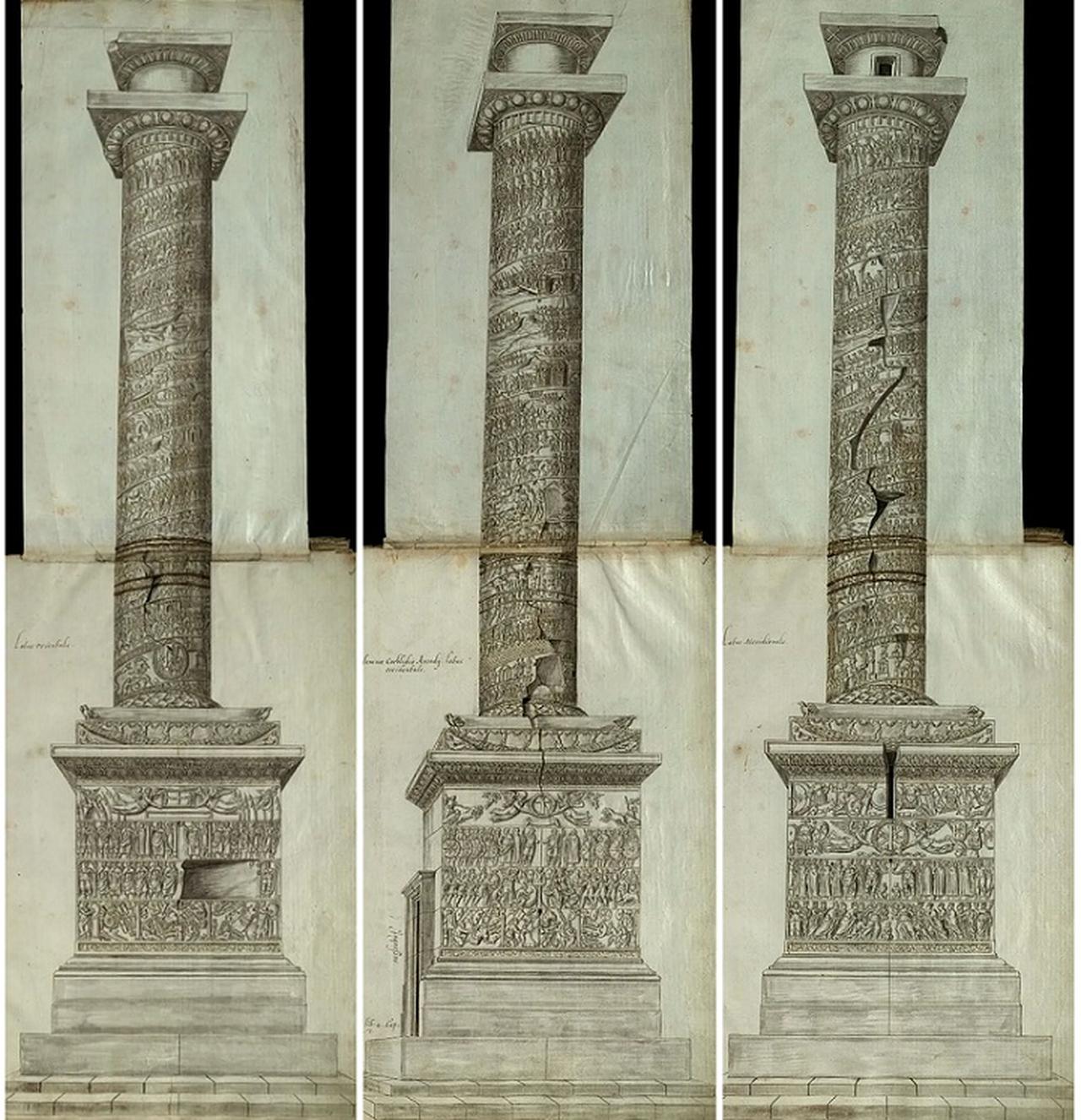
The column was not only meant to be admired from afar. Inside the shaft, a spiral staircase allowed visitors to climb all the way up to the summit.
The base and pedestal were equally complex, containing small interior rooms and a doorway that led into the staircase. Reliefs carved on the pedestal showed scenes of triumph, bound captives, Roman soldiers, senators, and symbolic figures representing cities and victories, all arranged in carefully structured horizontal bands.
Above the pedestal, decorative elements such as eagles, garlands, oak wreaths, and mythological hunting scenes marked the transition to the column shaft itself. The reliefs on the shaft continued upward in a clockwise spiral, ending beneath a Doric-style capital decorated with Christian symbols, including the Chi-Rho, reflecting the Christian character of the late Roman Empire.
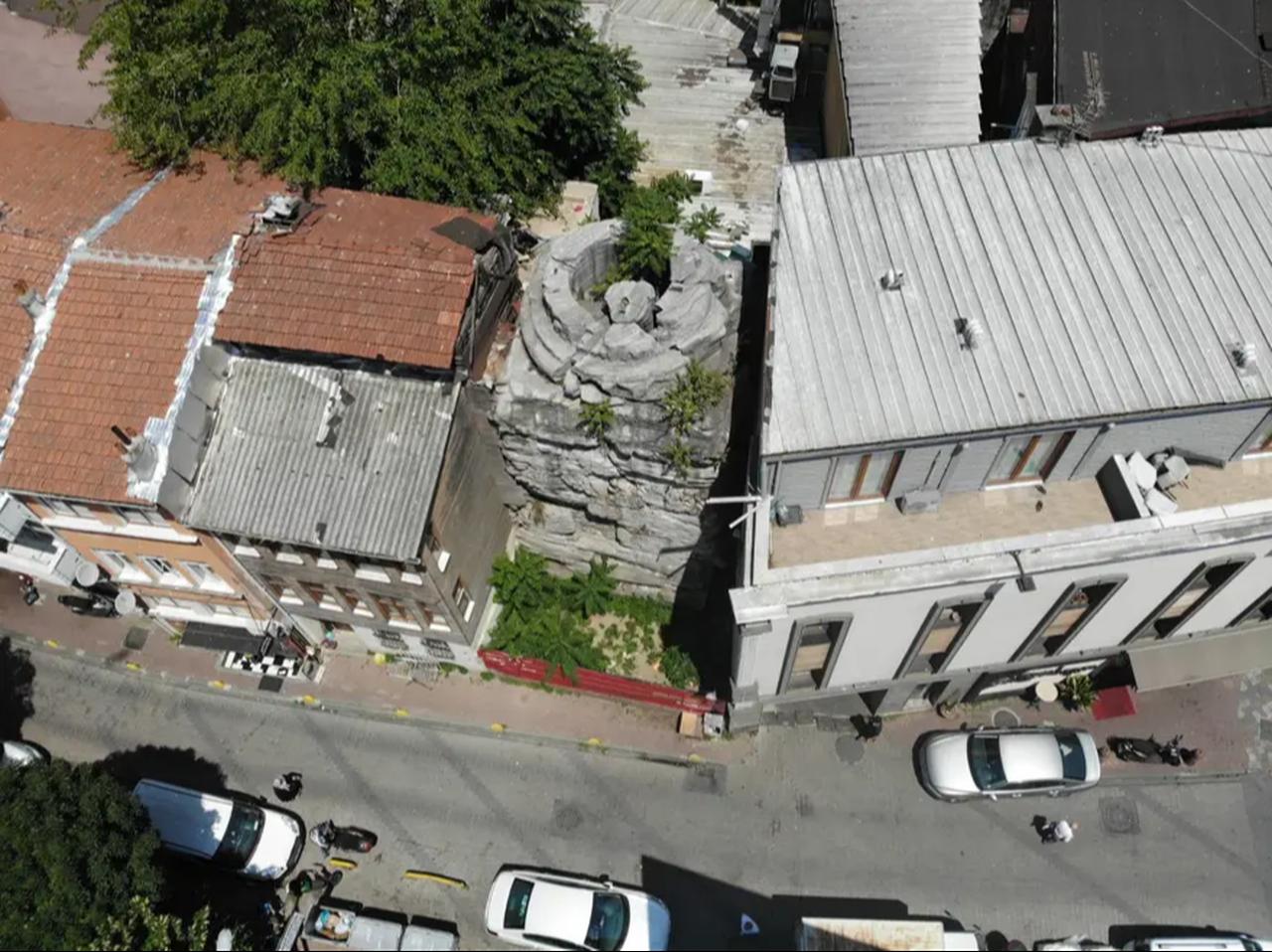
Natural disasters played a major role in the monument’s decline. A major earthquake in 1719 destroyed most of the structure, leaving only the lower portion standing. By that time, however, scholars had already taken an interest in the column.
During the Ottoman period, the French scholar Petrus Gyllius secretly climbed and measured the monument, later describing it in his writings. Detailed drawings of the reliefs were also produced in the sixteenth century by the Flemish artist Lambert de Vos, and these images remain crucial records of decorations that have since been lost to fire and erosion.
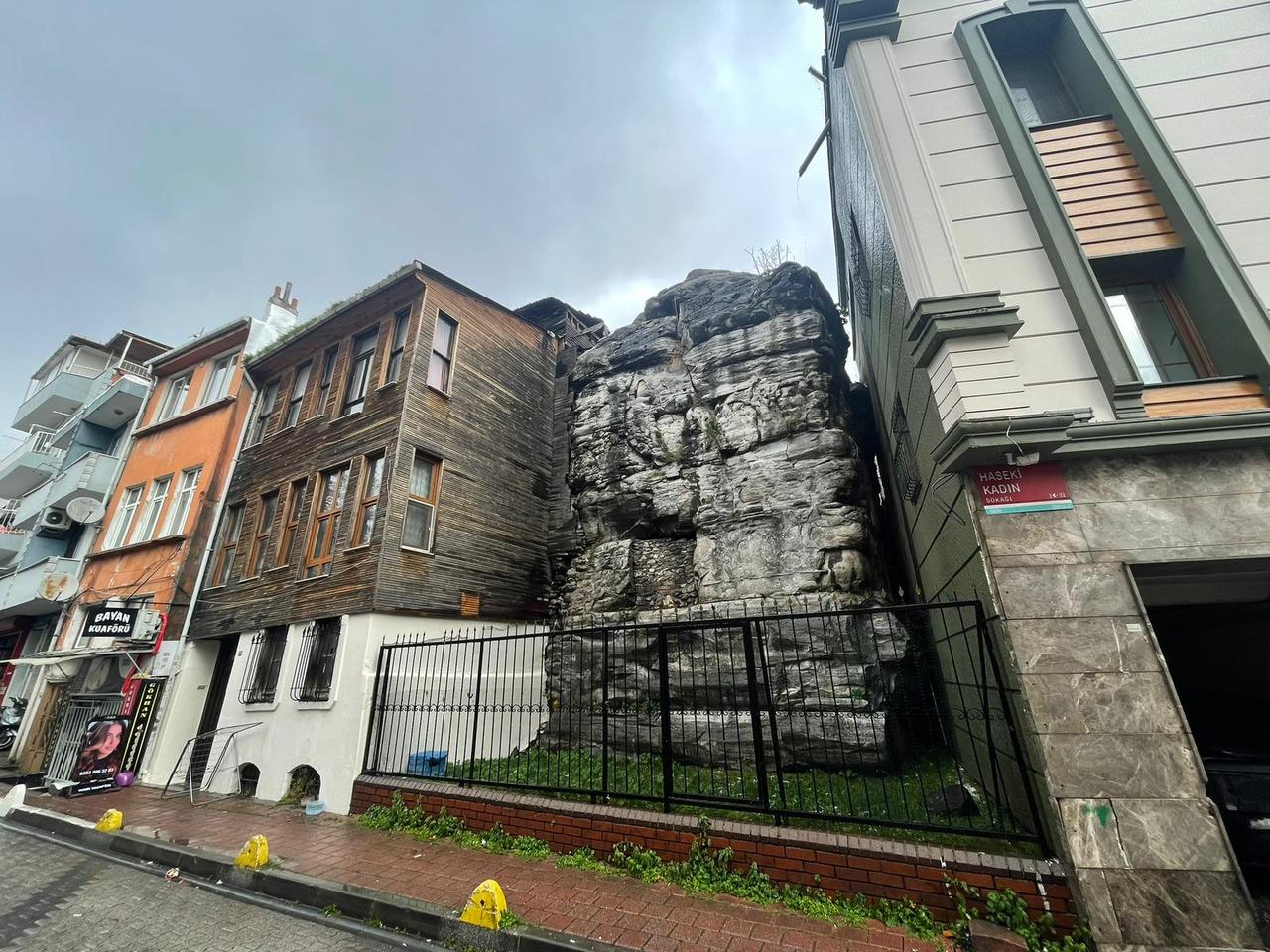
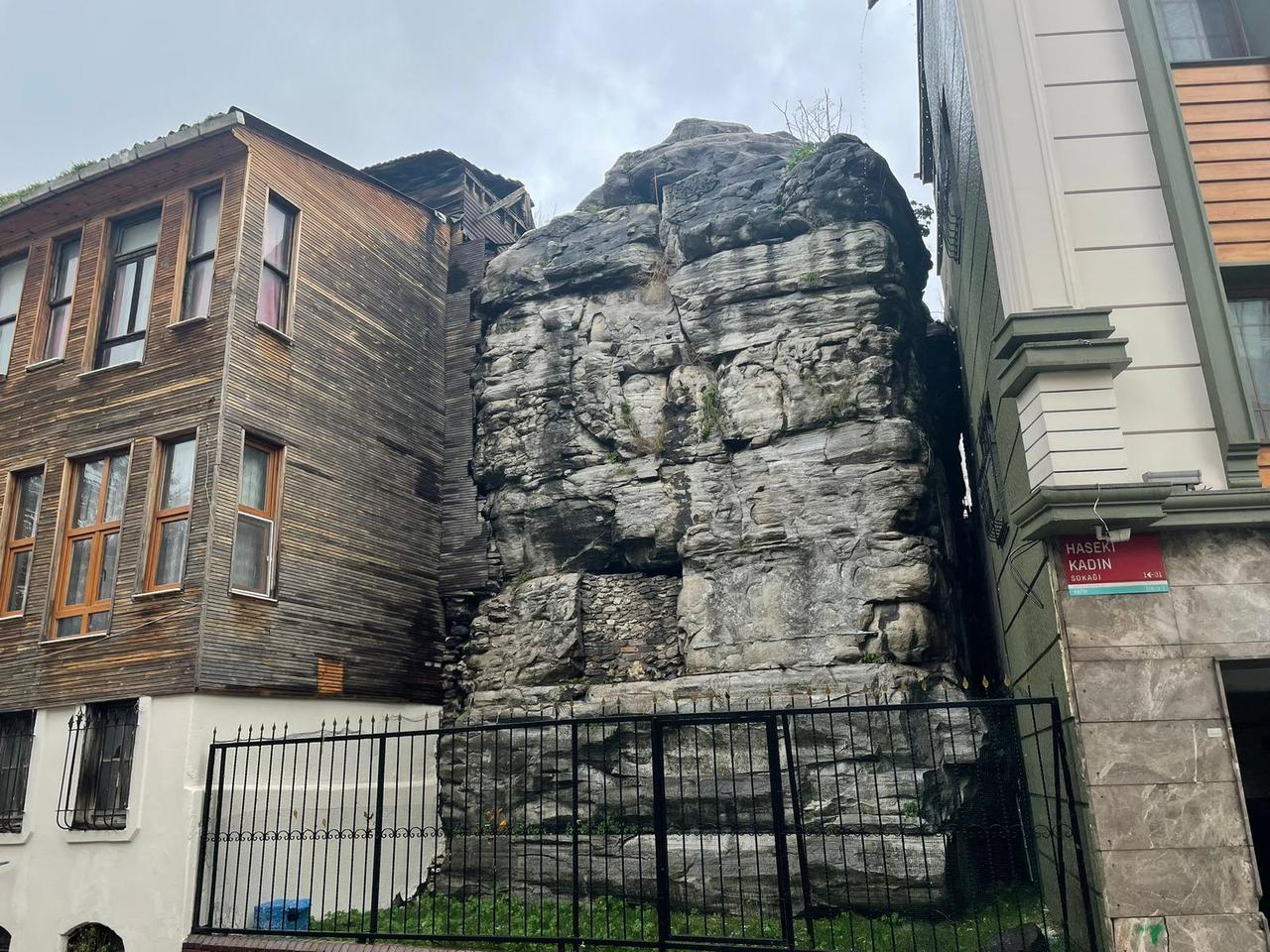
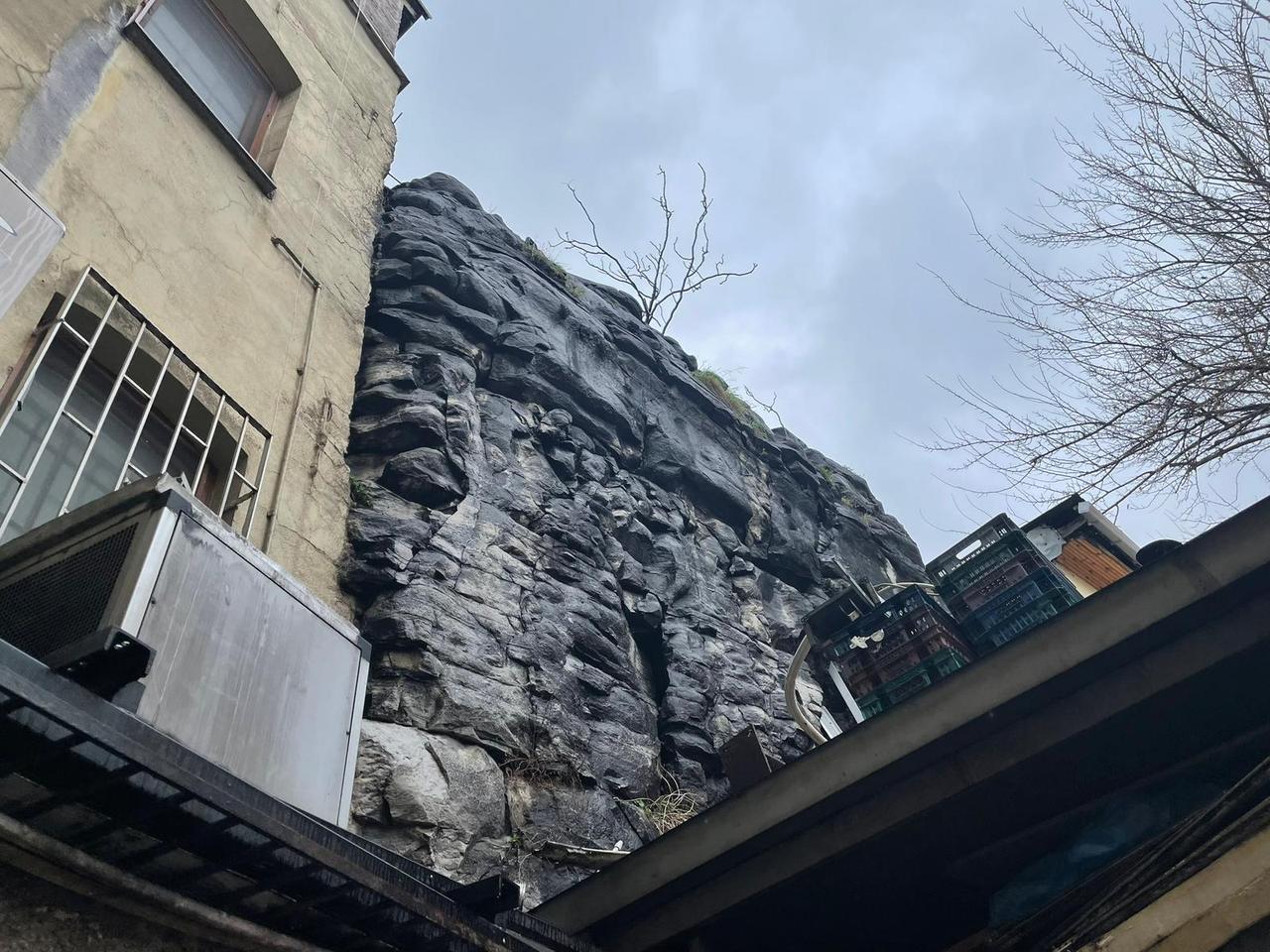
Today, only about 11 meters of the monument survive, consisting of the base, pedestal, and a small section of the lowest sculpted band of the shaft. Known locally as Avrat Tasi, the remains stand on Haseki Kadin Street in the Fatih district of Istanbul, squeezed between two three-story buildings.
A metal fence blocks direct access, while the surviving carvings are heavily worn and marked by deep cracks caused by long-term neglect.
Turkish officials have acknowledged that the site is suffering from unplanned urbanization and have stated that conservation work is needed. Proposals have included creating a small open square around the remains to give the monument breathing space and improve its visibility, although no details on timing or funding have been made public.
Despite its ruined state, the Column of Arcadius remains an important historical source. Its reliefs, as recorded in early drawings and descriptions, provide a detailed visual narrative of late Roman warfare, imperial ideology, and the blending of classical and Late Antiquity symbolism.
Scenes range from military campaigns and naval encounters to formal triumphs shared symbolically by Arcadius and his western co-emperor, Honorius, even though such a joint celebration never actually took place.
Once dominating the skyline of Constantinople, the Column of Arcadius now survives as a fragment, but it continues to bear witness to the city’s Roman past and to the challenges of preserving ancient heritage within a rapidly changing modern metropolis.


 Set as preferred source
 Set as preferred source


 3 min read