Newsletters


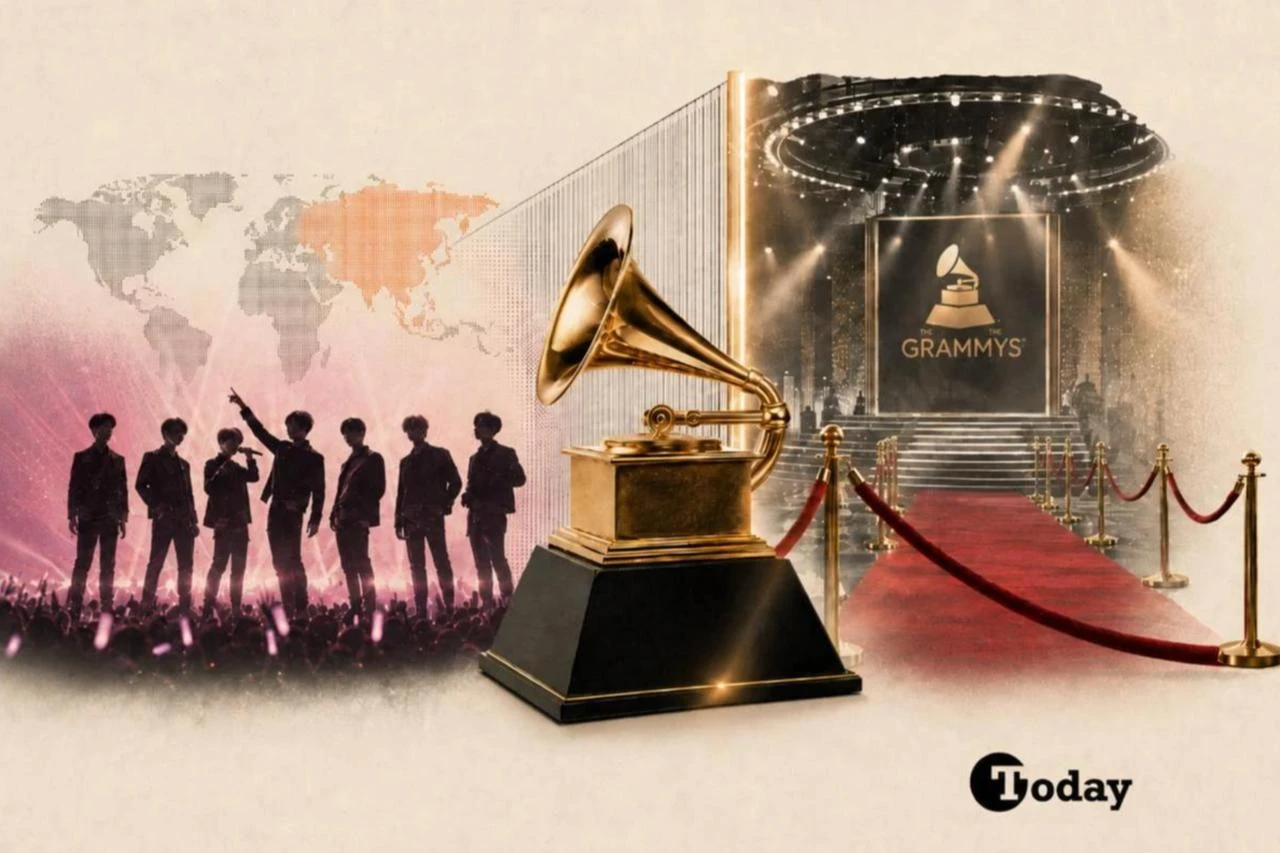


The Grammy Awards have faced many scandals over the years, including accusations of racial bias, boycotts, and headline-making snubs.
This one was buried in their foundation. It surfaced only when someone refused to play along.
In June 2026, the Recording Academy announced a new category to recognize K-pop, J-pop, and C-pop. To qualify, songs needed to use an Asian language in a meaningful way. Grammy CEO Harvey Mason Jr. described this move as a celebration.
Just over six weeks later, the group most likely to benefit from the new category chose not to take part. All seven BTS members posted the same statement to Instagram: "We hope our music can be heard and loved for what it is, rather than being divided by region or language."
After that, the usual cycle began: headlines about hurt feelings, articles on representation, and fan reactions. But beneath all the discussion was a bigger question, not just about BTS. It was about how institutions decide what counts as mainstream when the music industry is no longer focused in one place.


For decades, the Grammy Awards have approached international music by creating separate categories for it.
Latin music got its first Grammy category in 1975 with Best Latin Recording, which pianist Eddie Palmieri won. Sixteen years later, the Grammys added World Music categories. In 2024, they introduced Best African Music Performance, and in June 2026, they added Best Asian Pop Music Performance.
At first glance, this approach seems fair. More genres get recognition and more artists have a chance to be seen.
However, there is a clear gap in this pattern.
Right now, the Grammys do not have a Best European Music Performance category or any Europe-wide award. There are no specific awards for Scandinavian pop, Welsh rock, or Eastern European music. Instead, European artists compete in the general categories like Album of the Year, Record of the Year, and Best Pop Album, without any regional label.
This absence is important because it shows how the system works. Regional categories are not for all music from outside the United States. They are for music that does not fit into the categories that define mainstream success.
Music critic Walton Muyumba raised this issue when the African Music category was announced in 2023. "So what are you going to do with Angelique Kidjo?" he asked. Kidjo, a five-time Grammy winner with 16 nominations, was already part of the Grammy ecosystem. She had competed and won in world music and jazz categories. The new African category did not address her situation; instead, it made people wonder what problem the new category was really meant to solve.
This points to an institutional pattern: The Grammys create regional categories when music from a region becomes too popular to overlook, but they are not ready to include it in the mainstream categories where the most prestige is found.
BTS has been nominated for five Grammy awards but has not won any yet. In 2021, their song "Dynamite" was up for Best Pop Duo/Group Performance.
"Dynamite" has reached 2.1 billion streams and is one of the most successful K-pop songs ever. However, because it is in English, it would not qualify for the new Asian Pop Music Performance category. The rules say songs must use one or more Asian languages in a meaningful way. English songs, no matter how popular, are not eligible.
This creates an odd situation. One of BTS' biggest global hits would not be eligible for a category designed to honor Asian pop music.
Bad Bunny's path was different.
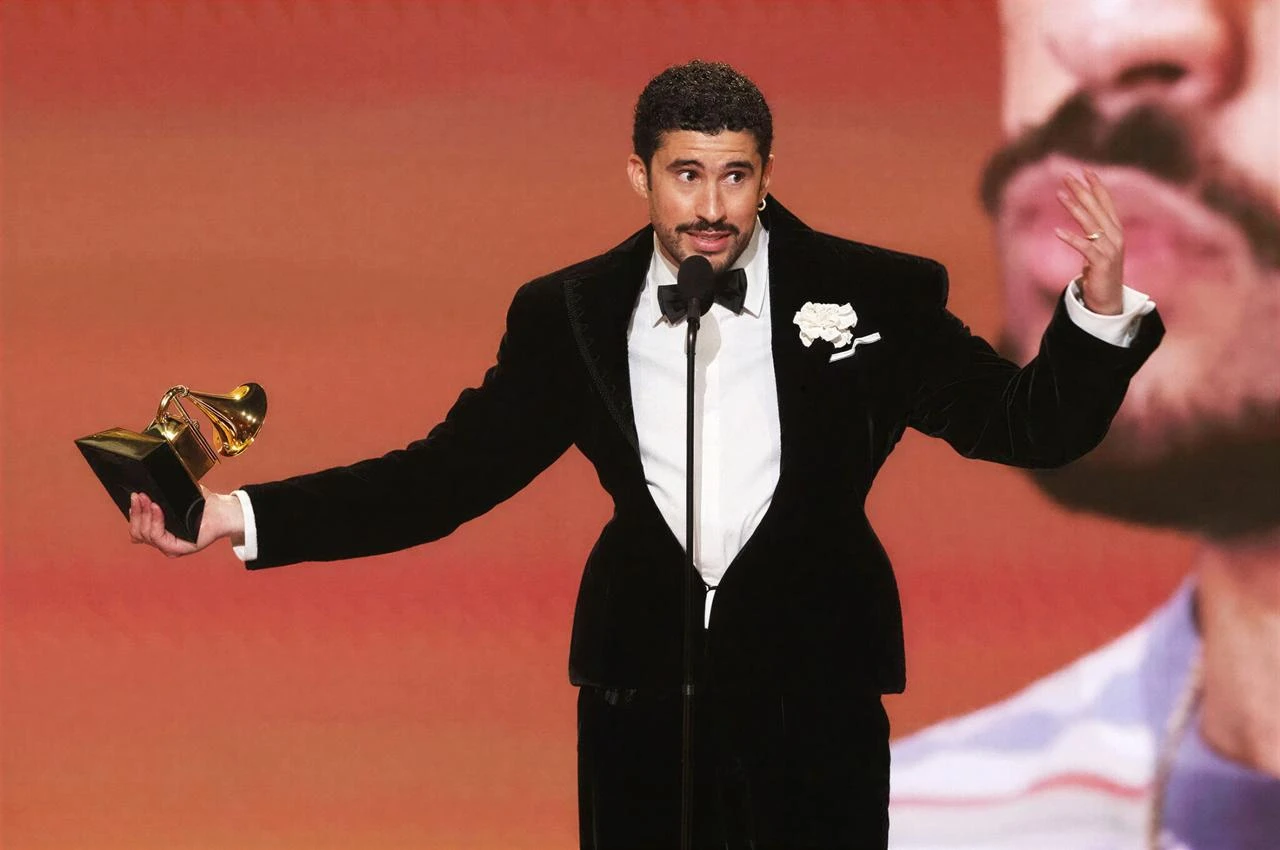
In 2023, Bad Bunny’s album "Un Verano Sin Ti," which is entirely in Spanish, was nominated for Album of the Year but did not win. Then in 2026, his album "Debi Tirar Mas Fotos," also in Spanish, was nominated and won. He became the first artist to win Album of the Year with a Spanish-language album.
He competed in both a specialized Latin category and in the main General Field. In 2023, "Un Verano Sin Ti" won Best Musica Urbana Album and was also nominated for Album of the Year. Three years later, "Debi Tirar Mas Fotos" won both Best Musica Urbana Album and Album of the Year. His experience shows that a specialized category does not have to be a limit.

The Recording Academy did not create regional categories out of malice. Mason Jr. explained the Asian Pop category this way: "The Asian Pop category was created to celebrate the depth, diversity and extraordinary growth of pop artistry coming out of Asia. The spirit of this new category is to shine a dedicated spotlight on these important artists."
His reasoning is simple: more categories create more chances for artists. Newer artists get visibility they might not have in crowded general categories. Voting members have to pay attention to genres they might usually miss. In this view, recognition grows as more categories are added.
But this way of thinking assumes regional categories only create opportunities. The evidence shows a different story.
When Tyla won the first Best African Music Performance award in 2024 at age 22, it was a big moment in her fast-growing international career. The category gave her a spotlight as a new artist, but it also brought a level of scrutiny that general pop categories usually do not.
As Tyla became more well-known worldwide, people online questioned whether her music was "African enough," a criticism she has since responded to directly.
Music journalist Beth Simpson observed the pattern: "One man's 'dedicated spotlight' is another person's ghetto. Depending on where you stand on the globe."
This difference is important. For new artists, regional categories offer visibility and help them in the industry. For artists who are already successful worldwide, these categories work differently. They become signs of being placed in a separate group.

The numbers show why regional categories are now complicated. Global K-pop streams on Spotify grew by 362% from 2018 to 2023. In 2024, Bloomberg called K-pop a $9.3 billion industry. South Korea is now the fourth-largest music exporter in the world and the only non-English-speaking country.
These numbers do not describe a regional trend that just needs local recognition. Afrobeats and Latin trap show the same pattern. The music industry's center of gravity has shifted and is no longer based in one place.
Still, the Grammys have responded by adding more regional categories, trying to manage growth that has already gone beyond the old framework.

The Grammy Awards are facing an identity crisis, even if they do not see it that way.
The Grammys were created for a music industry focused on Western production and audiences, a time when international music mostly stayed within its own markets. Back then, regional categories made sense because they matched how the industry worked.
That industry is gone. K-pop, Afrobeats, and reggaeton are not just regional successes looking for recognition; they are now mainstream, even though the Grammys still treat them as regional. Instead of broadening the idea of what is mainstream, the Grammys have just added more regional categories.
Having a Best Asian Pop category while Best Pop Album has no geographic label sends a message about hierarchy. Western pop competes without limits, while Asian pop is judged within its own region.
Mason Jr. says the goal is to celebrate, not divide, but the structure matters more than the intent. The way the categories are set up shows what the institution really thinks is mainstream.
It is not that regional categories are wrong, but artists who become bigger than their region will keep pushing back against being limited by it. BTS stepped away, and others are paying attention.
The real question is not if more categories will be added, but whether the Grammys can adapt when the artists they want to honor no longer accept the current system.

According to their response, the Recording Academy created regional categories with genuine intent: to expand recognition, to celebrate underrepresented music, to make room for artists who might otherwise be overlooked.
However, these rules create a divide. On one side is music that competes for the top awards without any extra requirements. On the other side is music that only gets recognition if it meets certain geographic or language criteria.
This divide is getting harder to justify. When top global artists have to choose between being recognized and feeling like they belong, it shows what the system really values.
In a truly global music industry, what does mainstream really mean? And who has the right to decide?


 Set as preferred source
 Set as preferred source



 3 min read