Sign in
 Newsletters


 Featured


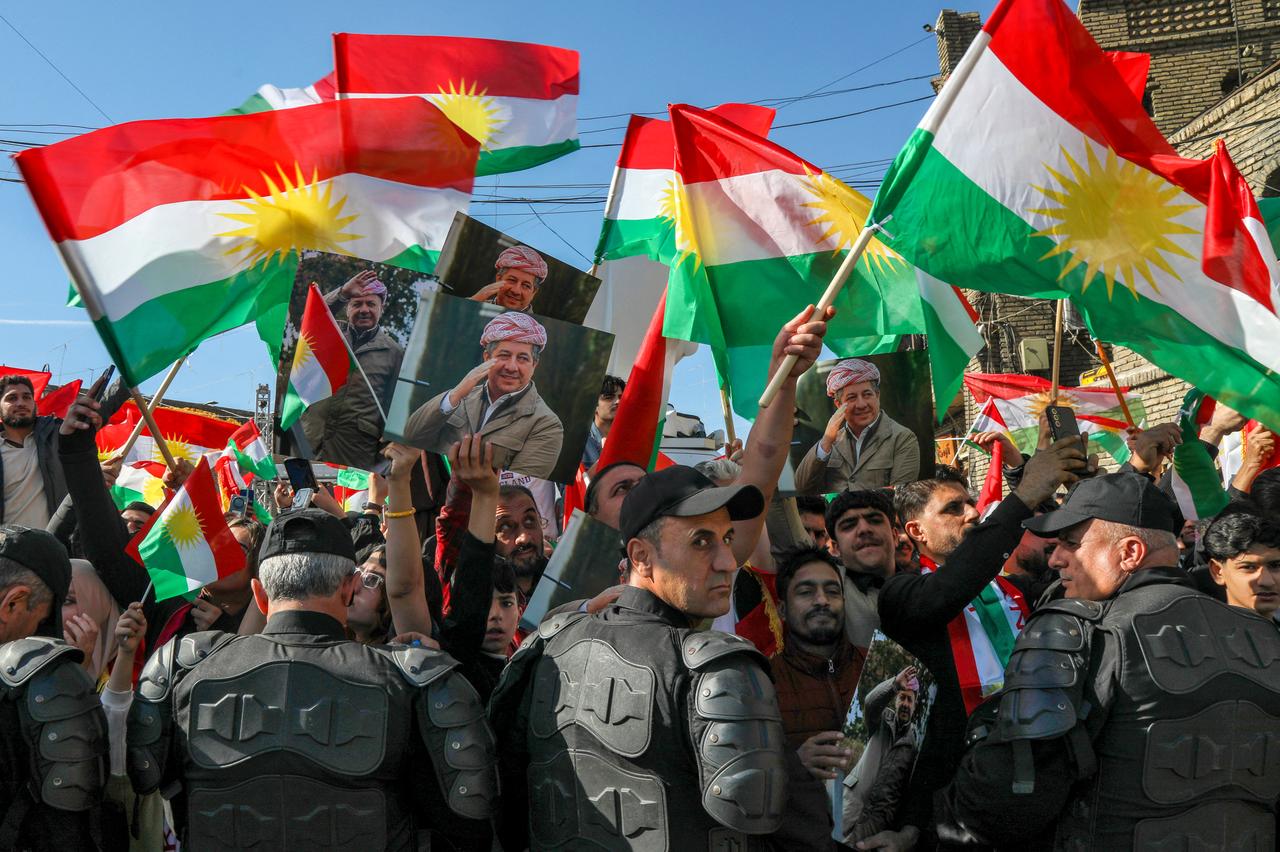
On Thursday night, the flares came out in Erbil. Thousands of Kurds filled the streets of the regional capital, waving the autonomous region’s flag, protesting an order from Baghdad that puts the region's international border crossings and several oil fields under federal control.
Prime Minister Ali al-Zaidi says he is plugging a leak. Iraqi authorities estimate oil smuggling cost the state more than $100 billion over nearly two decades, and Zaidi has accused unnamed groups of wanting the borders to stay "full of gaps at the expense of national sovereignty."
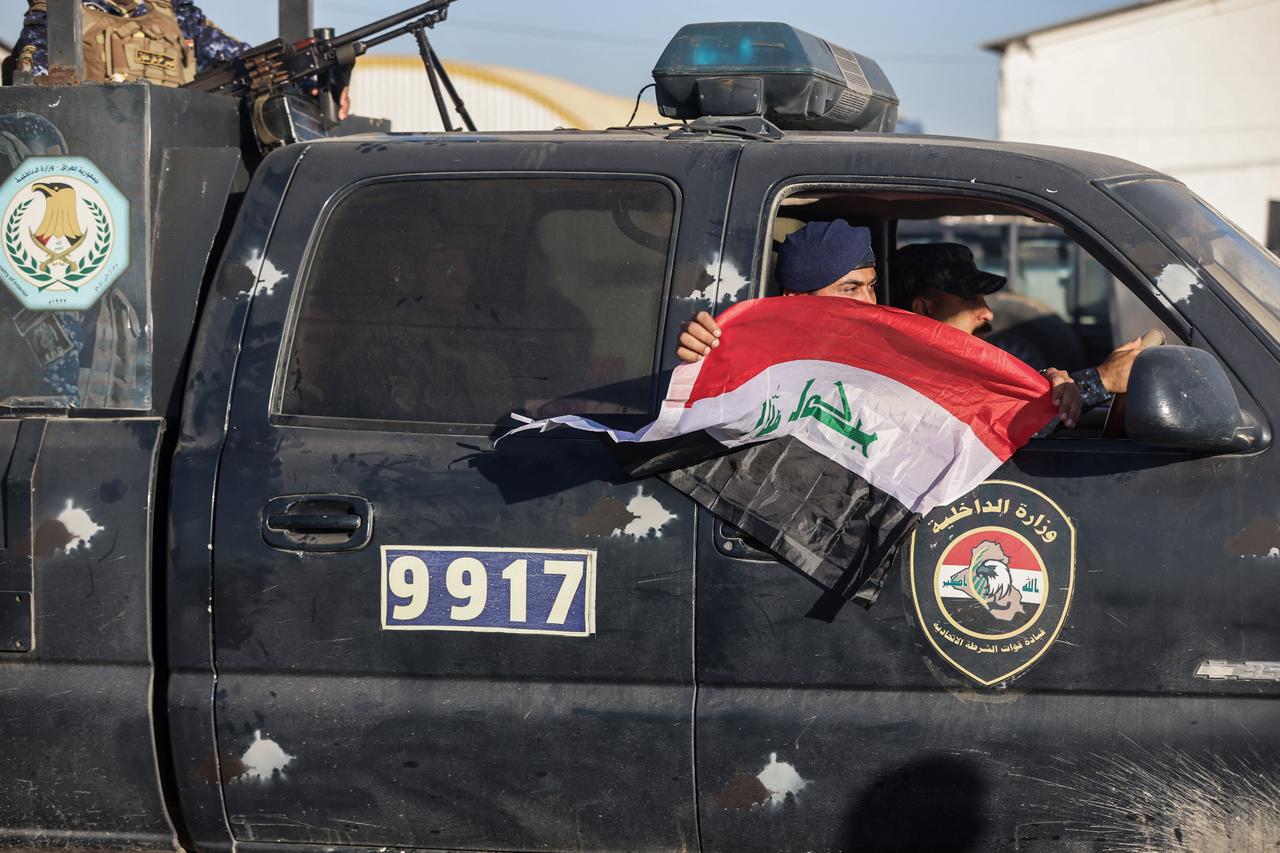
He has ordered the Border Ports Authority to take over every crossing in the Kurdistan Region, and on Wednesday the Federal Supreme Court ruled that federal troops may deploy along all of Iraq's borders, including those Erbil has run for three decades.
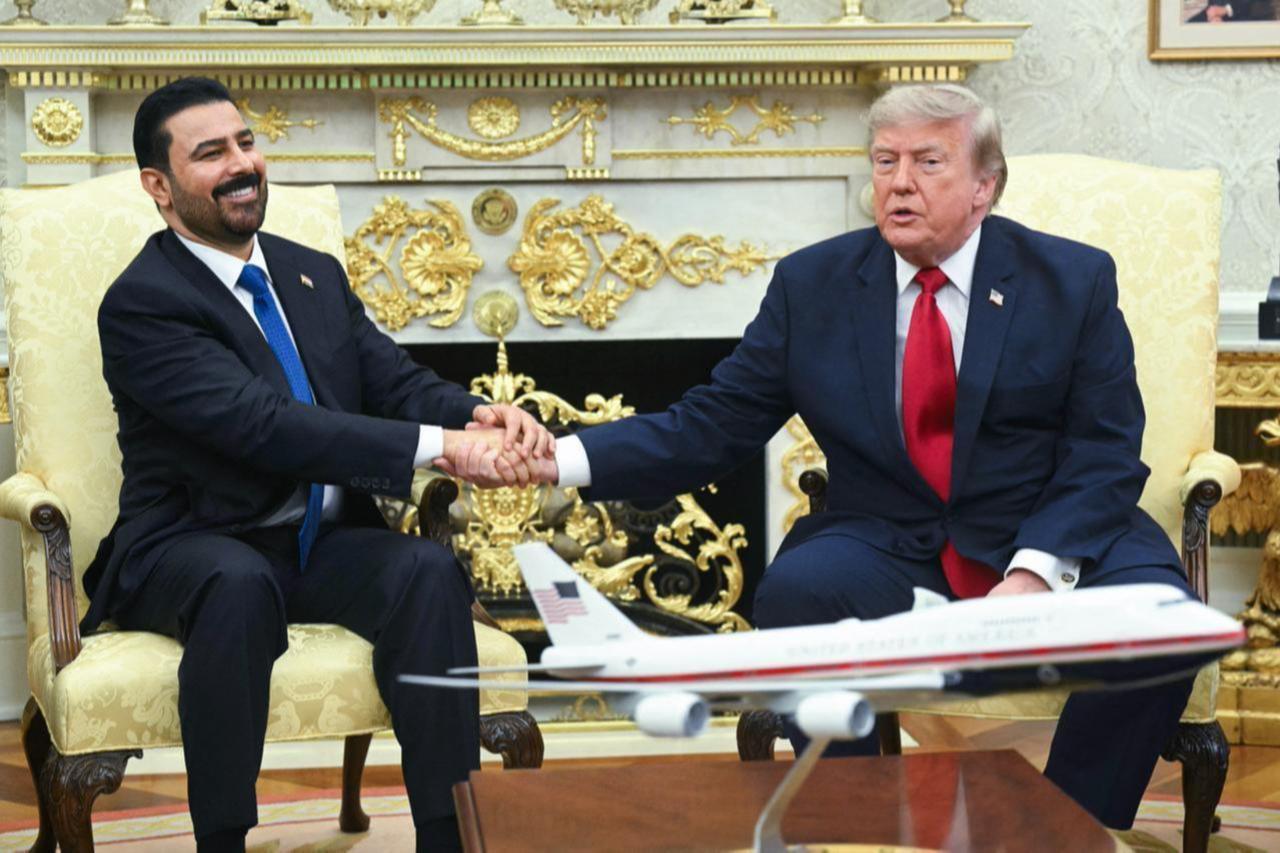
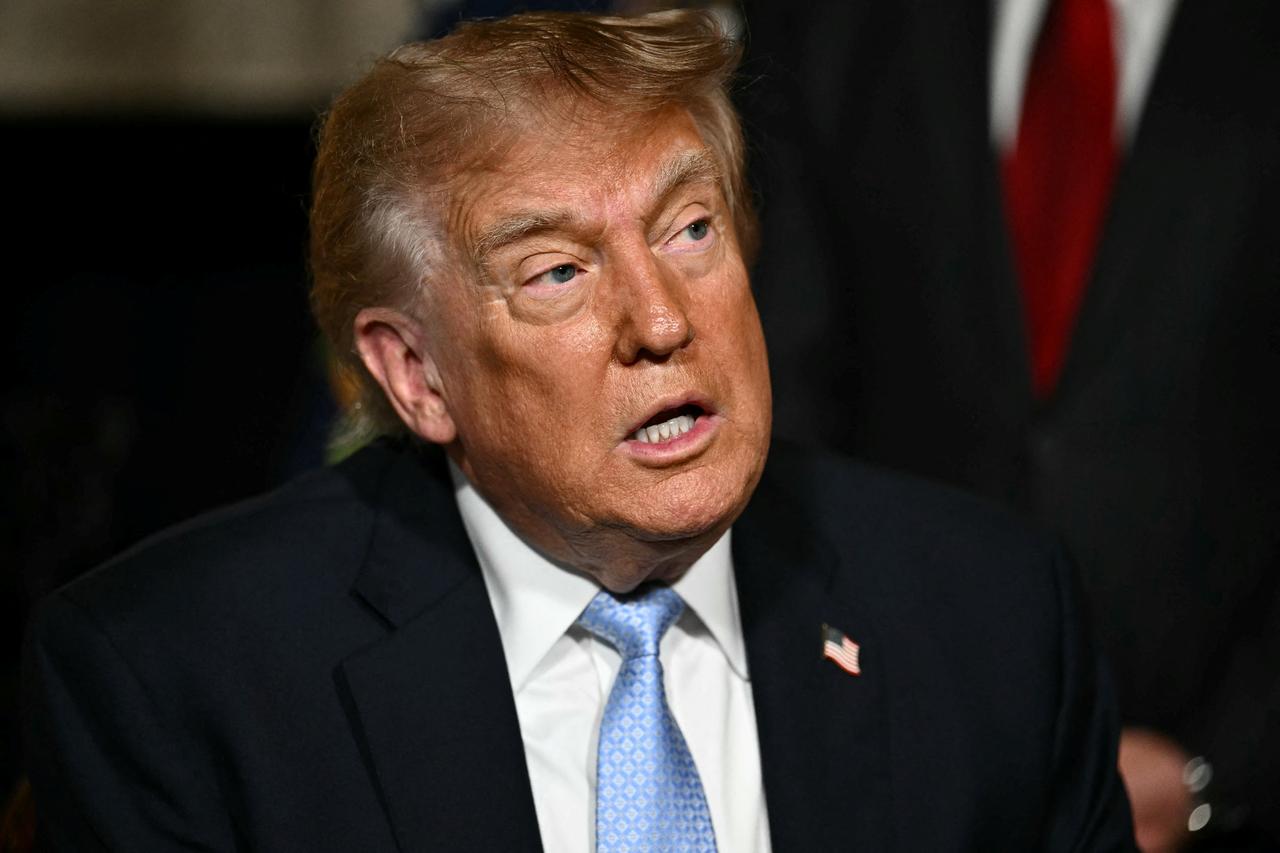
On Friday, the White House weighed in. "We support Iraqi Prime Minister Ali al-Zaidi's efforts to assert state authority throughout Iraq," Donald Trump wrote on Truth Social. "Throughout Iraq" includes Erbil.
For 18 months, Tom Barrack, the U.S. ambassador to Türkiye and special presidential envoy for Iraq and Syria, has argued that federalism in the Middle East is a trick of the light. He has carried that line from city to city: to an Atlantic Council event in Washington, to the Antalya Diplomacy Forum on Turkish soil, and to Damascus and Baghdad.
In 2017, Türkiye sided with Baghdad against Erbil. This time it has two options.

"What we've learned is that federalism doesn't work," Barrack said in July 2025, talking about Syria and Iraq. At the Doha Forum that December he went further, saying that centralization, decentralization and federalization are all "illusions" created by governments. Baghdad, still the guardian of a federal constitution, was not amused. Foreign Minister Fuad Hussein expressed the government's "astonishment" and called the federal system "indispensable."
Eleven months later, the astonishment has worn off. According to Renad Mansour, who directs the Iraq Initiative at Chatham House, Baghdad's leadership now believes "federalism hasn't worked," and Washington is pushing in the same direction.
Barrack has already applied the doctrine in Syria, where he told the Kurdish-led SDF that "there is only one road, and that road is to Damascus," and in January he backed a ceasefire and integration deal that folded SDF and governance into the Damascus state.
Washington's stated priority was national unity "without endorsing separatism or federalism." That was also Ankara's line, almost word for word: Turkish defense ministry sources said Türkiye would "never allow decentralization in Syria."
Kamaran Palani, a senior fellow at the Middle East Peace and Security Forum, sees a patron walking away. The Kurds are losing American support, he said, partly because of "Trump's disappointment with the Kurds during the Iran war" and partly because of the president's personal investment in Zaidi, who, Trump said in May, won "with our help."
Washington has not abandoned the brakes entirely. The U.S. has reportedly urged Zaidi to rule out the use of force and offered to mediate. But Palani said the Kurds do not see Washington as an honest broker, because Iraq is "very much part of the broader regional trend towards centralization, and they did it in Syria."
Zaidi's order covers the crossings with Türkiye too. That matters because the Kurdistan Regional Government (KRG) controls Iraq's entire border with Türkiye. Baghdad now claims all of it.
Ankara has played this scene before. In 2017, after Erbil's independence referendum, Iraqi and Turkish army forces took control of the Habur border gate, known as Ibrahim Khalil on the Iraqi side, from the Kurdistan Regional Government. Back then, Türkiye was punishing a referendum.
Ankara's map of Iraq has been redrawn since then. For years, Erbil was its front door: Kurdish crude flowed north through Turkish pipes, and between 2014 and 2018 it did so without Baghdad's permission. This summer, the guest signing deals at the Presidential Complex in Ankara came from Baghdad.
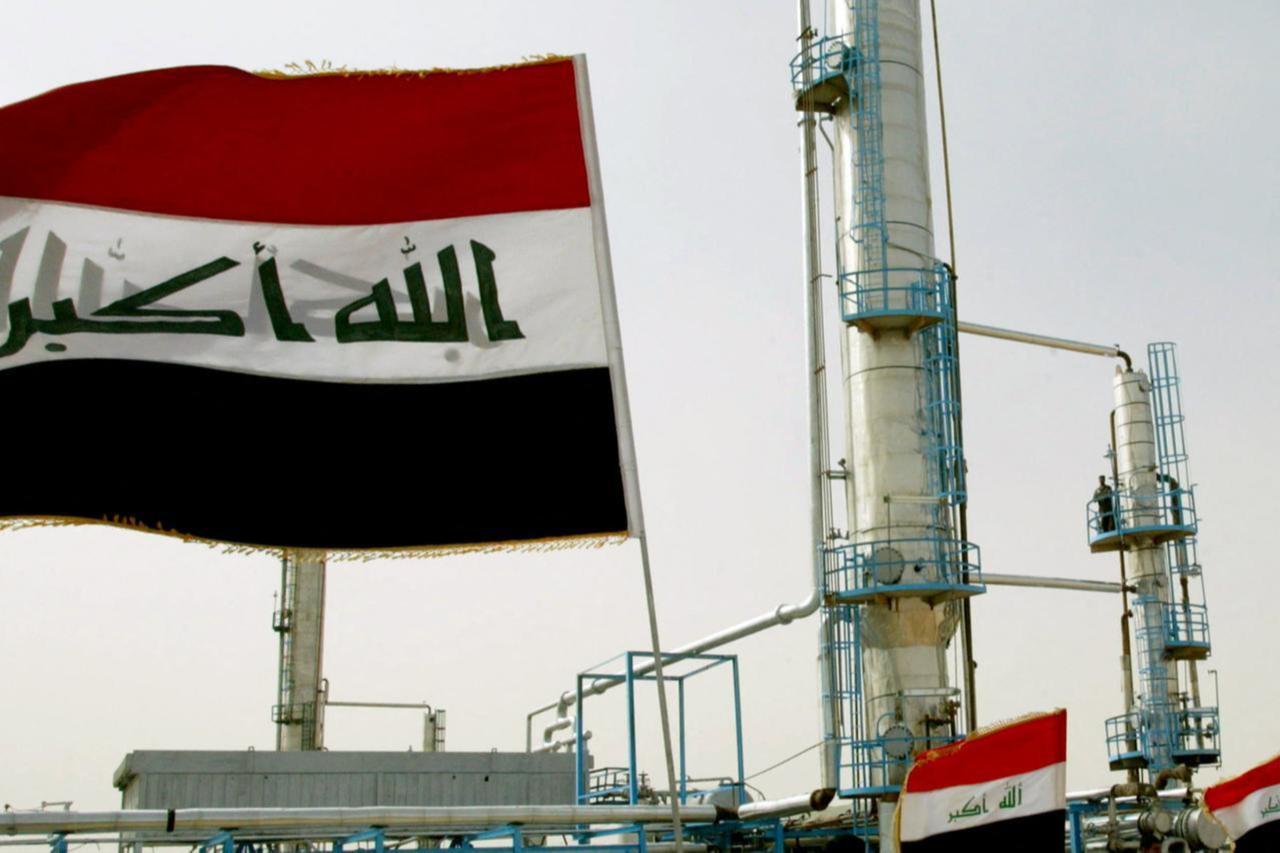
The barrels explain the drift. In July, standing beside Zaidi in Ankara, Erdogan confirmed that Iraq had offered Türkiye enough oil to cover the country's needs, and Türkiye's state oil company took a stake in BP's project to revive the Kirkuk oil fields.
Baghdad and Ankara have since agreed to keep Iraqi oil flowing through the pipeline that runs from northern Iraq to Türkiye's Mediterranean port of Ceyhan.
That pipeline was shut in 2023 after an arbitration court found Türkiye had breached its treaty with Baghdad by letting Erbil export crude on its own. Its new contracts all carry Baghdad's signature.
So Ankara is back at the same gate it stood at in 2017, with two ways through. The first is a rerun: recognize federal officers at Habur, as it did nine years ago, and help Baghdad's order reach the Turkish border. That road matches the contracts.
The second is to become the room where Baghdad and Erbil talk, using the pipeline, the trade and the ties it still keeps in both capitals to stop a border dispute from becoming a military one.
The peg is Dec. 1, when Supreme Judicial Council head Faiq Zaidan hosts a national dialogue between Baghdad and Erbil, backed by Iraq's president, prime minister and parliament speaker. The talks could run for weeks or months, and the federal government goes in expecting to get its way, against the other side that was splitting apart until a few weeks ago.
The autonomous region's two ruling parties, Masoud Barzani's KDP and Bafel Talabani's PUK, each control their own part of the region, and this fall they were edging toward a formal split. On Nov. 5, the PUK pulled out of the regional cabinet.
Baghdad's order has pushed them back to the same side, at least for now: the two parties issued a joint warning against any move on the region's constitutional status. Their strategy is to stay united, keep their seats in Baghdad's government and argue the case clause by clause through the constitution, buying time until the balance of power shifts again.
There is still time on the Washington clock, too. The Democratic majority elected on Nov. 3 takes its seats in January, and if Congress can find room in a crowded schedule, the Kurds may try to win on Capitol Hill some of the hearing they are losing at the White House.
In the same Doha interview in which he called federalism an illusion, Barrack offered Iraqis a promise of non-interference. "We leave it all for you to decide," he said. The talks open on Monday, with the American president’s backing for Zaidi already on the record.


 Set as preferred source
 Set as preferred source


 1 min read
 1 min read