Sign in
 Newsletters


 Featured
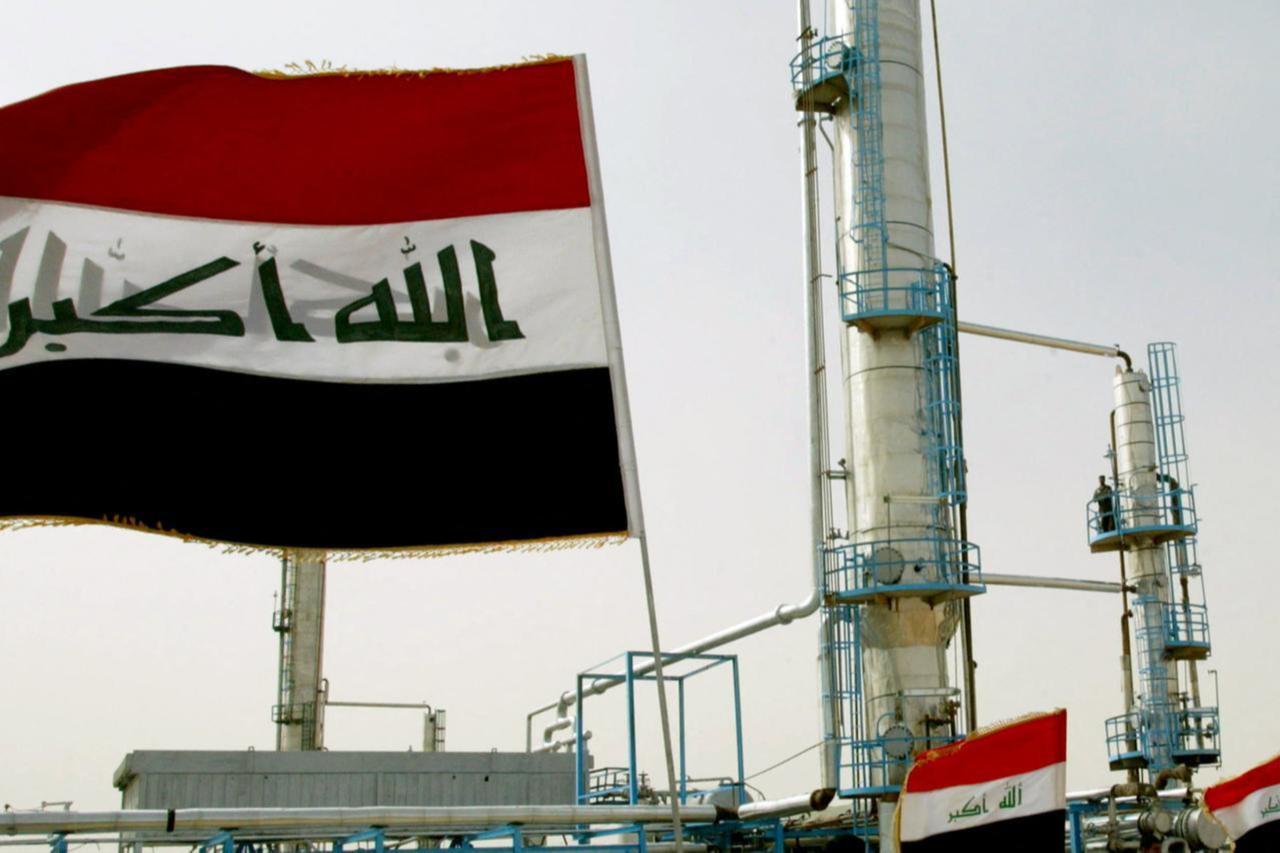


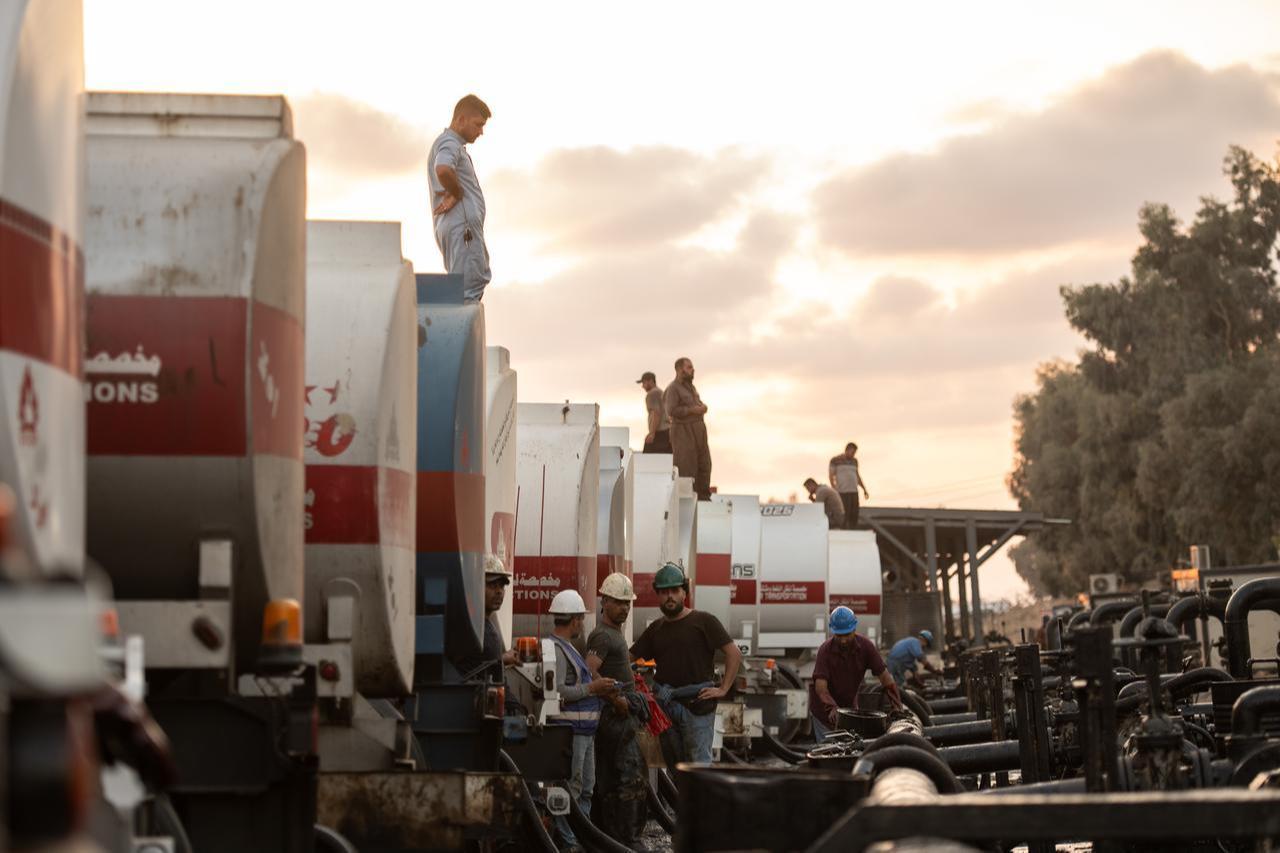
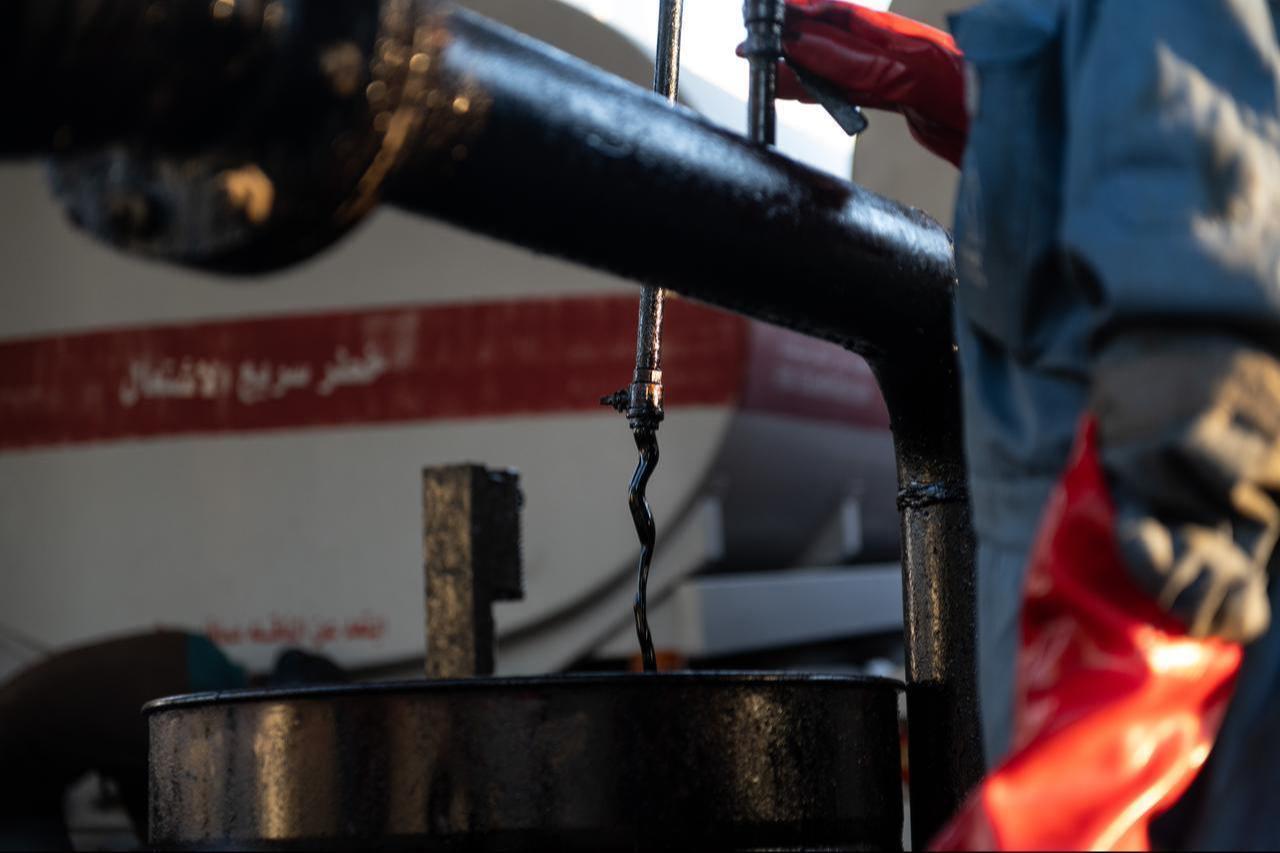
Since the spring, more than 1,000 trucks a day have rolled out of Iraq toward the Syrian port of Banias, carrying fuel oil that used to leave by tanker through the Strait of Hormuz. It is not elegant. It is how a country that once sent nearly all of its oil exports through the Gulf has kept its refineries running.
"Trucking crude oil to Banias or any other outlet in the region is not sustainable," Yesar Al-Maleki, a Gulf analyst at the Middle East Economic Survey, said at an Atlantic Council panel on Iraq–Syria relations. The convoys need deep discounts to cover transport costs, they chew up the roads, and many of the deals behind them are opaque.
Still, fuel oil exports from Banias have seen a surge. Crude from depots near Basra now makes the same desert run, and the trucks come back loaded too: Iraq has begun importing gasoline through Banias, opening the door to European refiners.
The pipeline meant to replace the trucks has Washington's fingerprints on it. U.S. support for normalizing ties between Baghdad and Damascus, together with the success of the trucking, drove the memorandum of understanding on an Iraq–Syria oil pipeline that was signed during Prime Minister Ali al-Zaidi's visit to Washington. Contract talks are now underway.
That leaves the United States backing a new route to the Mediterranean while Iraq's only working cross-border pipeline already runs there, north through Türkiye. Ankara and Baghdad have signed a one-year agreement to keep crude flowing through the Kirkuk–Ceyhan pipeline, buying time to negotiate something more comprehensive.
Ceyhan, in other words, is on a short lease. And the man running Washington's Syria and Iraq portfolios is also its point man on Türkiye: Tom Barrack, Washington's ambassador in Ankara and special presidential envoy for Syria and Iraq. Is he sponsoring a rival to Ceyhan, or a tributary?

Baghdad's caution about running oil through its neighbors is earned, and there are examples that can be read off the headstones. The Kirkuk–Haifa line was lost with the creation of Israel in 1948. Syria nationalized the line to Banias.
Lebanon's civil war took the Lebanese route in the early 1980s. In 2001, Saudi Arabia confiscated IPSA, the Iraqi pipeline across its territory, as compensation for Gulf War debts and damages.
Iraq's record of owning and investing in pipelines in other countries is a bad one. The country also has to decide whether it is willing to invest inside Syria at all. Iraq's domestic pipeline network is aging and bottlenecked, so connecting to Syria means rebuilding much of the system at home first.
Here the two routes diverge. Iraq and Türkiye are negotiating the pipeline's renewal, and Ankara wants to use it as the base for much more: electricity transmission lines, gas and an energy corridor along the Development Road, plus trade and industrial cooperation, logistics and water management. The logic is old-fashioned insurance. A pipeline wrapped in enough other shared interests is expensive for anyone to shut.
Baghdad and Damascus are nowhere near that. Zaidi's visit to Damascus and Nechirvan Barzani's visit produced historic gestures, but the relationship still rests on the leaders who made them rather than on institutions.
Iraq's fractured politics means that any prime minister reaching toward Damascus faces rival power centers at home.
Trade tells the same story: Syrian exports to Iraq, about $2 billion in 2010, had fallen by more than 90% before Assad's fall.
Then there is Tehran. Pro-Iran factions in Baghdad have already derailed one American-backed pipeline, the line to Jordan, because it sat at the center of a Washington-backed framework linking Iraq, Jordan and Egypt. American sponsorship is what moves the Syria project forward, and it is also what made the Jordan line a target.
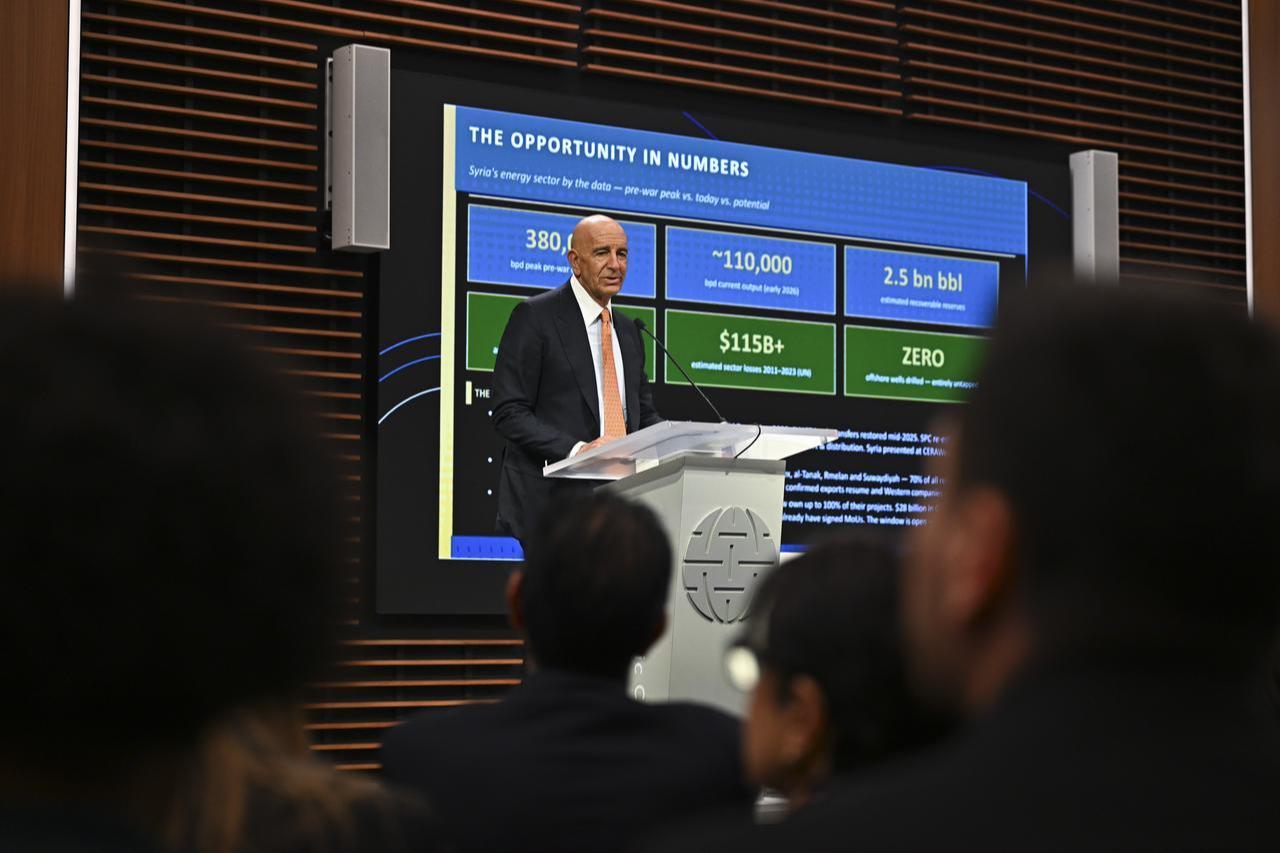
Which brings the question back to Tom Barrack. He has pushed the "Four Seas" idea, which would link the Persian Gulf, the Caspian, the Mediterranean and the Black Sea through a Syria–Türkiye pipeline and transit corridor. This is the same envoy who told a Washington audience in March that "pipelines have never worked in the Middle East."
A line from Kirkuk to Banias competes with Ceyhan for the same Iraqi barrels. A corridor that keeps going north through Syria into Türkiye does the opposite: it makes Syria an on-ramp to Turkish territory rather than a way around it.
So is Washington building a rival? Not by design. Barrack now pitches pipelines through Iraq, Türkiye and Syria as a second door for Gulf energy, insurance against a Hormuz he calls "an element of hostage taking." The plumbing points the same way. Iraq's new Basra–Haditha trunk line is built to feed Ceyhan and Banias alike, with Haditha as the junction where the oil picks its exit.
At the negotiating table, though, a hedge in Baghdad's hands works like a rival. Even a delayed, low-volume Banias route would break Ceyhan's de facto monopoly on Iraqi exports and thin Ankara's leverage.
Energy Minister Alparslan Bayraktar's answer is to outbid rather than object. Ankara is "not afraid of alternative routes," he said, offering to lift its line to 2.5 million barrels a day against the 1 million to 1.5 million projected for Syria, and calling the Turkish route cheaper and safer.
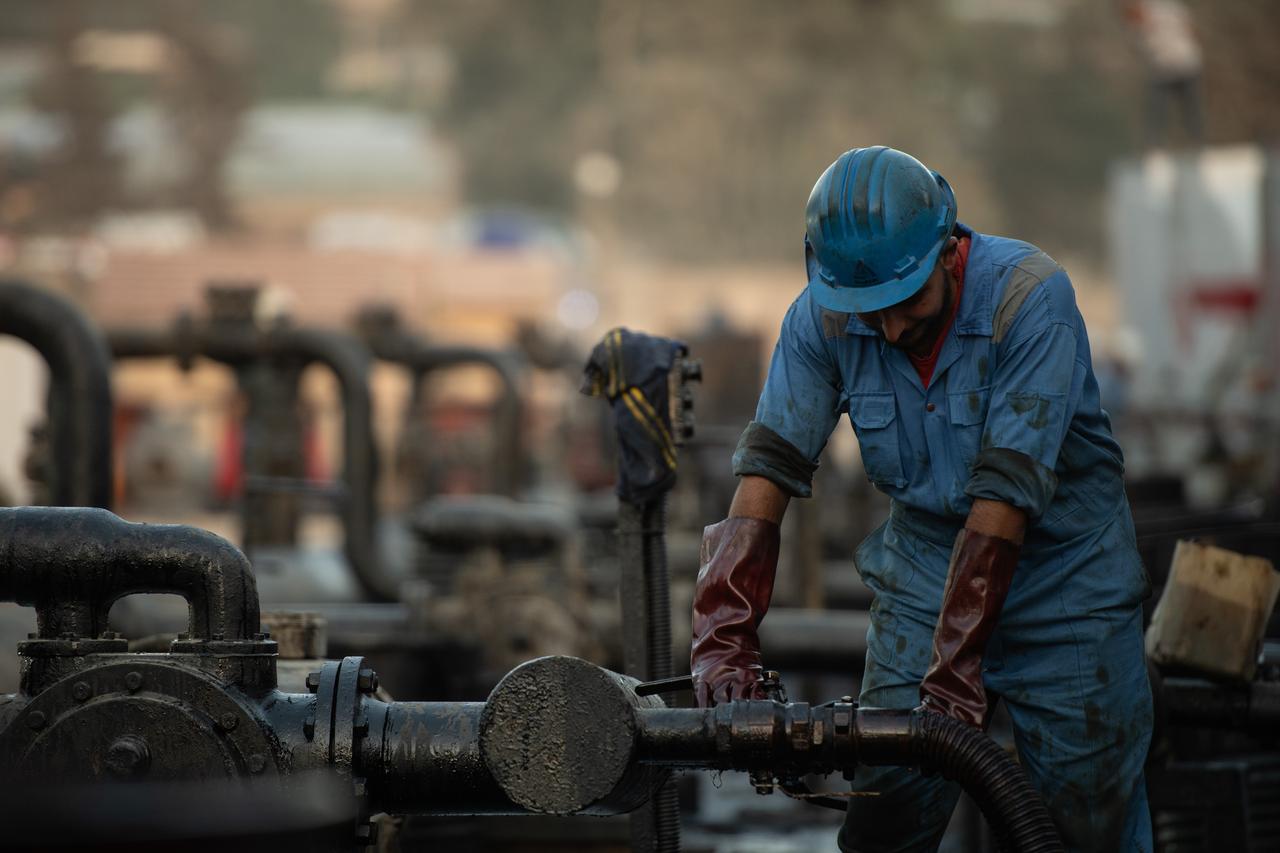
The barrels may settle it before the diplomats do. Iraq's real decision is whether it can commit 1 to 2 million barrels a day to a Mediterranean route for as long as two decades. Baghdad wants production of 7 million barrels a day, and the American oil companies negotiating there want an alternative route to guarantee their investment.
But two-thirds of Iraqi oil traditionally goes to refiners in India and China, and demand is expected to grow faster in Asia than in Europe. There may not be enough westbound crude to fill two pipes.
The money is shorter still. A new Syria line could take about four years and at least $15 billion to build. Any new line in the region now also has to price in anti-drone defenses, after drones launched from Iraq hit Saudi Arabia's East–West pipeline.
So for now, Iraq's Syrian route still runs on tires, with thousands of trucks hauling the oil. Ceyhan has steel in the ground and a one-year lease on its future. Banias has a memorandum and a lot of rubber on the road.


 Set as preferred source
 Set as preferred source


 2 min read
 1 min read