Sign in
 Newsletters


 Featured
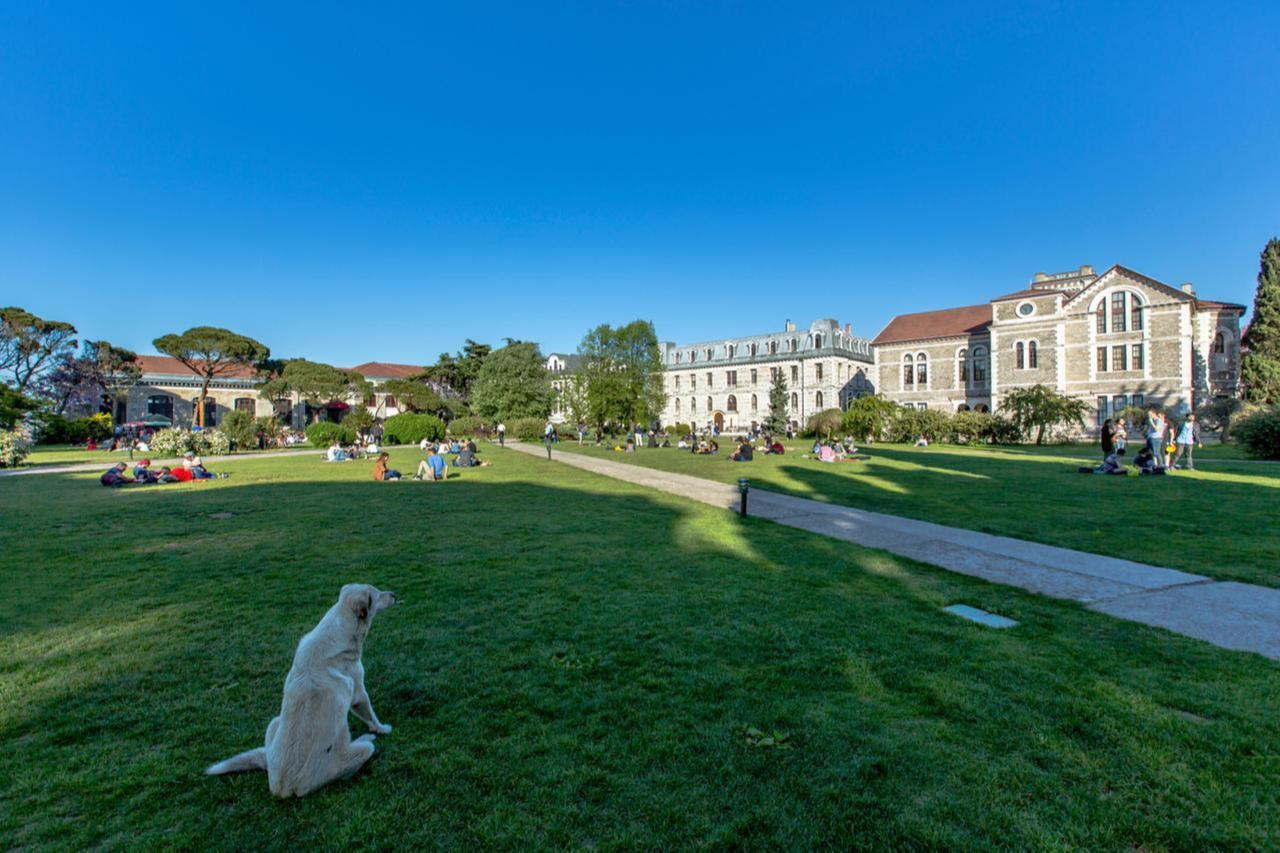


Florida's State Board of Administration maintains a list called "Scrutinized Companies or Other Entities that Boycott Israel," last updated in June 2026. It contains exactly 100 names, and Bogazici University is in strange company.
Among the others are The Magnum Ice Cream Company, the Quakers in Britain, the Isle of Eigg, and the International Olympiad in Informatics. The governments of Spain, Scotland and Colombia are listed too, and so is the Government of Türkiye, a few rows below the Gulf states.
Bogazici isn't the only Turkish university on the list. Cankiri Karatekin University is there too, and its administrators could no doubt make their own case for "best," depending, as these things always do, on who is measuring and what. This article uses the international league tables as its yardstick, and by that measure Bogazici sits near the top of the Turkish field.
Another odd part of the story is where Bogazici came from. Established as Robert College in 1863, it was the first American university founded outside the United States. More than a century and a half later, an American state's pension fund has removed it from its portfolio. Being American on American soil offers no protection, either, as half a dozen cities in the United States are on the same list.
The reason has little to do with anything the university did in Florida. It comes down to a 2025 change in Florida law and a statement Bogazici's administration posted on X two years earlier.
The two documents show how a state legislature's foreign policy now reaches a campus on the Bosphorus.

Florida is where Americans go to retire, and the state keeps an entire government agency, the Department of Elder Affairs, for its older residents. So it makes sense, in its way, that Florida's furthest-reaching foreign-policy tool turns out to be a retirement fund.
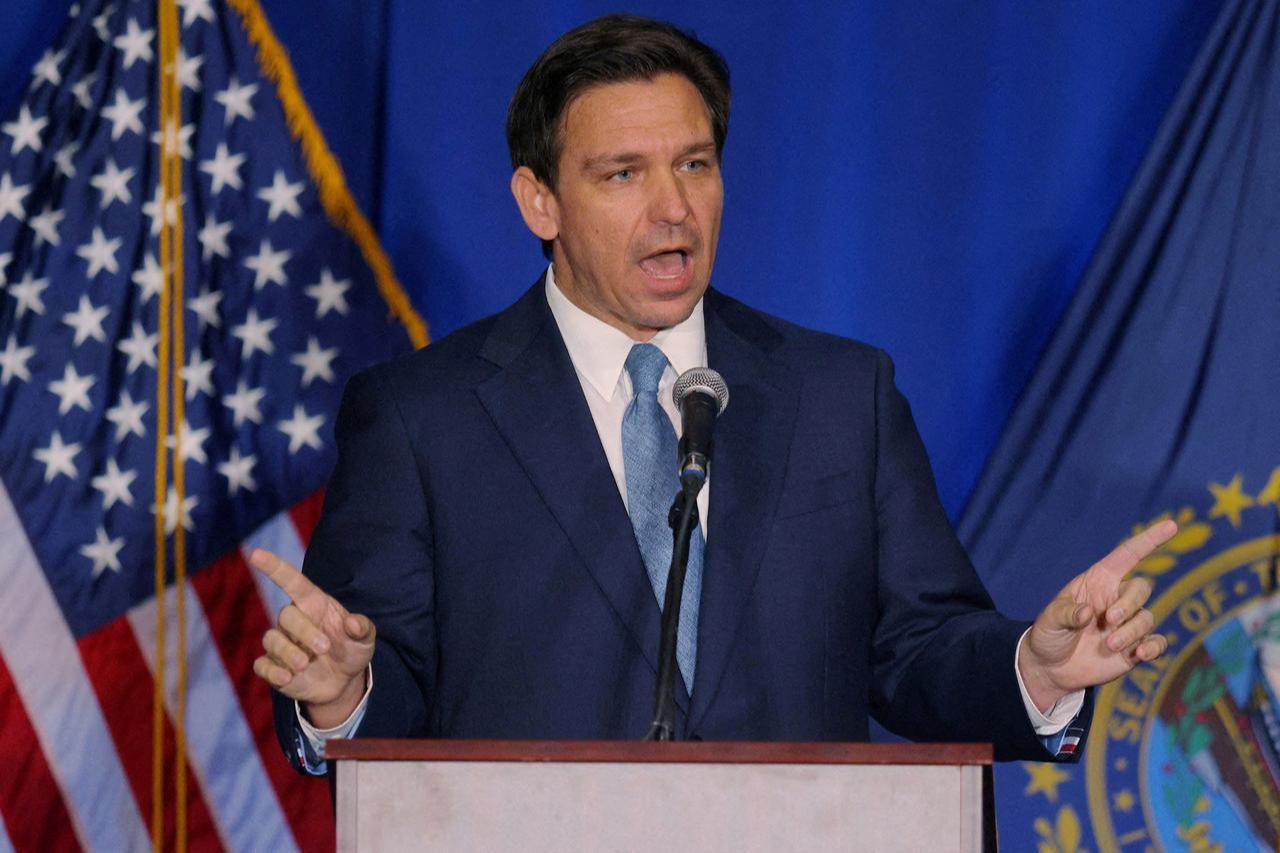
The State Board of Administration manages Florida's public pension money. It is not a minor player, as the fund manages about $200 billion and the letterhead on the list names its three trustees: Governor Ron DeSantis as chair, Chief Financial Officer Blaise Ingoglia and Attorney General James Uthmeier.
From 2016, the board's Israel list covered only companies. That changed in 2025 with a bill that passed the Senate and the House almost unanimously. DeSantis signed it in June 2025, extending Florida's anti-BDS law to academic institutions, companies and non-profits that boycott Israel.
The key line is the new definition. "Boycott" now includes an academic boycott, meaning an educational institution or one of its units adopts restrictive policies or joins activities that limit current or potential academic relationships based on ties to Israel or its academic, educational or research institutions.
Being listed sets off a series of consequences. The board must divest from listed entities, educational institutions and foreign governments included. The endowment and retirement funds of Florida's state universities must divest as well, and the state's Department of Management Services must identify any listed entity that holds a state contract or an arts and culture grant.
The list gives no reasons. Bogazici's row has no footnote, and the board says only that it hires external research providers to draw up preliminary lists and then makes its own final call. Florida doesn't feel it needs to explain any single entry. Bogazici has been on the list since September 2025.
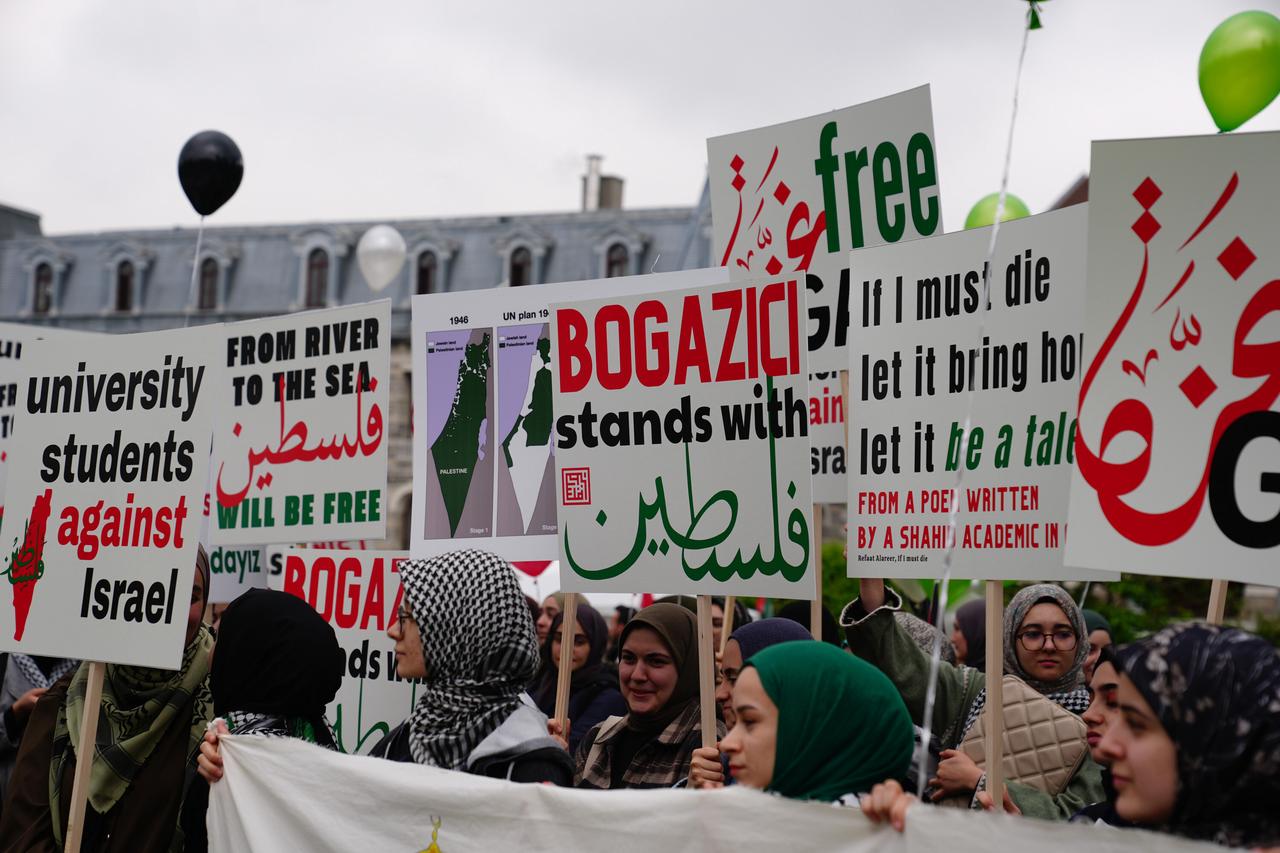
There is one obvious candidate, though. On Nov. 7, 2023, Bogazici University announced in a written statement on X that it would have no academic cooperation with any institution or representative of Israeli academia that stays silent on, or supports, Israel's treatment of civilians.
The freeze was to last until a permanent ceasefire was in place. The statement described the month-old war on Gaza as on the verge of becoming a 21st-century genocide and mentioned Israel's bombing of Al-Azhar University in Gaza. The post that carried it read "We stand with Palestine!"
Bogazici wrote its pledge with conditions. It applied only to Israeli institutions that stayed silent, and only until a ceasefire. Florida's statute doesn't care about either condition because any policy that limits even "potential" academic relationships counts. Under that standard, a conditional, time-limited freeze is treated the same as a permanent one.
The list reaches closer to home, too. Six American cities are on it: Belfast and Portland in Maine, Dearborn in Michigan, Hayward and Richmond in California, and Iowa City in Iowa. So are the American Anthropological Association, the Middle East Studies Association and two teachers' unions, the Seattle Education Association and United Educators of San Francisco.
For these names, the list carries real weight. Unlike Bogazici, an American city borrows by selling bonds, which gives a divestment order something to act on. And any listed entity that does business with Florida's state agencies or local governments is now capped at $100,000 per contract.
For the academic associations, the cost shows up in membership: Florida State University had already declined to renew its membership in the Middle East Studies Association amid questions over the group's moves toward an academic boycott of Israel.
Bogazici, meanwhile, is in distinguished academic company. Delft University of Technology is on the list, and it ranked 48th in the latest QS World University Rankings, where the University of Amsterdam came in 60th. Trinity College Dublin, ranked 75th in the 2026 edition, is there as well, along with the University of Cape Town, the highest-ranked university in Africa.
So what does divestment mean for a public university in Istanbul that has never issued a share of stock? Very little, as far as money goes. When Eindhoven University of Technology turned up on the same list, its campus paper, Cursor, concluded, "For now, not much is happening."
Florida owns no piece of Bogazici it could sell. Any exposure runs sideways. The fund can hold stock in companies that work with listed universities, so pressure could reach a campus through its corporate partners rather than directly. Bogazici is also a state university that runs mainly on Turkish public money, which makes it about as far out of reach of a Florida portfolio as an institution can be.
The cost is less about money than about being shut out. Florida's pension fund and its other public bodies are barred from working with institutions the state considers to be boycotting Israel. In practice, the list tells Florida's own universities whom not to partner with.
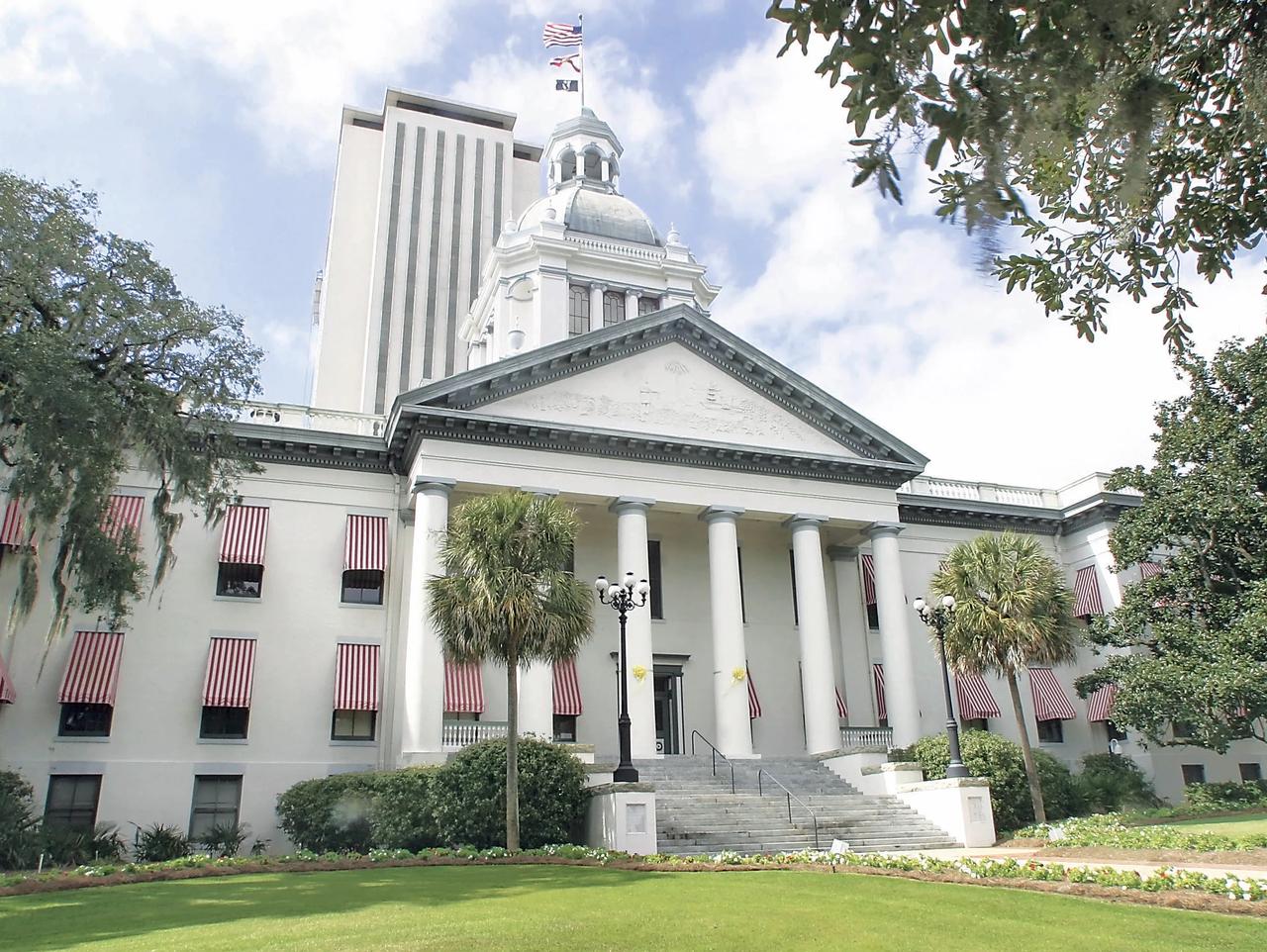
The board updates it every quarter with the trustees' approval, and the first American university founded abroad will stay on it until three officials in Tallahassee decide otherwise.


 Set as preferred source
 Set as preferred source



 7 min read