Newsletters





Rising global temperatures linked to climate change could significantly increase physical inactivity worldwide, potentially leading to hundreds of thousands of premature deaths annually by 2050, according to new research published in The Lancet Global Health.
The study analyzed data from 156 countries spanning 2000 to 2022, projecting future trends in activity levels as temperatures rise. Researchers found that for every additional month with average temperatures above 27.8°C (82°F), global physical inactivity could increase by 1.5%.
“This could result in an estimated 470,000 to 700,000 additional premature deaths each year,” the study noted, highlighting the substantial public health burden associated with climate-driven inactivity.
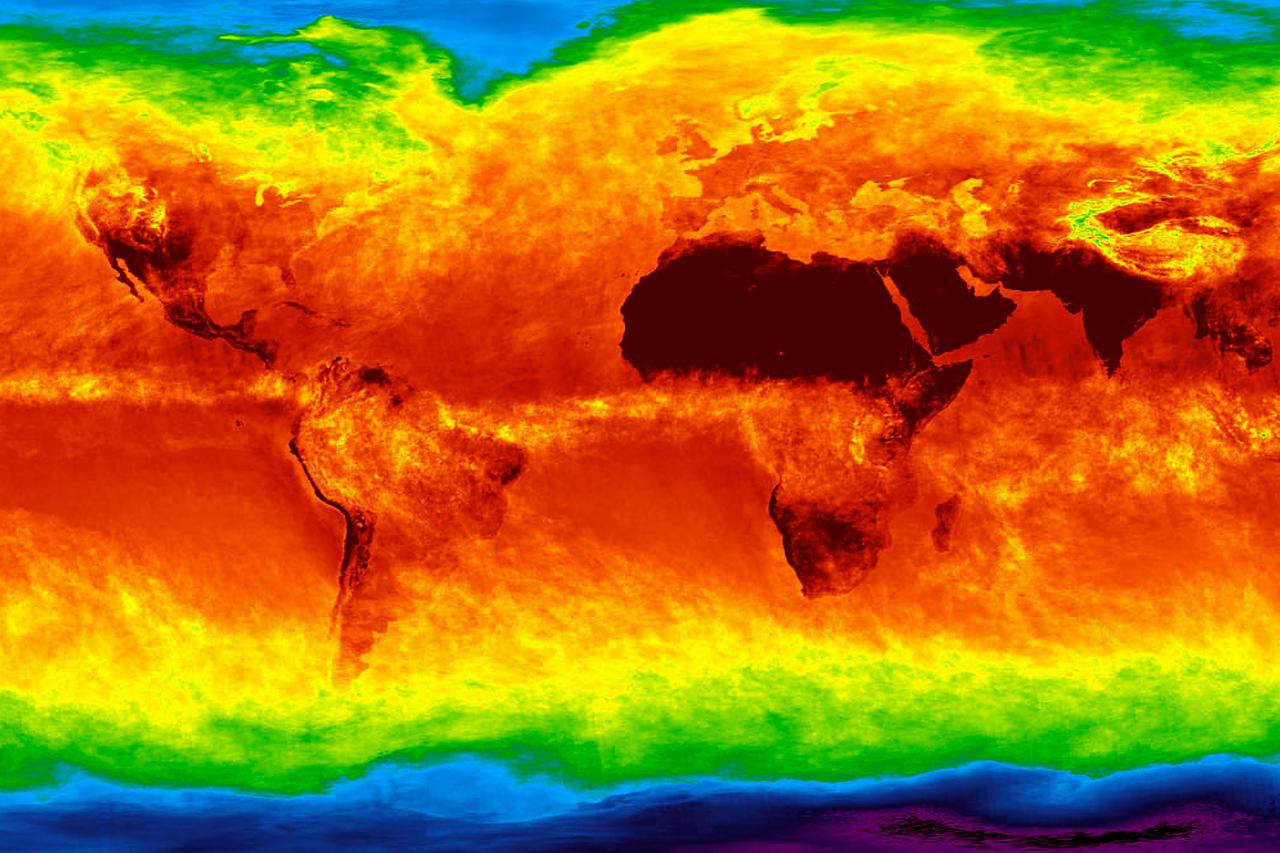

Physical inactivity is a leading risk factor for cardiovascular disease, diabetes, certain cancers, and mental health disorders. Rising heat levels are expected to discourage outdoor and routine physical activity, particularly in regions already experiencing extreme temperatures.
Beyond health consequences, the study warns of economic impacts. Reduced physical activity and heat-related declines in worker productivity could cost the global economy up to $3.68 billion annually.
The researchers cautioned that climate change may undermine global health objectives, including the World Health Organization's target of reducing physical inactivity by 15% by 2030. Without strong mitigation strategies, rising temperatures alone could reverse decades of progress in promoting physical activity.


 Set as preferred source
 Set as preferred source


 1 min read



 1 min read