Newsletters


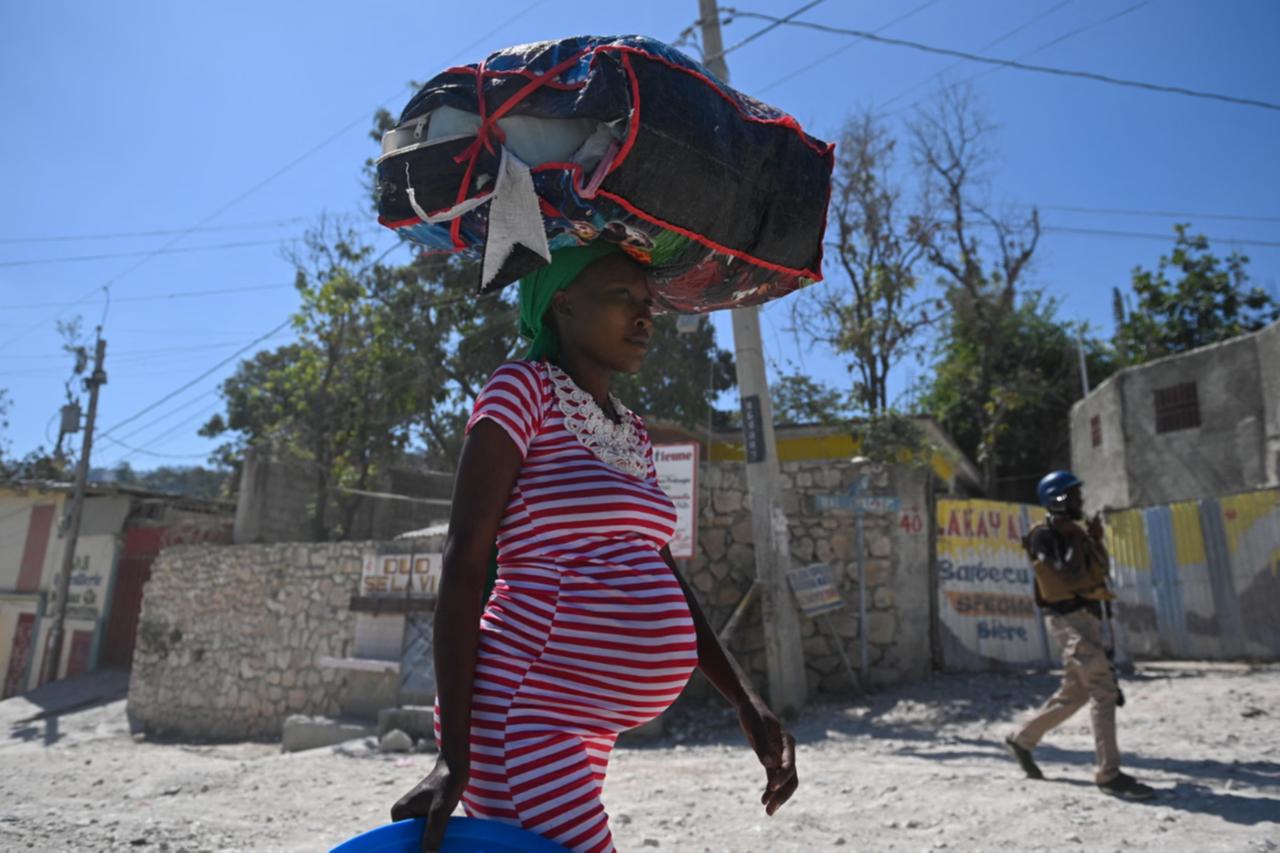


Babies exposed to higher levels of air pollution during the first months of pregnancy may face delays in speech development by the age of 18 months, according to new research by King’s College London.
The study, carried out on 498 infants, found that exposure to nitrogen dioxide, fine particulate matter and ultra-fine particulate matter during the first trimester may be linked to slower speech development compared with babies exposed to lower pollution levels before birth.
Researchers focused on the first trimester, the earliest stage of pregnancy, when major developmental processes begin to take shape.
Nitrogen dioxide is a pollutant commonly linked to traffic and fuel combustion, while fine and ultra-fine particulate matter refers to tiny airborne particles that can be inhaled. According to the study, exposure to these pollutants during early pregnancy may affect how infants develop language skills by 18 months.
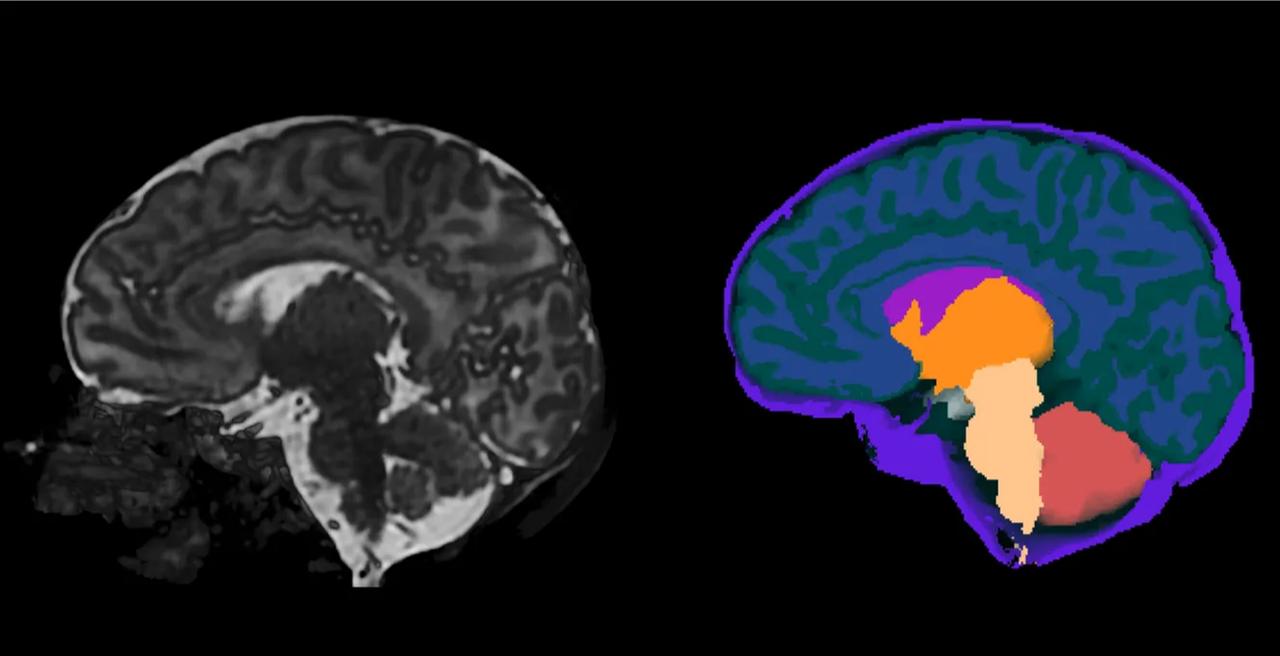

The effects appeared more severe among premature babies. Researchers found that, in addition to delayed speech development, premature infants exposed to higher pollution levels also showed impaired motor skills.
Researchers said the findings show that air pollution can place unborn babies at unequal health risk, particularly in disadvantaged communities that may face higher exposure.
They said the study is the first in London to link prenatal pollution exposure with infant development, adding that its findings carry global implications.
Nearly the entire global population breathes air that exceeds World Health Organization limits, making pollution the leading environmental health risk.


 Set as preferred source
 Set as preferred source



 1 min read