Newsletters


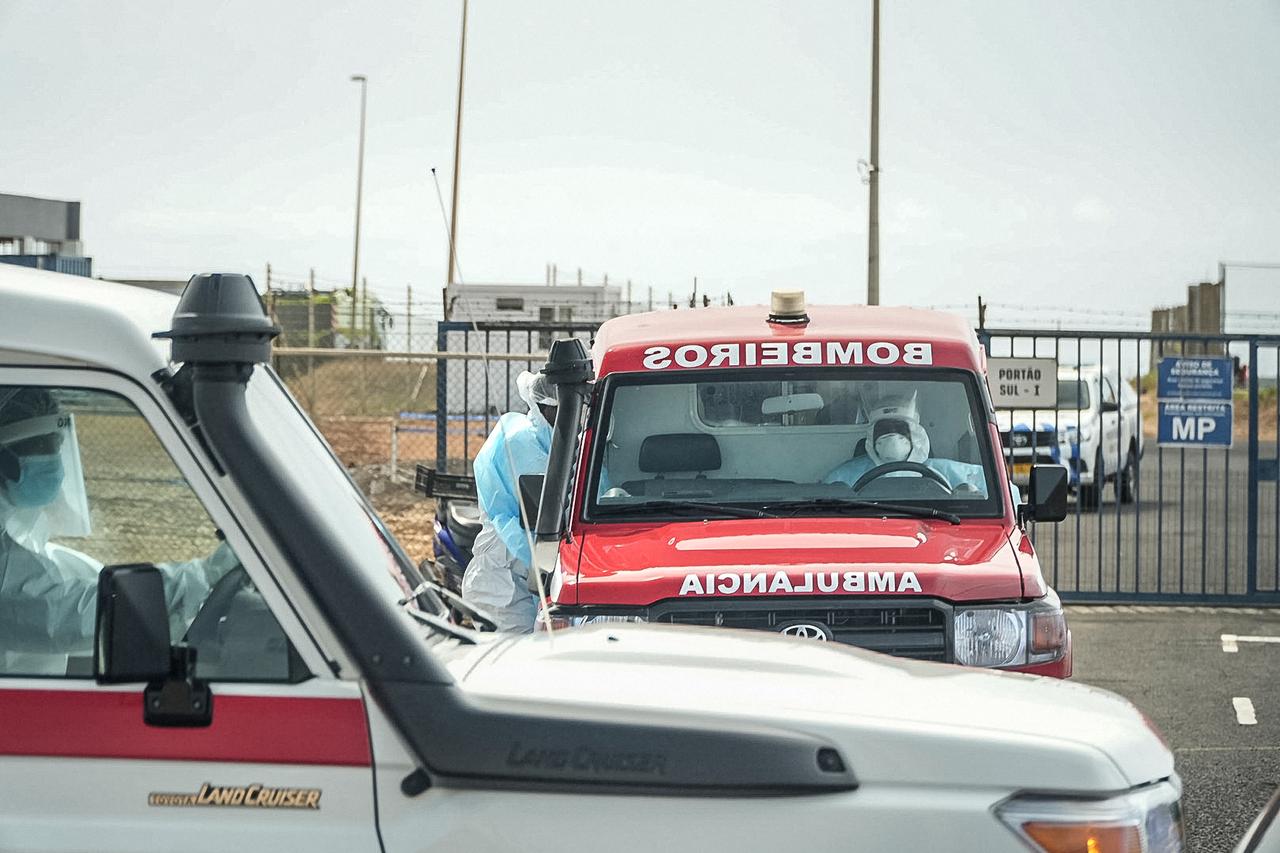


South African health officials have confirmed that a cruise passenger evacuated from a stricken Atlantic vessel tested positive for the Andes strain of hantavirus, the only known hantavirus strain linked to rare human-to-human transmission.
The confirmation adds a new layer of concern to an outbreak aboard the Netherlands-based MV Hondius, where seven cases have been identified and three people have died, according to the World Health Organization.
South African Health Minister Aaron Motsoaledi discussed this issue at a parliamentary committee on Wednesday.
“The preliminary tests show that, indeed, this is the Andes strain,” Motsoaledi said, according to AFP. “And it happens to be the only strain out of the 38 that is known to cause human-to-human transmission.”
He cautioned, however, that such transmission remains rare and usually requires very close contact.
“But as we said, we want to repeat again, such transmission is very rare and only happens due to very close contact between people,” Motsoaledi said.

The outbreak was detected on the MV Hondius, a Netherlands-flagged cruise ship that departed from Ushuaia, Argentina, on March 20 with 170 passengers and 70 crew members onboard.
The vessel had been travelling from southern Argentina toward Cabo Verde in West Africa when the cases emerged.
Three people linked to the ship have died. One was a 70-year-old Dutch man who died on the vessel. His 69-year-old wife left the ship at Saint Helena on April 24 after developing gastrointestinal symptoms and later boarded a commercial flight to South Africa while trying to return to the Netherlands.
According to the WHO, her condition deteriorated during the flight. She died on April 26 in the emergency department of a hospital in Johannesburg.
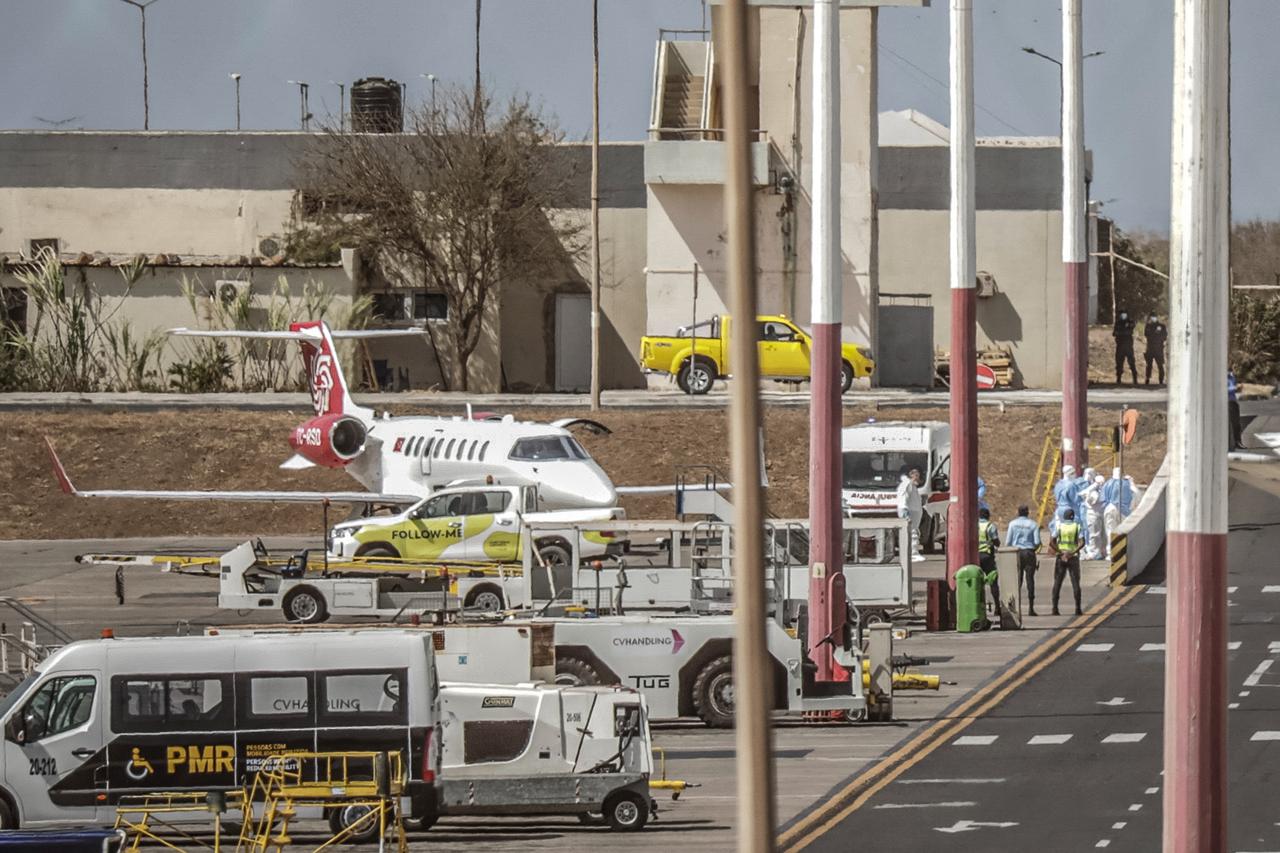
South African authorities are now tracing people who may have come into contact with her, including passengers and crew on the Airlink flight from Saint Helena to Johannesburg, people at OR Tambo International Airport and staff at the hospital where she was admitted.
Airlink told AFP that 82 passengers and six crew members were on the April 25 flight.
“We need to know who the people were who were in contact with this lady,” Motsoaledi said.
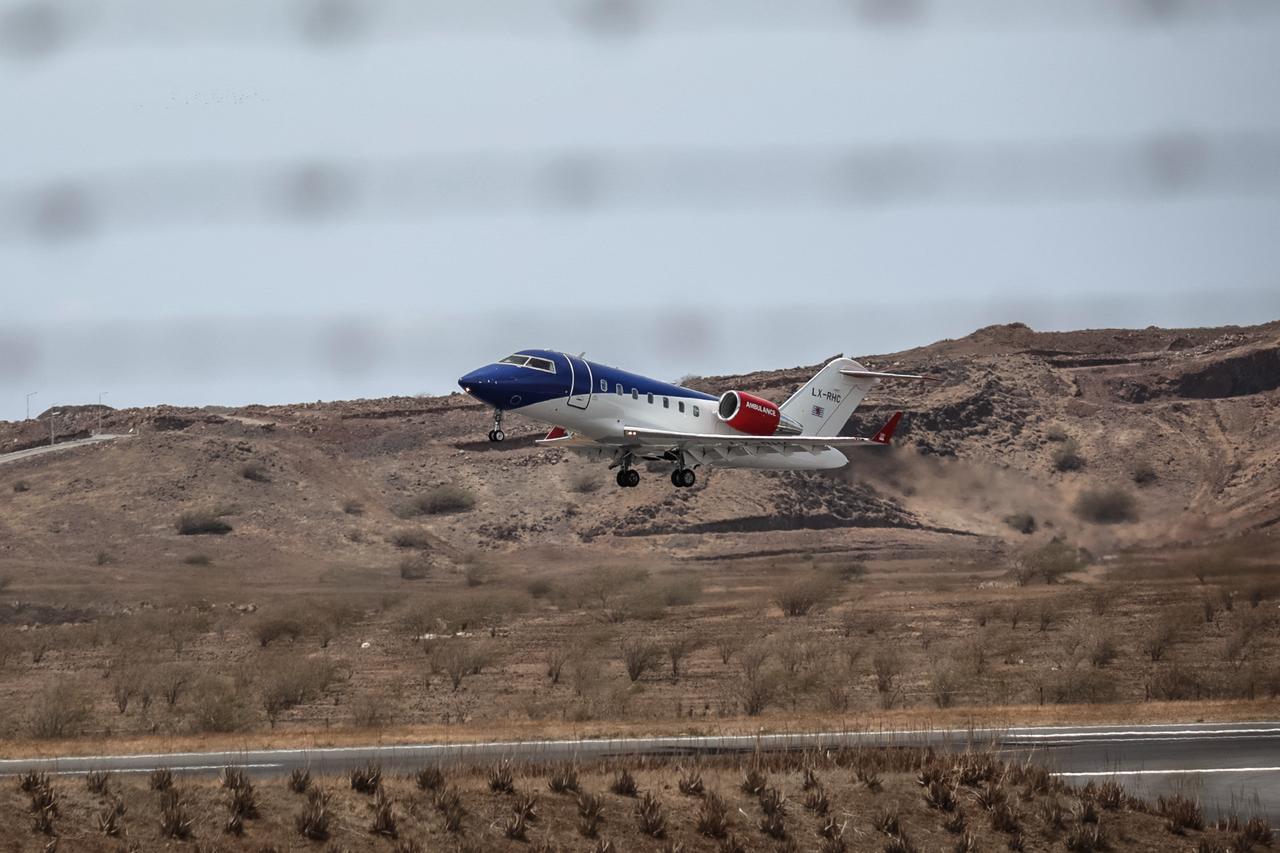
A British national from the same cruise ship was also evacuated to South Africa after becoming ill during the voyage.
South Africa’s Health Ministry said the passenger developed symptoms of severe acute respiratory infection, tested positive for hantavirus and is in critical condition in intensive care at a private hospital in Sandton, Johannesburg.
The ministry urged the public not to panic, saying only two patients from the cruise ship had been detected inside South Africa.
The WHO has said there are two confirmed and five suspected cases connected to the cruise ship.
WHO Director General Tedros Adhanom Ghebreyesus said the organization currently assesses the risk to the global population as low, based on available information.
He said the WHO is working with relevant countries and the ship operator to support passengers and crew.
“Coordinated international response includes in-depth investigations, case isolation and care, medical evacuation and laboratory investigations,” Tedros said, according to Anadolu.
WHO officials said genome sequencing studies are continuing and that information will be updated as the investigation develops.
Maria Van Kerkhove, director of the WHO’s epidemic and pandemic prevention unit, said hantaviruses are carried by rodents and can cause serious disease in humans. She said officials believe human-to-human transmission may occur among spouses or people sharing the same environment in very close contact.
Van Kerkhove also said there were no other symptomatic patients on the ship and that the vessel would continue toward the Canary Islands, with the WHO in contact with Spanish authorities.

Hantaviruses are a group of viruses naturally carried by rodents. Human infections are rare, but they can cause serious disease and death.
People are usually infected through contact with infected rodents or by exposure to their urine, droppings or saliva. Infection can also happen, less commonly, through rodent bites.
Symptoms usually begin one to six weeks after exposure. Early symptoms can include fever, headache, muscle pain, abdominal pain, nausea and vomiting. Diagnosis can be difficult because early signs resemble other fever or respiratory illnesses.
In the Americas, hantaviruses can cause hantavirus cardiopulmonary syndrome, a severe respiratory illness with a case fatality rate that can reach 50%, according to WHO data compiled by Anadolu. In Europe and Asia, hantaviruses can cause hemorrhagic fever with renal syndrome.
The Andes virus, found in South America, is known as a hantavirus strain with limited documented human-to-human transmission through close contact.
There is no specific licensed antiviral treatment or vaccine for hantavirus infection. WHO says early supportive medical care is critical, and treatment focuses on monitoring and managing respiratory, heart and kidney complications.
Prevention depends largely on reducing contact between people and infected rodents. Recommended measures include keeping homes and workplaces clean, sealing openings that allow rodents to enter buildings, using safe cleaning methods in contaminated areas and strengthening hand hygiene.
During outbreaks, early case detection, isolation, contact tracing and standard infection control measures are used to limit further spread.


 Set as preferred source
 Set as preferred source




 6 min read