Newsletters


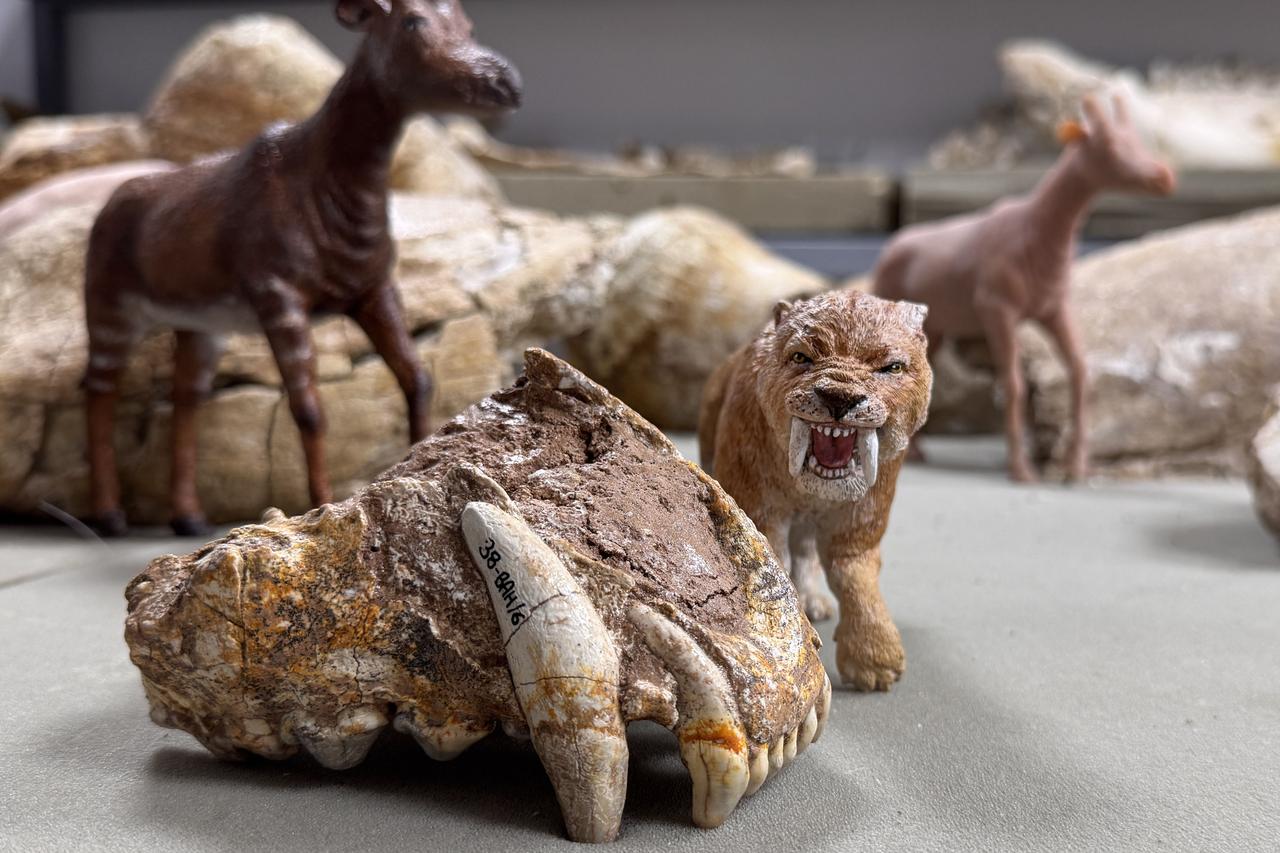


Ancient giant animals that once roamed central Türkiye nearly eight million years ago are being recreated through a combination of traditional craftsmanship and advanced 3D technology, as scientists and artists prepare new exhibits for the Kayseri Paleontology Museum, currently under construction.
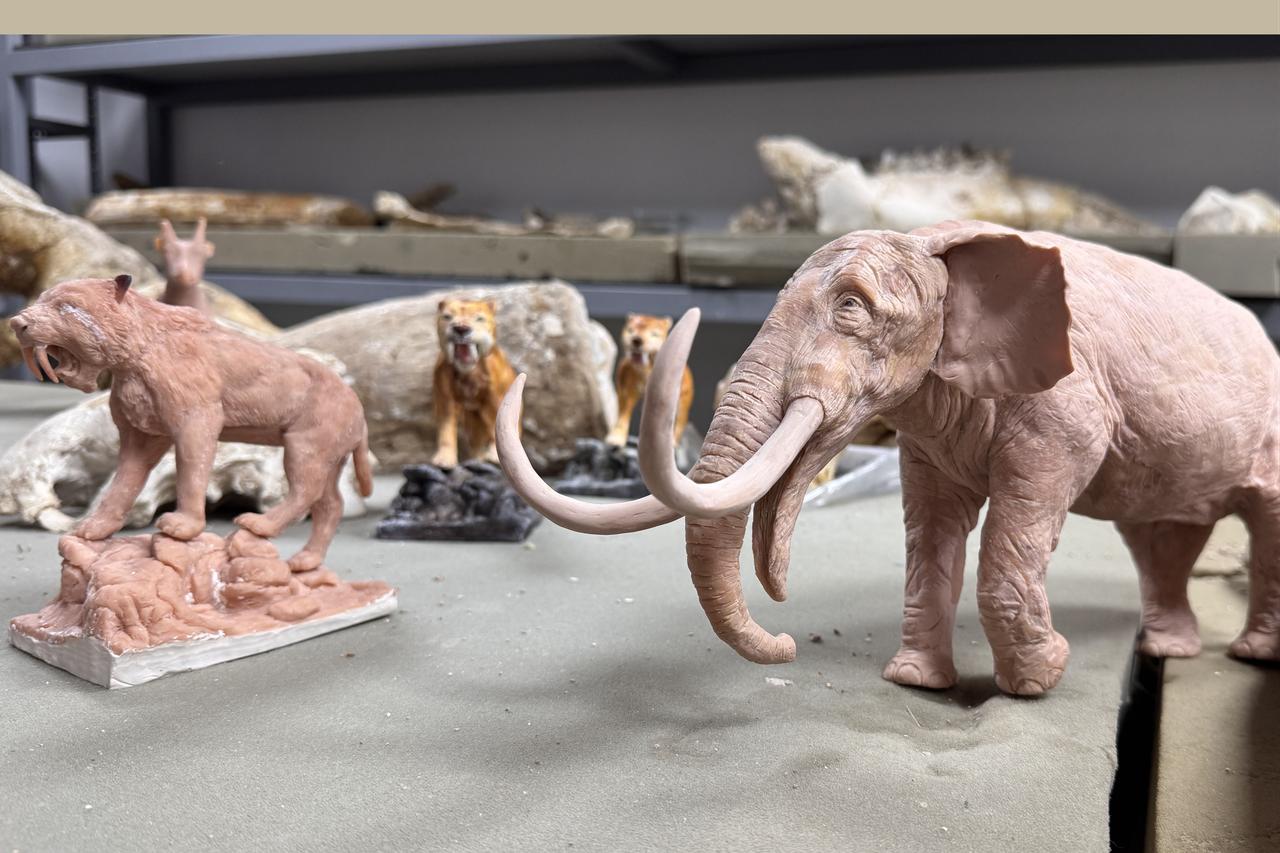

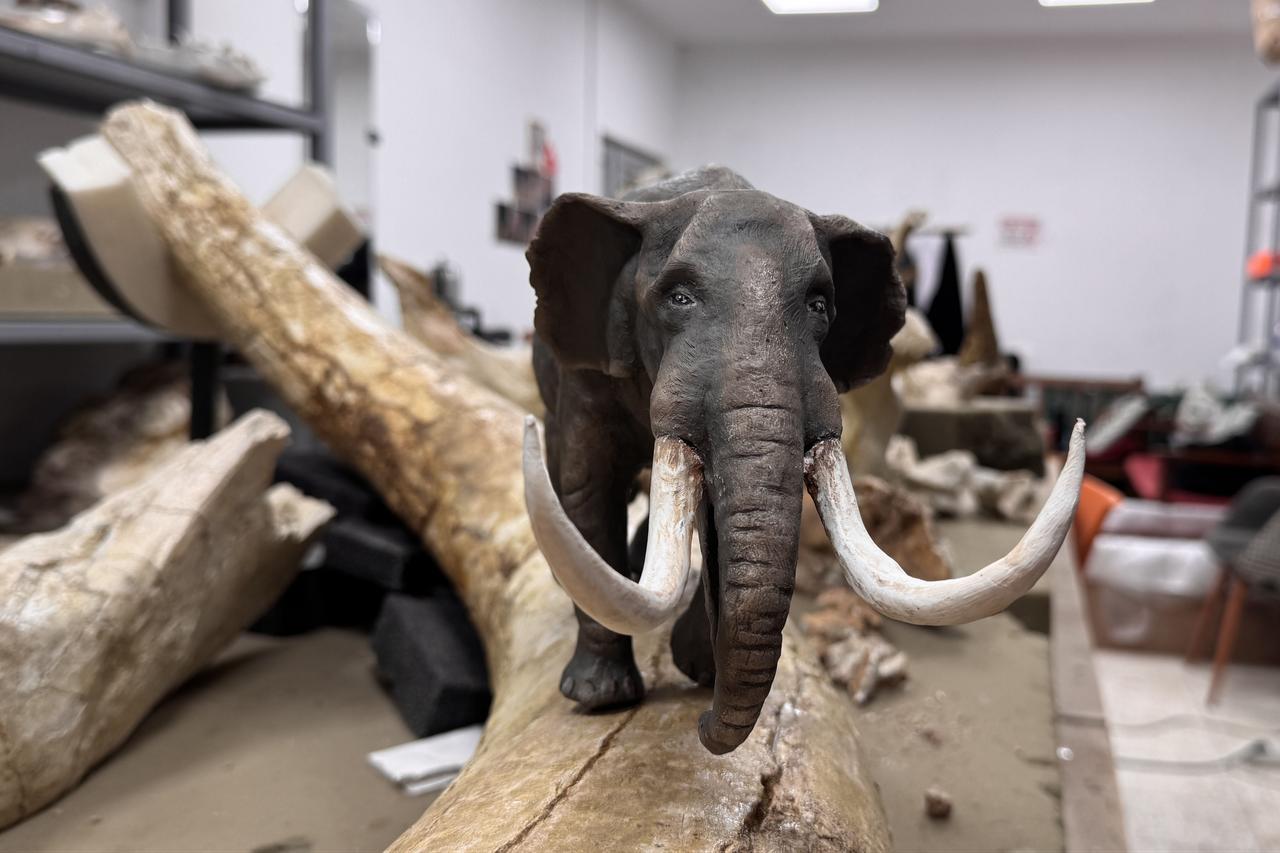
Miniature replicas of the fossils are being produced at the Kayseri Metropolitan Municipality Science Center, while the original remains undergo preservation and mounting work.
The process starts with artist Hatice Colak, who carefully shapes small-scale figures by hand using polymer clay, a durable synthetic modeling material.
These handcrafted models are then scanned digitally, reproduced with 3D printers and finally painted, allowing the team to speed up production while maintaining scientific accuracy.
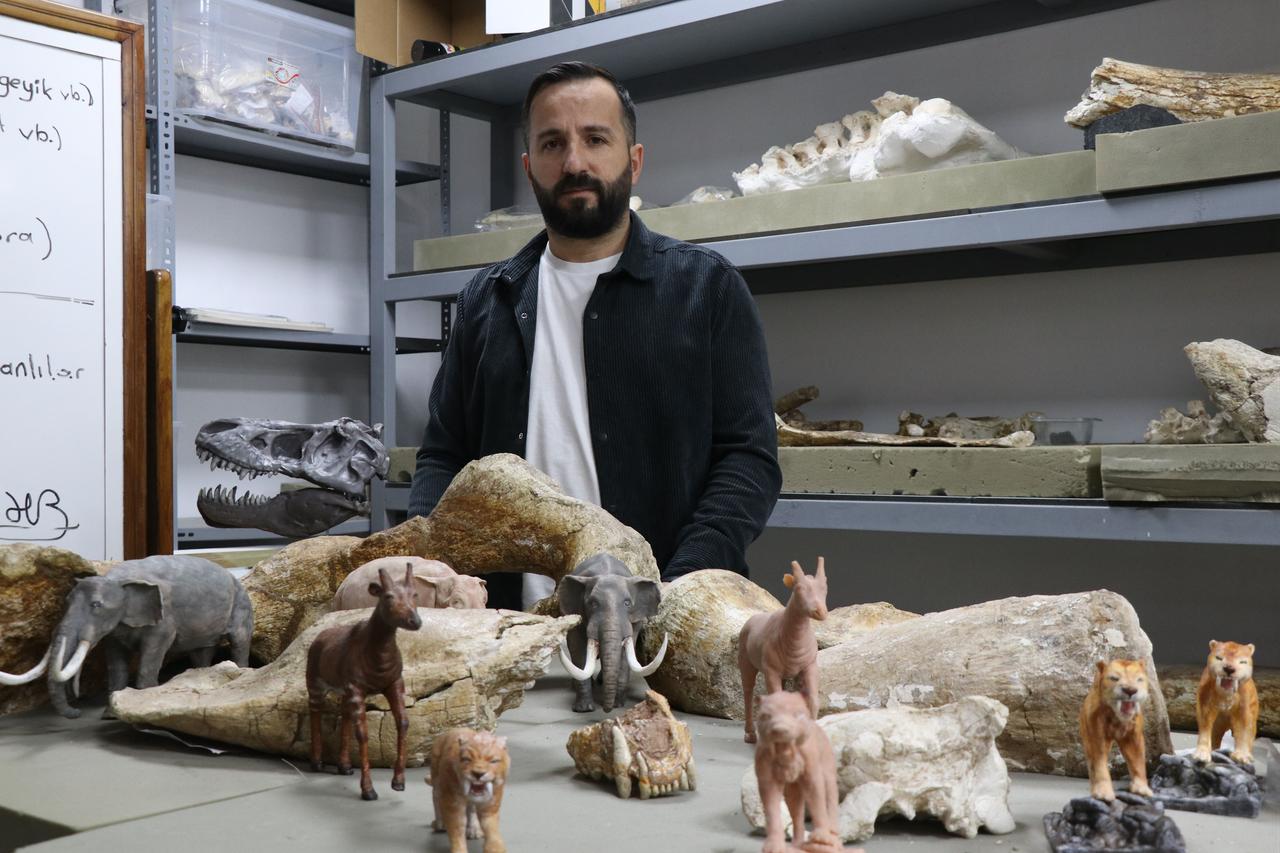
According to anthropologist Omer Dag, fossil excavations around the Yamula Dam in Kayseri province stand out among paleontological sites in Türkiye due to the presence of megafauna, a scientific term used to describe very large animals that lived in the distant past.
He explained that the area has yielded well-preserved fossils of ancestors of elephants, rhinoceroses, giraffes, saber-toothed tigers, and hollow-horned animals, with little deformation compared to many other sites.
Dag noted that cleaning and conservation work on the fossils has already been wrapped up, while mounting continues. Once the museum building is completed, the original fossils will be put on display in their full size.
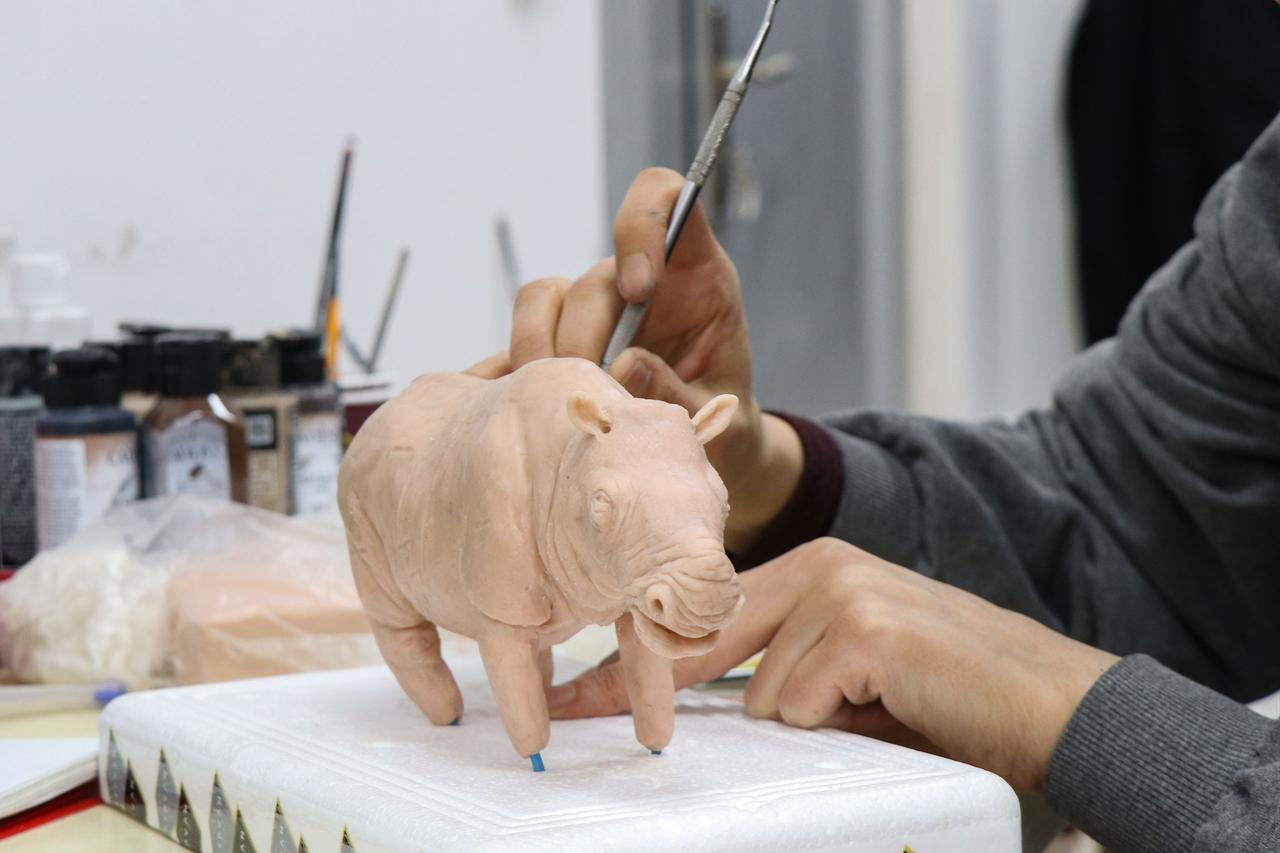
Alongside the restoration of the original remains, researchers are also working on scaled-down replicas to help visitors better picture the size and appearance of these massive creatures. Dag said the aim is to make the ancient fauna more accessible, especially for younger audiences and international visitors who may not be familiar with Anatolia’s prehistoric past.
He pointed out that the use of 3D scanning and printing allows the team to reproduce models more efficiently after the initial sculpting stage while still relying on artistic skill for anatomical detail. These miniatures may also be offered for sale in the museum’s future gift shop.
The Kayseri Paleontology Museum is expected to feature more than just locally discovered fossils. Among the planned exhibits is a 3D-printed replica of a Tyrannosaurus rex, one of the world’s most famous dinosaurs.
While the original fossil is displayed in Paris, a replica is already housed at the Natural History Museum in Ankara.
By combining original fossils with carefully crafted replicas, the museum aims to help visitors connect with a distant past while safeguarding fragile remains for future generations.


 Set as preferred source
 Set as preferred source


 1 min read