Newsletters


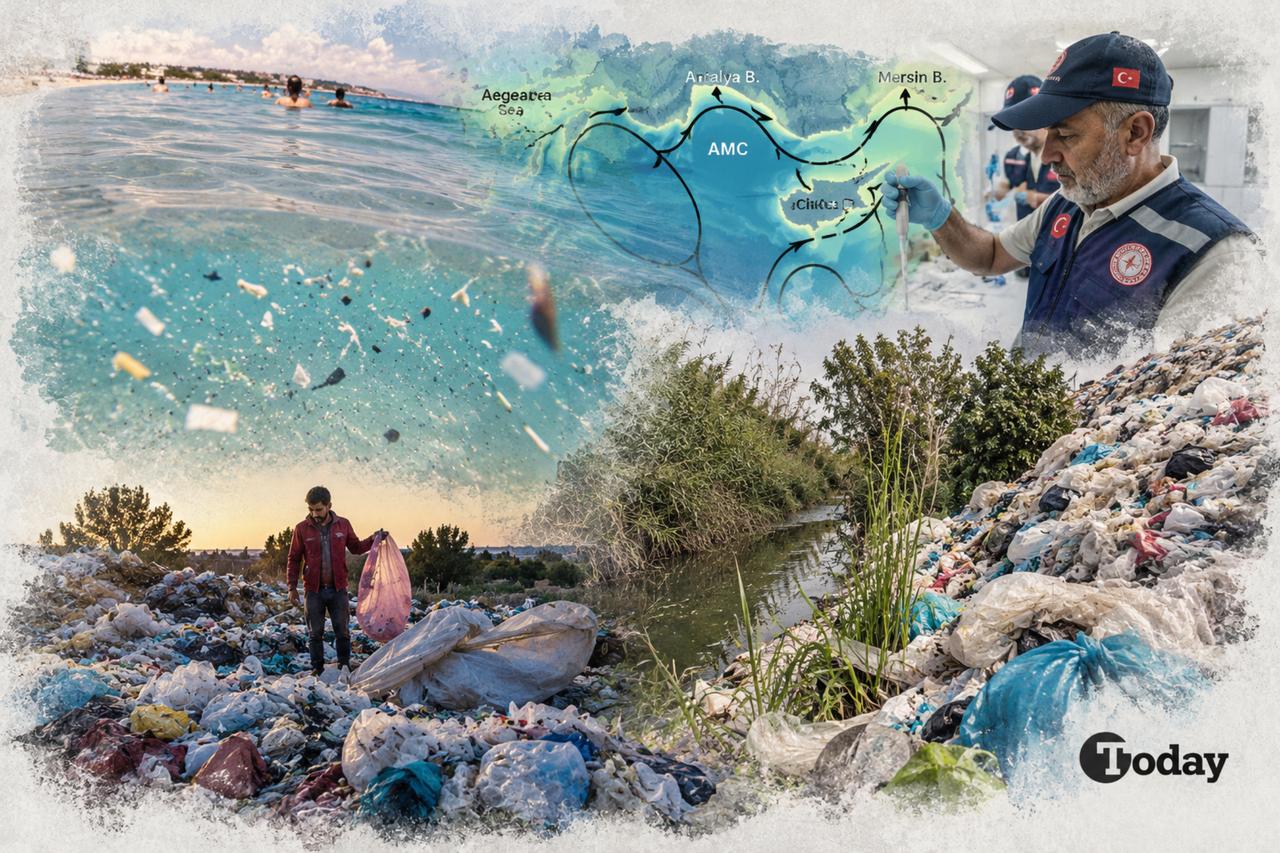


In just eight days, Antalya will welcome international delegates for COP31, the United Nations climate summit, where governments will gather to discuss the future of a planet facing mounting environmental pressures.
Yet beneath the Mediterranean waters surrounding the host city, another environmental story is unfolding, one that begins hundreds of kilometers away, passes through recycling facilities, rivers and coastal currents, and raises questions that extend well beyond Türkiye's borders.
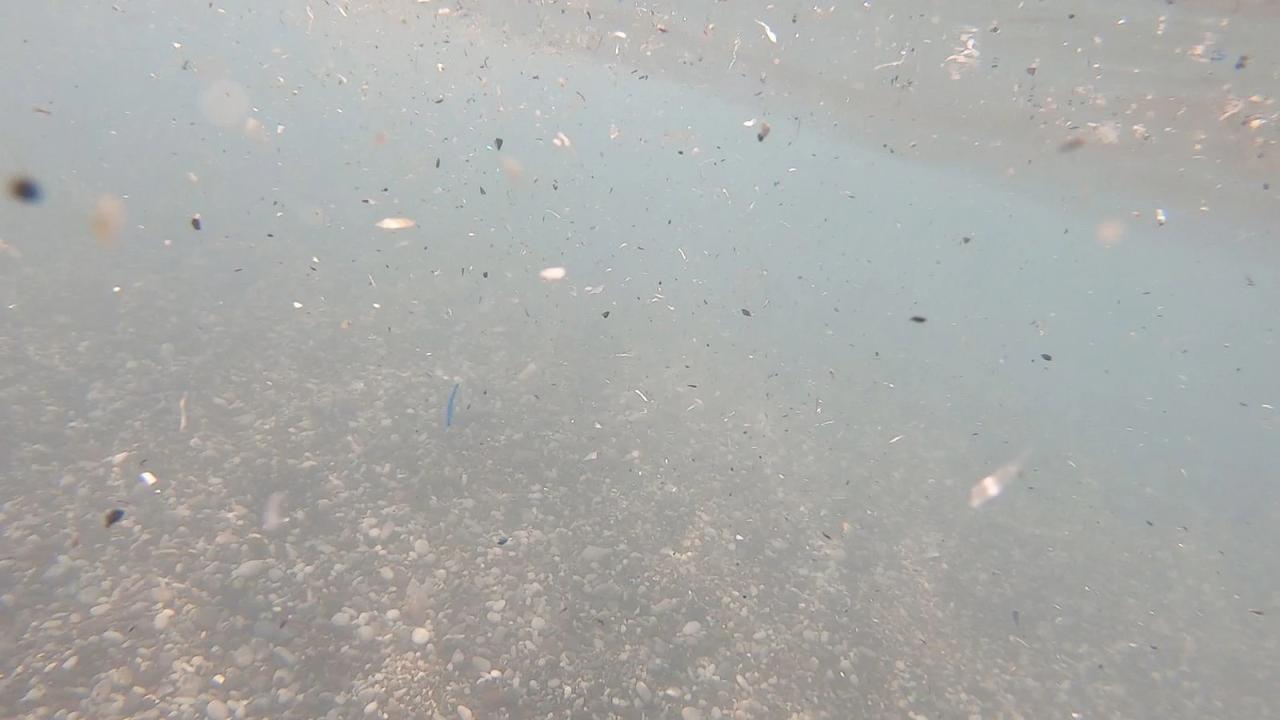
The problem is almost invisible to the naked eye. Microplastics, particles smaller than 5 millimeters, have been detected in unusually high concentrations along parts of Türkiye's southern coastline, while recent investigations have raised concerns about whether some of this pollution is linked to plastic recycling activities in Adana and Mersin.
The timing is striking. As Türkiye prepares to put its environmental commitments on an international stage, research into the Mediterranean is bringing renewed attention to a waste trade that connects European households with recycling facilities across the sea.
And while much of the debate has centered on whether Europe is sending its rubbish to Türkiye, another question remains: What happens to plastic after it arrives, and where does it end up if it escapes the recycling system?
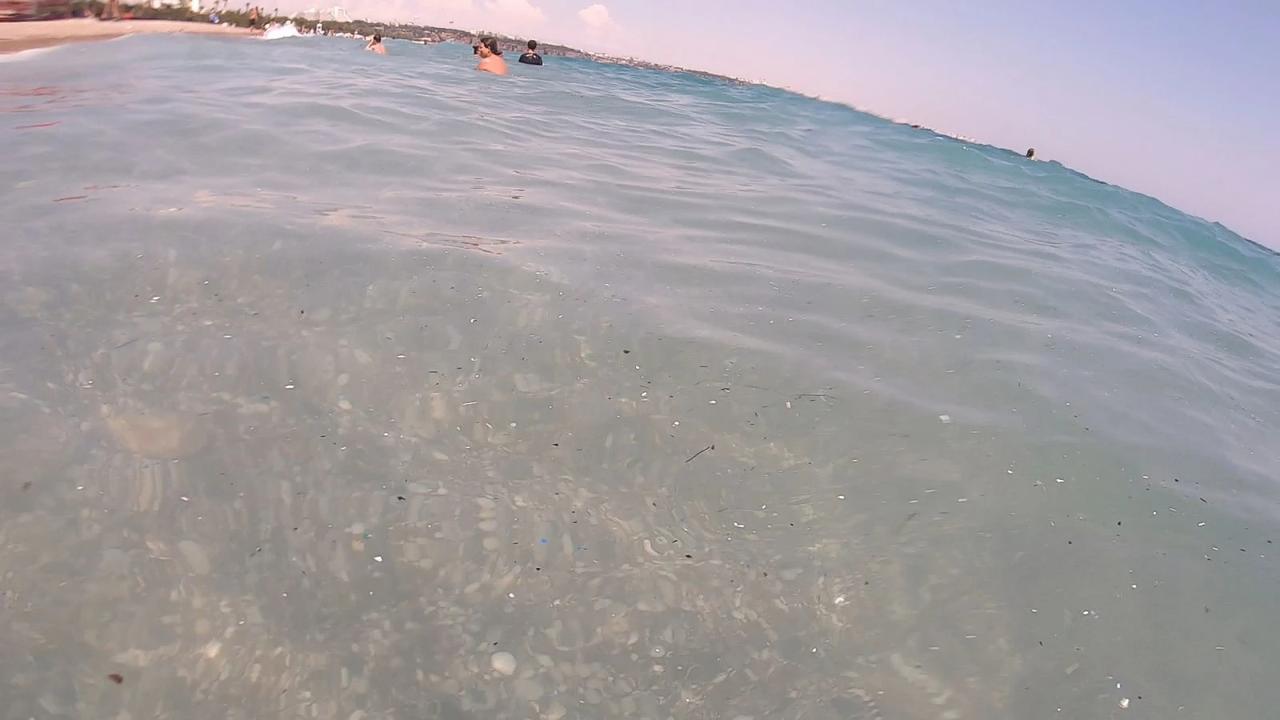

The journey back from Antalya's coastline leads eastward, toward Adana and Mersin, where plastic recycling facilities operate alongside rivers and drainage networks connected to the Mediterranean.
During the summer of 2026, researchers and environmental groups reported an accumulation of plastic particles along Türkiye's southern coast, including Alanya, Kemer and areas stretching toward Fethiye in Mugla province.
An investigation led by marine scientist Professor Sedat Gundogdu of Cukurova University identified particularly high microplastic concentrations in Alanya, with measurements ranging from two to 65 times the highest values previously reported in scientific studies of Türkiye's Mediterranean coastline.
Researchers also found that a large proportion of the particles had physical characteristics associated with industrial recycling processes, including the cutting, grinding and extrusion of plastic materials.
These findings did not conclusively establish the source of every particle, but they strengthened concerns that waste-processing activities could be contributing to the pollution reaching coastal waters.
The connection matters because plastic pollution does not necessarily remain close to where it enters the environment. Rivers, drainage channels, heavy rainfall and coastal currents can carry particles away from industrial areas, moving them through marine ecosystems and into waters shared by neighboring regions.
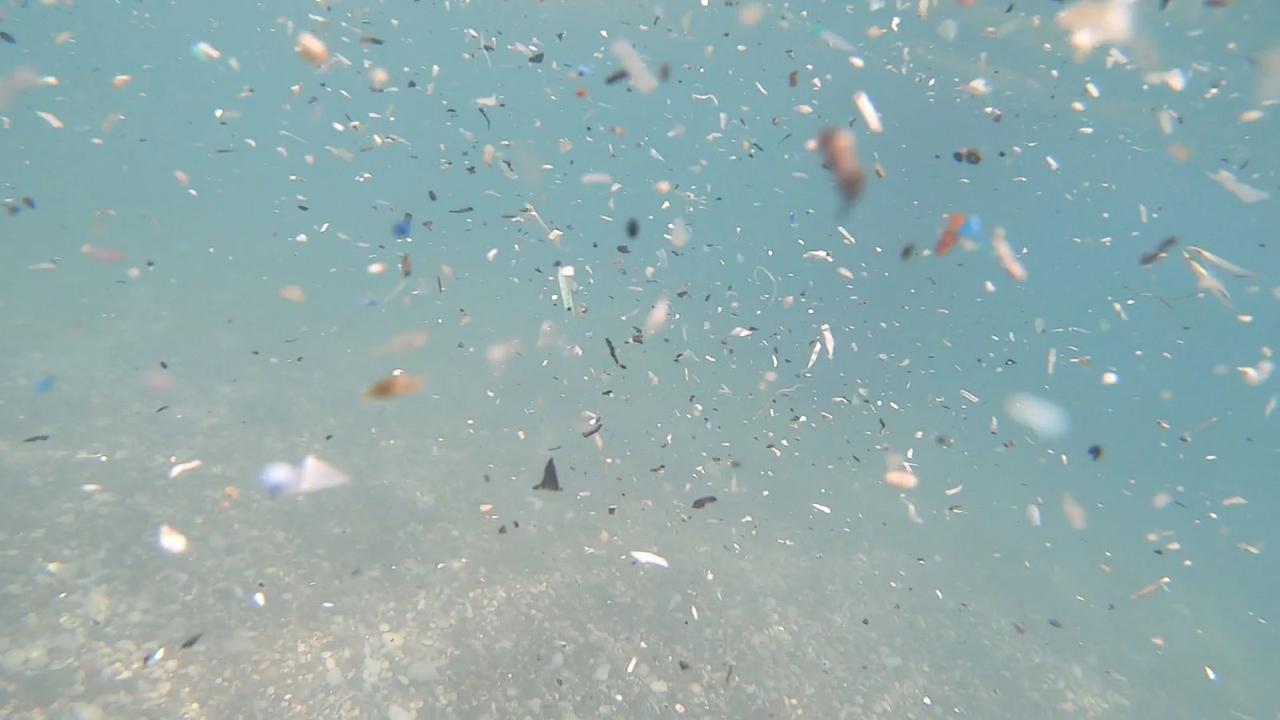
A plastic fragment that enters the sea near Mersin does not encounter the administrative boundaries separating Turkish provinces, nor does it necessarily remain in the waters where it first appeared.
The Asia Minor Current, part of the Eastern Mediterranean's surface circulation system, provides a potential westward transport route along southern Anatolia toward Antalya and the waters around Rhodes.
Research published in Frontiers in Marine Science in 2021 established that surface waters originating in the Cilician and Levantine basins can enter the eastern Aegean through the Rhodes passage and straits east of Crete.
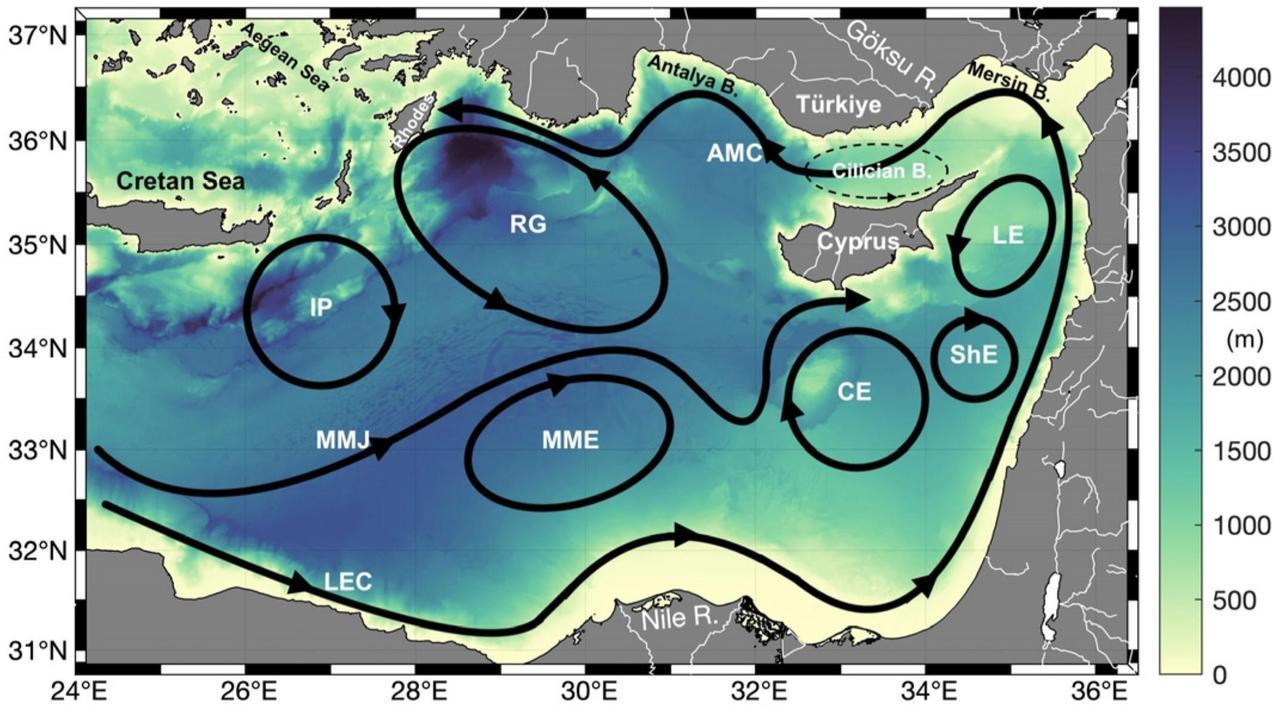
A separate study published in Environmental Pollution in October 2026 offered a broader picture of this process. By reviewing 108 scientific studies and modeling the movements of nearly 580,000 particles, researchers found that Mediterranean currents can redistribute floating microplastics across marine regions, while also trapping substantial quantities in parts of the eastern basin.
The study found that approximately 58.5% of simulated particles came into contact with coastlines, illustrating how plastic pollution can move between open water and coastal environments.
However, these studies do not show that particular particles from recycling facilities in Adana have traveled all the way to Mugla or the Aegean. They establish possible transport pathways rather than the verified journey of an individual pollutant.
That distinction is important, but so is the broader implication: marine pollution is not necessarily confined to where it originates, and measures taken in one coastal province may have consequences for waters much farther away.
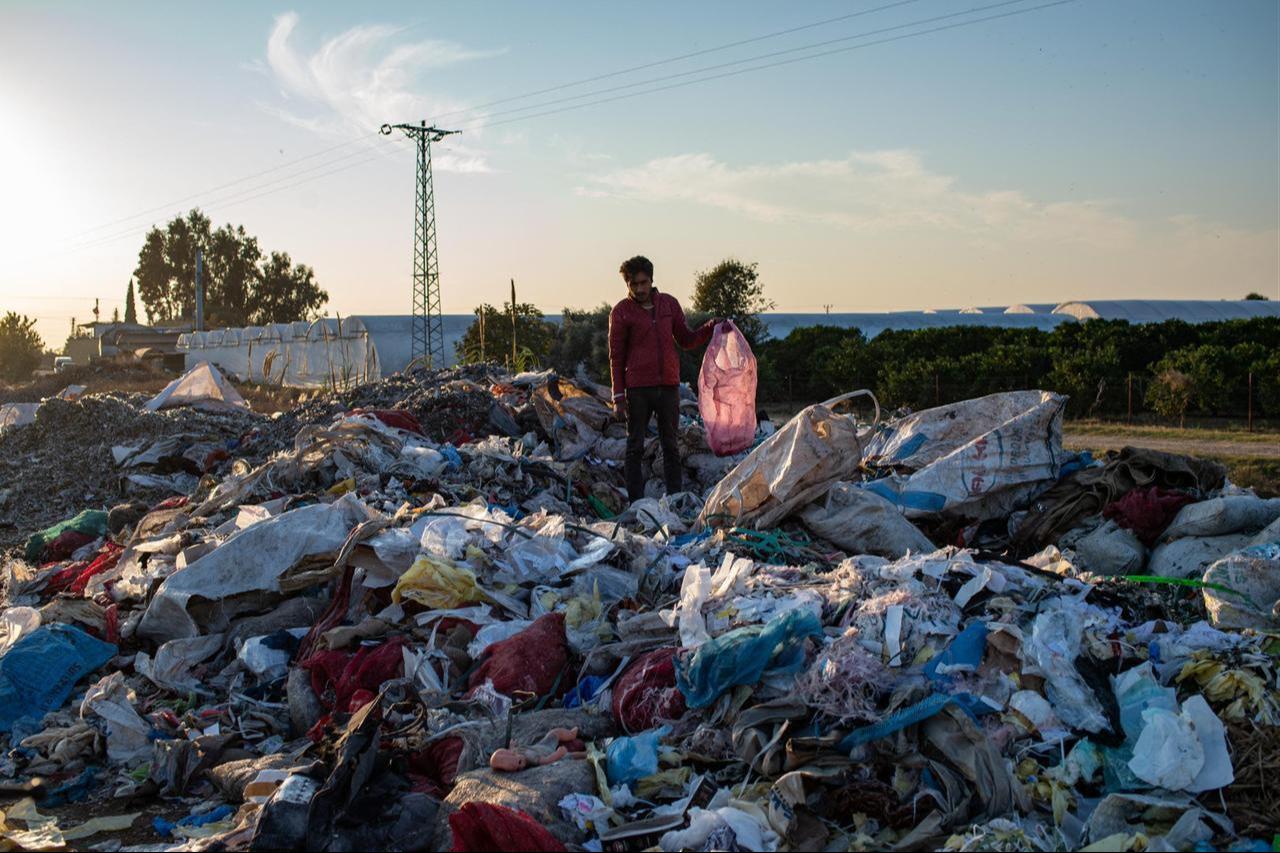
The Mediterranean pollution debate becomes more complicated when the international plastic waste trade enters the picture.
In August, The Guardian reported that European Union countries exported more than 503,000 metric tons of plastic waste to Türkiye in 2025, while Britain sent approximately 139,000 tons.
The investigation also examined waste-processing activities in Adana, including waterways near recycling facilities handling imported plastic materials.
European plastic waste exports are generally presented as part of an international recycling system in which materials are collected, traded and processed for reuse. However, the environmental consequences depend on what happens after those materials reach their destination.
Imported recyclable plastic is not automatically illegal waste, and its presence in Türkiye does not, by itself, demonstrate environmental damage.
Yet the discovery of microplastics associated with recycling processes raises legitimate questions about whether waste management systems can prevent particles from escaping into surrounding waterways, regardless of whether the original materials were imported or produced domestically.
This is where the debate moves beyond a simple argument about who sends waste and who receives it. If recycling operations generate pollution that reaches rivers and the Mediterranean, the consequences involve both the systems that produce and export plastic waste and the facilities that process it.
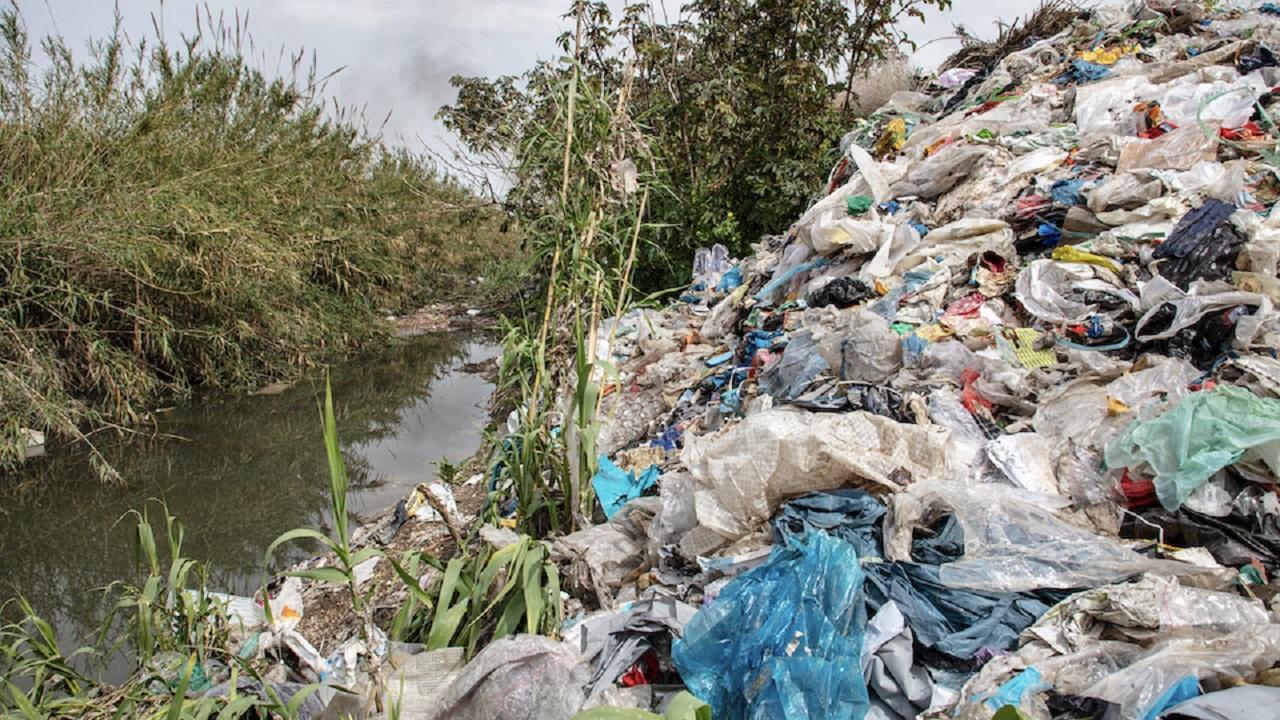
The concerns have not remained limited to academic research or environmental campaigns.
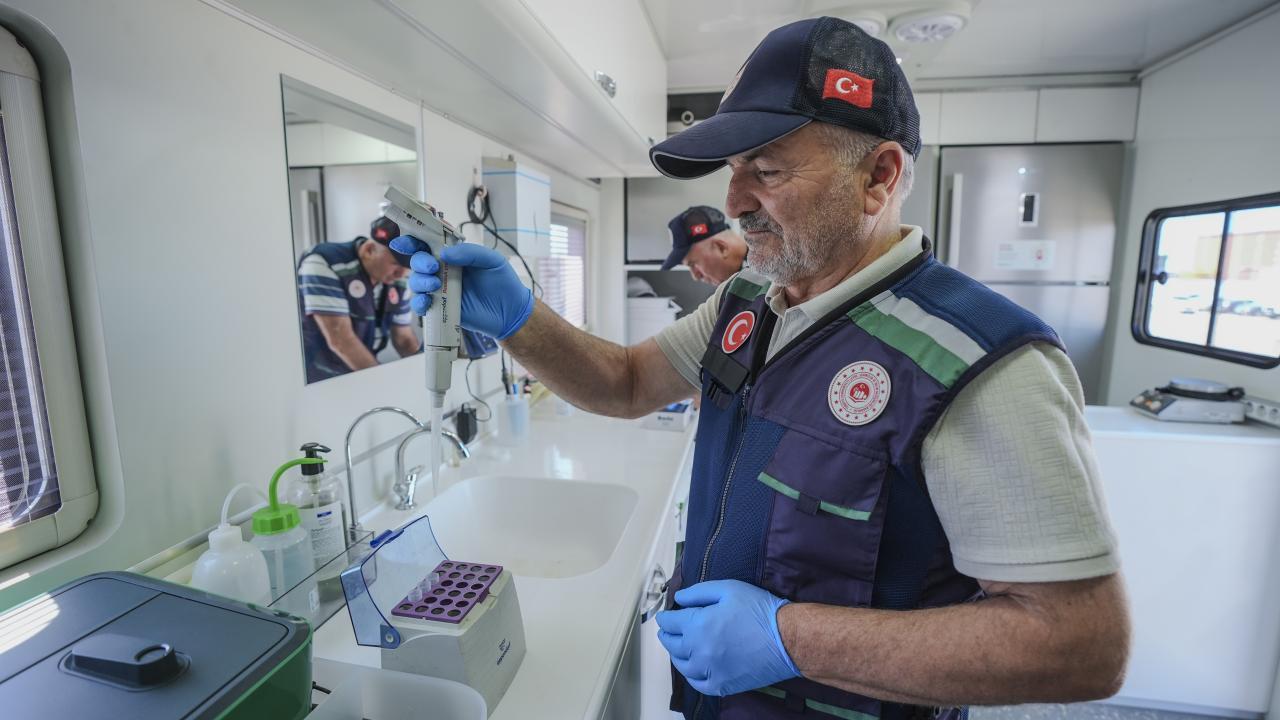
Between July 1 and Sept. 15, Türkiye's Ministry of Environment, Urbanization and Climate Change conducted 1,396 inspections across six provinces as part of its response to waste-management and pollution concerns.
The ministry reported administrative penalties totaling ₺153.6 million (over $3 million) against 76 facilities and suspended operations at 28.
During a three-day inspection campaign in Adana in September, officials examined 170 facilities involved in recycling or waste imports, imposing fines on 13 and suspending operations at 12.
These enforcement measures show that environmental violations were identified in the sector, although they do not establish a direct link between each sanctioned facility and the microplastics recorded along Antalya's coastline.
Nevertheless, the combination of unusually high coastal measurements, concerns about industrial sources and regulatory action has moved the issue beyond isolated reports of litter accumulating on beaches.
The debate acquired a political dimension on Oct. 20, when the Turkish Presidency's Directorate of Communications, through its Center for Combating Disinformation, challenged social media claims that Europe was dumping its rubbish in Türkiye.
The center described the narrative that "Europe is dumping its garbage in Türkiye" as misleading, emphasizing that Turkish regulations prohibit the import of hazardous, nonrecyclable or disposal-bound waste.
It maintained that only recyclable materials meeting specified standards may be imported for processing at licensed facilities, while shipments failing to meet those requirements are returned to their countries of origin.
The statement also highlighted customs monitoring and inspections, while describing the timing of the allegations ahead of COP31 as an attempt to damage Türkiye's environmental reputation.
The distinction in Ankara's response is significant. Türkiye does import plastic waste for recycling, but authorities reject the suggestion that the country legally permits foreign rubbish to be brought in simply for disposal.
At the same time, the statement did not directly address the scientific findings concerning microplastics detected along the Mediterranean coastline or the potential contribution of recycling activities to marine contamination.
Those issues require different forms of evidence: inspections and trade records can establish whether shipments and facilities comply with regulations, while environmental sampling and particle-tracking studies are needed to determine how plastic pollution enters and moves through the sea.
As Antalya prepares for COP31, the discussion therefore involves more than competing claims about Europe's rubbish. It also concerns the relationship between international recycling markets, environmental enforcement and the Mediterranean waters that connect the countries around them.
The summit will bring global attention to Antalya, but the scientific questions surrounding microplastic pollution will remain long after the delegates leave.
Beyond the debate over European waste exports, recycling regulations and government inspections lies a reality that cannot be overlooked: the Mediterranean belongs not to one country, but to all of humanity. Its waters connect continents, civilizations and generations, while sustaining marine ecosystems that cannot speak for themselves.
Plastic pollution does not recognize national borders, and once microplastics enter the sea, removing them becomes extraordinarily difficult. Fish and other marine creatures face growing exposure to particles that can enter food chains, while the long-term consequences for marine ecosystems remain a serious concern.
As world leaders gather in Antalya for COP31, the Mediterranean offers a reminder that environmental responsibility cannot end at a country's shoreline. What enters the sea today may travel far beyond its original source, linger for generations and eventually find its way back into our lives.
The Mediterranean has given humanity life, food and prosperity for thousands of years. The question now is what we are giving back. Because one day, the sea may return to us what we have poured into it, not as the waste we discarded, but through the very marine life and ecosystems we depend on. And by then, some of the damage may be impossible to undo.


 Set as preferred source
 Set as preferred source


 2 min read