Newsletters


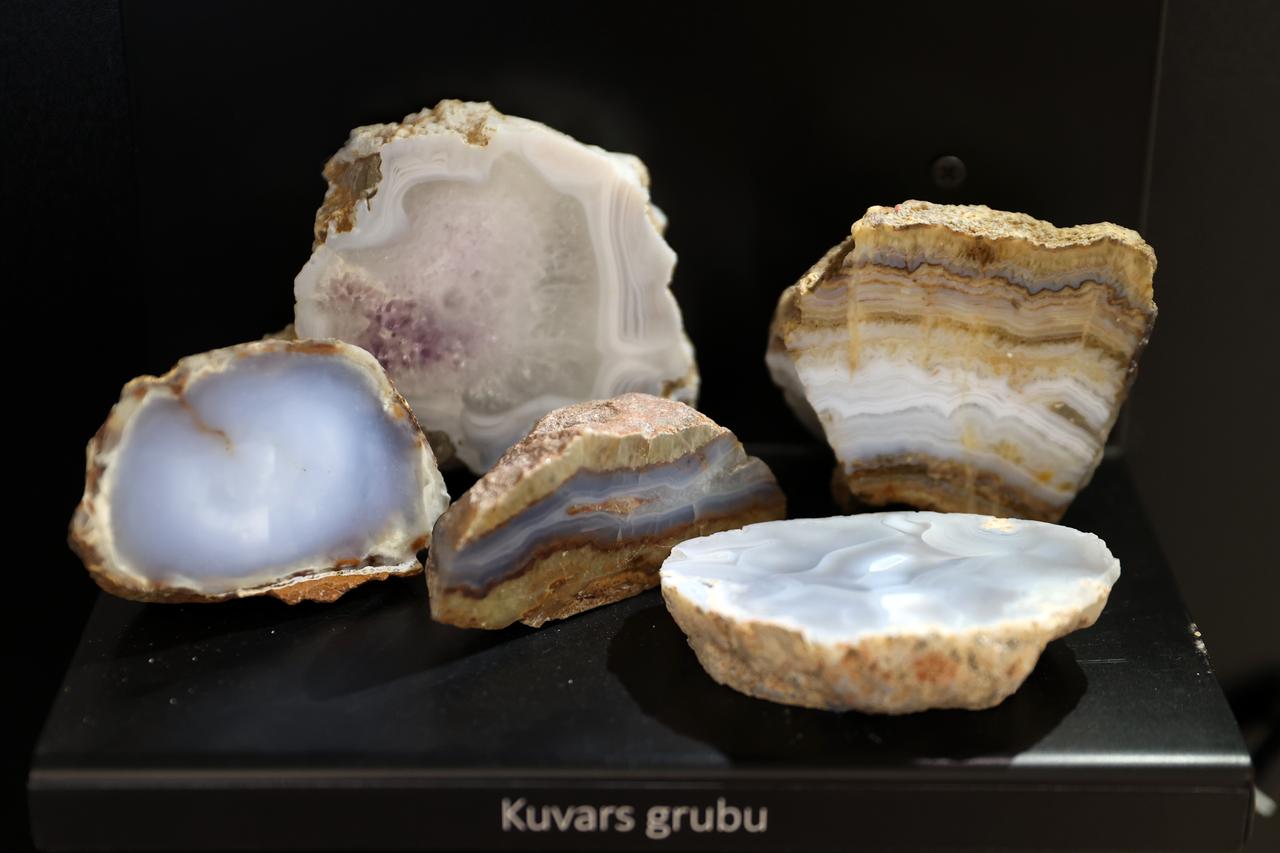
A collection of 35 rock, mineral and semi-precious ornamental stone specimens from Türkiye and other parts of the world is on display in the central Turkish province of Konya, offering visitors a closer look at Earth's geological history and the practical uses of natural stones.
The exhibition, hosted by the Konya branch of the Chamber of Geological Engineers (JMO), brings together minerals used in industry alongside decorative stones that are turned into jewelry, necklaces and household accessories such as desk clocks.
Some specimens stand out for their crystal structures and glittering surfaces, including minerals whose appearance resembles that of diamonds.

Among the exhibits, pyrite has drawn particular attention because of its distinctive crystalline structure and resemblance to precious metals.
Sukru Arslan, head of the JMO's Konya branch, told Anadolu Agency (AA) that pyrite is commonly known locally as "shepherd's gold" because its golden appearance has historically led people to mistake it for real gold.
According to Arslan, the mineral is widespread across several regions of Türkiye, including Konya. In the past, shepherds who came across pyrite while taking their flocks into mountain pastures sometimes kept the stones or attempted to sell them, believing they had discovered gold.
The exhibition was put together with contributions from academics and fellow geological engineers interested in collecting stones and minerals, Arslan added.
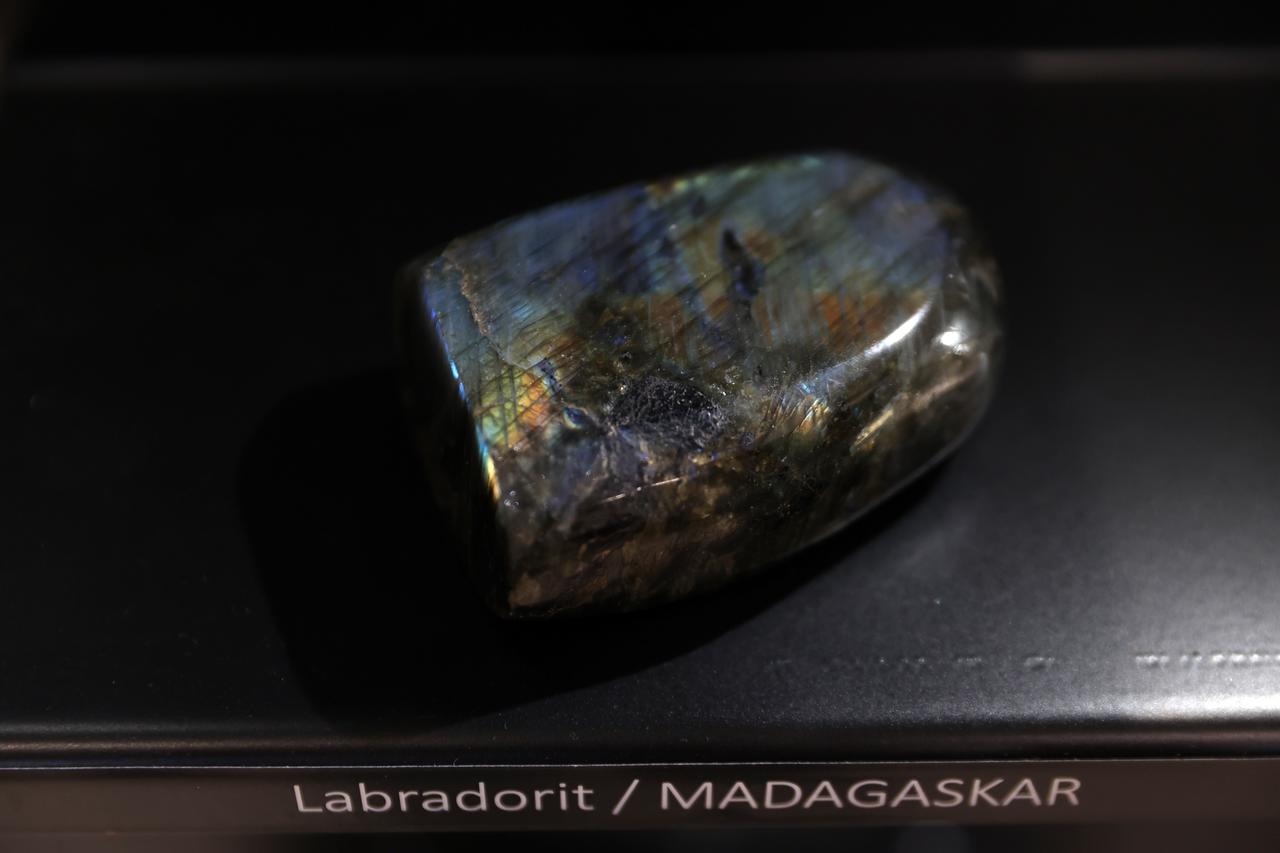
Beyond their visual appeal, the specimens offer insight into the natural processes that have shaped the planet over time, while also highlighting how geological materials are used in mining and decorative industries.
Arslan emphasized that the stones serve both scientific and economic purposes, helping people understand Earth's development while providing materials for value-added products.
"These stones allow us to read the processes our planet has gone through from its formation to the present day and learn about them. They are also used as value-added products in the mining and jewelry industries. We are displaying these specimens both to explain nature and to increase people's interest in nature and stones. We have a total of 35 different specimens here," he said.
The exhibition brings these different aspects together, introducing visitors to the diversity of natural stones and their applications beyond geological research.


 Set as preferred source
 Set as preferred source


 1 min read