Newsletters


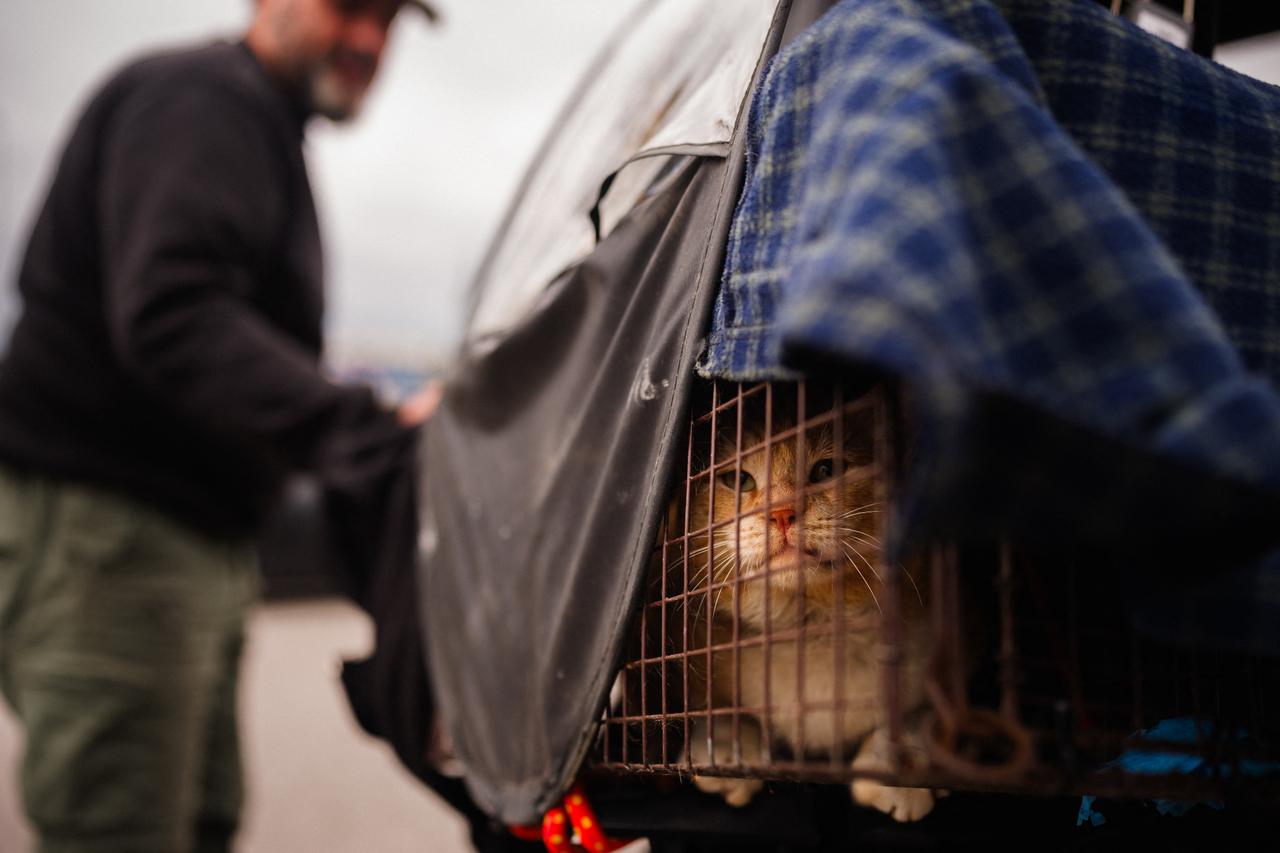


According to two Lebanese nongovernmental organizations, volunteer teams visit Beirut's most heavily affected neighborhoods daily to rescue animals left behind as families flee ongoing Israeli airstrikes.
Animals Lebanon has rescued 241 animals from south Lebanon and Beirut's southern suburbs since the conflict began. The organization deploys teams on mopeds, which can navigate rubble-strewn streets and exit quickly when strikes are imminent. Animals Lebanon receives over 100 requests daily from families seeking help to locate and retrieve pets.
"Cats in particular, when there's a strike, they panic," said Reem Sadek, operations manager at Animals Lebanon. "We're perhaps the only people with the experience to find and capture them."
Sadek said many of the animals were not deliberately abandoned. "They were left in fear and chaos because people had no choice," she said.
The war has killed over 1,100 people and displaced more than 1 million, according to Lebanese authorities. In a city without air-raid sirens, gunshots fired into the air serve as the only warning of incoming strikes.
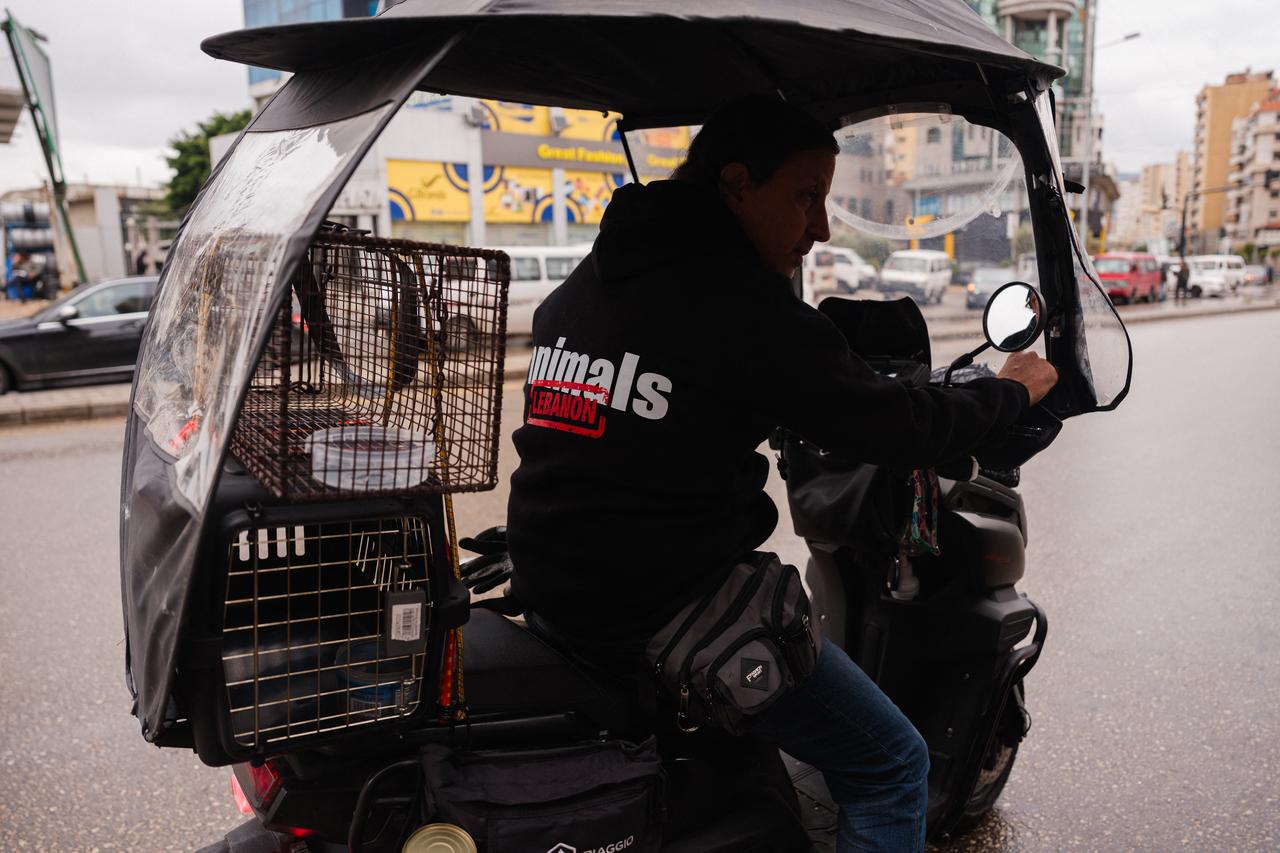

In addition to rescuing animals, Animals Lebanon distributes food, carriers, and litter to displaced families and provides veterinary medicine at displacement sites. Teams also feed stray animals in largely evacuated neighborhoods.
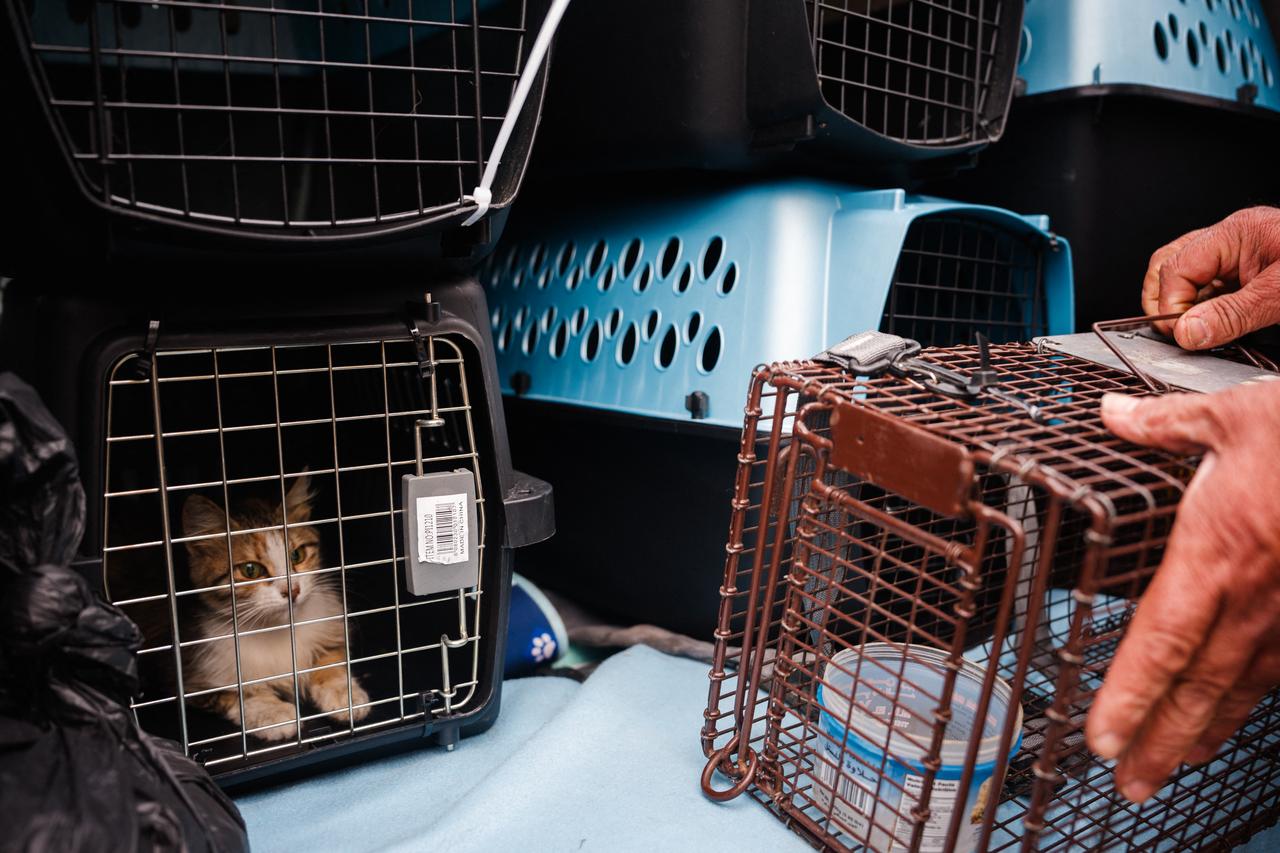
Among the animals rescued was a cat named Aura, who gave birth to four kittens while sheltering in a rubble-hit area of Beirut. She and her kittens were retrieved by rescue teams and brought to safety.
A second organization, Give Me a Paw, has received over 400 requests for animal rescue assistance since the conflict escalated. Its teams coordinate with families to safely access homes in affected areas, entering conflict zones daily despite unpredictable strikes.
"We are making it every single day to the war zones and making sure we are rescuing the animals and bringing them back to safety," said Stephanie Allaf, coordinator at Give Me a Paw.
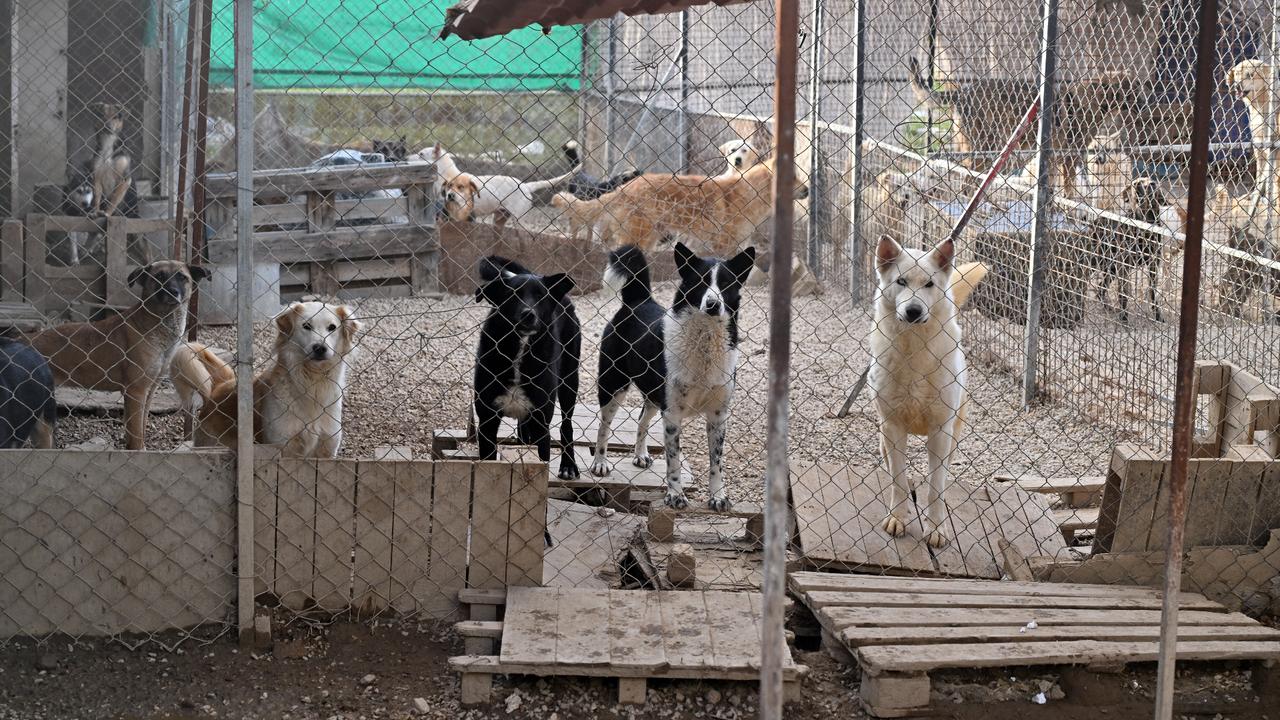
Rescued animals are reunited with their owners when possible or placed in foster homes and temporary boarding. Injured animals receive veterinary care.
The war has complicated animal welfare cases beyond domestic pets. Animals Lebanon is managing the evacuation of a 5-month-old lion cub confiscated from wildlife traffickers shortly before the conflict began. The organization had planned to transport the animal to South Africa, but airlines capable of the journey have suspended operations due to the war.
The team is now pursuing an alternative route, evacuating the cub by boat to Cyprus, while continuing daily rescue missions.
The organization also tracked a second trafficked lion cub, later located in Lebanon's rural northeast, as part of a broader wildlife enforcement effort disrupted by the conflict.
Volunteer Khalil Hamieh, 45, said the physical risks of rescue work extend beyond airstrikes. He noted that animals in distress often resist handling.
"We know we're risking our lives, and not just because of the shelling," Hamieh said. "We're afraid of a fight with a cat or a dog while trying to save it, because it doesn't understand what we're doing."
Sadek said the organization's work provides broader support for displaced residents.
"Animals Lebanon has been at the front of this war, working every single day to help the animals and the people who love them," she said. "By helping their animals, we are helping people to hold on."


 Set as preferred source
 Set as preferred source


 1 min read
 1 min read