Newsletters


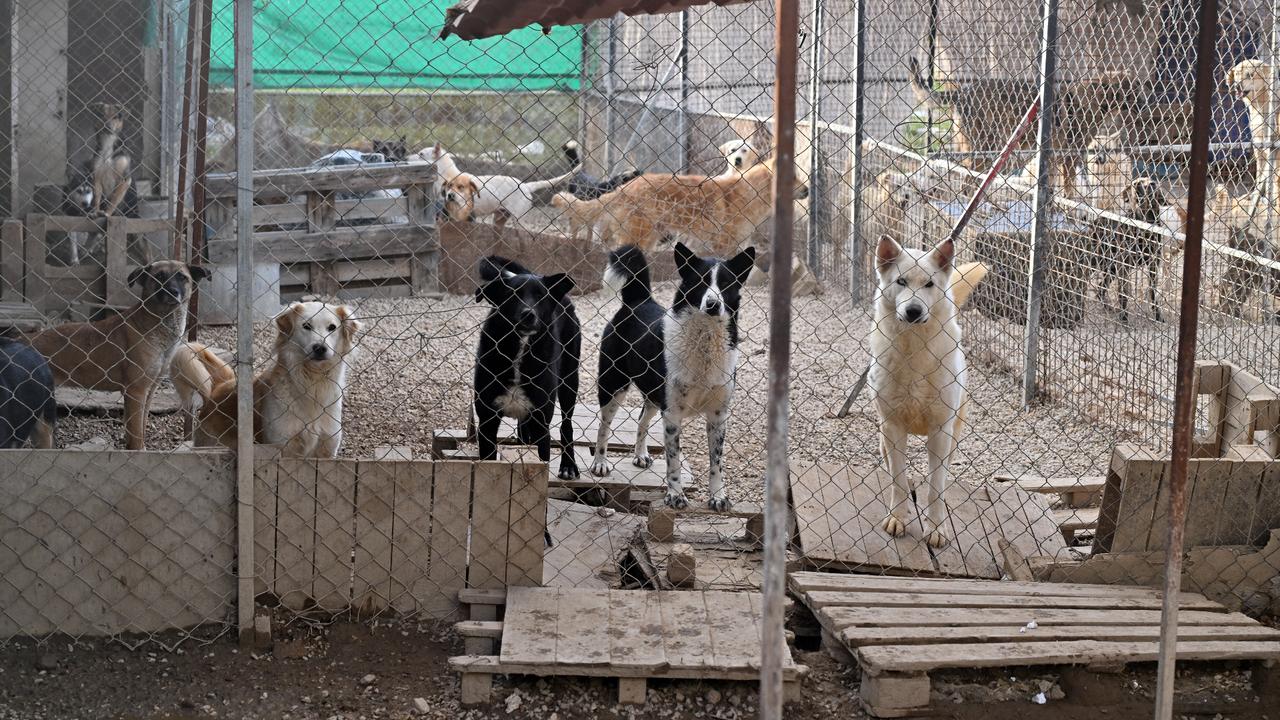
In the southern suburbs of Beirut, known as Dahiye, a densely populated district that has seen large-scale displacement following Israeli attacks, abandoned animals have begun to pile up alongside the destruction. As residents were forced to move out, many had to leave their pets behind, turning both street animals and once-domesticated pets into what locals describe as the conflict’s “silent victims.”
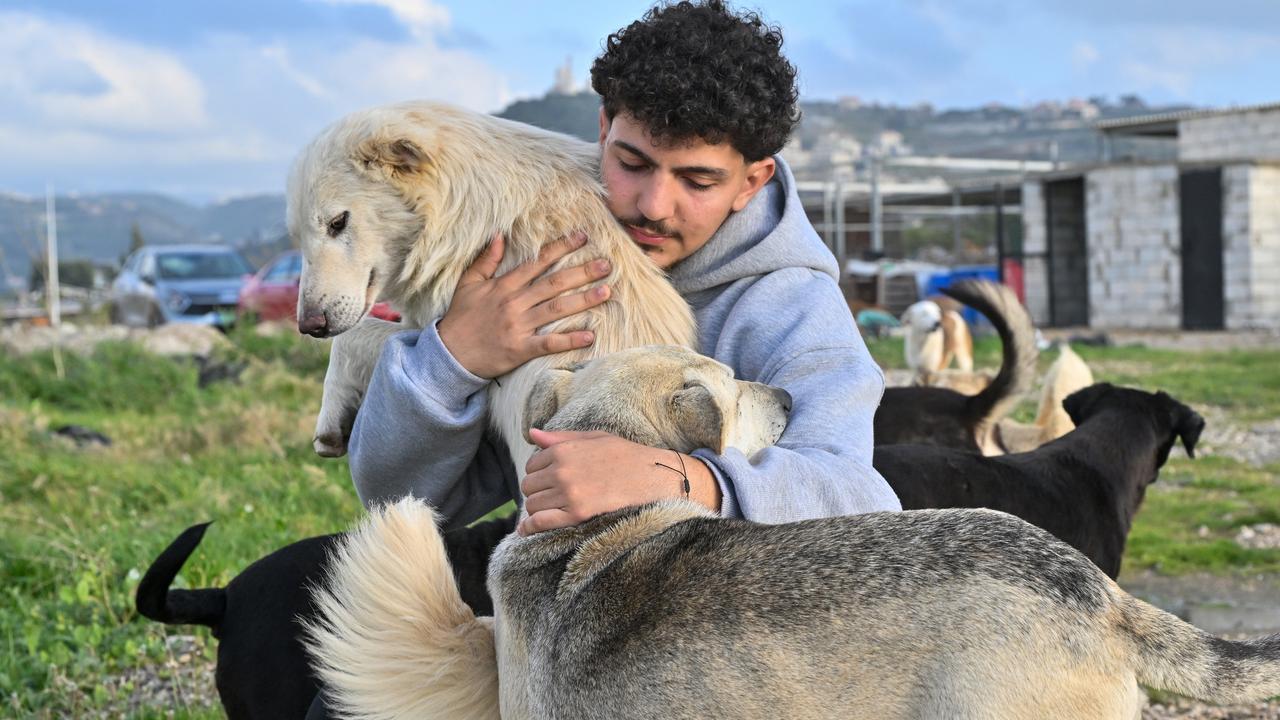
Twenty-year-old Mohammed Habli has stepped in to fill that gap, taking in around 300 dogs and 80 cats at his shelter. Having worked with animals for nearly five years, he has gradually built up a network through which people reach out to him after leaving their homes. Through his social media account “Rescuing Souls,” Habli has become known for stepping in where others cannot, often linking rescued animals back to their owners or taking them in when they are no longer wanted.
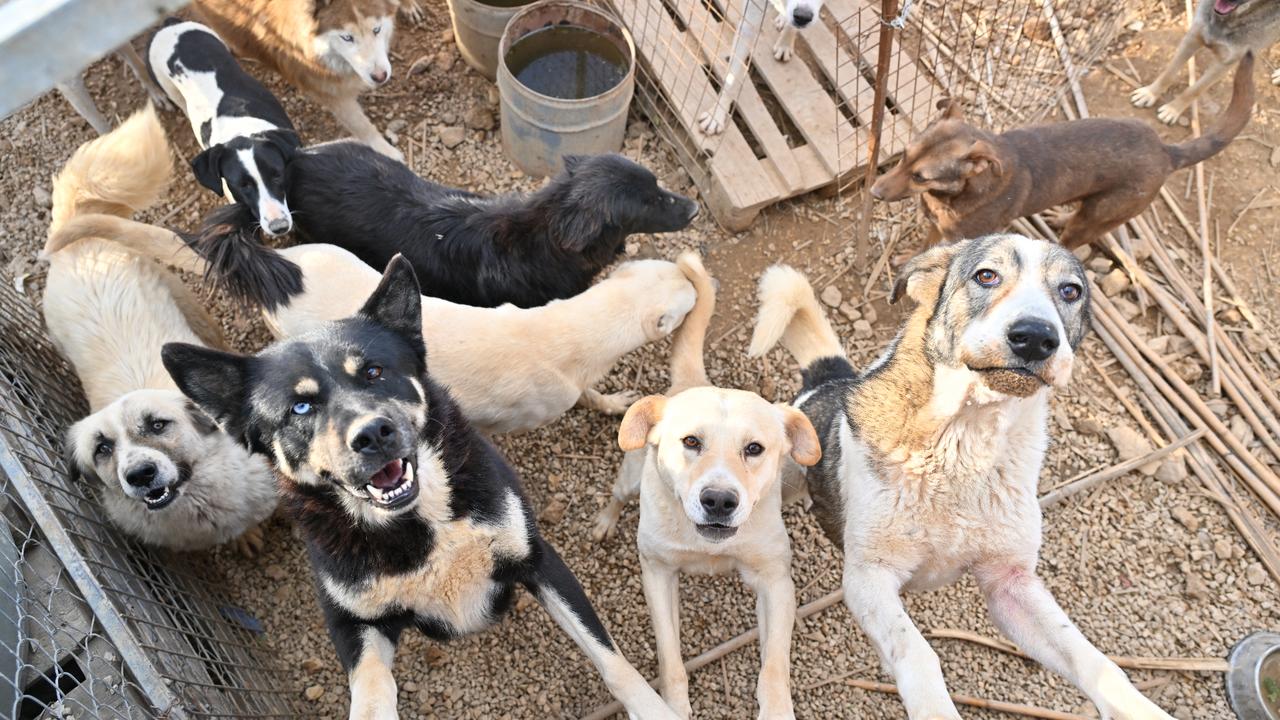
As attacks have spread across areas such as Tyre (Sur), Nabatieh and Dahiye, Habli and his small team have worked to track down animals left behind.
Some are brought back to their owners when possible, while others are taken into long-term care.
He points out that animals raised indoors struggle to survive outside, often falling ill, getting hit by cars, or failing to find food, which has made sheltering them a priority.
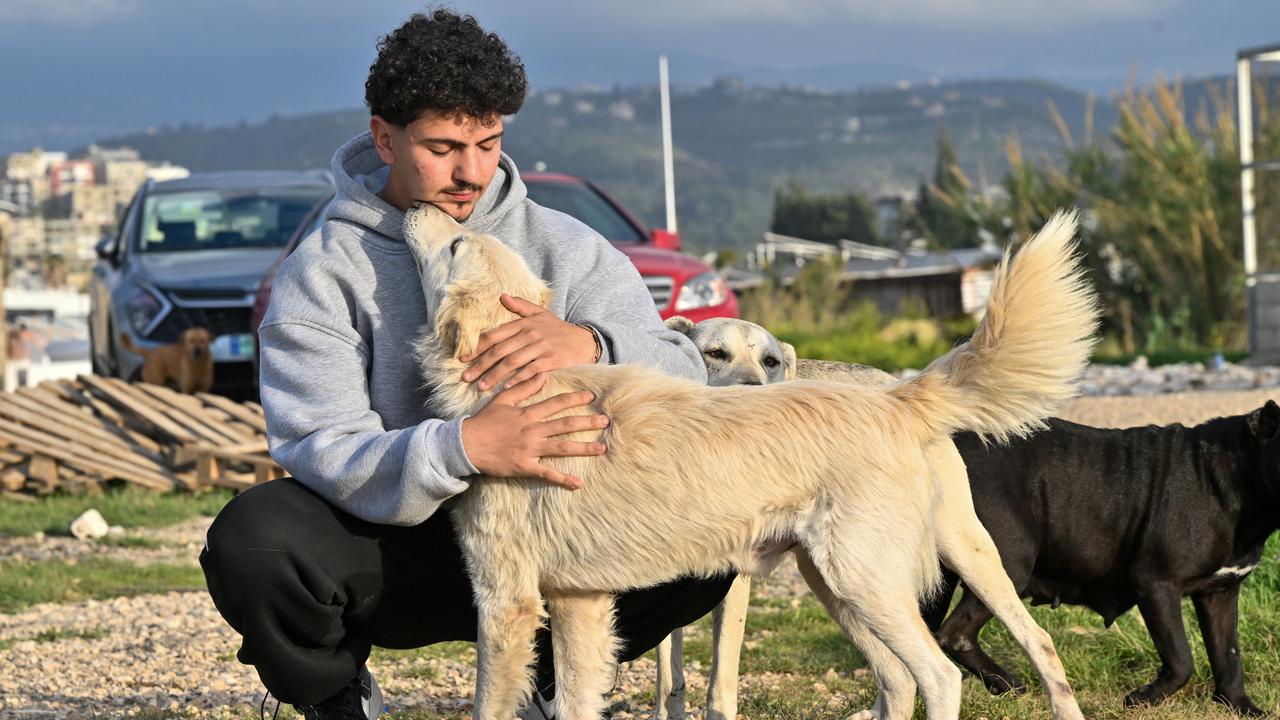
Rescue operations have at times come with life-threatening risks. Habli recalls a recent incident in Dahiye when a building linked to the Al-Qard al-Hasan institution was struck while a mother dog and her six puppies were trapped inside. Despite warnings of further strikes, he chose to move in.
“I did not step back… Because if we did not take them, they would die either in the bombardment or from hunger,” he said, describing how the team remained trapped in the area until the puppies were safely removed.
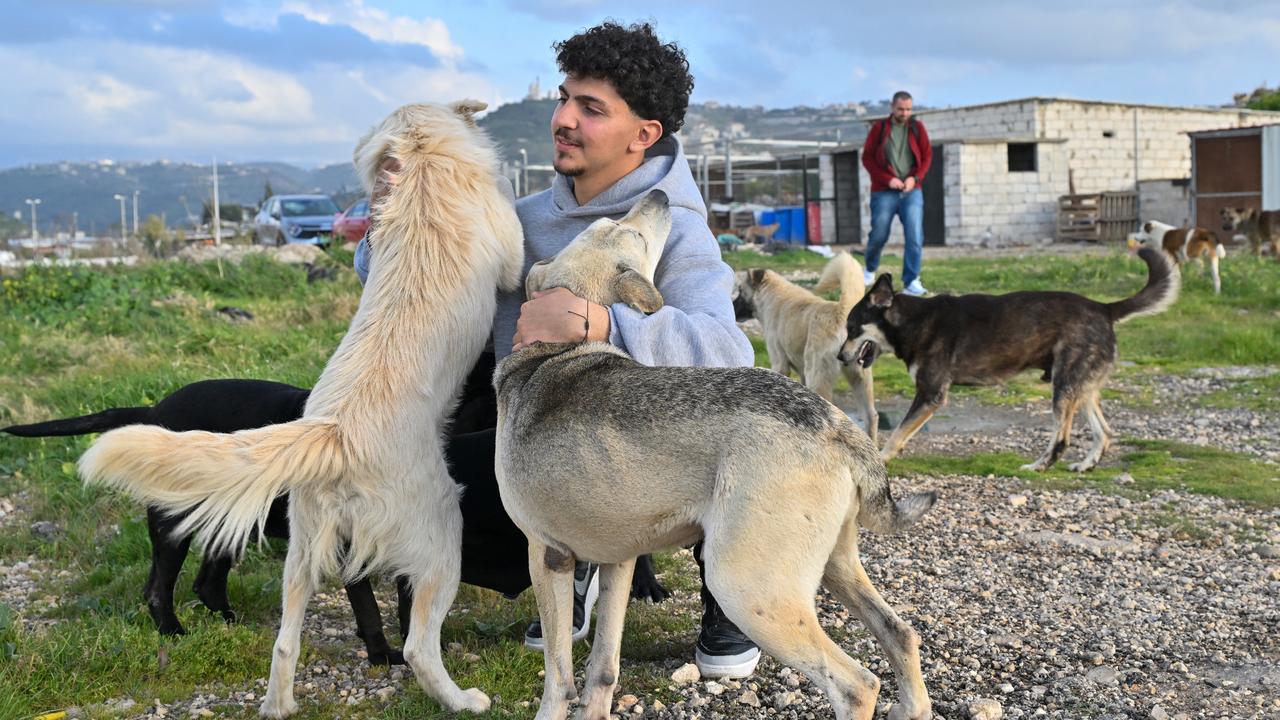
The rescue work continues largely through small-scale funding.
Habli explains that he and his friends pool money and collect donations to cover food, shelter and medical needs.
These contributions allow them to keep operations running and provide a safe space for animals rescued from both streets and active conflict zones.
While acknowledging the severe challenges of displacement, Habli urges residents not to abandon their pets when fleeing danger.

 1 min read


 Set as preferred source