Newsletters


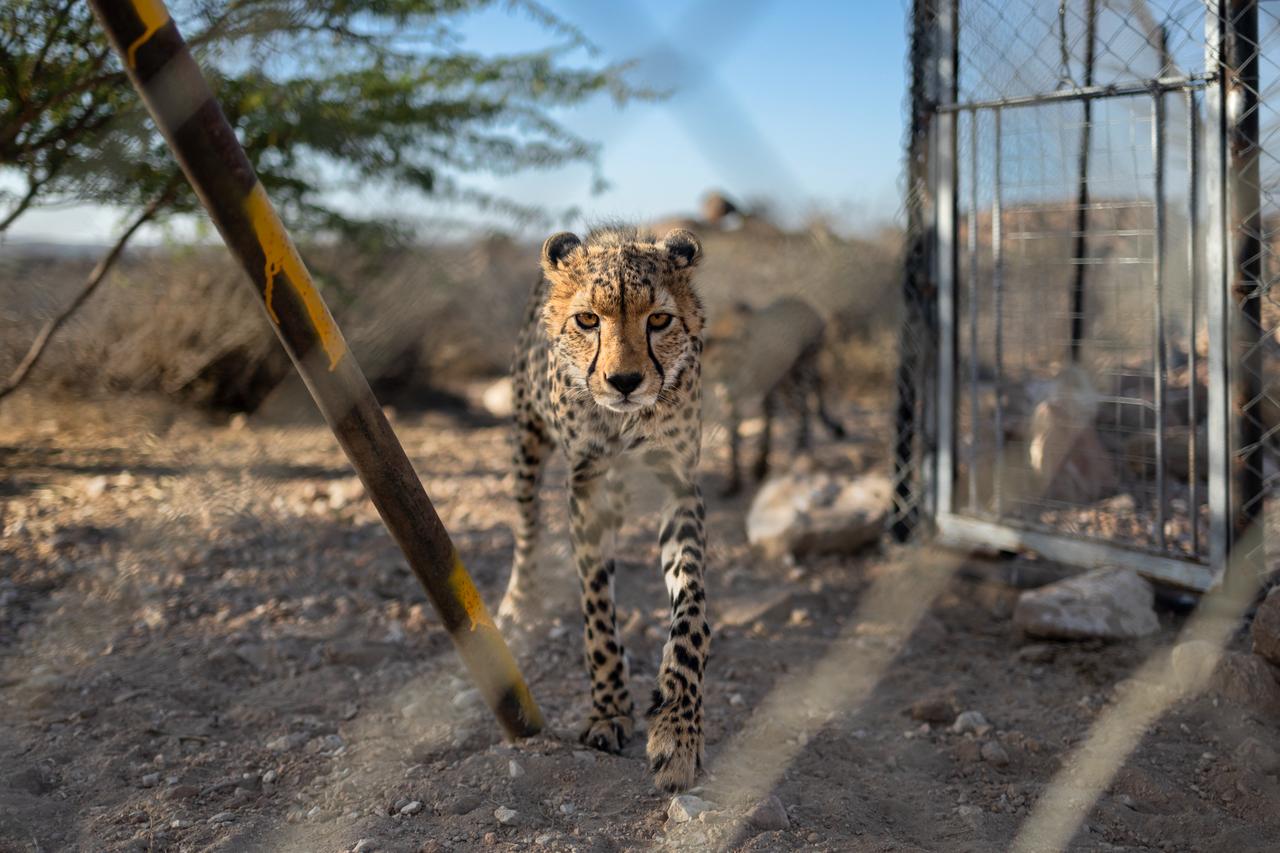


Every one of the 127 cheetahs living at a wildlife sanctuary in Somaliland was torn from its mother as a cub to be sold as a pet in the Gulf, according to the Cheetah Conservation Fund (CCF), which runs the facility in the Geed-Deeble savannah of the breakaway Somali region.
The sanctuary houses a substantial share of the estimated 600 cheetahs believed to remain in the Horn of Africa. Worldwide, roughly 7,000 cheetahs survive in the wild. The International Union for Conservation of Nature classifies cheetahs as critically endangered across most of Africa, except in the species' most abundant range in the south.
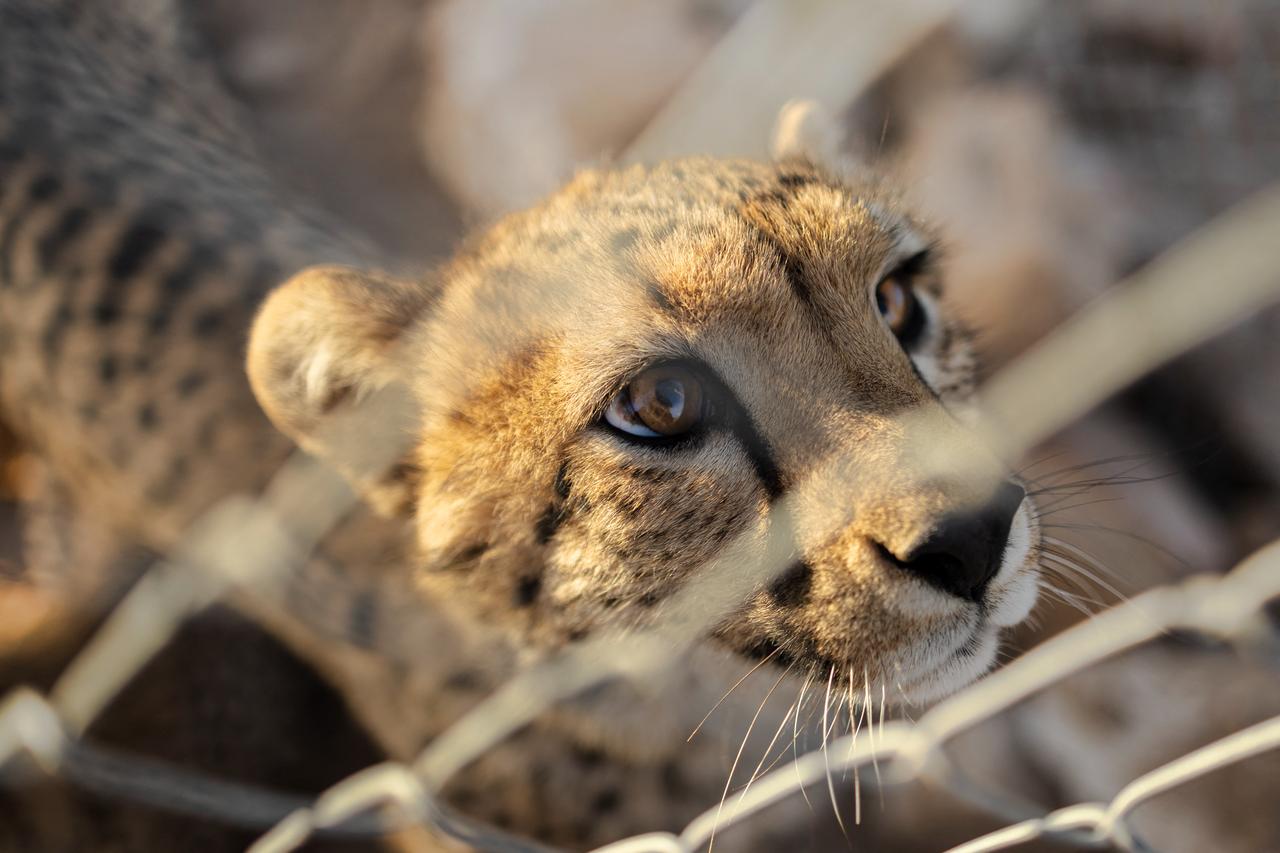

Most cheetahs enter the illegal trade in Somaliland or neighboring Ethiopia. From there, they are transported across the Gulf of Aden to Yemen before reaching Gulf countries, primarily Saudi Arabia and the United Arab Emirates, where demand from wealthy buyers drives the market.
Villagers who capture the animals receive $50 to $100 per cub. By the time a cheetah reaches its final destination, the price climbs to between $15,000 and $20,000, said Chris Wade, director of the CCF sanctuary.
A 2021 report by the Global Initiative Against Transnational Crime estimated that around 300 cheetahs are smuggled out of East Africa and the Horn of Africa each year, primarily destined to become pets for wealthy individuals and members of royal families in the Middle East. If the pace continues, “the species is headed for virtual extinction."
Somaliland Agriculture Minister Abdilahi Jama Osman called the ongoing trade a potential "disaster."
"That's what we are fighting against," he said.
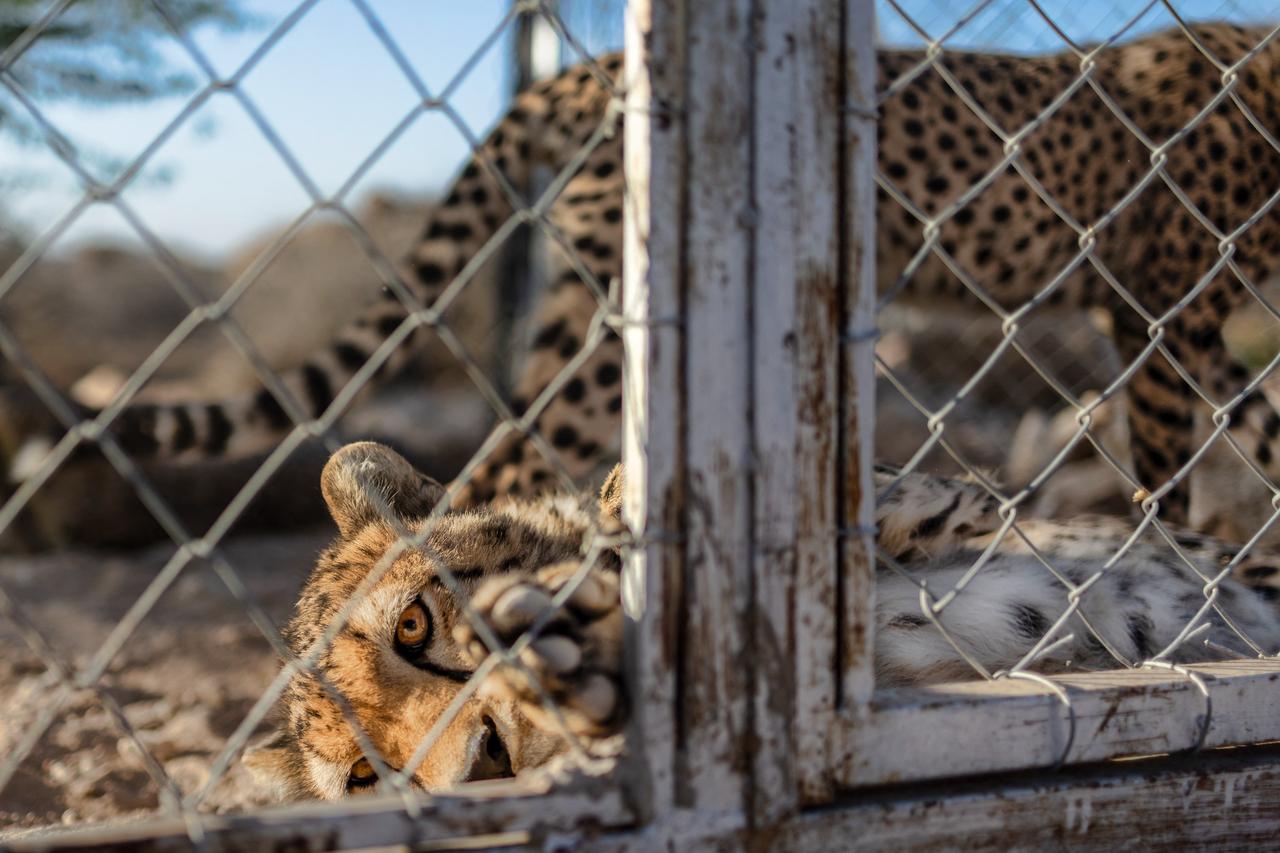
The journey itself is lethal. For every cheetah cub that reaches its destination, four or five die en route, said Laurie Marker, founder of CCF.
"And once one might reach the Middle East, their lifespan is only about one or two years due to malnutrition and disease, as most don't know how to care for them properly," she said.
Eight of the youngest cheetahs at the CCF center arrived together in severe condition. Wade said they were "dehydrated, riddled with parasites" when they came in as part of a group of 11 cubs intercepted last year by Somaliland authorities from a smuggling boat. Three did not survive.
"We put them in intensive care, but three of them died in three days," Wade said.
Admiral Ahmed Hurre Hariye, commander of the Somaliland coastguard, said authorities intercepted the vessel based on an intelligence tip-off.
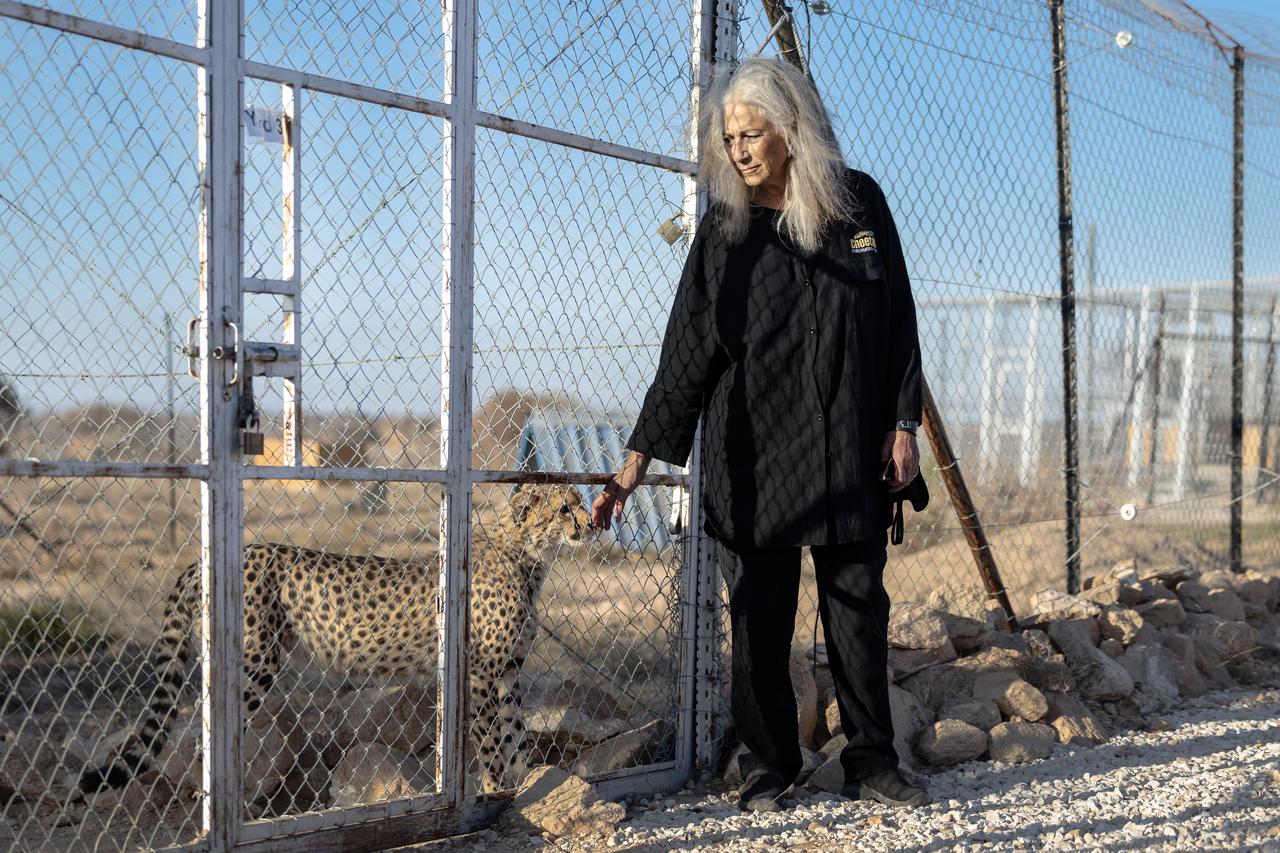
The UAE passed a law in 2016 criminalizing the possession and trade of dangerous animals. Saudi Arabia followed with similar legislation in 2022. Despite the legal frameworks, experts say the trade has not stopped.
"But I'm seeing new cheetahs popping up on Facebook accounts and posts," said Daniel Stiles, an animal trafficking expert. "At least in the UAE, some cheetahs are still coming in."
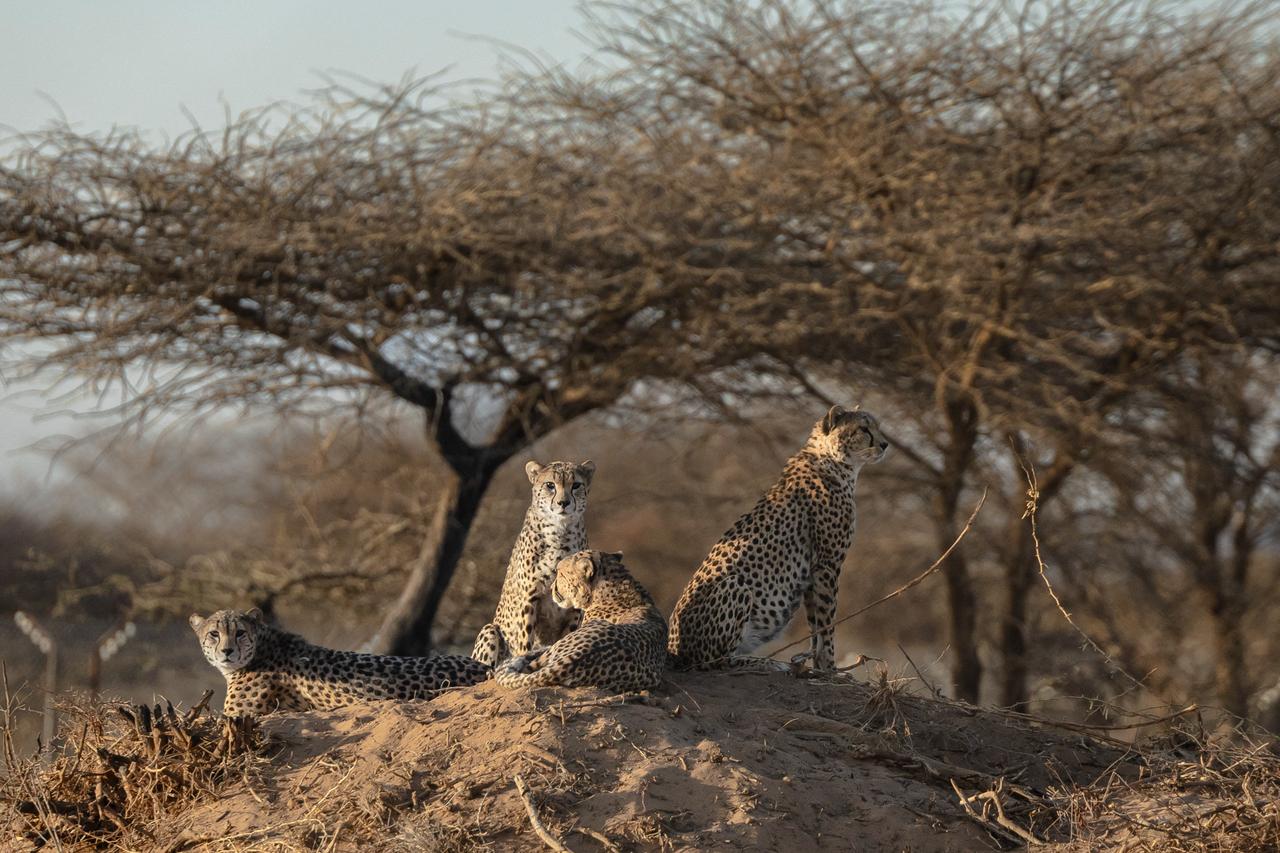
Most of the CCF's cheetahs have grown too accustomed to human contact to be released. The eight youngest at the center were brought in when they were seven days old; some still had their umbilical cords attached.
"We were giving them the bottle eight times a day. Now they are used to us, and there is nothing we can do about it," Wade said.
Cheetahs can reach speeds of up to 120 kilometers (75 miles) per hour when hunting. Most of the sanctuary's residents will never demonstrate that capability.
The CCF is developing a 1,500-hectare rewilding area at the facility. Marker said some of the younger arrivals may eventually be rehabilitated for release into the wild.


 Set as preferred source
 Set as preferred source



 3 min read