Newsletters





Food waste remains a global issue, but a large part of the problem starts in everyday habits at home.
Turkish chef, author, and YouTuber Refika Birgul says simple changes in how people shop, store, and cook food can significantly reduce waste.
Speaking to Anadolu Agency ahead of Zero Waste Day, which focuses on food waste this year, Birgul outlined a nine-step method to help households cut down on unnecessary loss.
She pointed to striking data that shows how much food never reaches the table.
“Out of 100 tomatoes produced in the field, about 50 are lost before reaching the market. Of the 50 we buy, 26 end up in the trash. That means only 24 out of 100 tomatoes actually become food,” she said.
According to research she cited, 52% of fruits and vegetables, 34% of bread, and around 17% of meat are wasted between production and consumption.
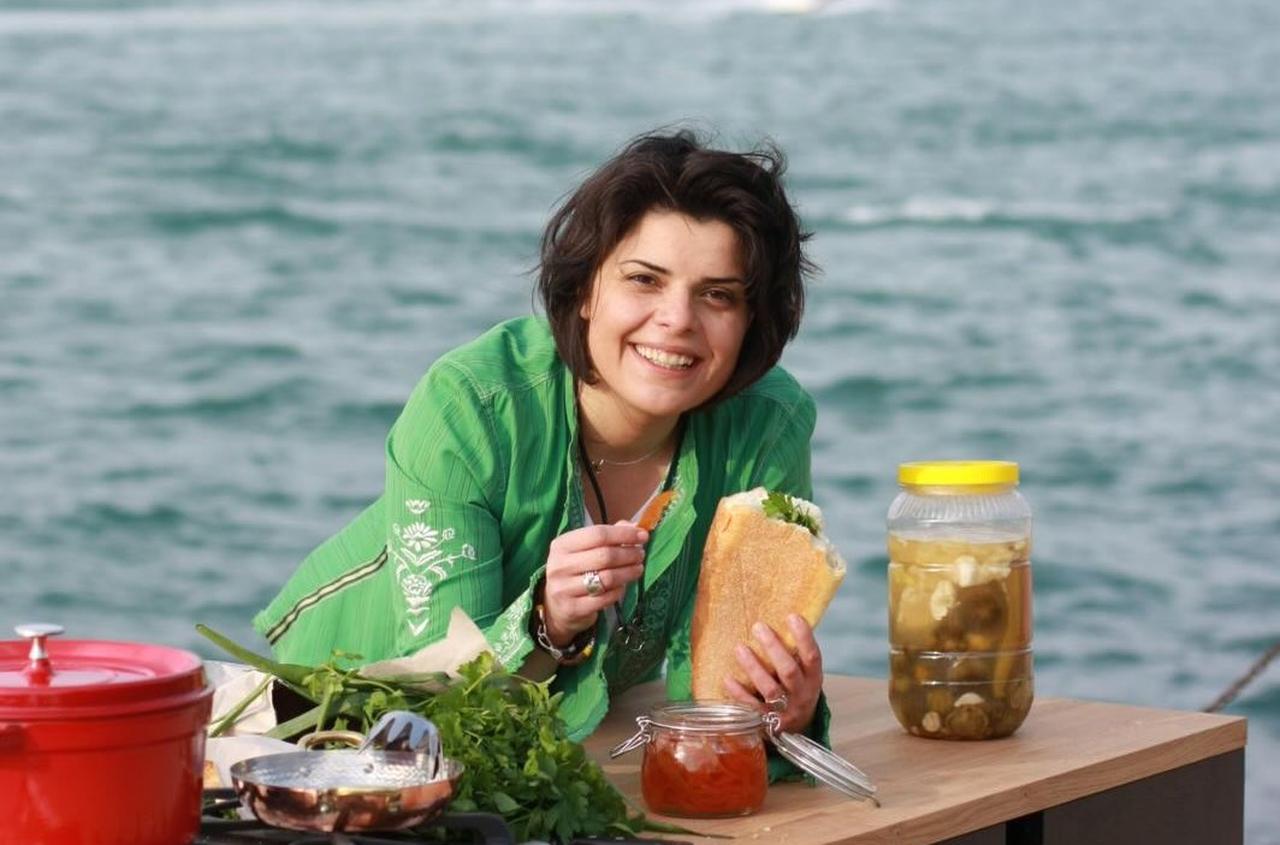

Chef Refika Birgul said food loss starts early in the supply chain, including transport and improper storage in markets.
However, she stressed that consumer behavior plays a major role in what happens after purchase.
She said her team began questioning their own habits after noticing inconsistencies in how food is presented versus how it is actually used.
“We were showing peeled onions in videos, but not explaining how to peel them. We were choosing the most perfect garlic. But in reality, we used damaged or imperfect ones too,” she said.
After examining kitchen waste more closely, she realized that while some households waste very little, others discard far more.

Birgul’s method covers the entire process from shopping to disposal. Key steps include:
1. Change shopping habits: Avoid shopping while hungry. Prepare a list and buy only what you need. Large refrigerators can encourage overbuying, she said.
2. Store food correctly: Improper storage causes food to spoil quickly. “Cheese wrapped in plastic cannot breathe and may spoil in a week instead of lasting a month,” Birgul explained. She also warned against storing bread in plastic or in the refrigerator.
3. Use all edible parts: Many people discard parts that are still usable. Potato skins, for example, can be eaten after proper cleaning, while herb stems are both nutritious and flavorful.
4. Cook efficiently: Using the right equipment saves both time and energy. Pressure cookers and smaller appliances can reduce cooking time and energy use compared to ovens.
5. Don’t rely only on expiration dates: Birgul said people often throw away food based only on labels. Smell, appearance, and storage conditions should also guide decisions.
6. Cut away spoiled sections instead of discarding everything: “A small rotten part does not mean the whole product should be thrown away,” she said.
7. Repurpose leftovers: Leftover food can be turned into new dishes. Rice, for example, can be reused in soups or other recipes.
8. Combine small ingredients into new meals: Unused ingredients can be brought together to create new recipes, reducing waste and encouraging creativity.
9. Separate waste properly: Food waste and recyclable materials should be sorted to support recycling systems.

Refika Birgul is one of Türkiye’s most recognized culinary figures.
She is a chef, cookbook author, and content creator with a large following on YouTube in both Turkish and English.
Known for blending traditional Anatolian cuisine with modern techniques, she promotes practical and accessible cooking. She has written several cookbooks, produced television programs, and co-founded a cookware brand.
Her work often focuses on preserving culinary traditions while adapting them to contemporary life.
Birgul said food waste is widely discussed but still poorly addressed in daily life. She recalled how attitudes toward food were different in the past.
“When we saw bread on the ground as children, we would pick it up, kiss it, and place it somewhere high so a bird could eat it,” she said.
Birgul said simple, consistent changes in daily habits can reduce food waste.


 Set as preferred source
 Set as preferred source



 2 min read