Sign in
 Newsletters




Known for its fairy chimneys and underground cities, Cappadocia offers much more across Aksaray, Nigde and Kayseri. Rock-cut churches, Roman aqueducts, Ottoman caravanserais and volcanic landscapes reveal a region shaped by thousands of years of settlement.
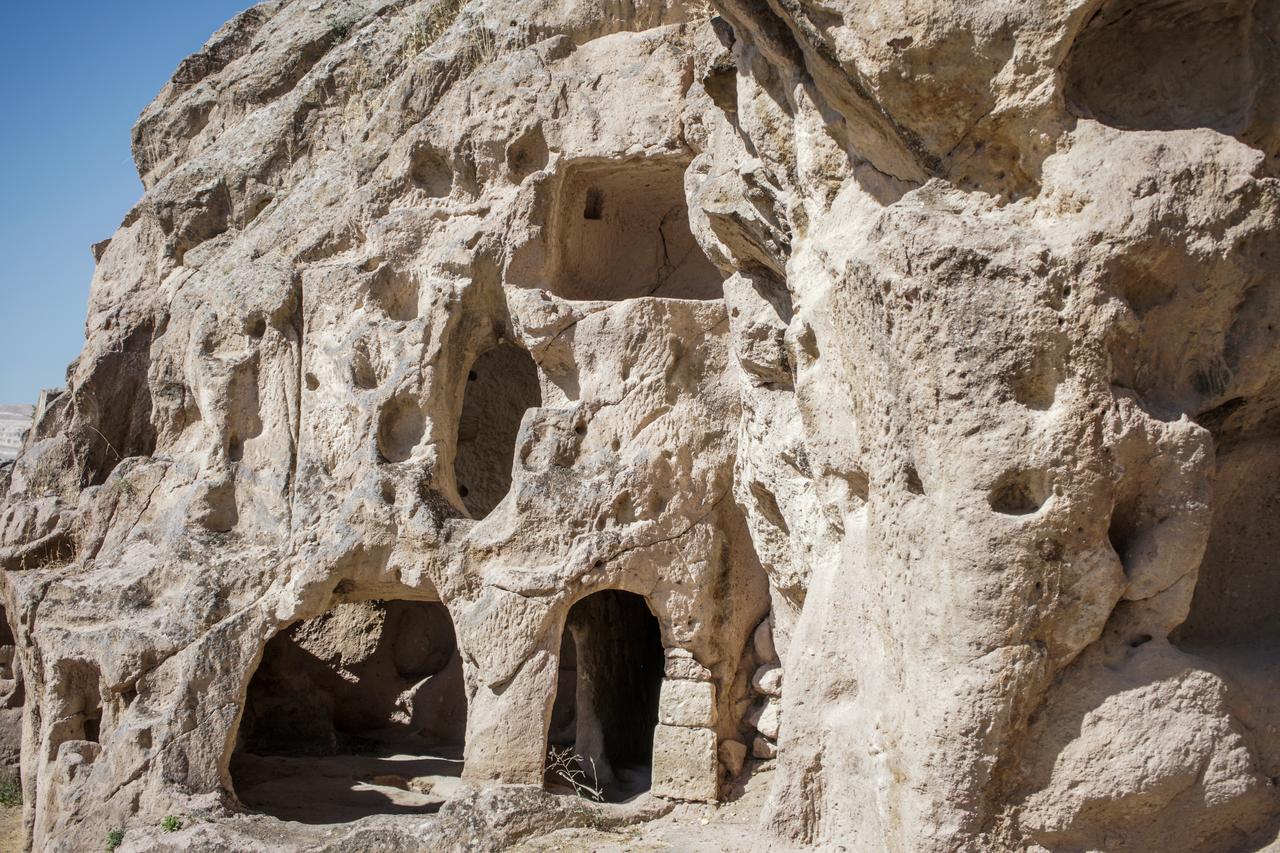
In western Cappadocia, Guzelyurt’s volcanic landscape shelters Monastery Valley, a roughly five-kilometer stretch of rock-cut churches, monasteries, monks’ cells and dwellings. The soft volcanic tuff allowed early Christian communities to carve spaces for worship and daily life.
Among its landmarks is Kilise Cami, a church later used as a mosque. Said to have been built in 385 under Emperor Theodosius in honour of St Gregory of Nazianzus, the building underwent changes over the centuries. Its bell tower became a minaret, while an underground spring beside it, known as the Ayazma, is reached by 35 steps. An underground city at the valley entrance contains numerous rooms and tunnels.

In Nigde’s center, the restored Sokullu Mehmet Pasa Bedesten now houses the City Museum, with exhibitions exploring local history and notable figures. Nearby, Sungur Bey Mosque, believed to have been completed around 1335 during the Ilkhanid period, stands out for its monumental portals, stonework and decorated wooden features.
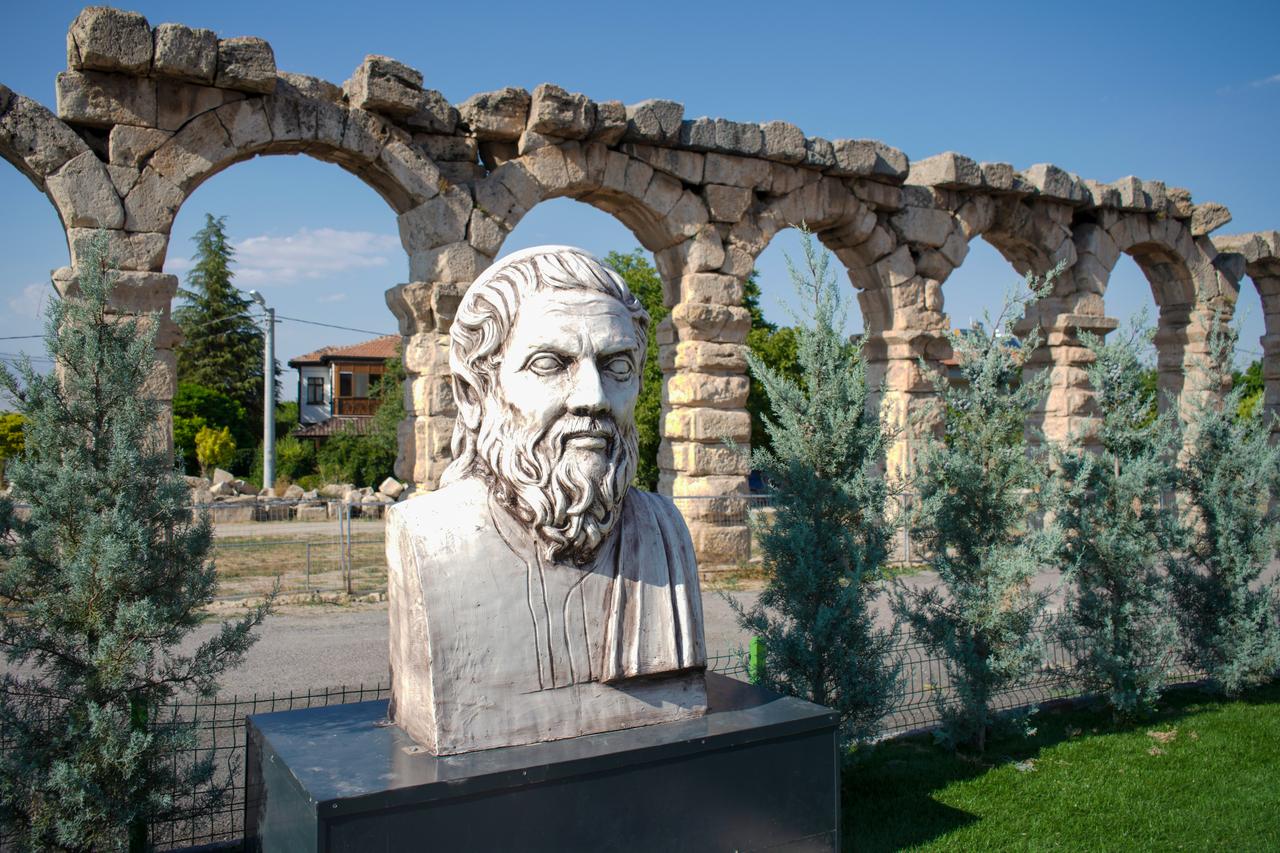
At Kemerhisar in Bor district, the surviving Tyana Aqueducts recall Roman engineering. The original system carried water approximately 4.3 kilometers from Kosk Pinari to ancient Tyana. Around 1.2 kilometers remains standing, with sections reaching six meters high.
Gumusler Monastery, carved into a rock mass between the eighth and 12th centuries, contains a church, storerooms, tombs and a two-level underground settlement. Its frescoes include the “Smiling Virgin Mary and Child Jesus,” considered unique in Türkiye.
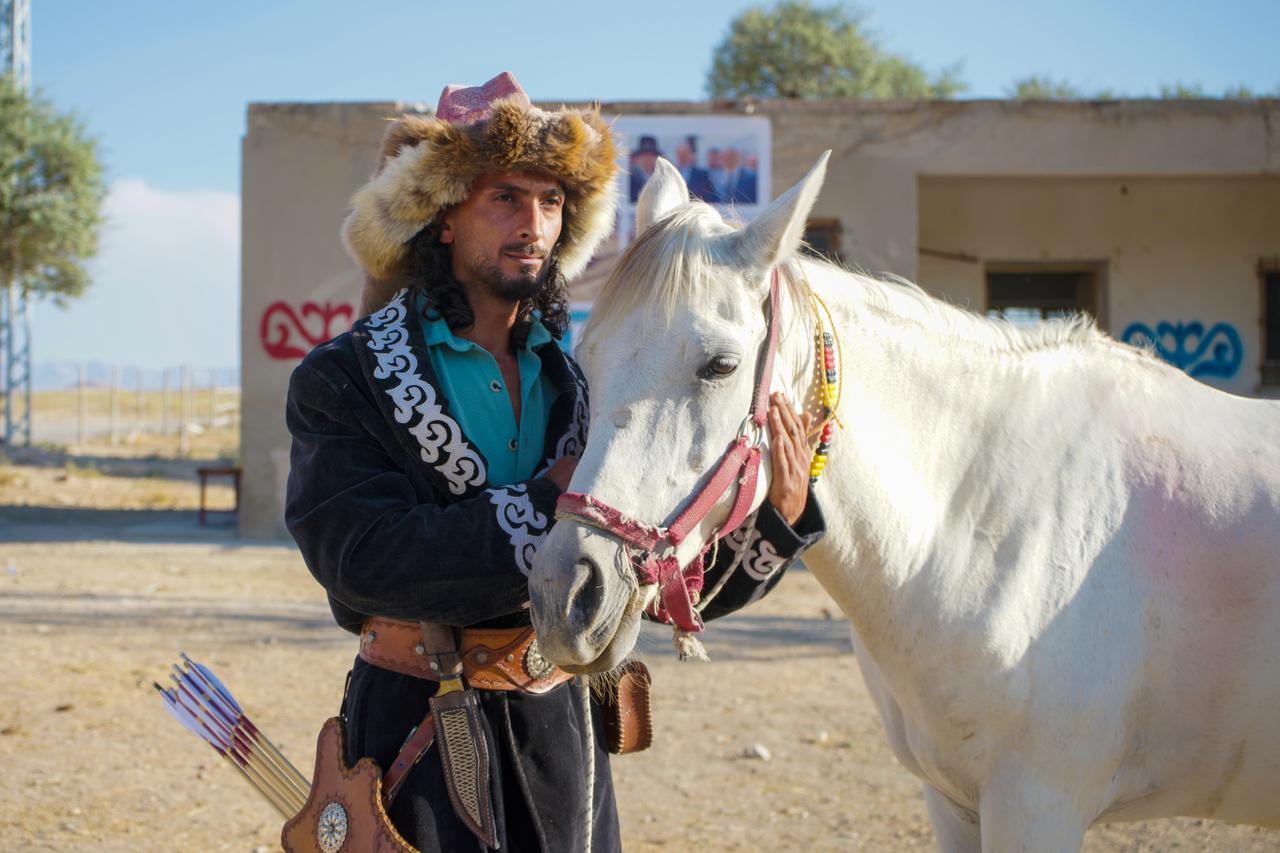
In Ulukisla district, Altay village preserves the traditions of Kazakh families who migrated from East Turkestan and settled there in the 1950s. Horse riding, archery, music and traditional performances connect visitors with their Central Asian heritage.
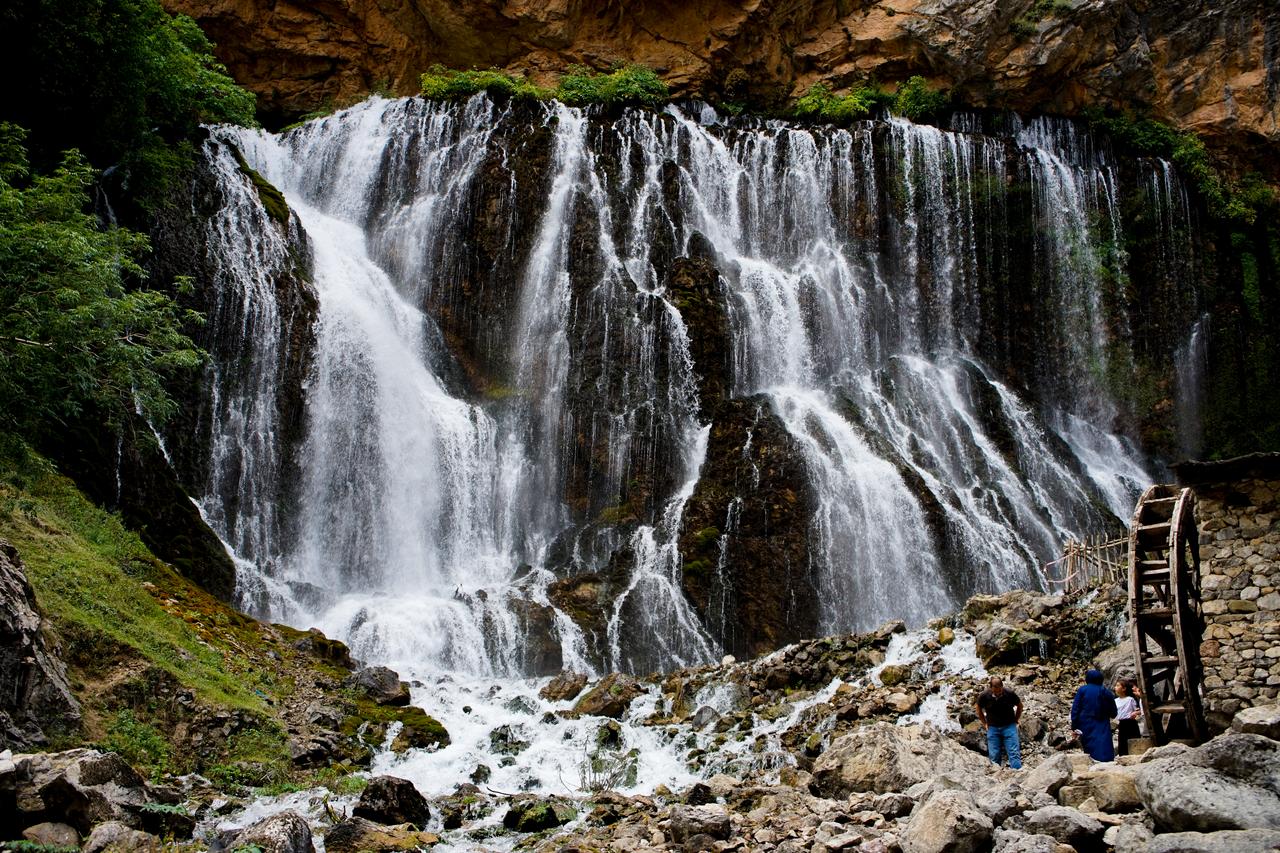
Within Aladaglar National Park, Kapuzbasi’s seven waterfalls emerge directly from rocky slopes, dropping approximately 30 to 70 meters. Walking trails and viewpoints offer opportunities to explore the surrounding landscape.
Near Yesilhisar, the roughly 10-kilometer Erdemli Valley contains rock-cut churches, chapels, monasteries and dwellings. Byzantine churches dating from the 10th to 13th centuries preserve biblical frescoes.
Mount Erciyes, rising to 3,917 meters, attracts skiers and snowboarders in winter and hikers and mountaineers in summer.
In Incesu, the Church of St Eustathios, first built in 1730, is being prepared for use as a city museum following restoration. The district also houses the Kara Mustafa Pasa Caravanserai, built in 1670 as part of a complex including a mosque, madrasa, bathhouse and bazaar.
In Agirnas, the house known as architect Mimar Sinan’s birthplace features traditional stonework above an underground complex. For outdoor enthusiasts, canoe trips on the Zamanti River in Tomarza offer another perspective on the region.


 Set as preferred source
 Set as preferred source


 3 min read