Newsletters


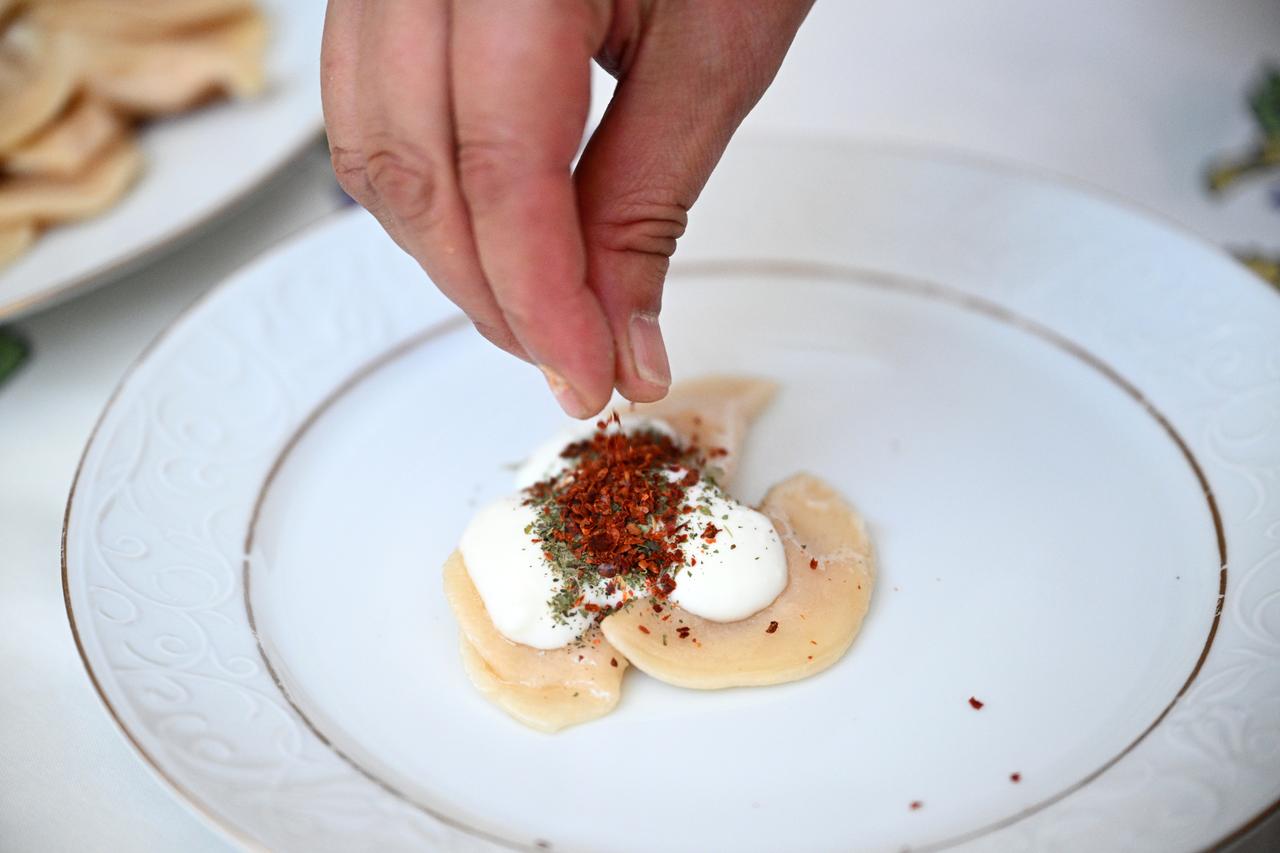


Hingel stands out as one of the enduring dishes linking the culinary heritage of the Caucasus with Anatolia, continuing to appear on family tables across Türkiye.
Prepared for generations in cities such as Sivas, Erzurum, Kars and Corum, hingel reflects a regional variation of manti, the Turkish word for dumplings typically filled with meat or vegetables and served with sauces.
Unlike most forms of manti, hingel is known for its noticeably larger size and simple, home-style preparation, making it particularly suitable for family gatherings and communal cooking traditions.

The dish traces its roots back to the Caucasus, where dumpling traditions spread across neighboring regions before gradually becoming part of Anatolian cuisine. Over time, hingel settled into local food culture, especially in eastern and central parts of Türkiye.
Across different regions, the dish appears under slightly varied names such as hengel, hangel or hingel, reflecting differences in dialect while referring to the same basic preparation.
Its shape also sets it apart from other dumplings. Hingel is typically folded into larger triangular, square or half-moon forms, which are then boiled and served hot.
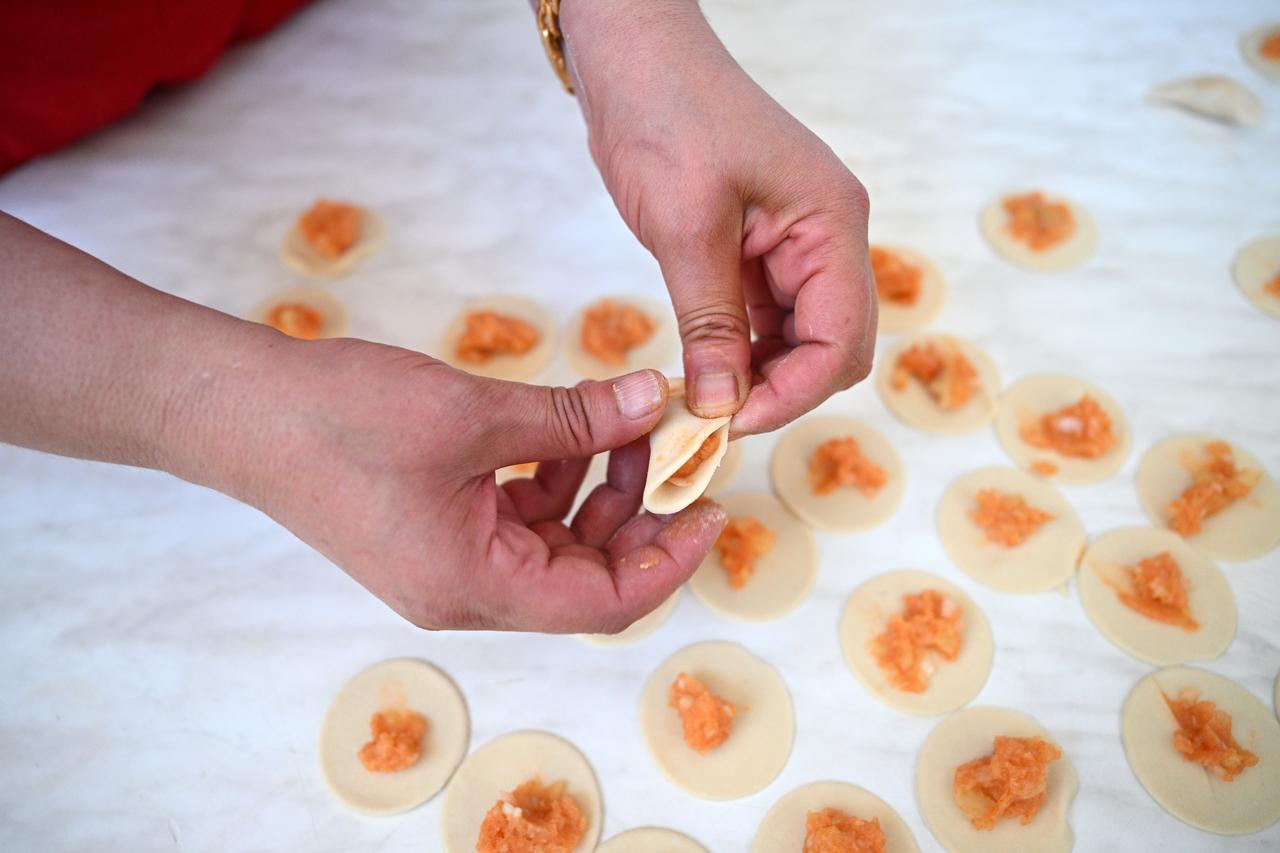
The filling generally combines mashed potatoes, onion and spices, creating a simple yet hearty mixture that reflects the ingredients commonly found in Anatolian home kitchens.
In Sivas, hingel is often associated with weddings, holidays and special gatherings where extended families come together around large tables. The preparation process itself tends to turn into a collective activity.
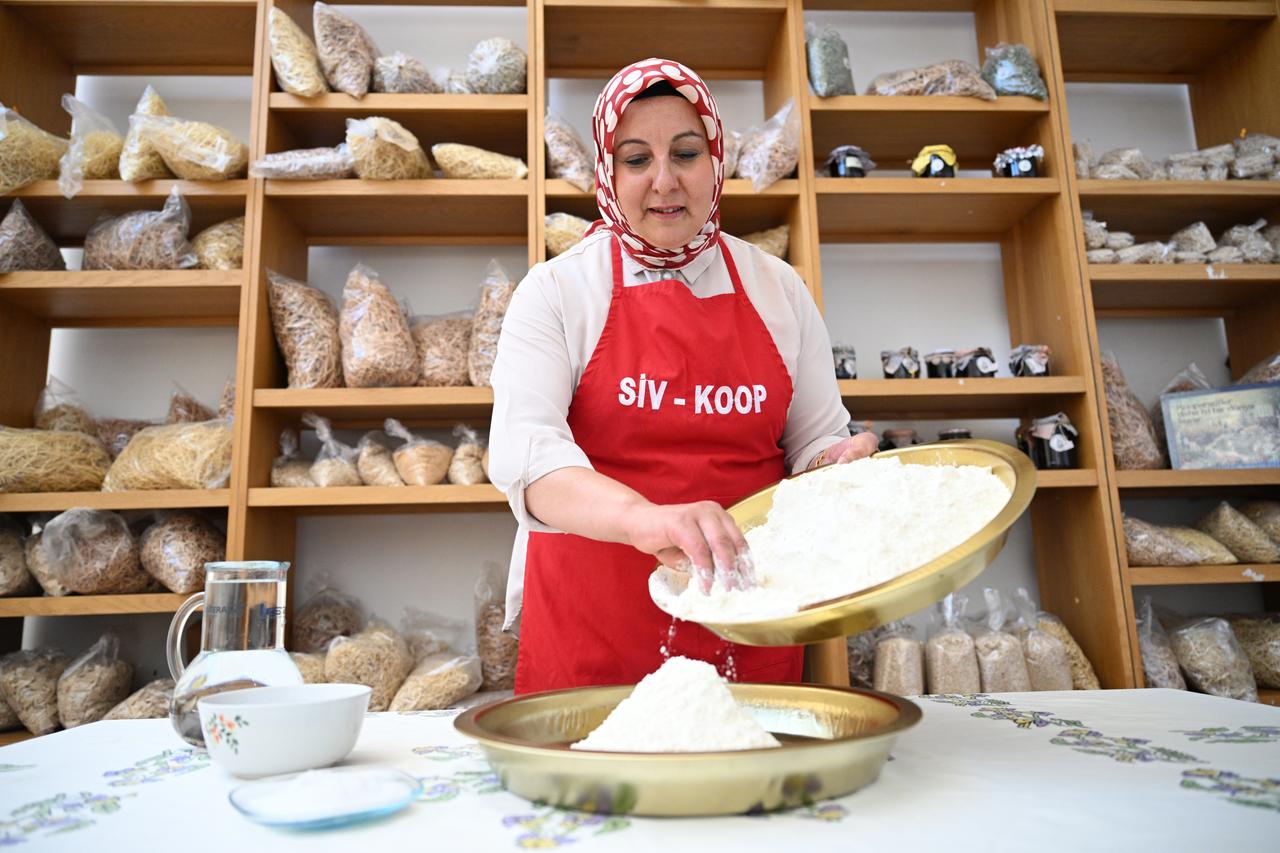
According to chef Semra Temurbas Mavibulut, head of the Sivas Women's Cooperative, the dish reflects the region’s broader cultural heritage. She noted that ancestors left many cultural legacies in the city, including its food traditions.
Mavibulut explained that hingel frequently shows up during special occasions and large family meals, while also being suitable for everyday consumption at any time of day.
The preparation process often follows an imece approach, a traditional form of communal cooperation where neighbors and family members work together, reinforcing both cultural solidarity and the preservation of culinary heritage.
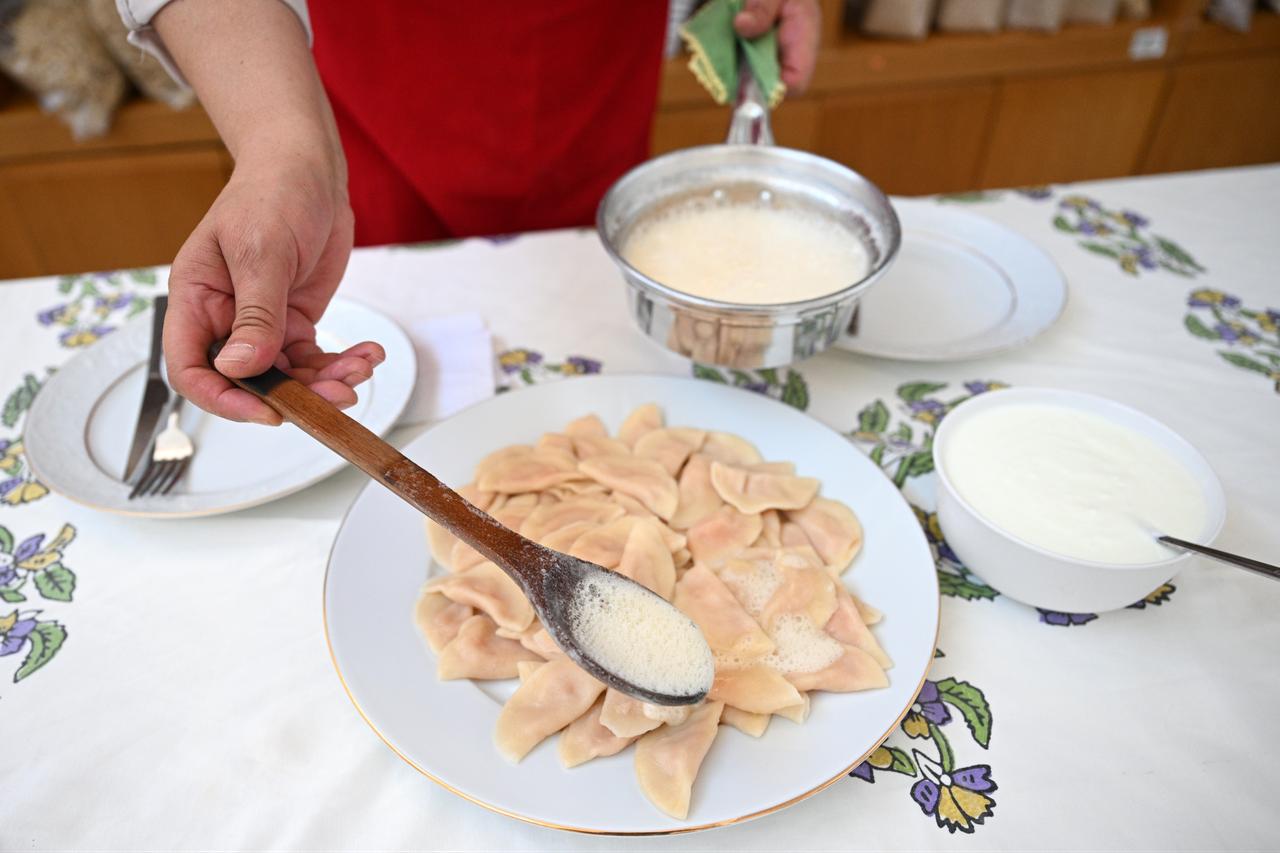
The recipe centers on basic pantry staples and a step-by-step preparation process that results in soft dumplings served with melted butter.
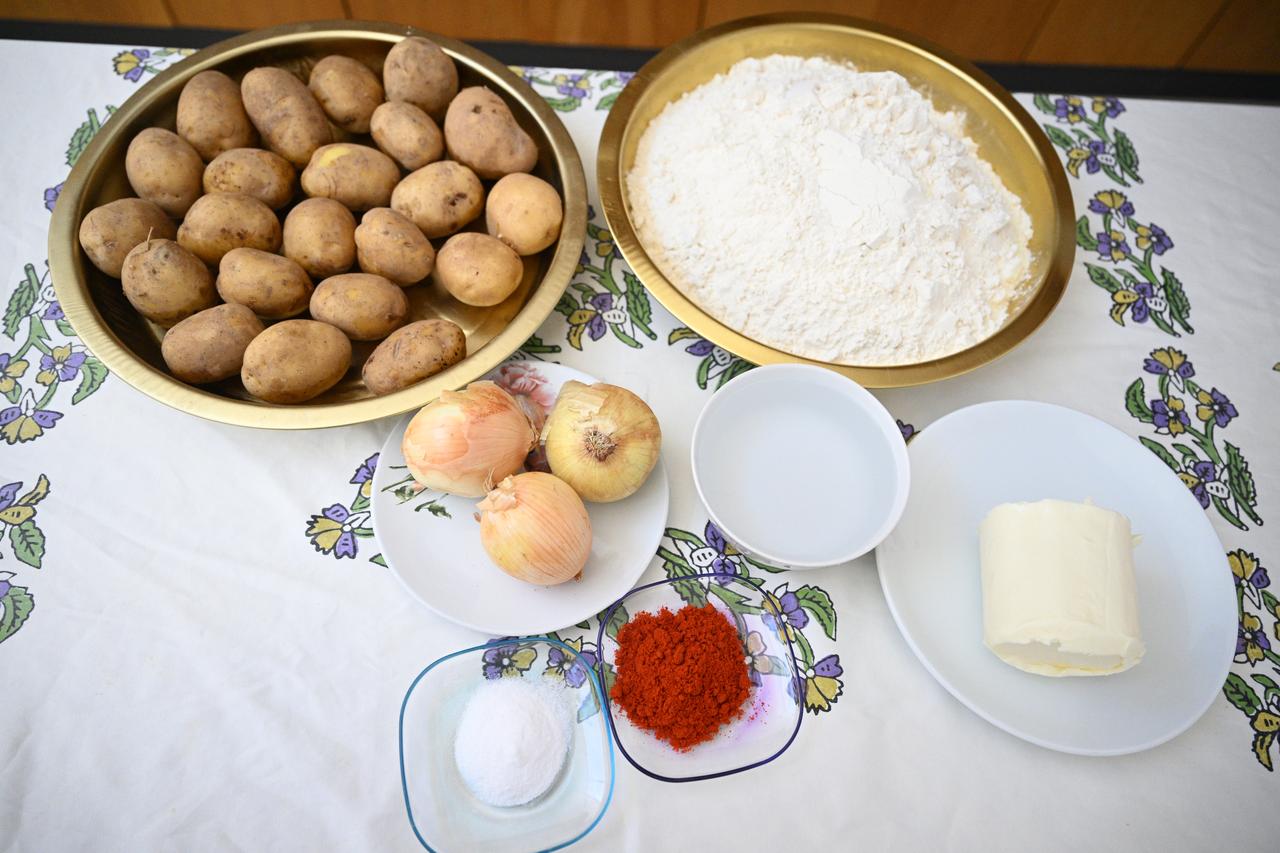
Ingredients (serves six)
Dough
Filling
Sauce
Optional garnish
Preparation
Place flour in a deep bowl, then add water and salt and knead until a smooth dough forms. Leave the dough to rest.
Boil the potatoes, peel them and mash them in a bowl. Add finely chopped onion, ground red pepper and salt, then mix until the ingredients blend evenly.
After resting for about 15 minutes, roll out the dough with a rolling pin and cut circles using a glass, similar to preparing large dumplings.
Place a spoonful of the potato filling in the center of each piece and fold the dough to seal it.
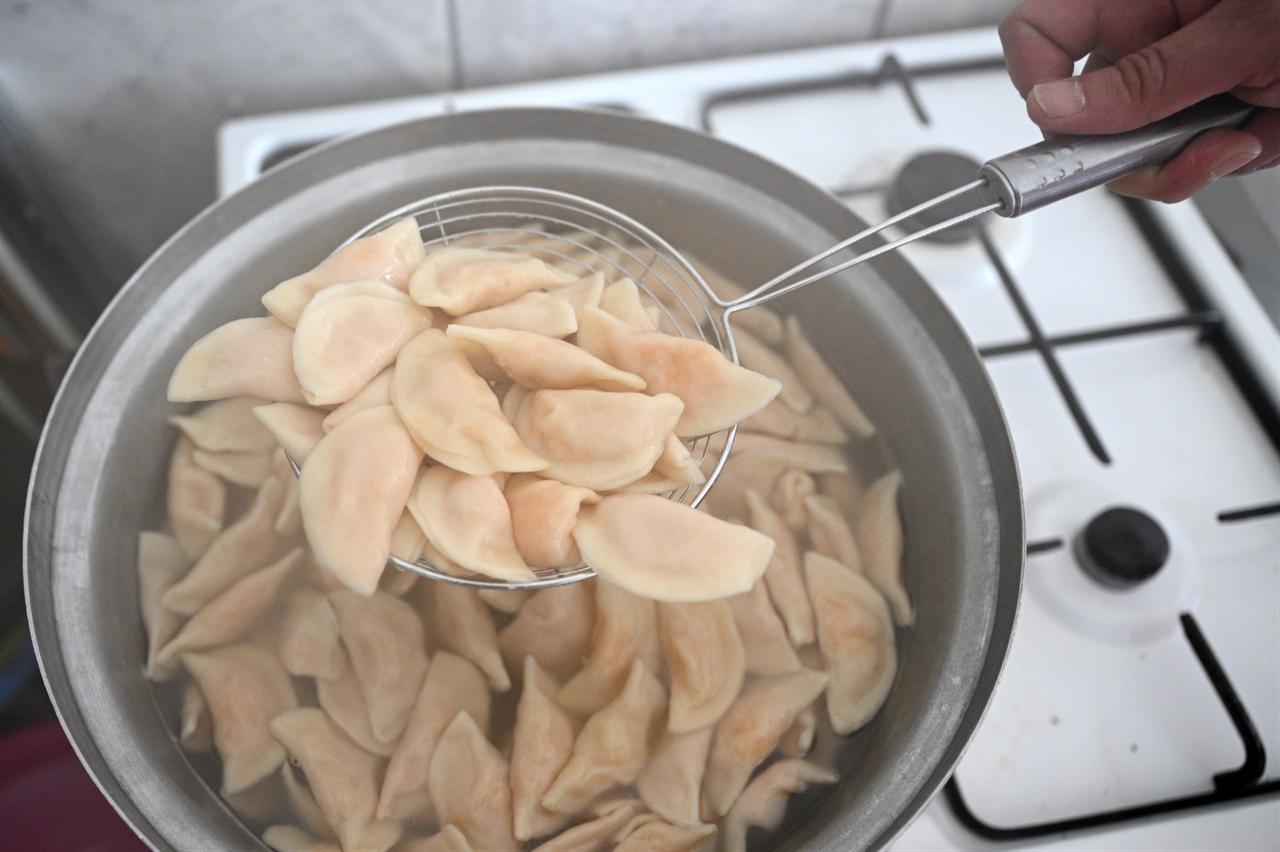
Boil the dumplings in hot water until cooked, then drain and transfer them to a serving plate.
Heat butter in a pan and pour it over the hingel. Garlic yogurt, red pepper flakes and dried mint can be added on top before serving.


 Set as preferred source
 Set as preferred source



 2 min read