Newsletters


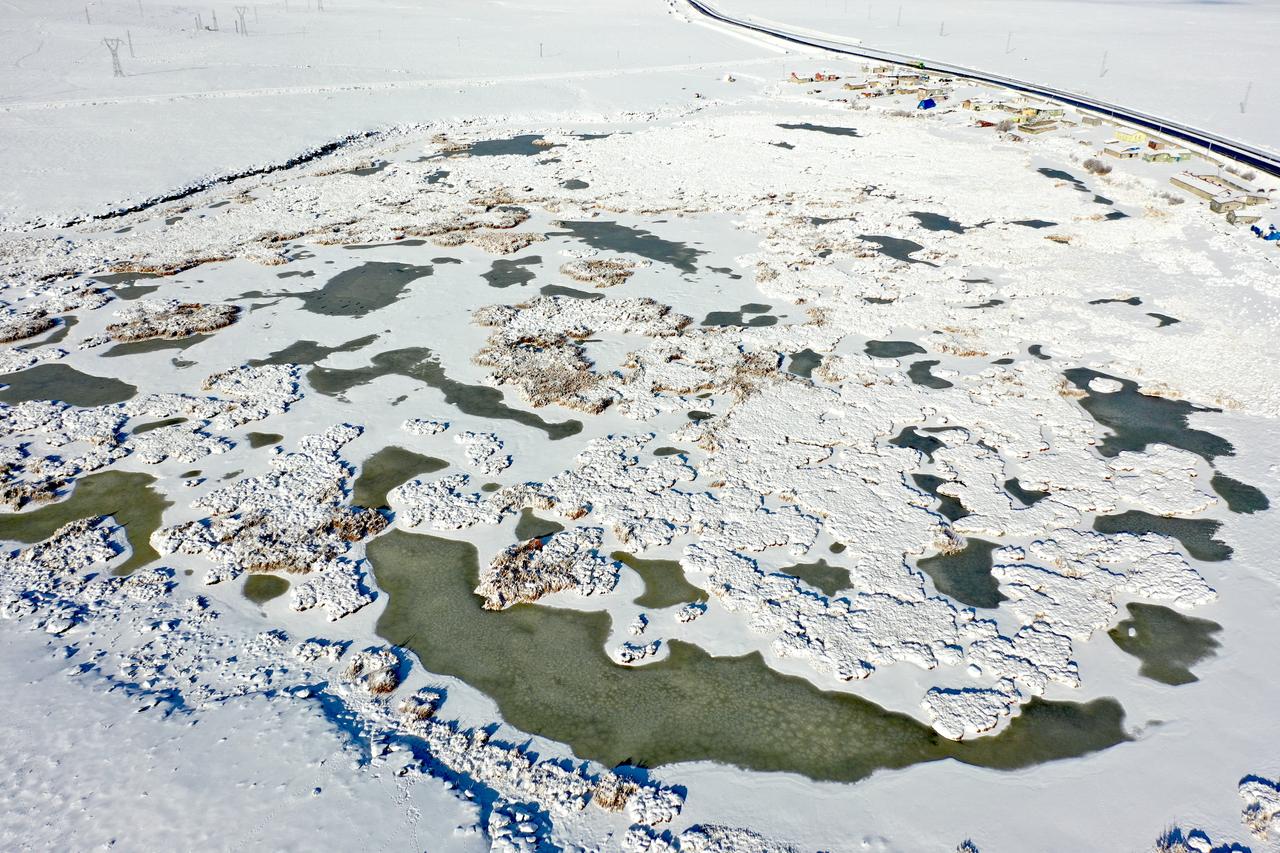
Lake Cali in Türkiye’s eastern Kars province—one of the most critical stopover sites for birds migrating from Africa to Russia—has frozen over after temperatures plummeted well below zero.
Experts warn that the sudden icing may pose risks to migratory species and the region’s fragile wetland ecosystem.
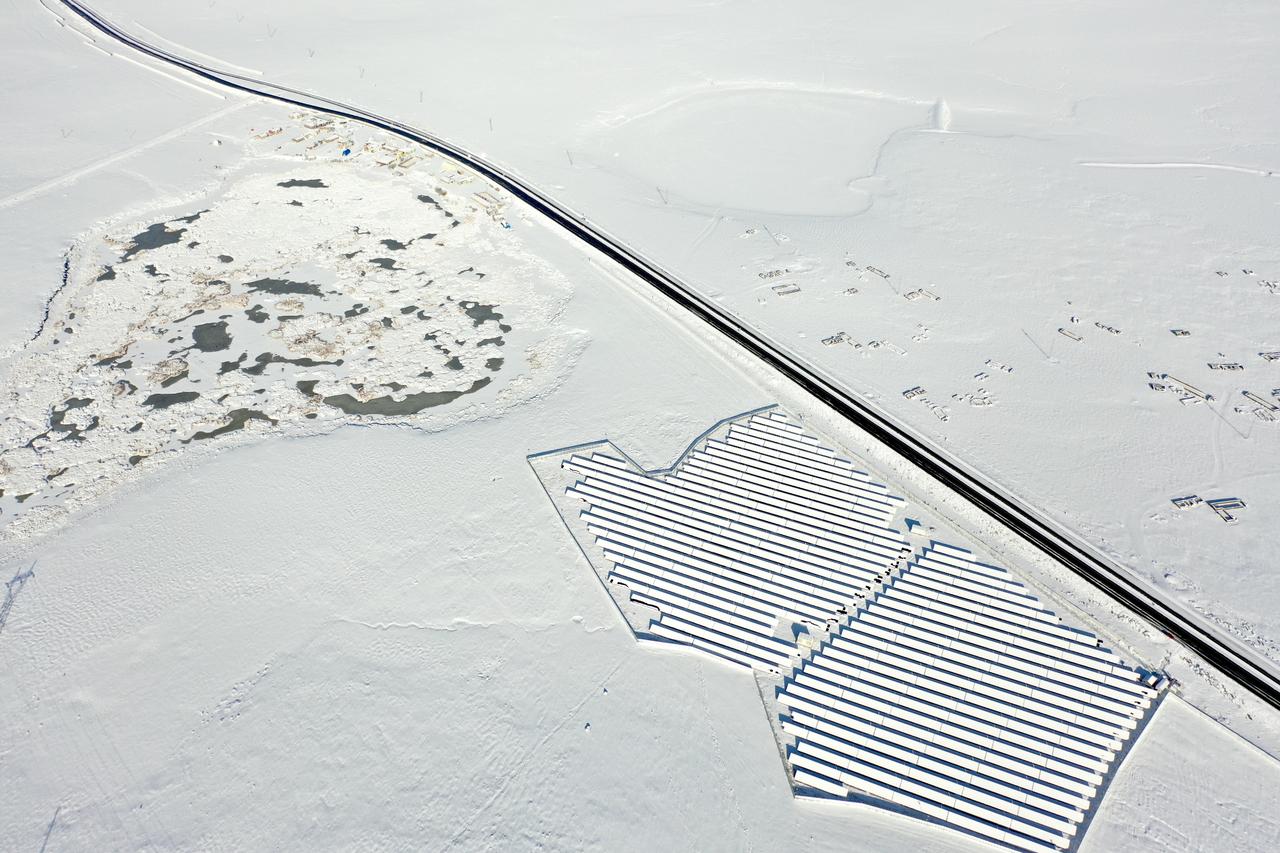
Cali Lake freezes: A warning sign for migratory birds
Cali Lake, located at an altitude of 2,237 meters in Kars, has completely frozen due to a cold wave that pushed nighttime temperatures down to -9°C. The entire surface is now covered by ice, while snow has blanketed the surrounding area.
Environmental observers highlight that the lake’s protected status and strategic position on the Africa-Russia flyway make the early freeze more than a seasonal occurrence it represents an ecological alert for the region.
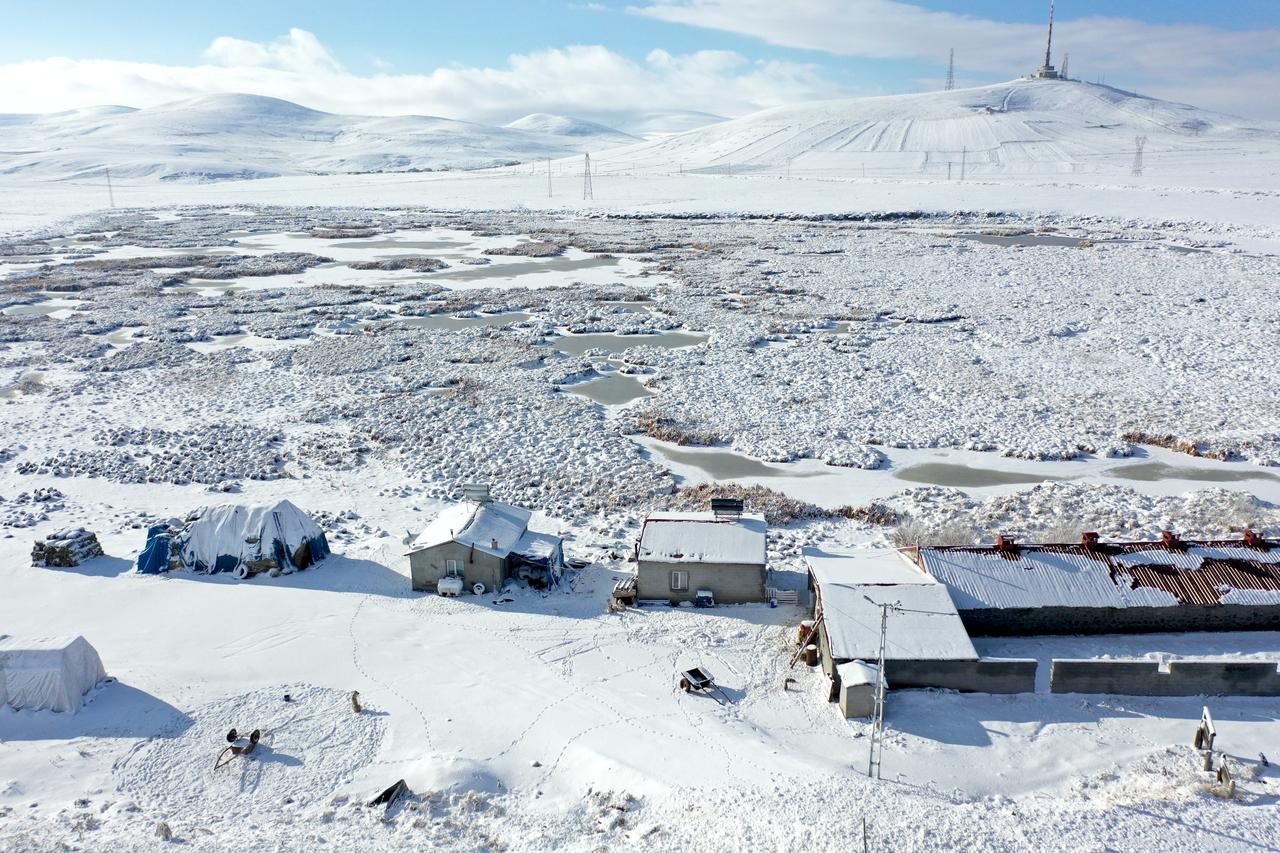
Why Lake Cali matter for migratory birds?
The lake serves as a crucial feeding and resting stop for bird species traveling thousands of kilometers. Seasonal bird counts recorded 137 species in the area in May, with annual totals reaching as high as 187.
However, the frozen lake blocks access to aquatic vegetation, invertebrates, and other essential food sources. This disruption could weaken birds during a sensitive phase of their migration, potentially altering survival rates and flight patterns.
Local wildlife experts note that the freeze could also affect mammals, amphibians, and reptiles that depend on the wetland habitat.
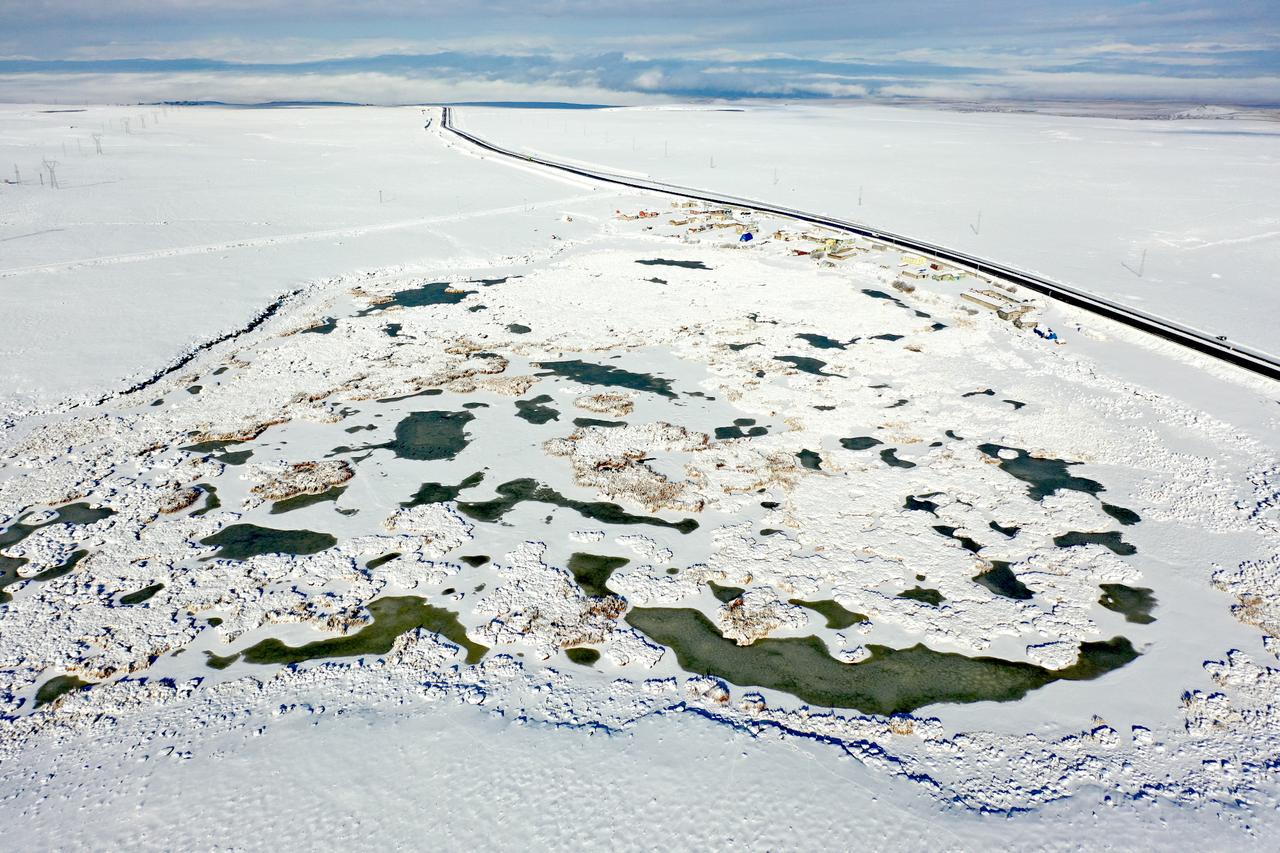
Climate signals behind the freezing of Kars’ Cali Lake
Designated as a “wetland of national importance,” Cali Lake plays a significant role in Türkiye’s biodiversity. Experts emphasize that this early freeze may reflect broader climate-related disruptions.
Research teams have begun fieldwork to measure ice thickness, water temperature changes, and ecological impacts. Early findings suggest that abrupt temperature shifts—linked to regional climate variability—are increasingly affecting wetlands across Türkiye.
Environmental specialists warn that the situation at Lake Cali could serve as a broader signal for strengthening wetland conservation efforts nationwide.
 2 min read


 Set as preferred source