Newsletters





Climate change has become a serious public health threat and not merely an environmental issue, a senior Turkish health official said, warning that certain groups face disproportionately greater risks from its effects.
Erdogan Oz, Director General of Public Health at the Health Ministry, said that long-term changes in temperature, rainfall, drought, and extreme weather are increasingly affecting health across Türkiye.


Oz explained that infants, children, older adults, pregnant and postpartum women, breastfeeding mothers, people with chronic illnesses, those who take regular medication, and outdoor workers are most affected by climate-related conditions.
"Climate change is not just an environmental problem, but also an important factor threatening public health," Oz said. "Rising temperatures and heat waves threaten water and food safety and increase air pollution. They also have negative effects on mental health."
He added that people can reduce the health risks of climate change by following weather alerts and the Health Ministry's advice.

Oz said that threats to water and food safety from climate change are now easier to see. The ministry monitors these risks at all times using early warning and surveillance systems.
The ministry’s climate efforts are part of the Climate Change and Health Action Plan. Since the Climate Law took effect in 2025, the plan has been updated regularly to support a climate-resilient, low-carbon health system, following advice from a Scientific Advisory Board.
Oz said the ministry uses AI systems to track the health effects of climate change. They compare data on temperature, extreme weather, drought, and rainfall from the Ministry of Environment, Urbanization, and Climate Change with health records.
"We analyze this data with AI support and detect potential threats in advance," Oz said. "We evaluate the results at the national and provincial level and adjust our work by comparing them with international data."
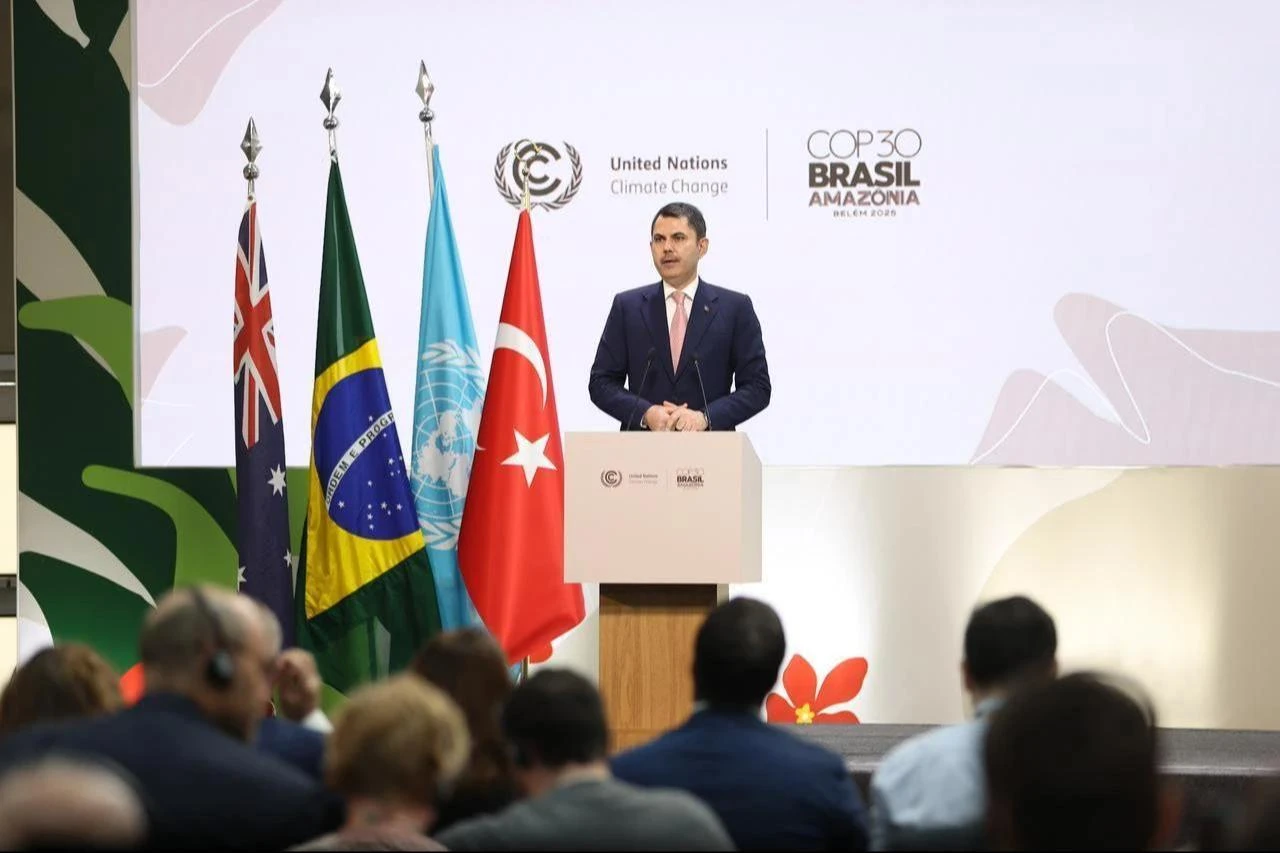
Oz said that health will be a top priority at the U.N. Climate Change Conference, or COP31, which Türkiye will host. The talks will focus on strengthening health systems against climate change, improving international cooperation, and addressing the effects of extreme weather, drought, and rainfall, including the use of early warning systems.
Oz said the ministry will update its action plans to address risks to water and food safety, as well as diseases that could harm vulnerable groups.

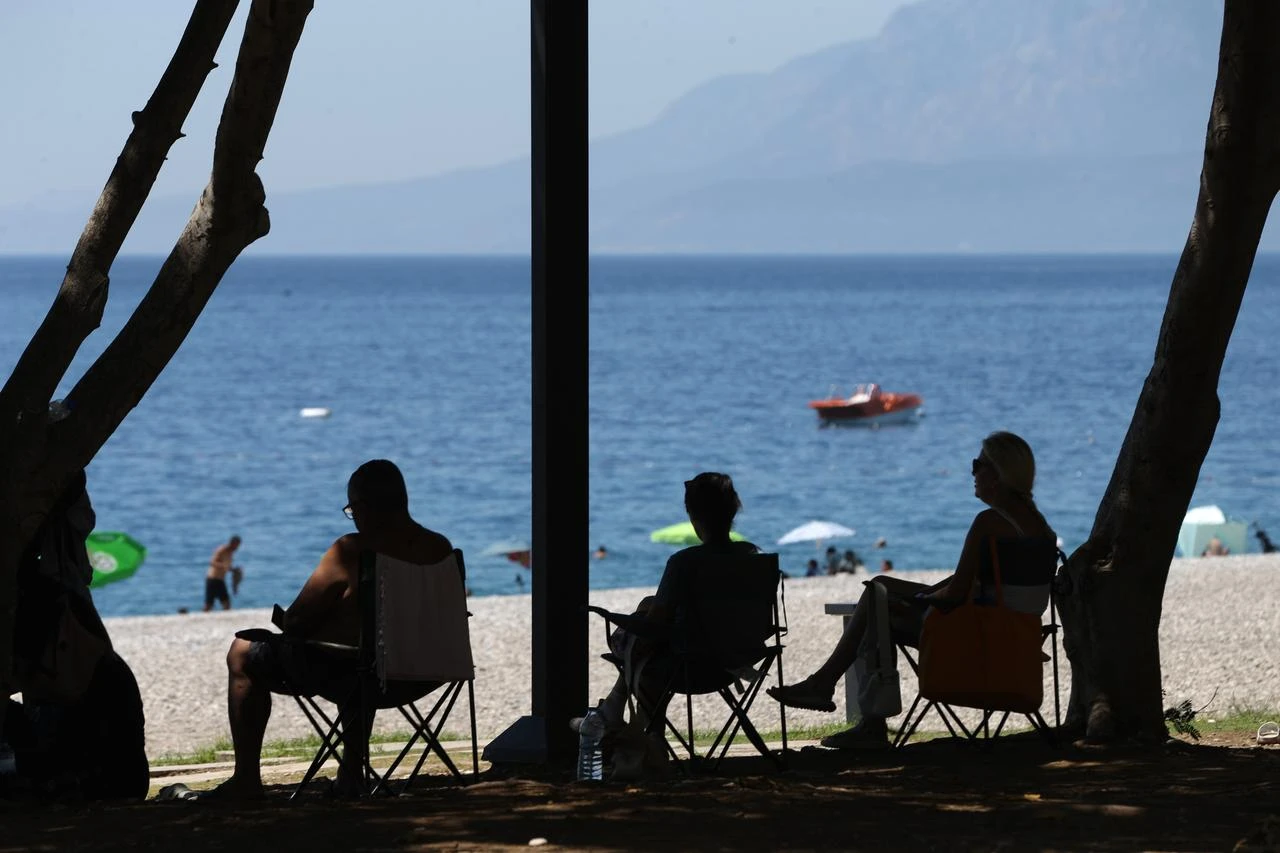
Oz advised people to stay indoors between 10 a.m. and 4 p.m. during extreme heat, when the sun is strongest. If you must go outside, try to stay in the shade and wear a hat and sunglasses.
He said that children, infants, and pets should never be left in vehicles during hot weather. He also advised against swimming during the hottest part of the day. If you have headaches, dizziness, weakness, heavy sweating, confusion, or fainting, you should get medical help right away.


 Set as preferred source
 Set as preferred source



 2 min read