

 Newsletters


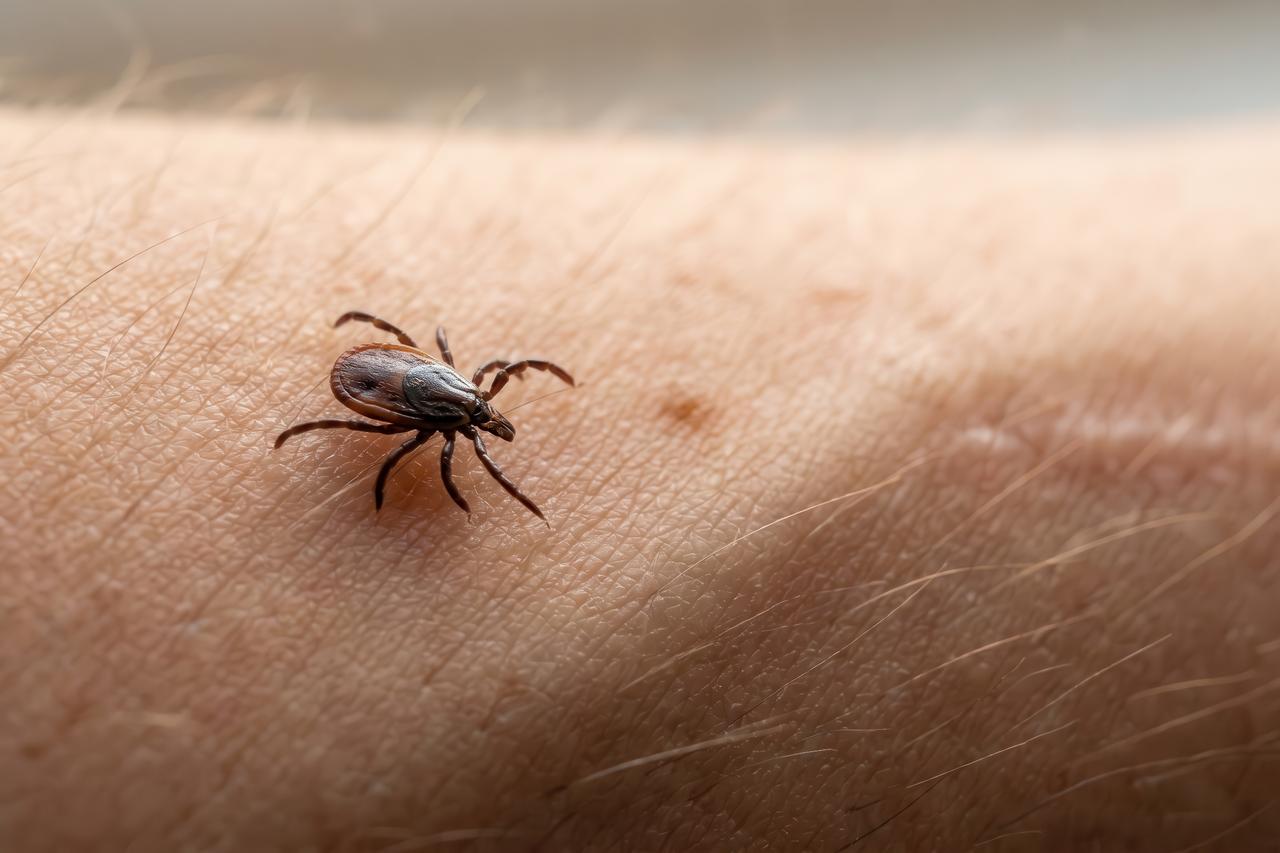


Climate change is changing how insects behave across Türkiye.
Scientists say that warmer winters, longer summers, and changing rainfall patterns are allowing mosquitoes and ticks to spread farther and remain active longer.
This also increases the risk of the diseases they carry.
Izzet Akca, head of the entomology division at Ondokuz Mayis University's Faculty of Agriculture, says rising temperatures are fundamentally altering insect life cycles. In harsh winters, populations of mosquitoes and ticks can decline by 70% to 80% through natural die-off. Milder winters reduce that loss significantly, allowing larger populations to survive into spring.
Mosquitoes and ticks grow and reproduce fastest when temperatures are between 20 and 25 degrees Celsius (68 to 77 degrees Fahrenheit).
As warm periods last longer, these insects stay active longer, feed more often, and produce more generations each year.
In the Black Sea region, mosquitoes that used to appear in late June now show up about a month earlier. Akca explained, "In warm regions like Adana, mosquitoes can produce more than 10 generations per year, while in cooler regions like the Black Sea, that number may stay between two and four, but with climate change, both the timing and the annual generation count are shifting."
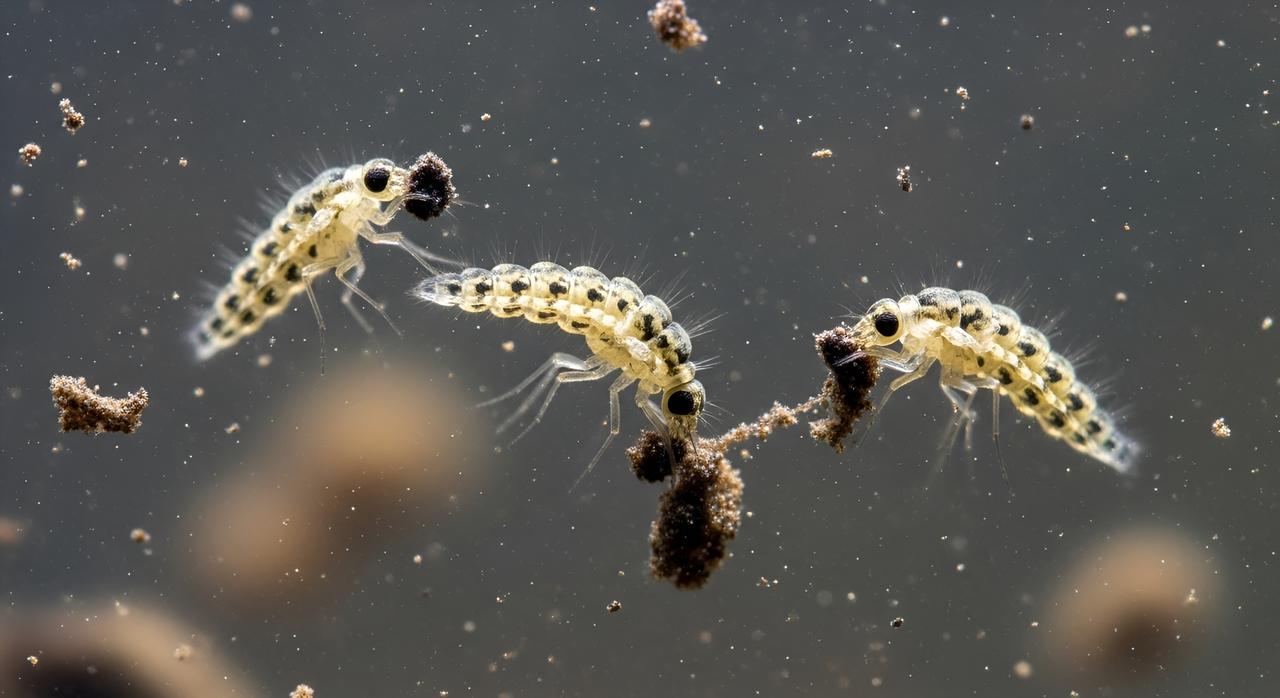
Water temperature also plays a role. As air temperatures rise, standing water warms faster, accelerating larval development and shortening the time from egg to adult mosquito.

The risk from ticks is evolving in parallel. In provinces around Sivas, Corum, Amasya, and Samsun— areas historically associated with Crimean-Congo Hemorrhagic Fever (CCHF)—cases that once emerged primarily in June are now appearing from April onward.
Under favorable conditions, a single tick can lay between 500 and 5,000 eggs, and rising temperatures are increasing both egg counts and the number of annual generations. In some areas, species that previously produced two generations per year are now reaching five or six.
Muzeyyen Mamal Torn, who leads the medical microbiology program at Biruni University's Faculty of Medicine, says Türkiye's location makes these changes especially important.
The Asian tiger mosquito, Aedes albopictus, has recently established itself in the Marmara and Black Sea regions, raising the risk of dengue fever and chikungunya.
West Nile Fever is also expected to become more common as summers get hotter, and leishmaniasis, known locally as sark cibani, could spread to new areas.
CCHF could also spread further north and west. The risk of Lyme disease is rising as tick populations grow. Torun said, "Scientific projections show that Türkiye, particularly along its Black Sea, Marmara, and Mediterranean corridors, could become one of Europe's key transit zones for mosquito and tick-borne diseases."
The pine processionary moth, whose hairs can cause itching, rashes, breathing problems, and asthma attacks in people, is also moving northward and into higher elevations as winters get milder. Torun says this is becoming a bigger risk for both public health and forests.

Akca says the best way to control mosquitoes is to target them while they are still larvae.
Cities should focus on treating wetlands and standing water, and people can help by emptying containers like buckets, barrels, and plant saucers. Using window screens and mosquito nets is also recommended for personal protection.
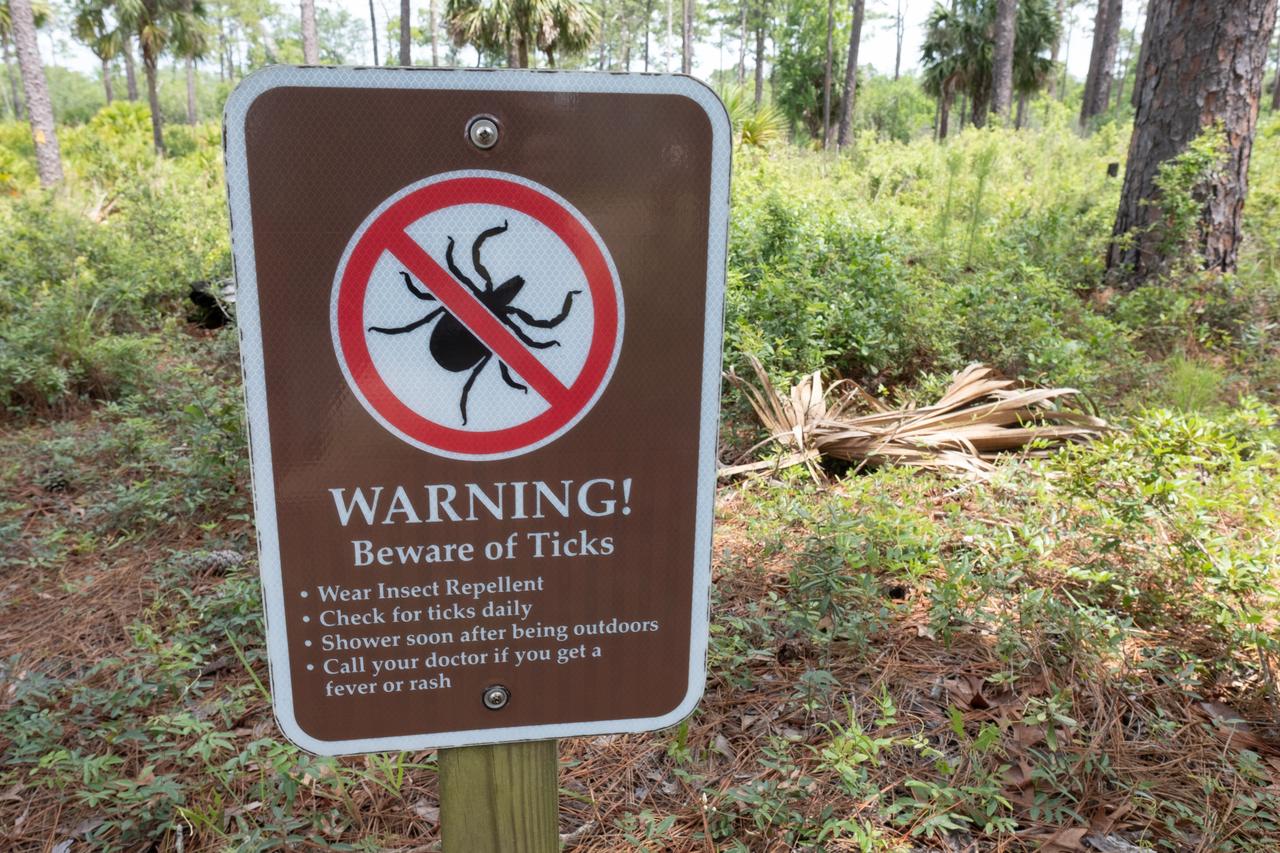
To prevent ticks, grass in parks and gardens should be kept shorter than 1 cm, weeds should be removed, and pesticides should be applied regularly in high-risk areas. Children especially need to be careful in areas with tall grass.
Torun adds that the best ways for individuals to protect themselves from insect-borne diseases are to eliminate standing water, use insect screens, and check for ticks after spending time in rural areas. She also points out that climate change is a global public health problem, and Türkiye's location puts it at greater risk.


 Set as preferred source
 Set as preferred source


 1 min read



 1 min read


