Newsletters


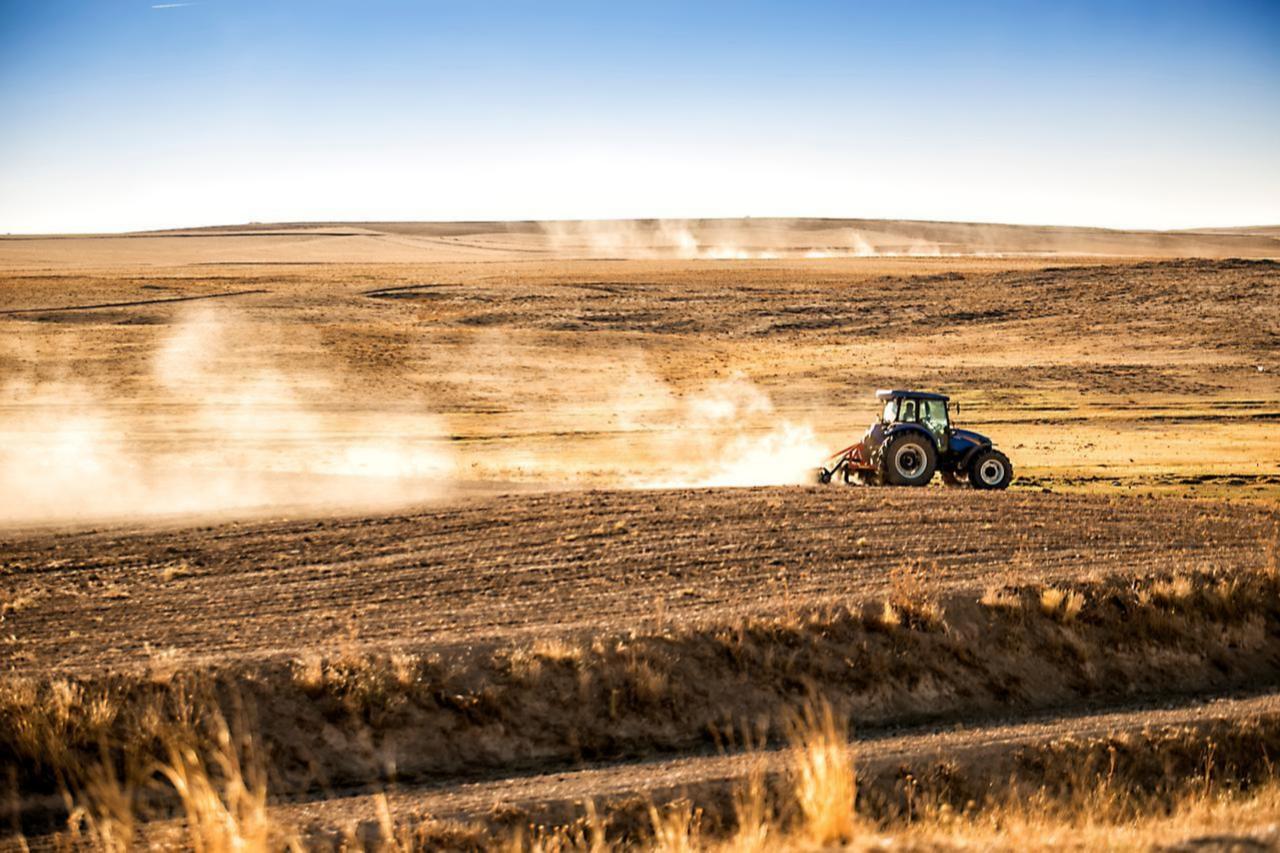


Türkiye has lost more than 10% of its farmland over the past 30 years, with agricultural areas declining from roughly 27 million hectares to 24 million hectares due to population growth, unplanned urbanization, industrialization and infrastructure projects, according to the Union of Turkish Chambers of Agriculture (TZOB).
In a written statement, the union's president, Semsi Bayraktar, warned that the decline comes at a time when food security is becoming an increasingly pressing global issue.
Agriculture forms the foundation of food security, while sustainable production depends on healthy soils supported by balanced fertilization, efficient water management and responsible farming practices, he noted.
Bayraktar also highlighted erosion as a major challenge, saying large portions of Türkiye's soil resources are being affected by what has reached crisis levels.
"Our union sees the protection of productive agricultural land, which is the most fundamental asset of farming, as a vital responsibility," he said.
To strengthen long-term food security, Türkiye should reduce direct soil tillage and expand conservation agriculture practices that preserve soil structure while increasing organic matter content, Bayraktar added.
The TZOB chief urged wider adoption of drip and sprinkler irrigation systems to prevent water waste and reduce the risk of soil salinization.
Bayraktar further urged planners to direct housing, industry, tourism, mining and infrastructure investments toward areas with lower agricultural value. Accelerating land consolidation projects is also critical to maintaining sustainable production, he noted.
"First-class irrigable farmland, orchards and olive groves must be carefully protected on behalf of future generations," he added.
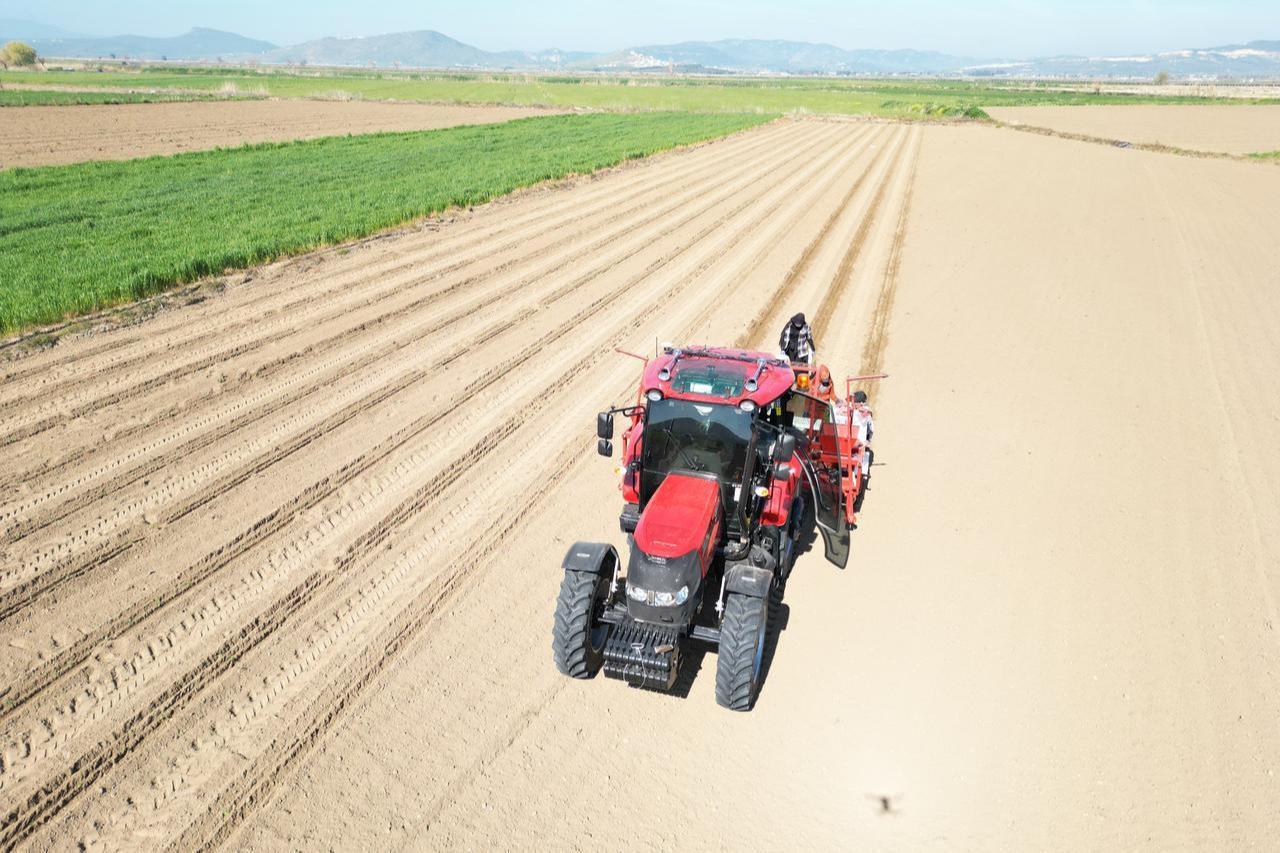

Türkiye remains one of the world's largest agricultural producers despite the decline in farmland.
The country is Europe's largest agricultural economy and ranks among the world's top agricultural producers, benefiting from diverse climate zones that support a wide range of crops.
Türkiye holds a leading position in several globally important agricultural products.
It ranks first worldwide in the production of hazelnuts, apricots, cherries, figs, quinces, carobs and poppy seeds, while placing among the top three producers in 22 agricultural products overall.
Following a weather-hit 2025 season, the country is expected to produce 22.8 million tons of wheat in 2026, keeping it among the world's top 10 wheat producers, while total cereal and other field crop output is forecast to reach 75.4 million tons.
The country produces more than half of the world's hazelnuts, a key raw material for the global confectionery industry, with an annual output of over 700,000 tons out of approximately 1.1 million tons globally.
Agriculture accounted for 5.2% of Türkiye's economy in 2025, generating ₺3.3 trillion ($82.9 billion) in output and reinforcing its position among the world's top 10 agricultural producers.
The sector also remained a major export contributor, with broader agricultural exports reaching $36.4 billion, or 15.3% of Türkiye's total goods exports.


 Set as preferred source
 Set as preferred source


 1 min read
 1 min read