Newsletters


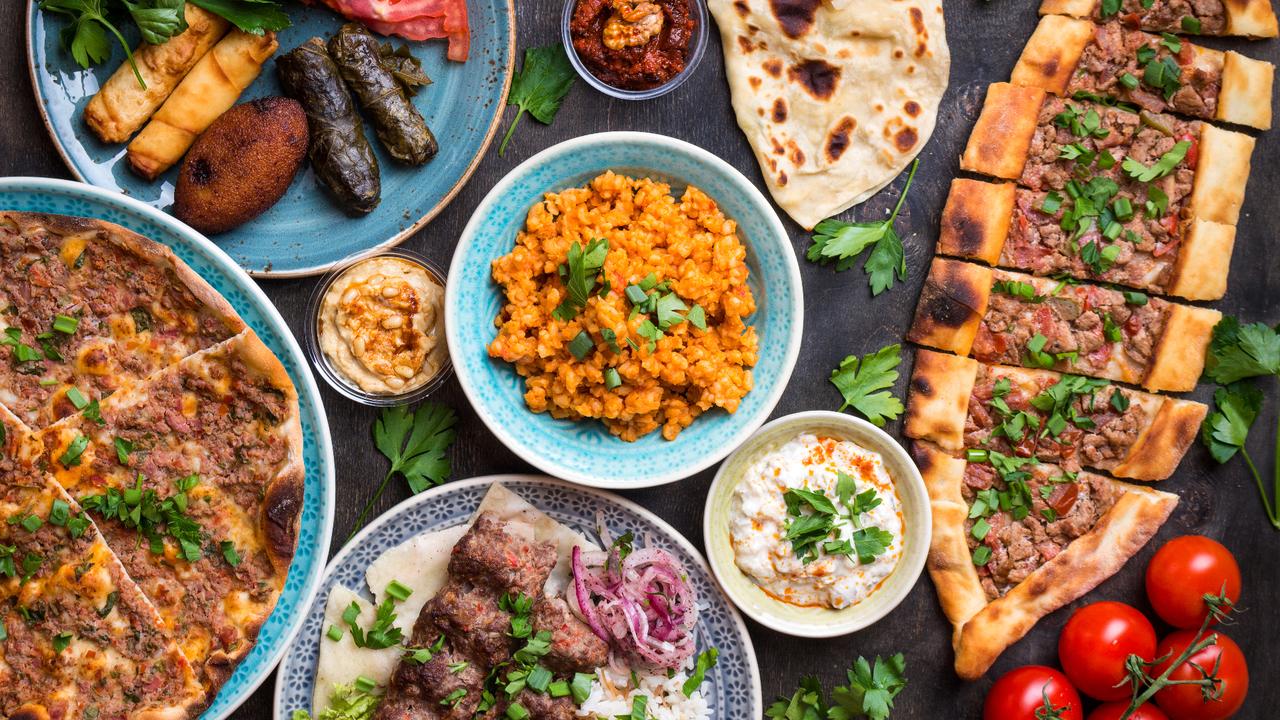
CNN International lists 23 dishes that show Turkish cuisine reaches well beyond the kebab.
The selection runs from kebabs and pastries to traditional soups and desserts, and many of the dishes are tied to a particular city or region of Türkiye.
This gallery follows the list from the first plate to the last sweet.
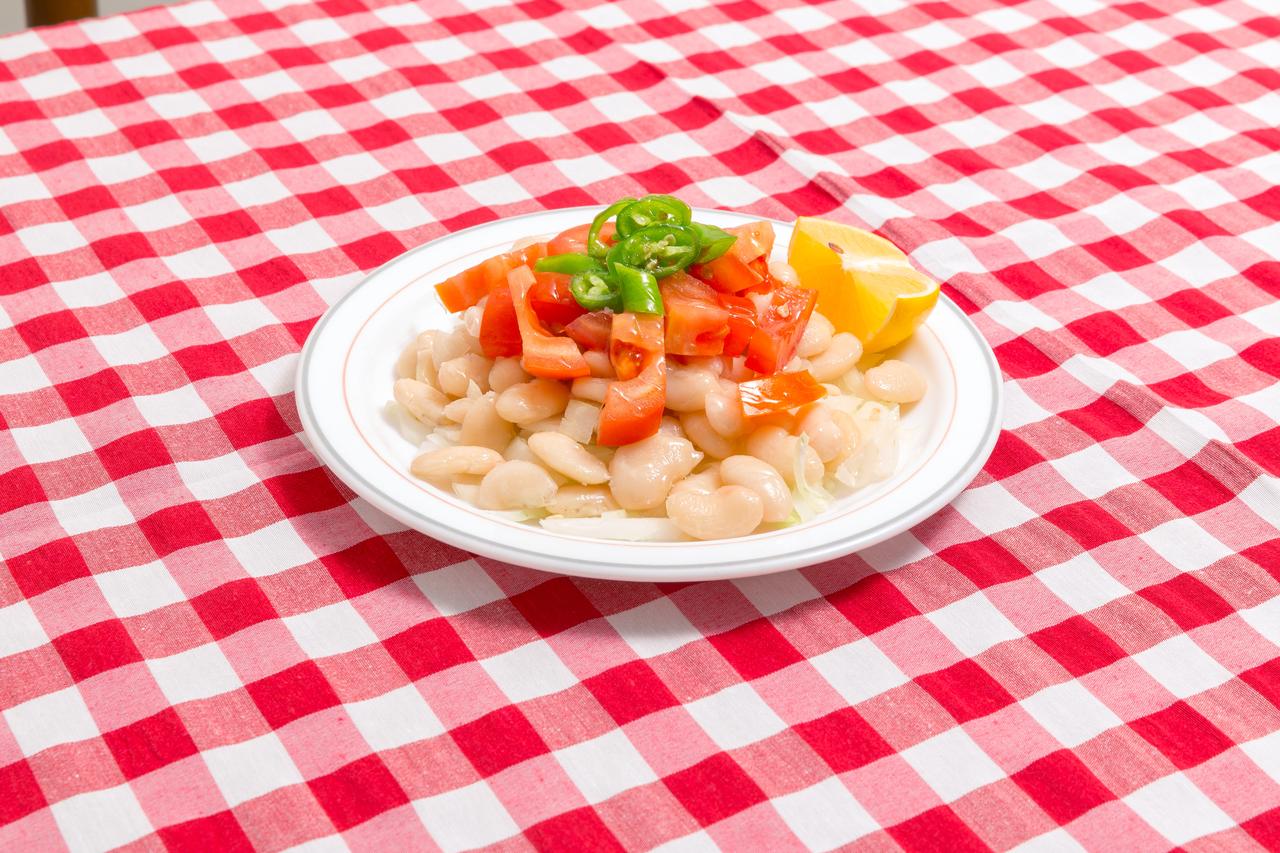
The list opens with piyaz, a white bean dish tied to Antalya on Türkiye’s southern Mediterranean coast.
The Antalya version binds the beans in a creamy tahini sauce and is usually topped with tomato, onion and boiled egg.
In the city it is treated as a main dish rather than a salad.
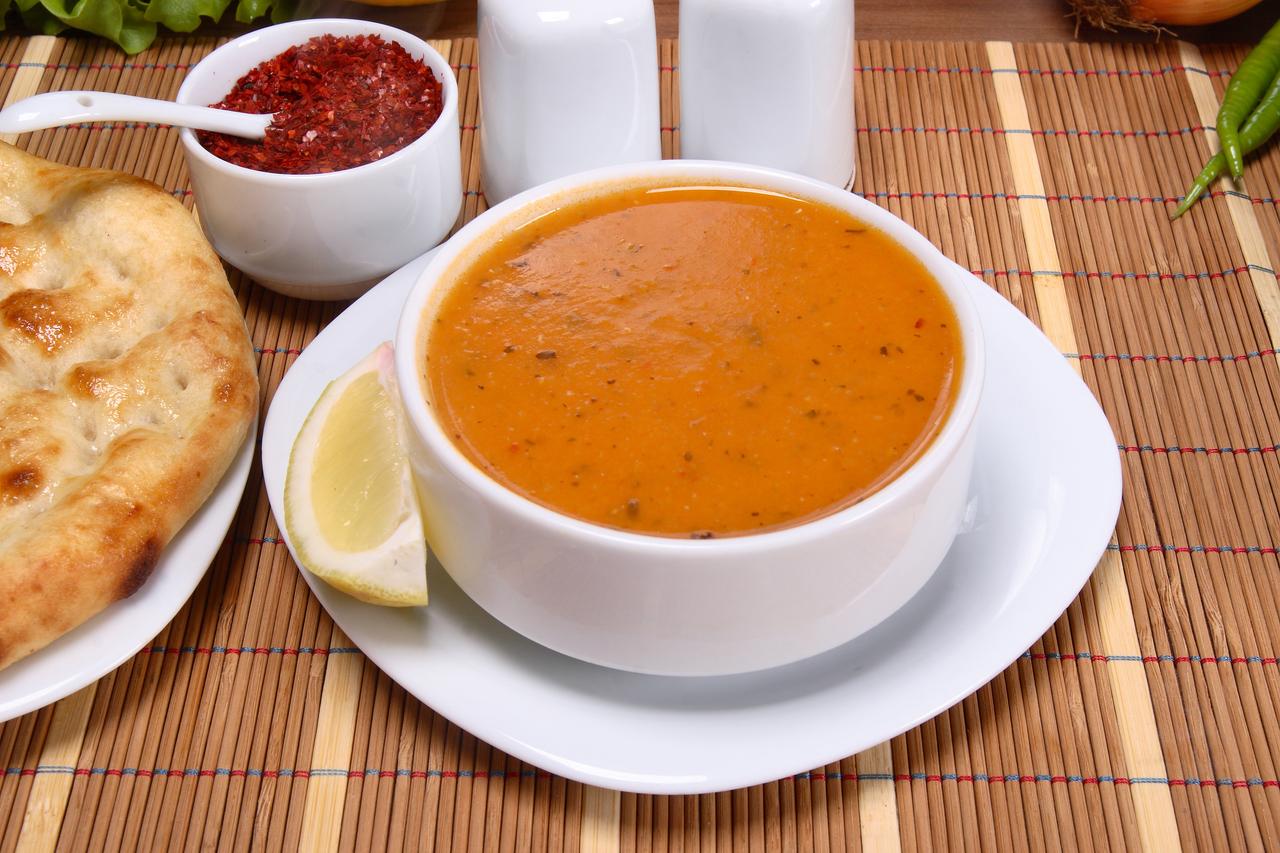
A bowl of ezogelin follows. The red lentil soup with bulgur and rice is named after Ezo the bride, a woman from the Gaziantep area in southeastern Türkiye, according to popular accounts.
Red pepper and tomato paste season it, and it is served across the country year-round.
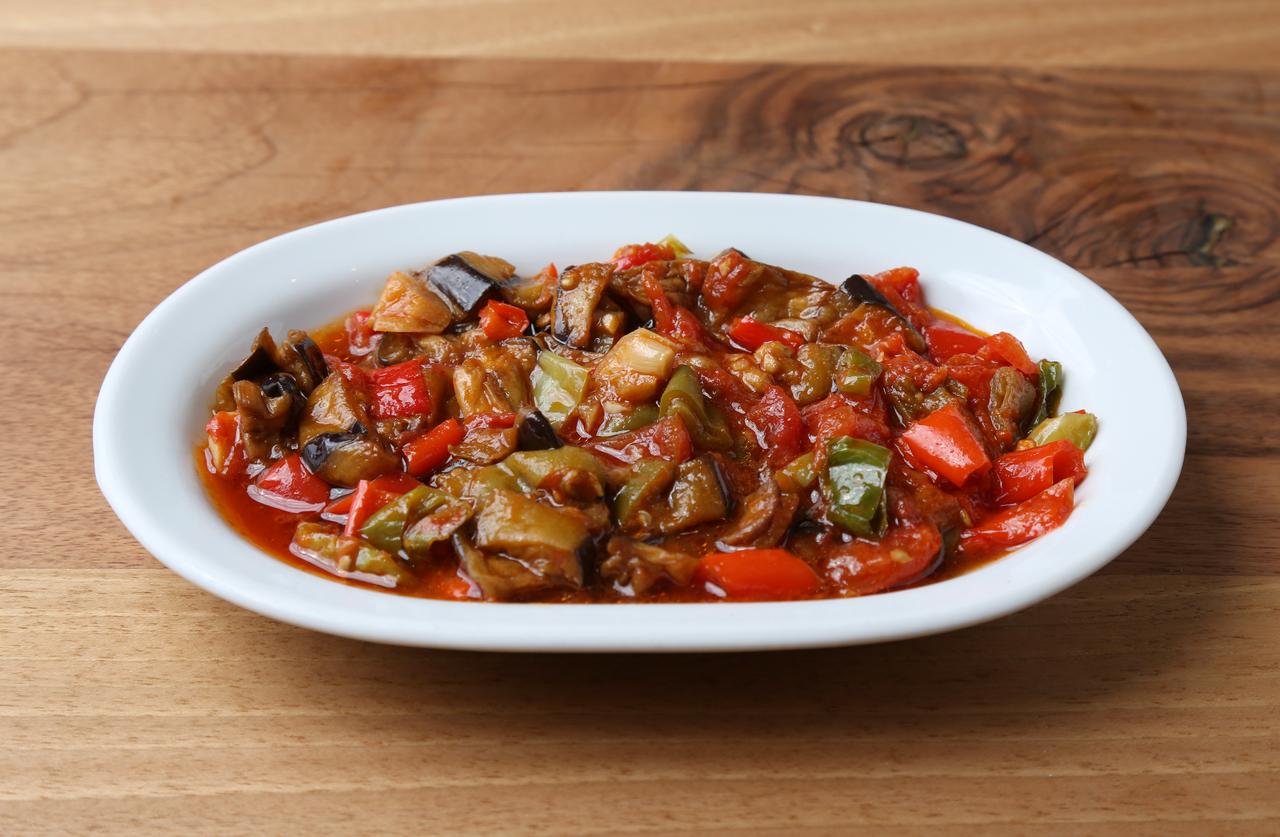
Saksuka moves the table to the meze, the small plates that open a Turkish meal. Eggplant, often alongside peppers, is fried in olive oil and covered in a garlicky tomato sauce, sometimes with yogurt. It is typically served at room temperature rather than hot.
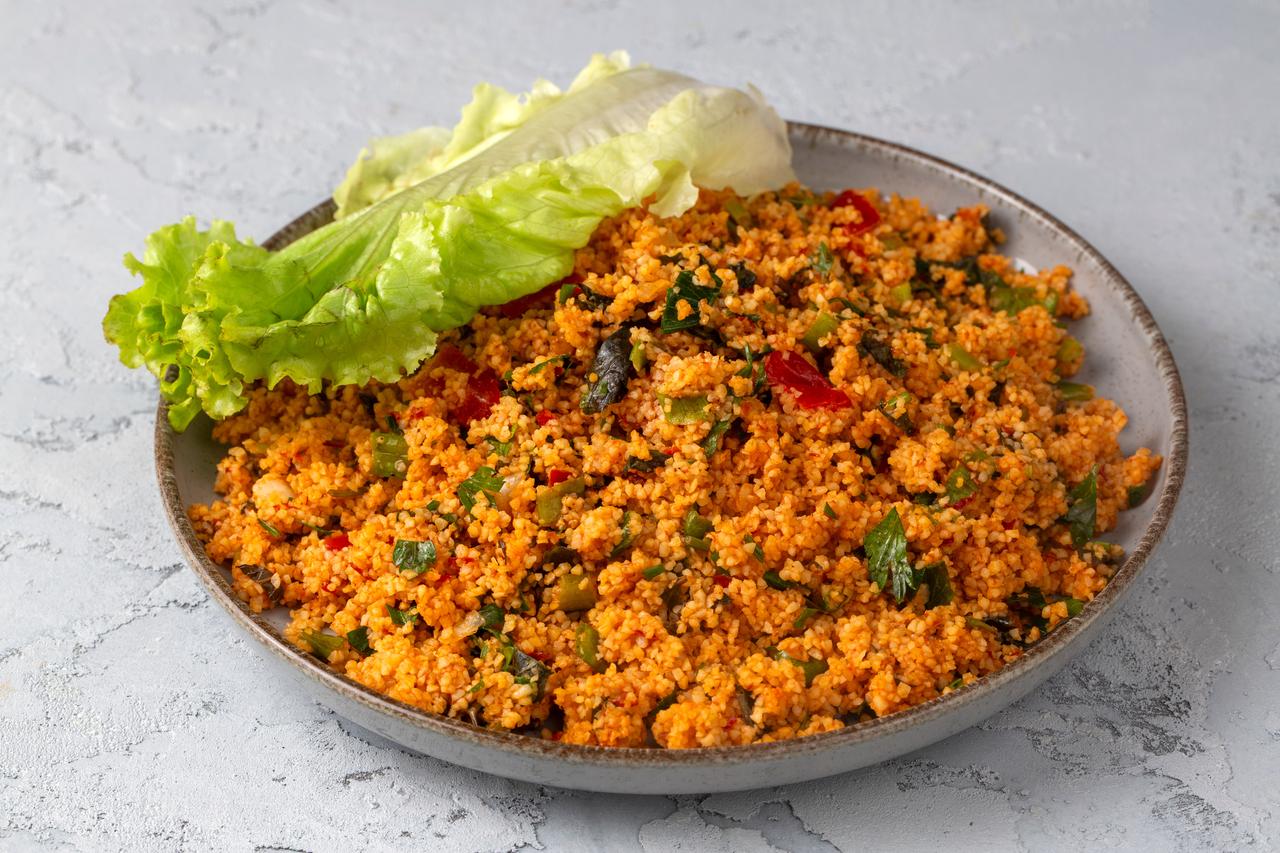
Kisir keeps the meze spread going with a salad built on fine bulgur.
The grain is mixed with tomato or pepper paste, green onions, finely chopped parsley and fresh mint, and the dish is served cold.
Bulgur, also found in the ezogelin soup, ties the two plates together.
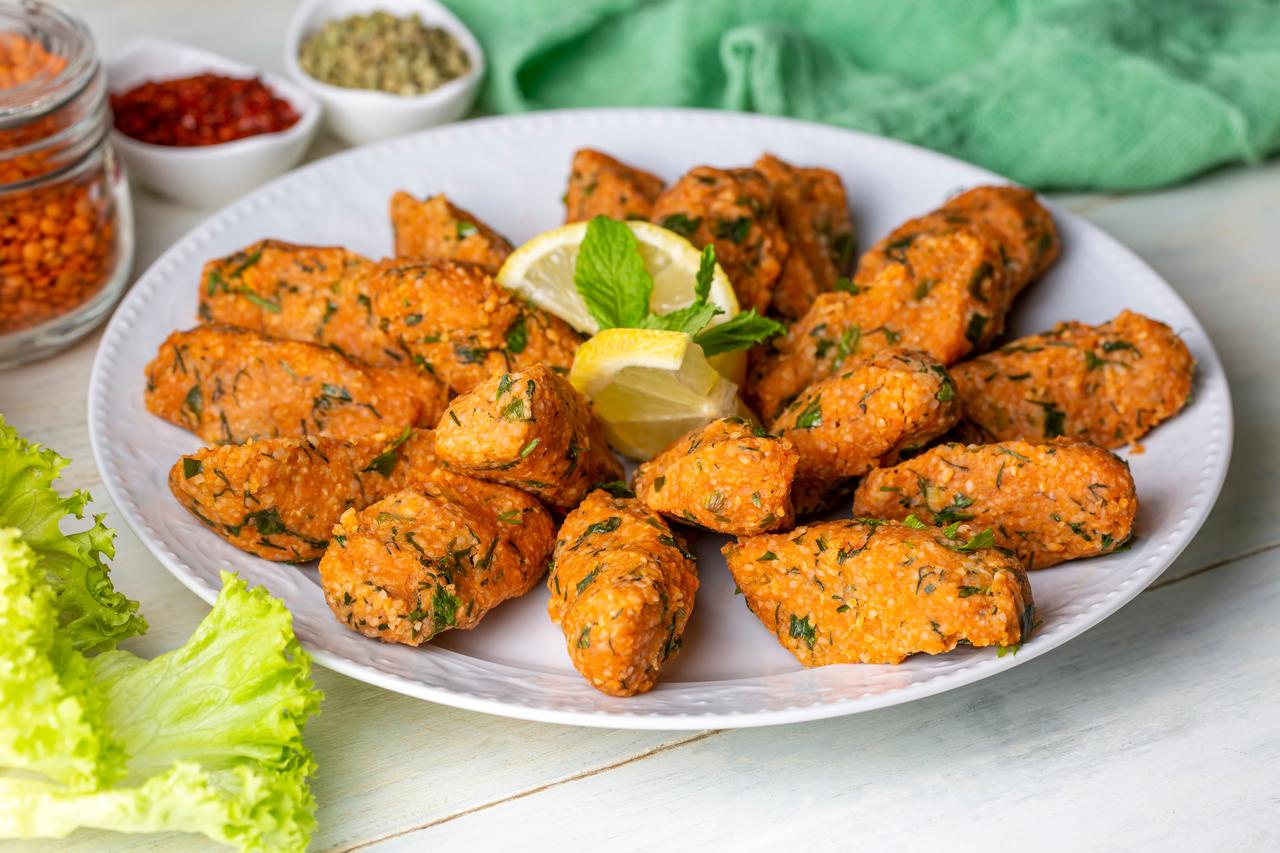
Mercimek kofte, or lentil kofte, offers a vegetarian take on the meatball. Red lentils, fine bulgur and sauteed onion form the base, and the mixture is shaped by hand into small ovals. People commonly serve the bites cold with lettuce leaves and lemon.
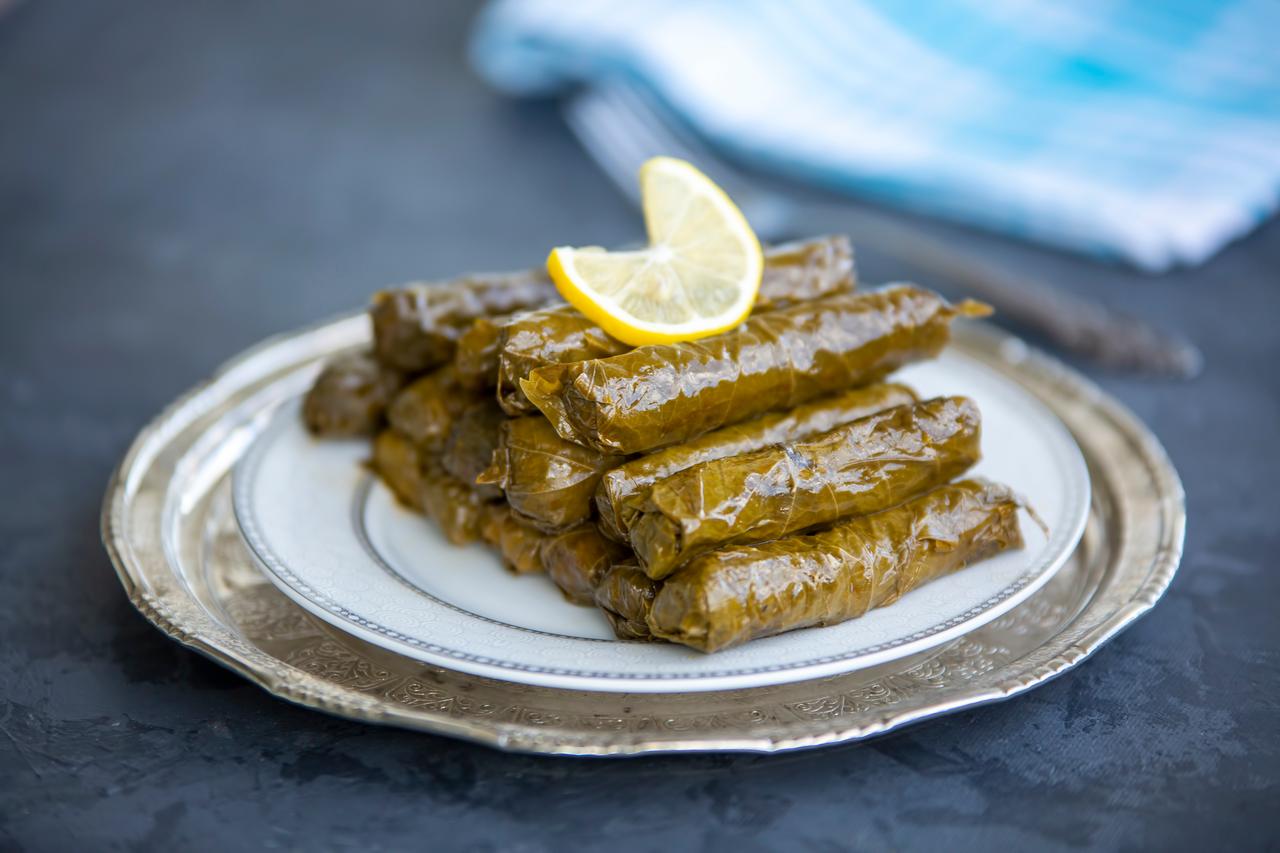
Sarma, which means wrapped, covers dishes such as stuffed grape leaves. Vine leaves are filled with seasoned rice, rolled into small bundles and cooked until tender, and some versions add minced meat. The dish closes the cold plates and leads into the heavier courses that follow.
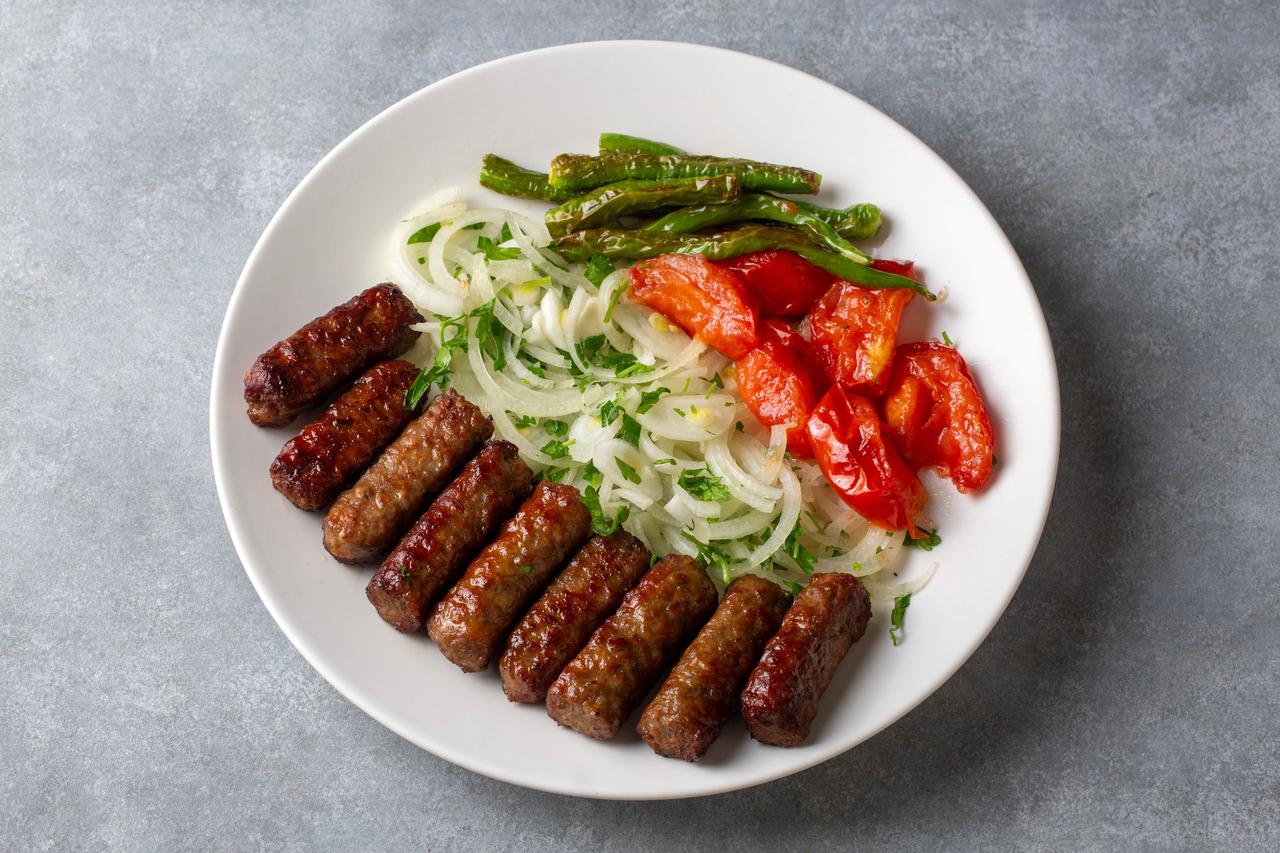
The main courses begin with Inegol kofte, the meatballs of Inegol, about 45 kilometers (28 miles) southeast of Bursa in northwestern Türkiye. A shop opened in the late 19th century is credited with launching the style, and the local recipe is known for little seasoning beyond salt.
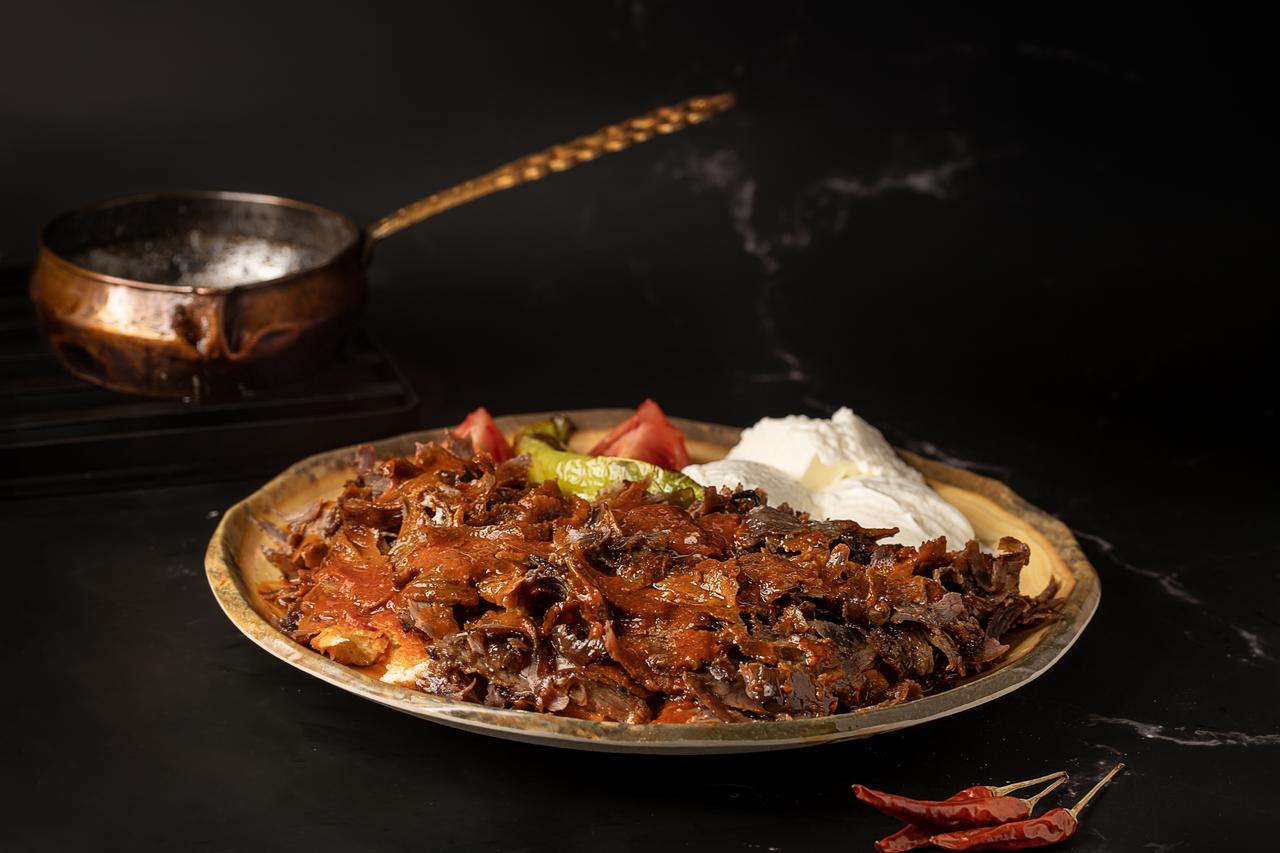
Bursa supplies the next plate. Iskender kebab dates to 1867, according to local accounts, when Iskender Efendi began serving thin slices of doner over pieces of bread, topped with tomato sauce, melted butter and yogurt. The dish is also known as Bursa kebab.
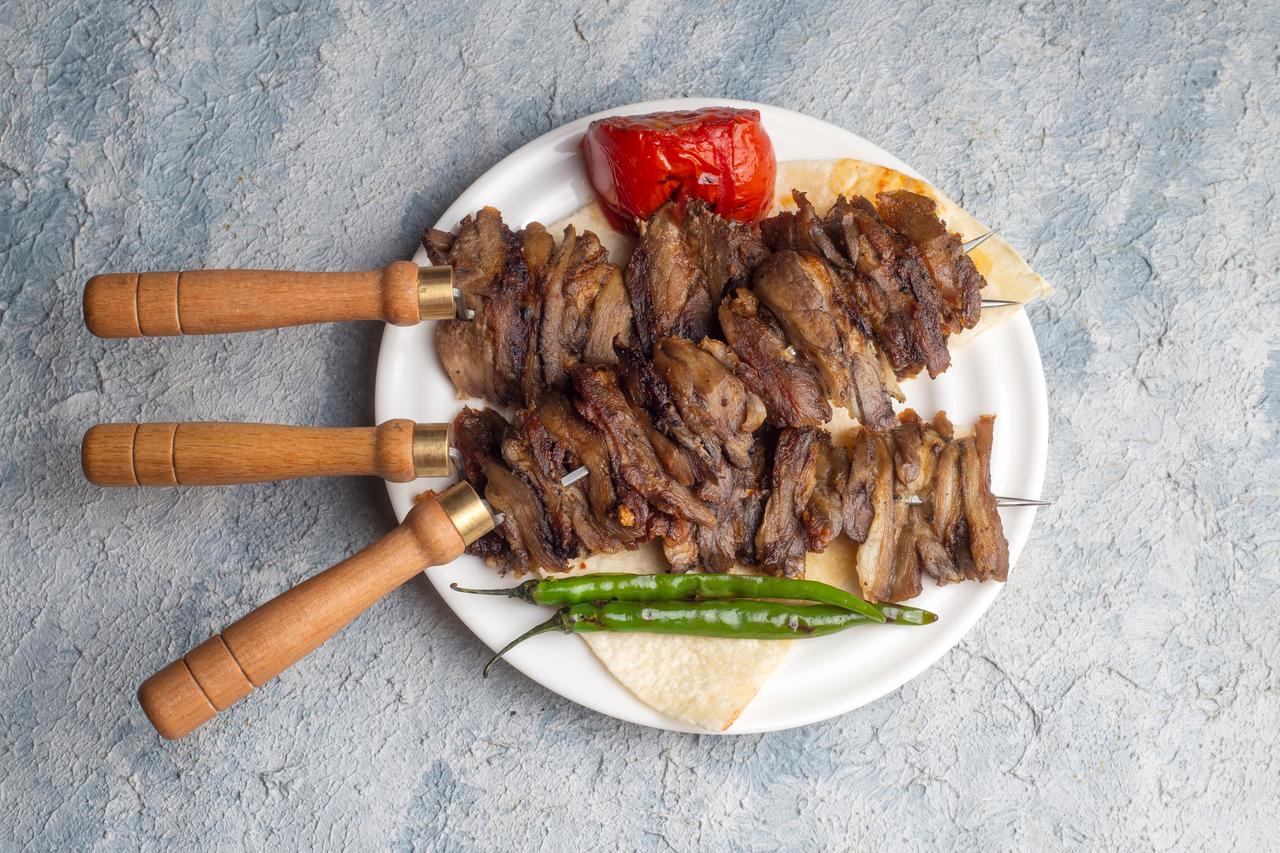
From Bursa the list turns east to Erzurum, where cag kebab is cooked on a horizontal spit beside a wood fire. Marinated lamb is stacked into a cylinder, then sliced onto small skewers that diners eat from directly. The method is often described as the horizontal forerunner of doner.
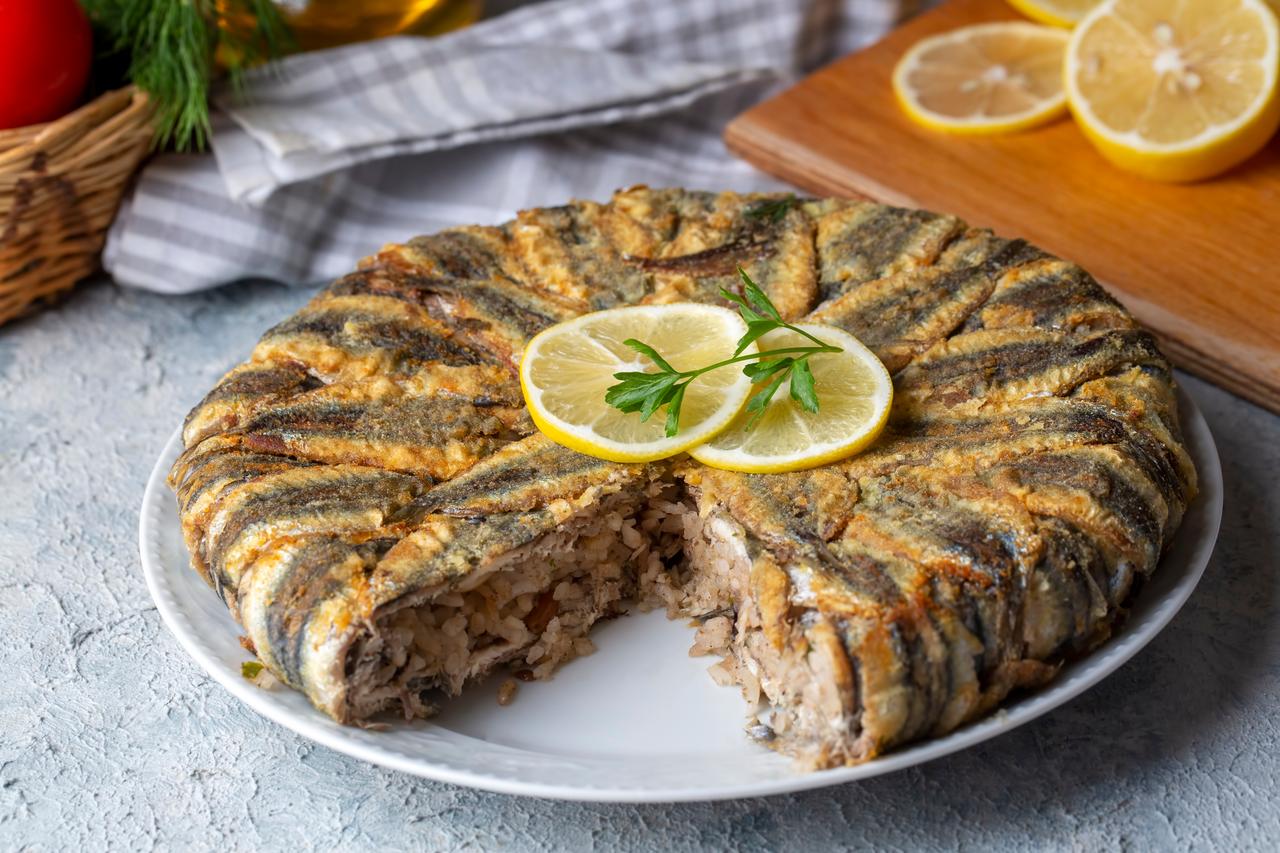
The Black Sea coast of northeastern Türkiye contributes hamsili pilav, a rice dish made with hamsi, the small European anchovy that is a staple of the region. Buttery rice, often with currants and pine nuts, is baked under a covering of fresh anchovy fillets. The recipe is closely associated with the port city of Trabzon.
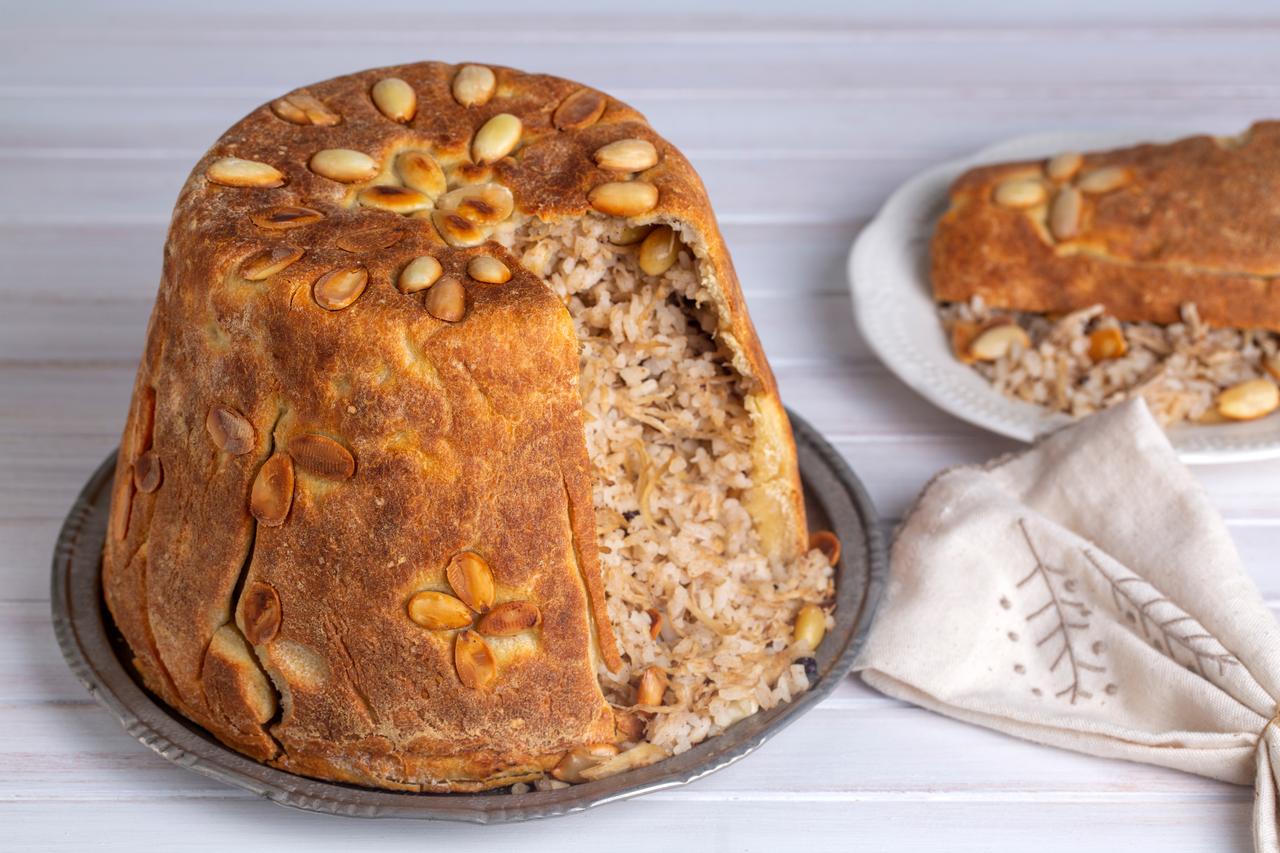
Perde pilavi comes from Siirt in southeastern Türkiye. The name means “curtain pilaf” because a thin shell of pastry wraps the rice, chicken, almonds and currants inside. The pastry bakes to a golden, flaky finish, and the dish is turned out and sliced before serving. It is often served at weddings and formal dinners.
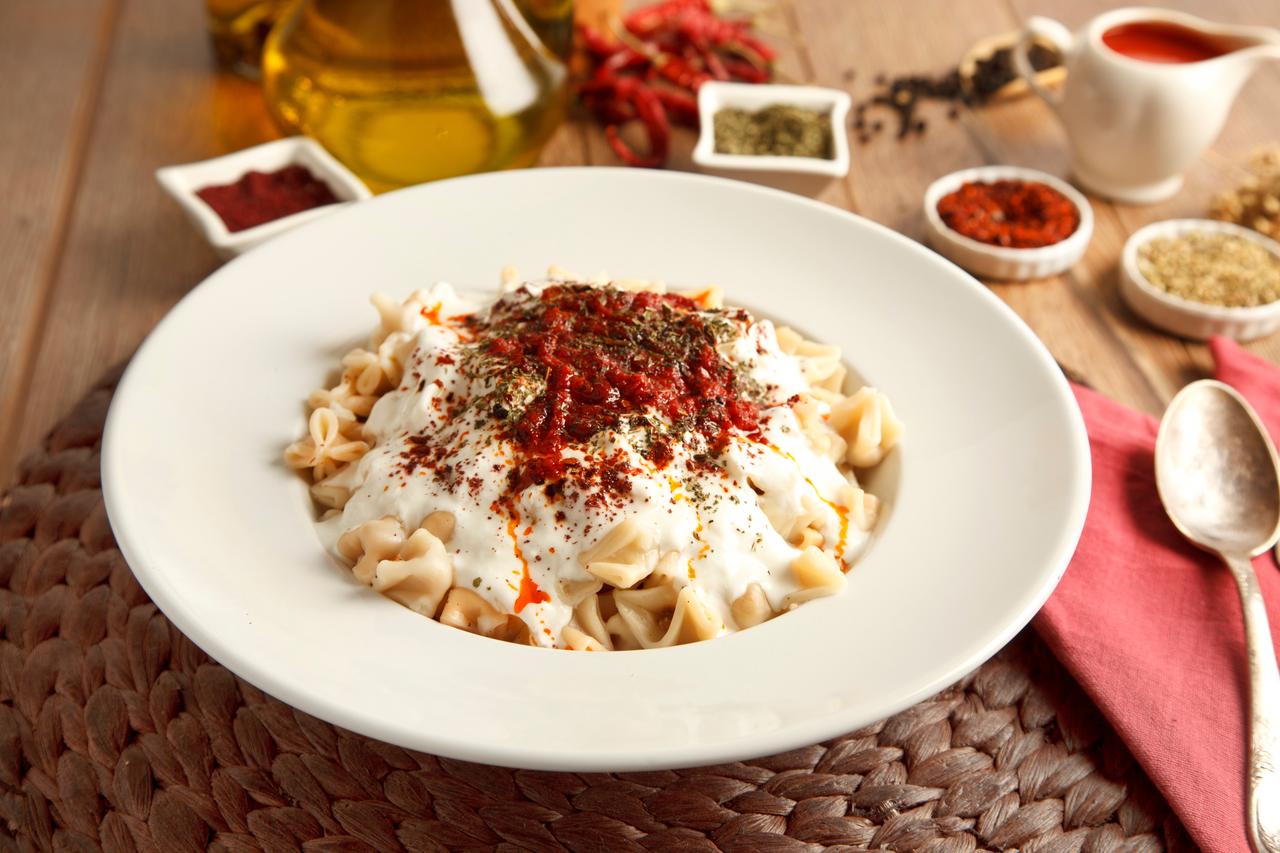
Manti, the pasta dumplings of Kayseri in central Anatolia, are known for their size. By local tradition, a skilled cook fits 40 of them on one spoon. The tiny parcels hold spiced meat and are boiled, then served under garlic yogurt with melted butter, tomato and Aleppo pepper.
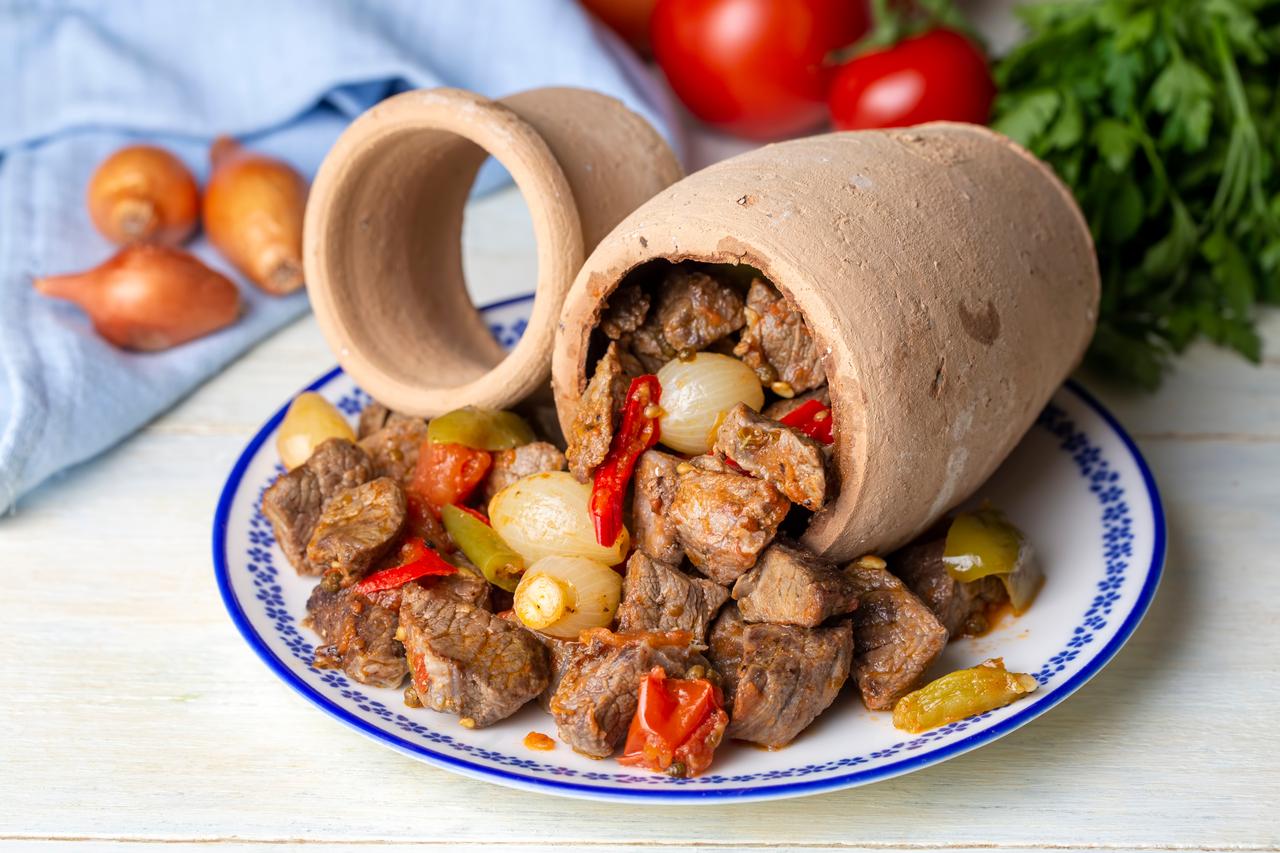
Testi kebabi turns the serving of a meal into a small performance. Meat and vegetables are sealed inside a clay pot and slow-cooked, and the pot is broken open at the table. The dish is associated with Cappadocia in central Türkiye, where the town of Avanos is known for its pottery.
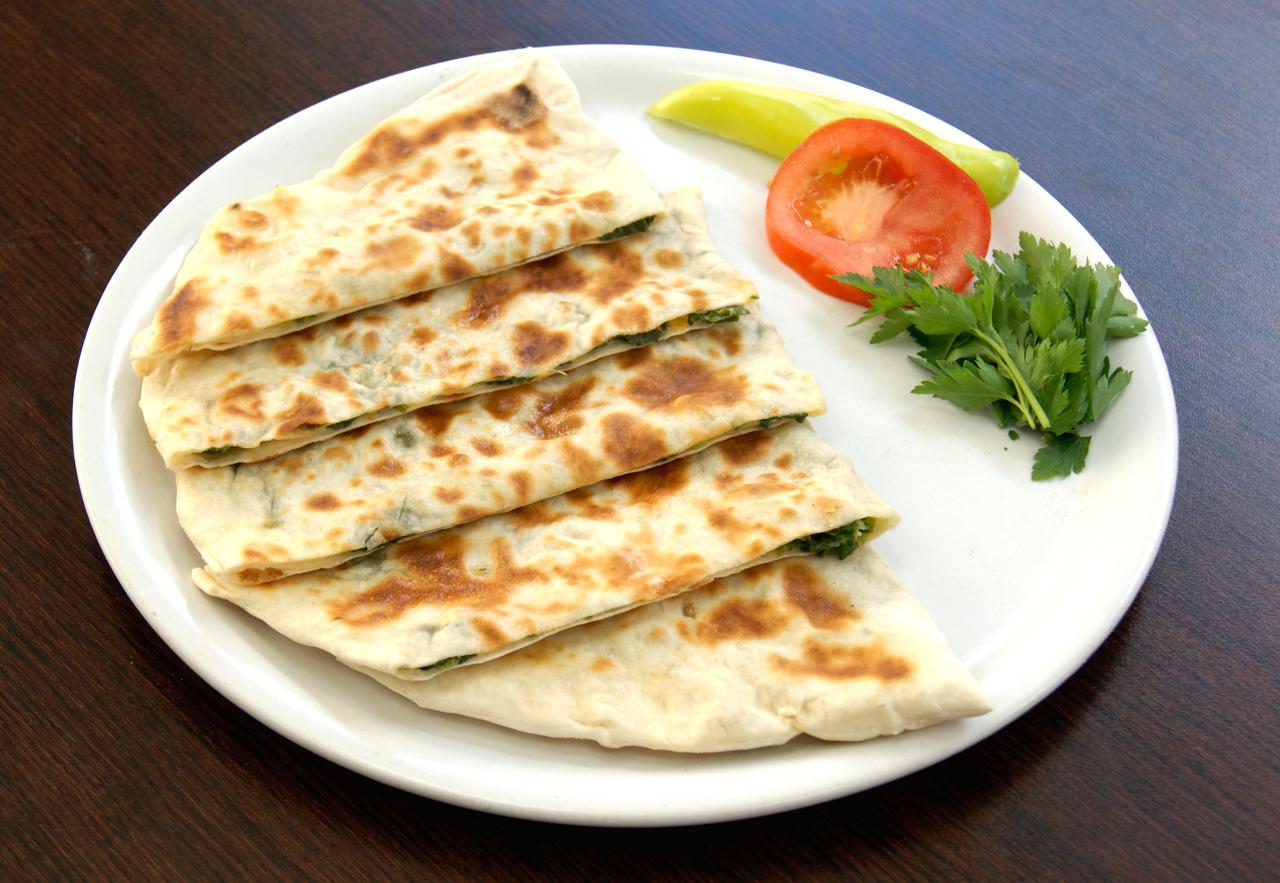
Gozleme brings the flatbreads onto the table. Thin dough is rolled out, filled with ingredients such as spinach, cheese, potato or minced meat, sealed and cooked on a round metal griddle called a sac. It is a regular sight at markets, roadside cafes and village breakfasts.
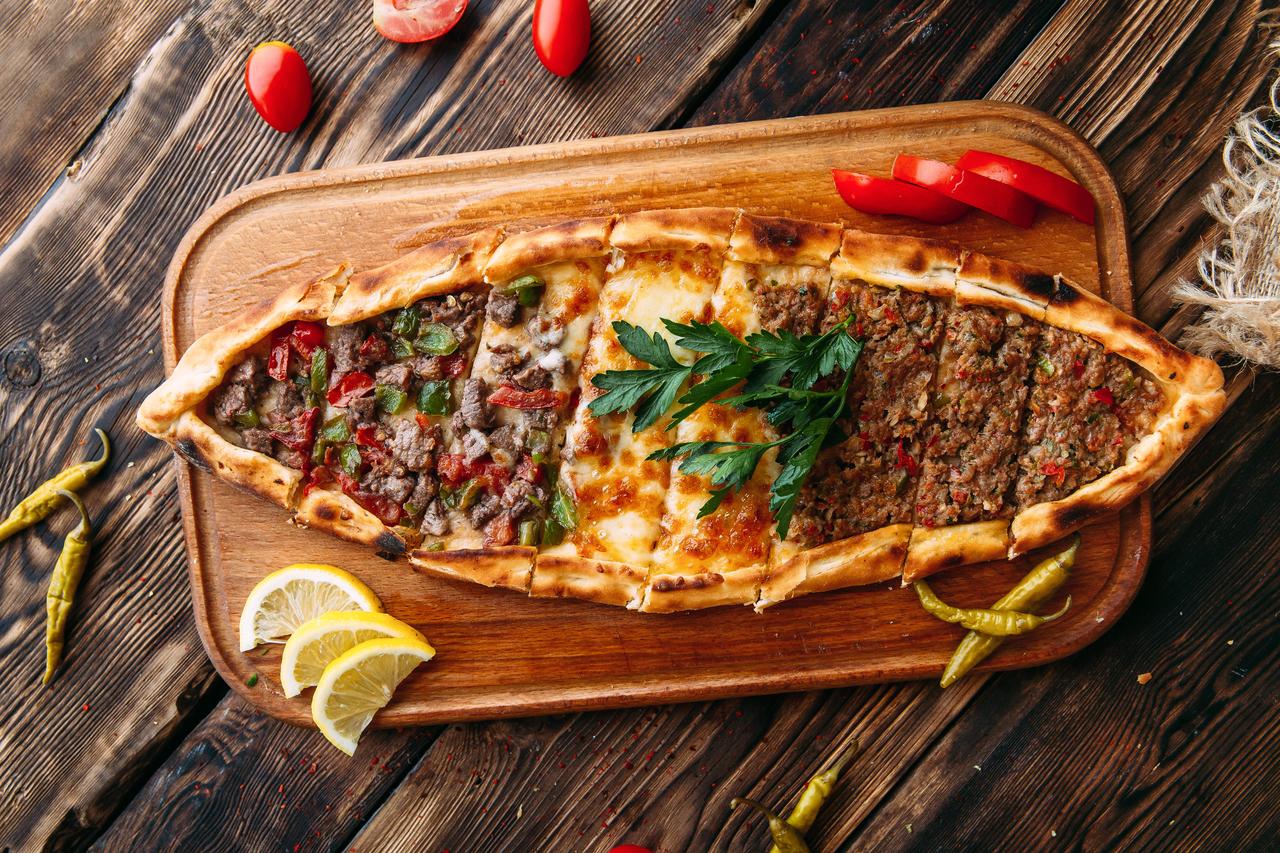
Pide is an oval, boat-shaped flatbread baked in a wood-burning oven with toppings such as cheese, minced meat or egg. It can be found everywhere from sit-down restaurants to street food carts, and its edges are folded up to hold the filling.
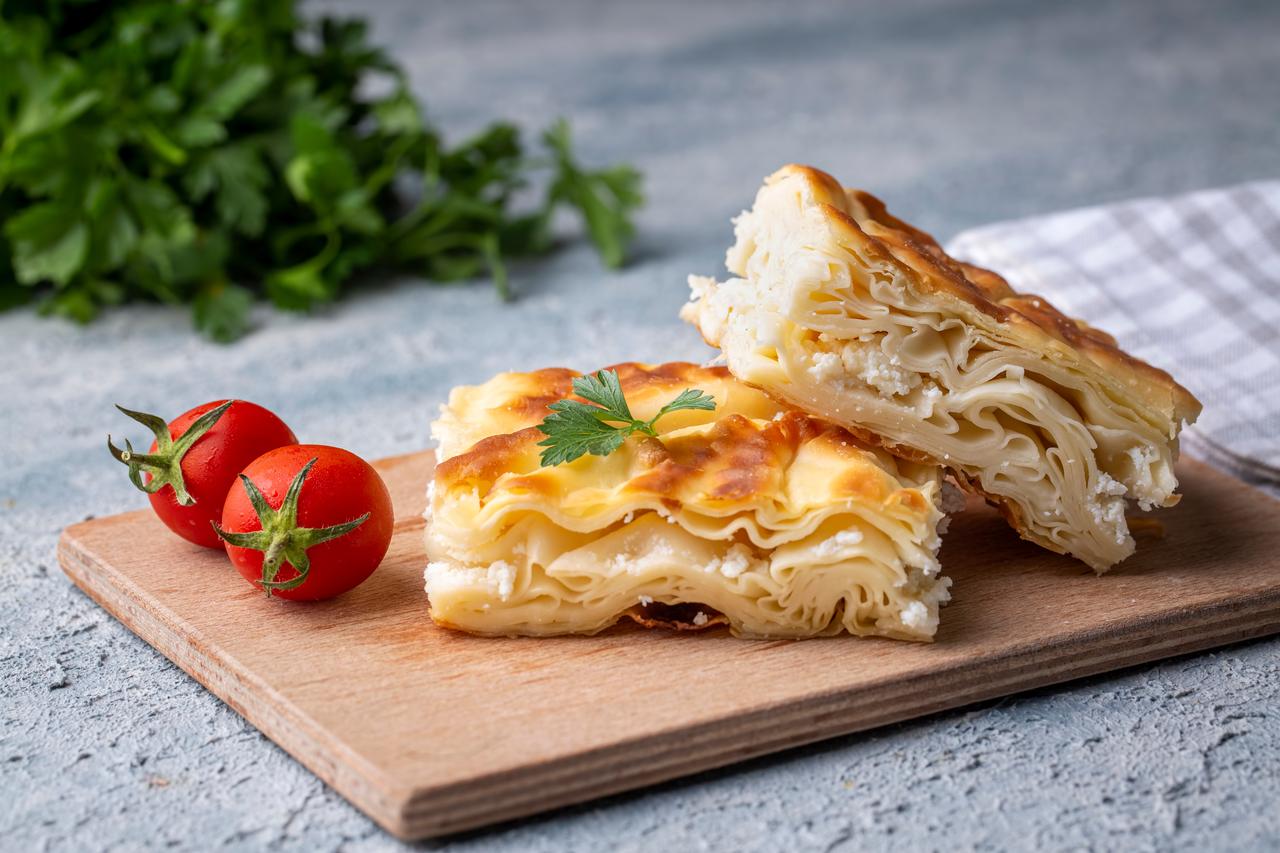
Su boregi, or water borek, is a layered pastry named for its method. Sheets of thin dough are briefly boiled, then stacked with butter and a filling, most often white cheese and parsley. The result is soft and almost lasagna-like, and the dish has a history of at least 200 years.
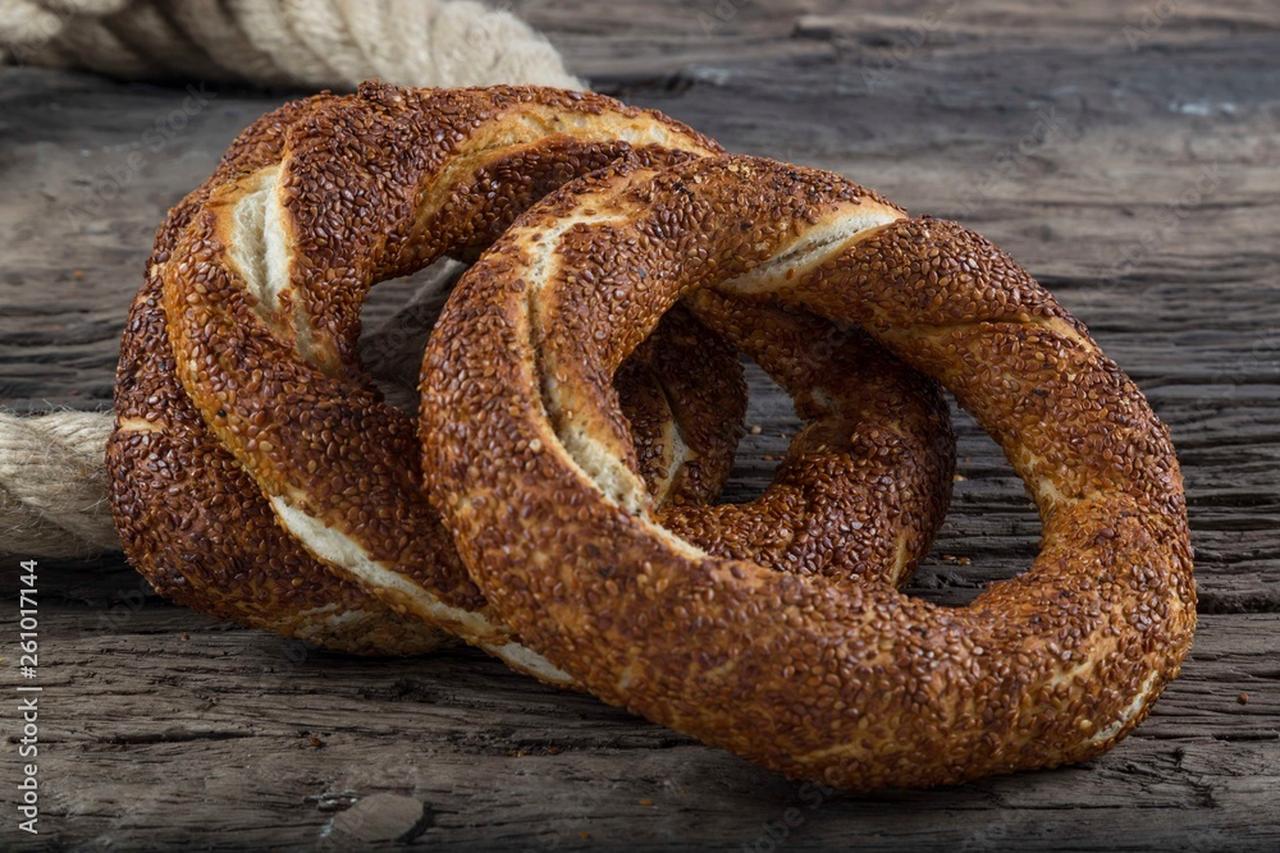
Simit is the street snack of the list. The circular bread is usually encrusted in sesame seeds, though poppy, flax or sunflower seeds are also used, and it is sold at bakeries and by street vendors. [
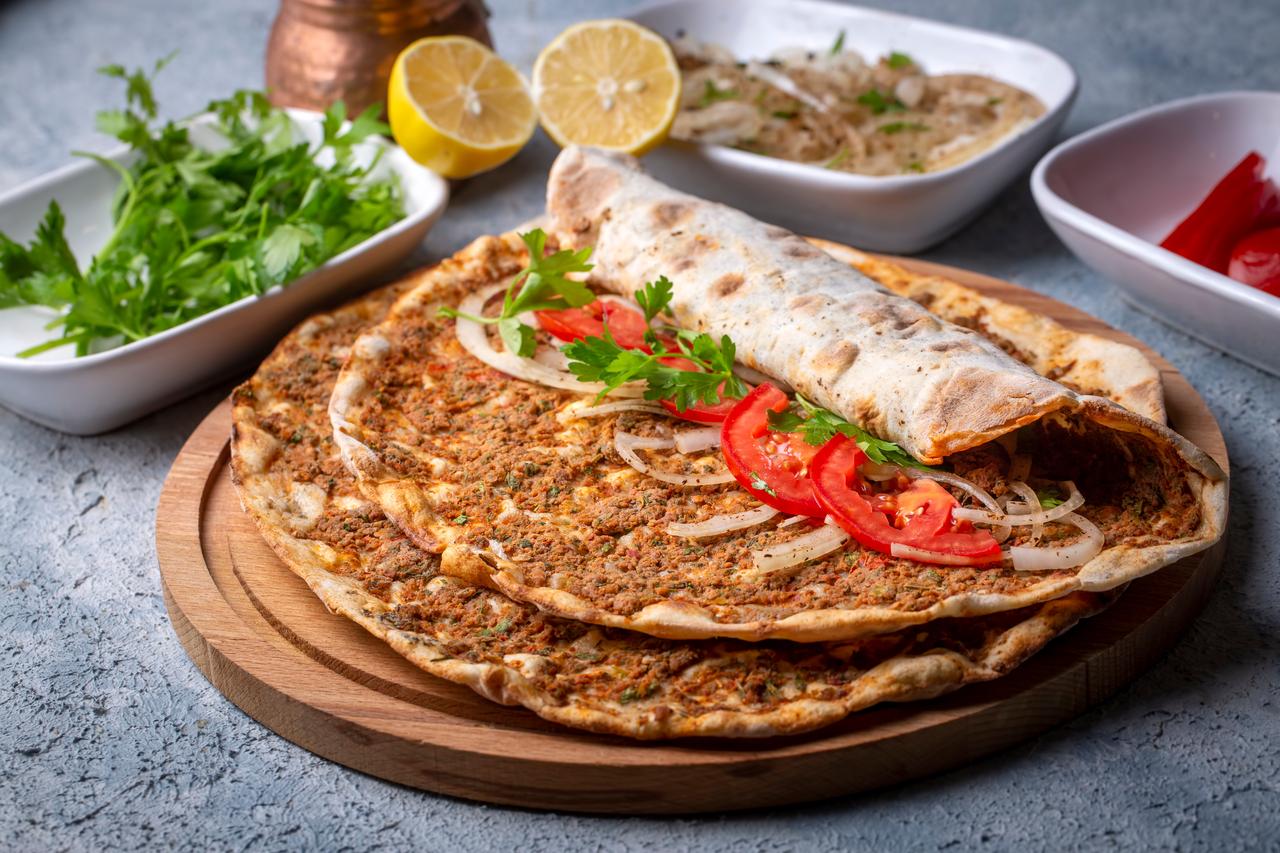
Lahmacun is a round, thin flatbread topped with minced meat, most commonly beef or lamb, and thinly diced vegetables, then baked. The version from the Gaziantep region in southeastern Türkiye has European Union geographical indication status, which ties the name to its place of origin.
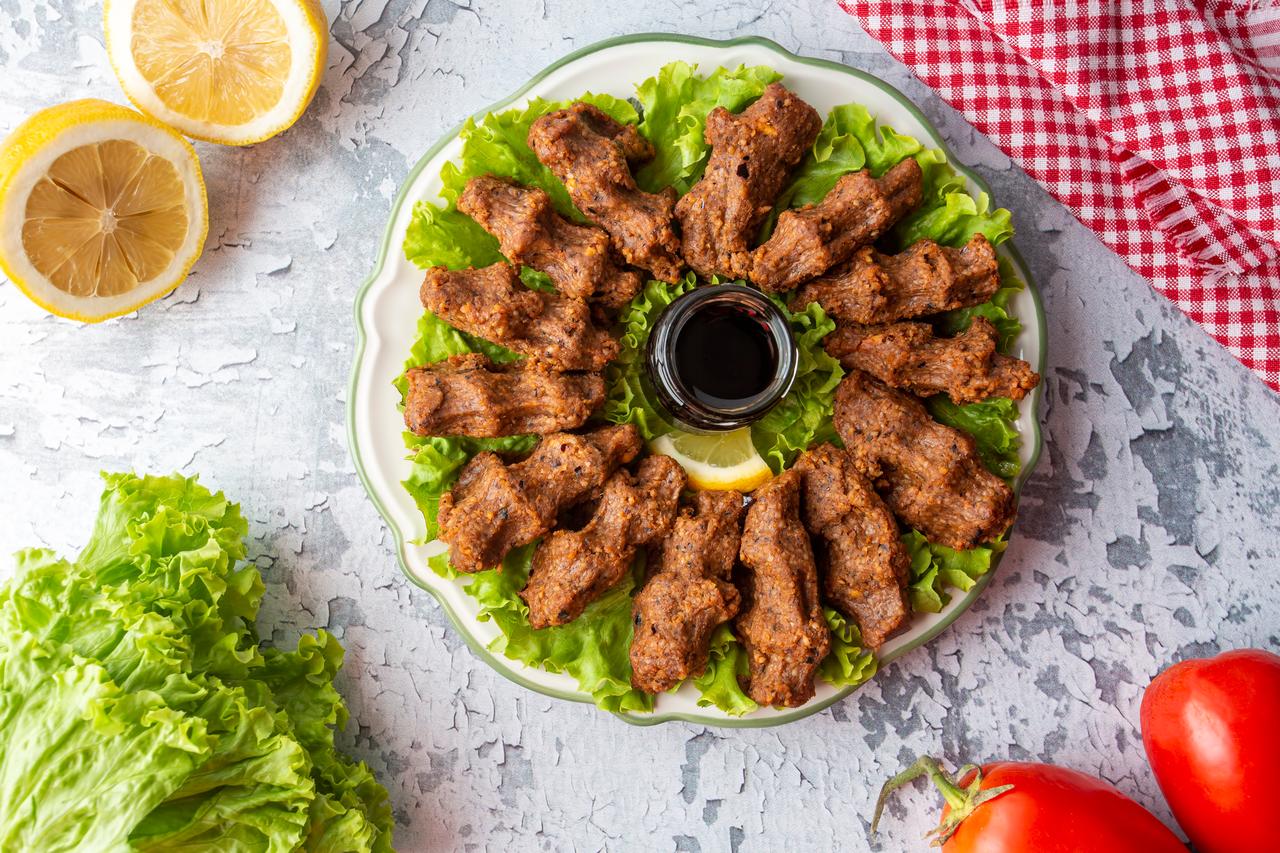
Cig kofte means raw meatball. The dish traditionally combined minced raw meat with fine bulgur and spices, although most versions made today are vegetarian. It is closely associated with Sanliurfa in southeastern Türkiye and is commonly eaten wrapped in lettuce or flatbread.
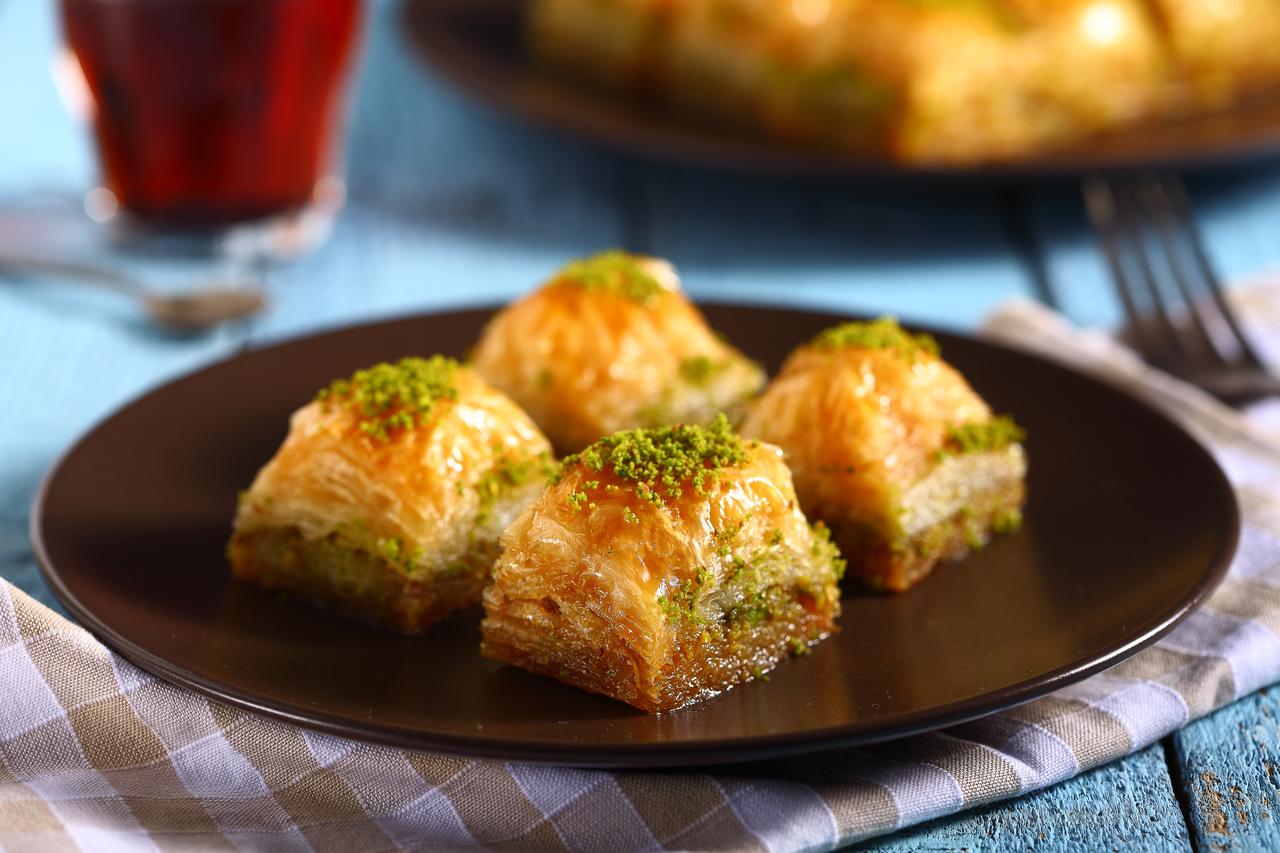
With baklava the table turns to sweets. Gaziantep baklava, from southeastern Türkiye, uses 40 or more layers of thin phyllo, clarified butter and Antep pistachios. It became the first Turkish product to receive European Union protected geographical indication status.
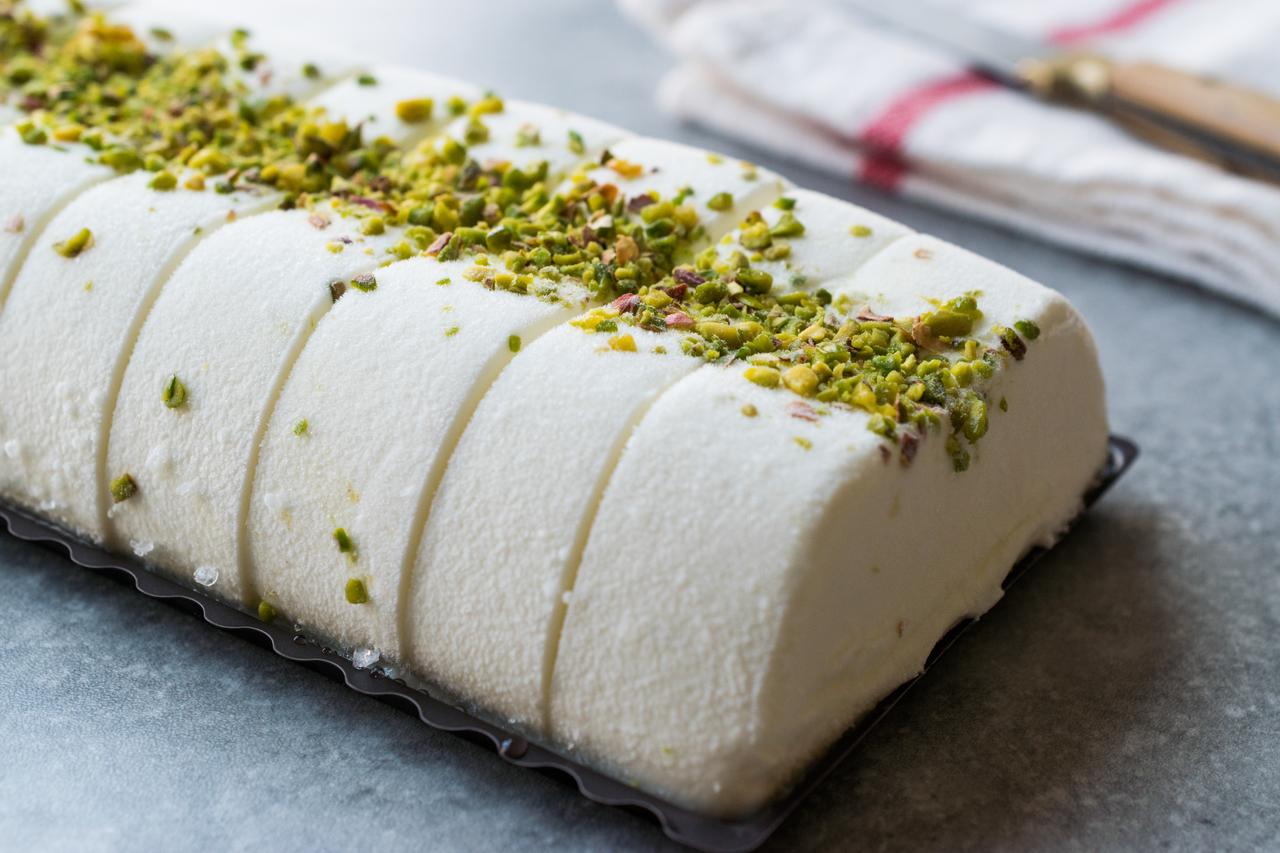
Dondurma means ice cream in Turkish, but in Kahramanmaras in southern Türkiye it refers to a dense, stretchy variety. Salep, a flour made from wild orchid tubers, and mastic, a tree resin, give it an elastic texture that resists melting, and it is often eaten with a knife and fork. The style holds a registered geographical indication.
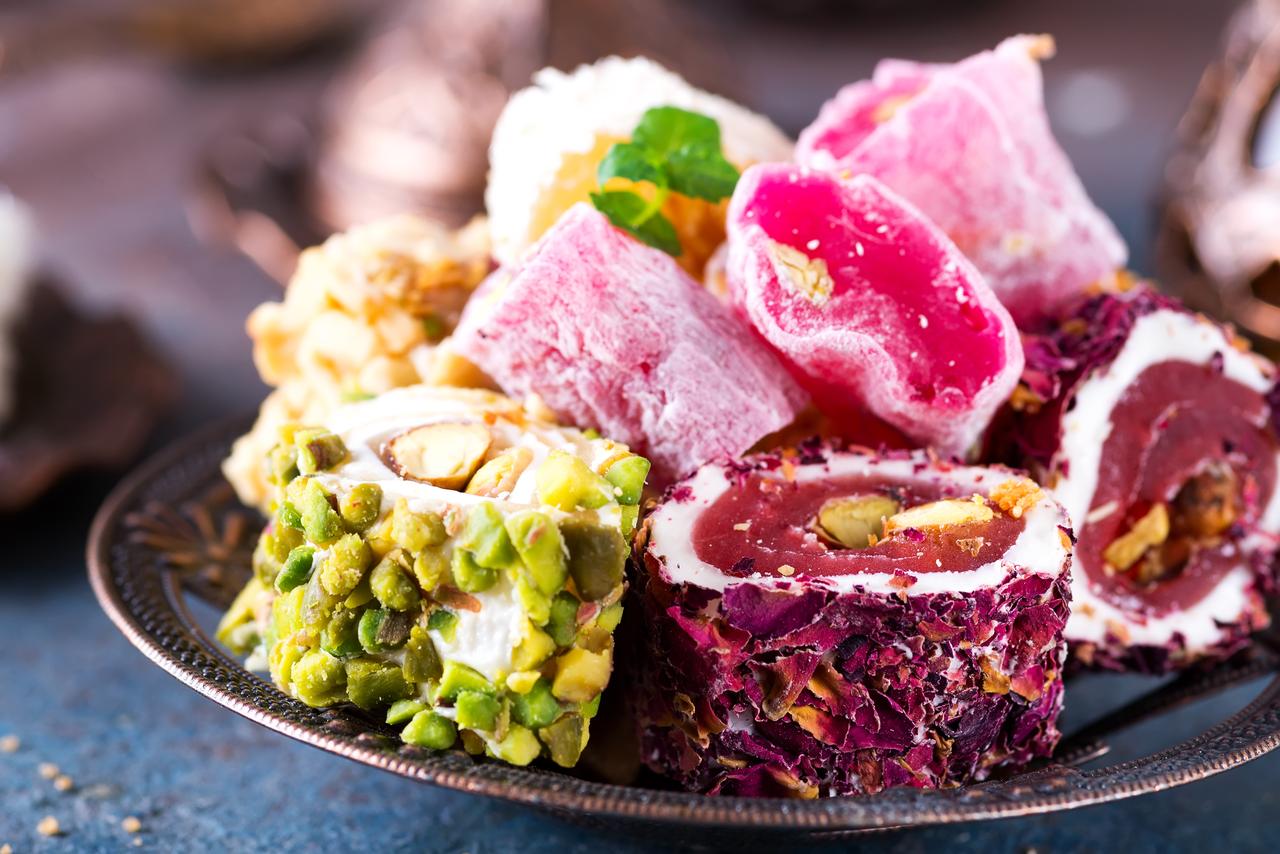
Lokum, known abroad as Turkish delight, is a confection of starch and sugar, often with fruit, nuts or honey. Istanbul confectioner Haci Bekir, who opened a shop in 1777, is popularly credited with spreading it, although some historians question that attribution. The company still operates.
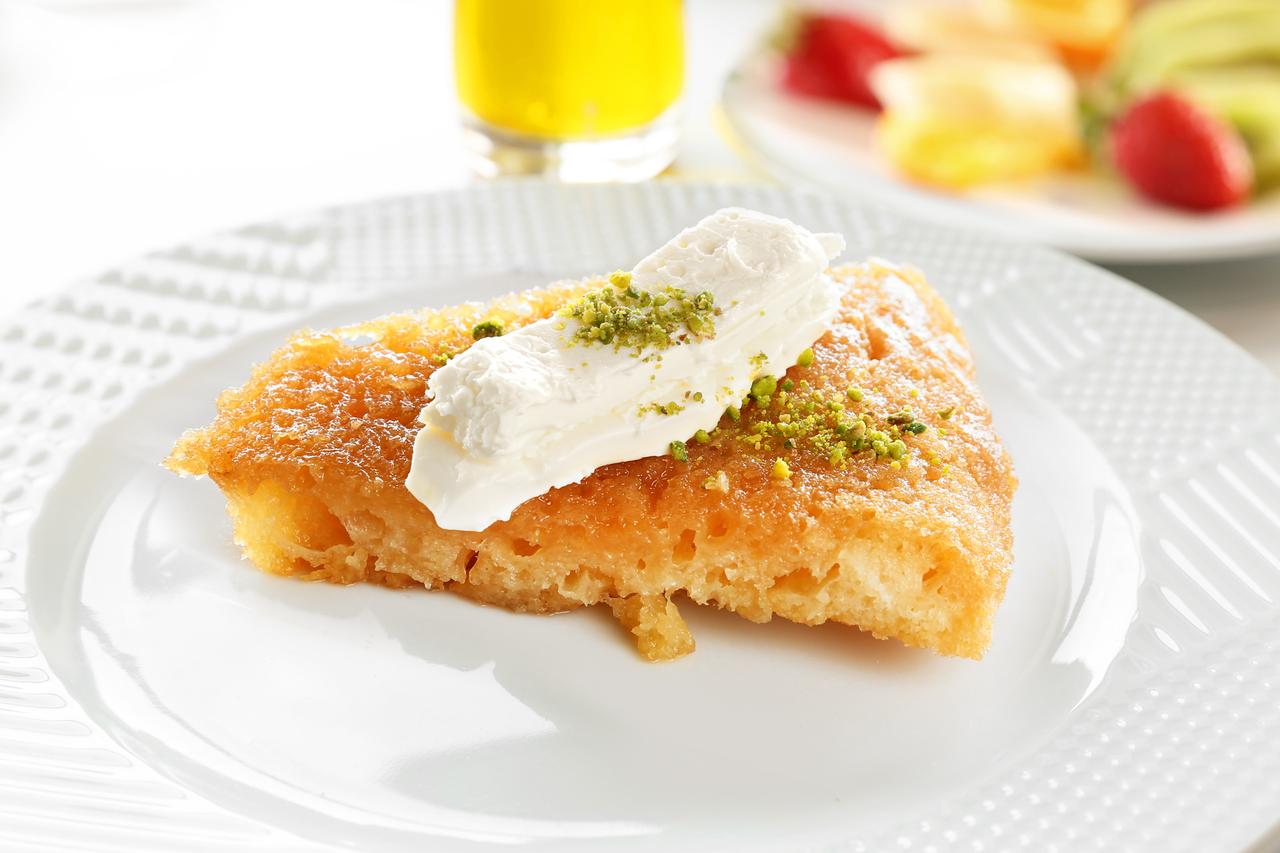
The list ends with ekmek kadayifi, a bread dessert soaked in syrup and topped with kaymak, a creamy dairy product similar to clotted cream.
The dessert is linked to Afyonkarahisar in western Türkiye, where the version made with local kaymak has protected regional status, and it is often finished with crushed pistachios or walnuts.
 10 min read


 Set as preferred source