Sign in
 Newsletters


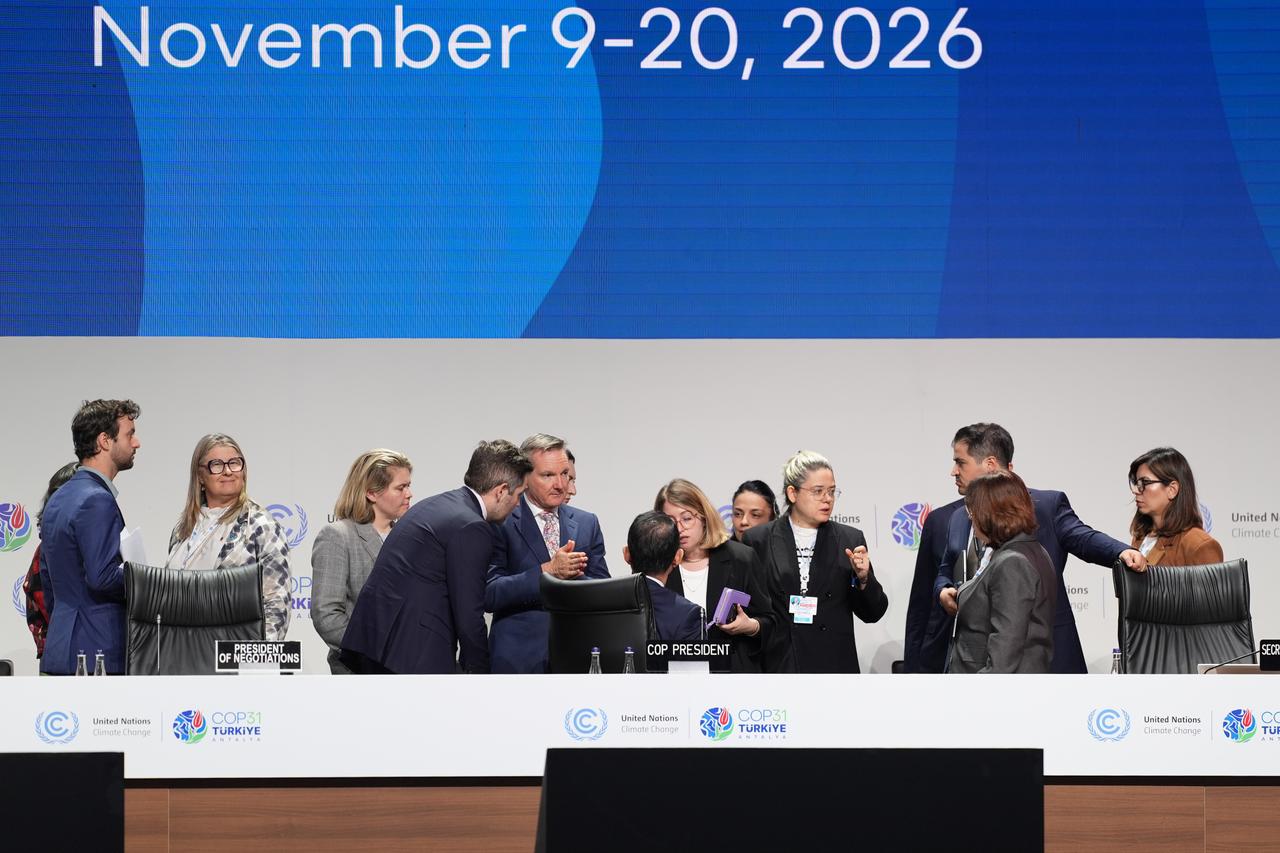


The COP31 climate summit ended Sunday without agreement on its main outcome document, after two weeks of talks and two days of overtime failed to bridge divisions over the future of fossil fuels.
The summit's presidency acknowledged that the draft "cover decision," known as the Antalya pact, lacked the consensus needed to pass, and it was not adopted. The European Union, Britain and a number of developing countries rejected the text, saying it did not even mention fossil fuels. UN Secretary-General António Guterres called the outcome "deeply disappointing."
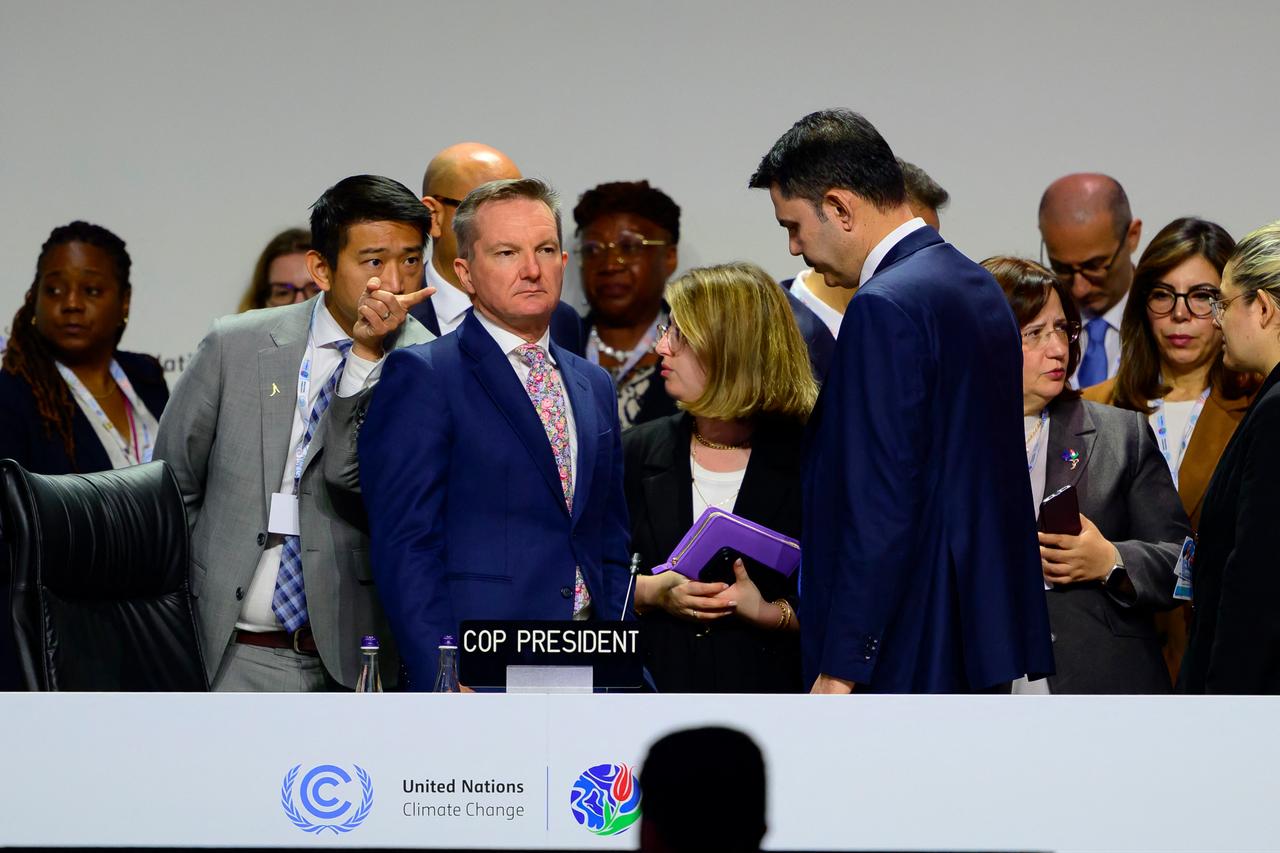
COP31 President Murat Kurum, Türkiye's environment minister, said the presidency had not forced the draft on anyone. "I understand that there is no agreement on this text. For that reason, these decisions have not been adopted," he said, adding that negotiators had not issued a "take it or leave it" ultimatum.
The talks, scheduled to end Friday, ran into Sunday afternoon. The Antalya pact was drafted by the summit's joint presidencies, Türkiye and Australia, which circulated several compromise versions in an attempt to win agreement.
The drafts acknowledged that the world is on course to exceed the 1.5C warming threshold set under the Paris agreement and called for expanded carbon-removal technologies.
The pact invited countries to electrify their economies, called on wealthy nations to provide finance to help poorer countries adapt to climate impacts, and urged efforts to minimize the "overshoot" of the 1.5C limit.
It did not endorse a "transition away from fossil fuels," which more than 130 countries had demanded, and it included provisions on carbon capture and storage that campaigners say prolong the use of fossil fuels.
The presidencies avoided a complete collapse of the conference by passing decisions on several related matters, including the "just transition" meant to help workers in high-carbon industries move to a low-carbon economy.
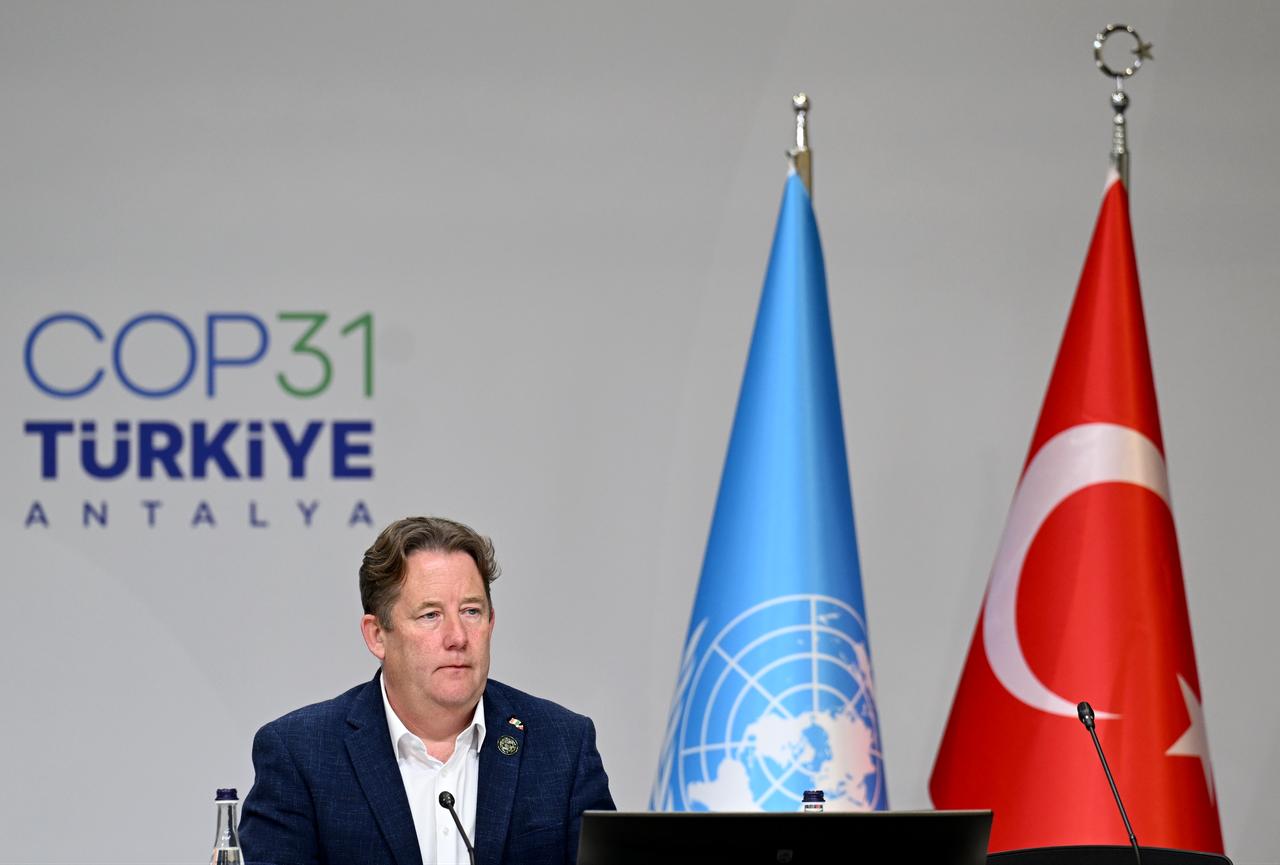

Ireland's environment minister, Darragh O'Brien, speaking for the EU, said the text "fails to meet the moment."
The bloc said it would not endorse a decision "that greenwashes fossil fuels" and called the omission of any reference to a transition away from them "unconscionable."
His intervention drew applause in the hall and was followed by similar objections from Panama, the Marshall Islands and Norway.
Panama said governments had a responsibility "not to negotiate the minimum threshold, but to act," and argued that the text weakened earlier agreed decisions.
It said its position, set out in a letter to the presidency listing non-negotiable priorities, had not changed. The Marshall Islands said accepting the deal would amount to a betrayal of its people and criticized what it called "false solutions."
Delegations warned against "mistaking the drama of negotiations for impact" and described the draft as "the lowest common denominator."
Bill Hare, chief executive of the advisory group Climate Analytics, called the moment "a real line in the sand," saying countries were "standing up to fossil fuel interests and saying no."
Not all delegations opposed the text. Speaking for the African Group, Ghana acknowledged shortcomings on climate finance, loss and damage, and the just transition, which it said received "a single generic sentence."
The group nonetheless said it would not stand in the way of consensus, arguing the text reflected a wide range of views.
Saudi Arabia, representing the League of Arab States, defended the references to carbon capture and storage and rejected claims the technology amounts to greenwashing.
It said scientific assessments have identified a role for the technology in limiting warming and that all viable solutions should stay on the table. China also did not object to the deal, despite some reservations.
Pakistan urged delegates to keep working toward agreement, saying climate action requires "bridges, not barriers." It said parts of the text were problematic for some countries but that the broader package should not be sacrificed.
Guterres said the failure to reach consensus did not change the realities of the climate crisis. "There may be no consensus in the negotiating room. There is no ambiguity in the science," he said in a statement.
He said global temperatures continue to break records, climate impacts are intensifying and greenhouse gas emissions remain dangerously high, putting the world on course to exceed 1.5C.
He described fossil fuels as the main driver of global warming and warned against delaying the shift to cleaner energy.
"We can't put out the fire while pouring fuel on it," he said, accusing powerful fossil fuel interests of obstructing action while continuing to profit.
Governments had already agreed at COP28 in Dubai to transition away from fossil fuels, he noted, and the priority now is to accelerate and finance that shift.
He called for deeper emissions cuts this decade, stronger support for vulnerable countries and substantially more money for adaptation, saying those least responsible for climate change should not bear its heaviest consequences alone.
He said real progress would be measured by whether countries cut fossil fuel dependence, expand clean energy, reduce methane emissions, restore forests and deliver climate finance to developing nations.
Addressing civil society, young people, Indigenous Peoples, scientists and frontline communities, he urged them to keep up the pressure. "The climate crisis will not wait for governments to find common ground. Neither can we," he said.


 Set as preferred source
 Set as preferred source


 1 min read
 1 min read