Newsletters


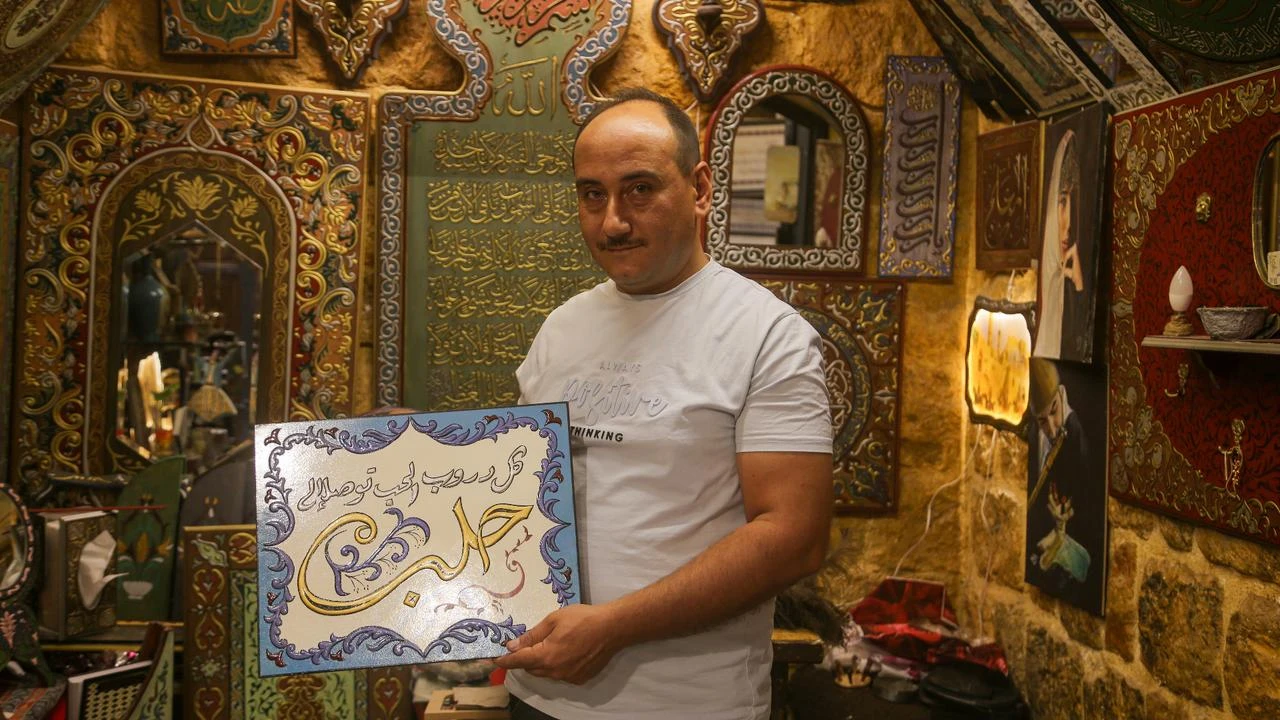
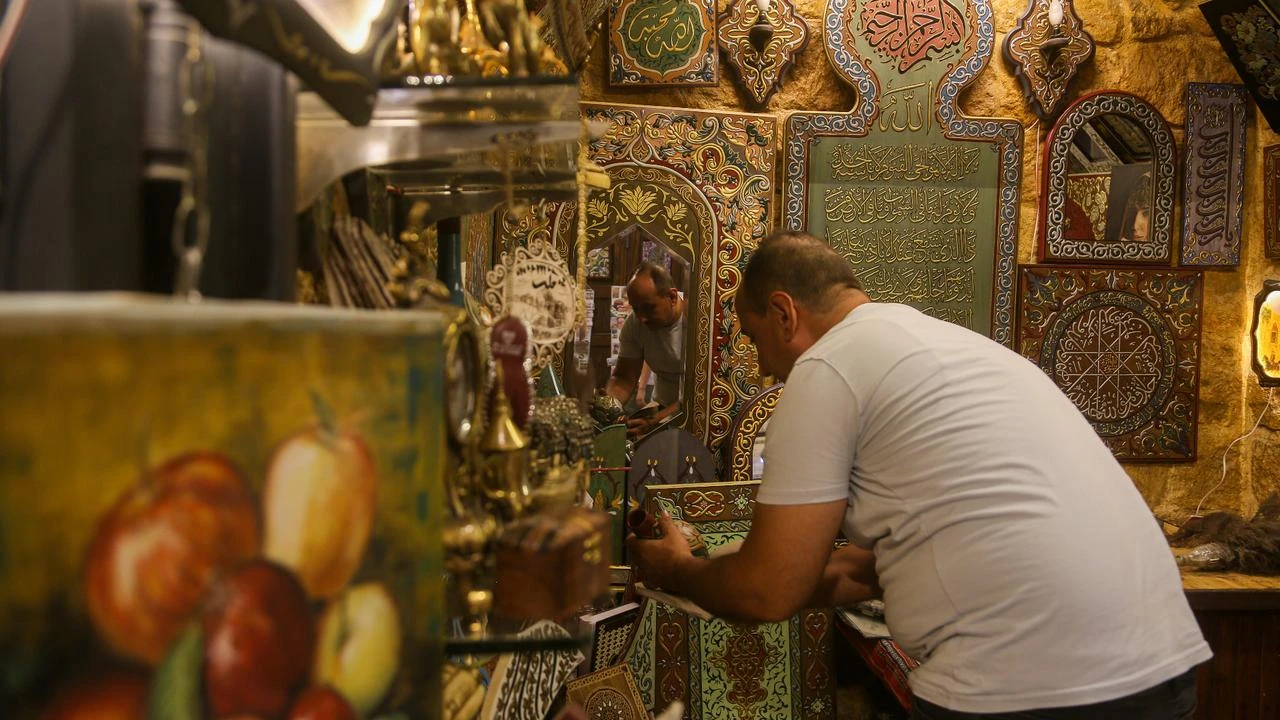
In Aleppo, Syria, craftsman Eyman Said continues to practice relief wood carving, an art form with a history spanning nearly 1,400 years, working to pass the tradition on to future generations.
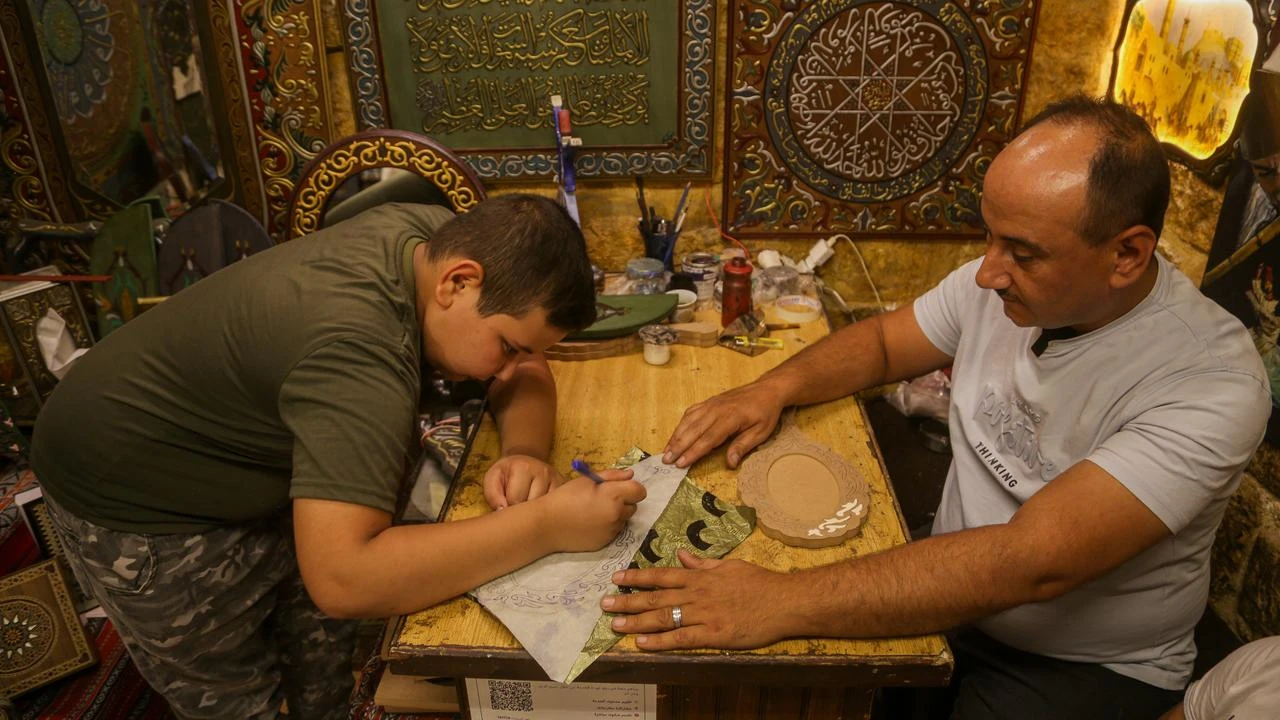
Said has practiced this ancestral trade for 30 years, having learned it from his family at the age of 12, and now teaches the craft to his own son to ensure its continuation.
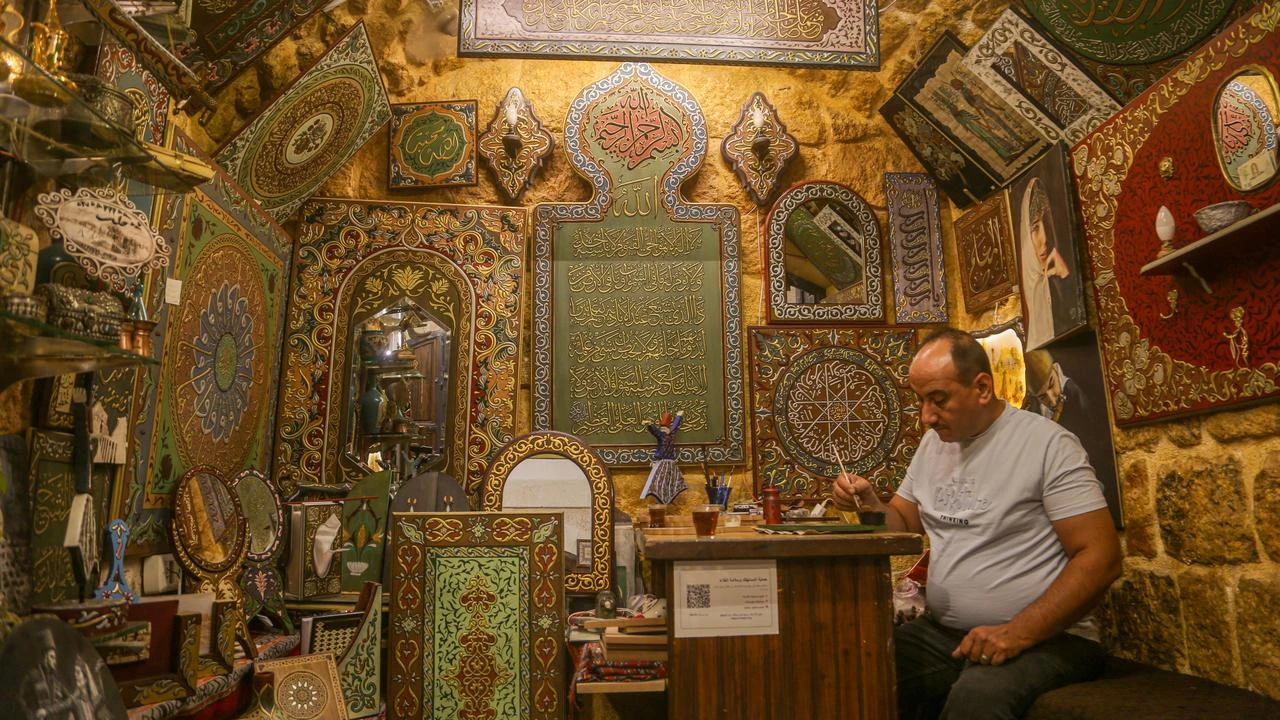
Working in Aleppo's historic markets, Said produces relief carvings that combine woodworking with painting, blending traditional motifs and Arabic calligraphy into each piece.
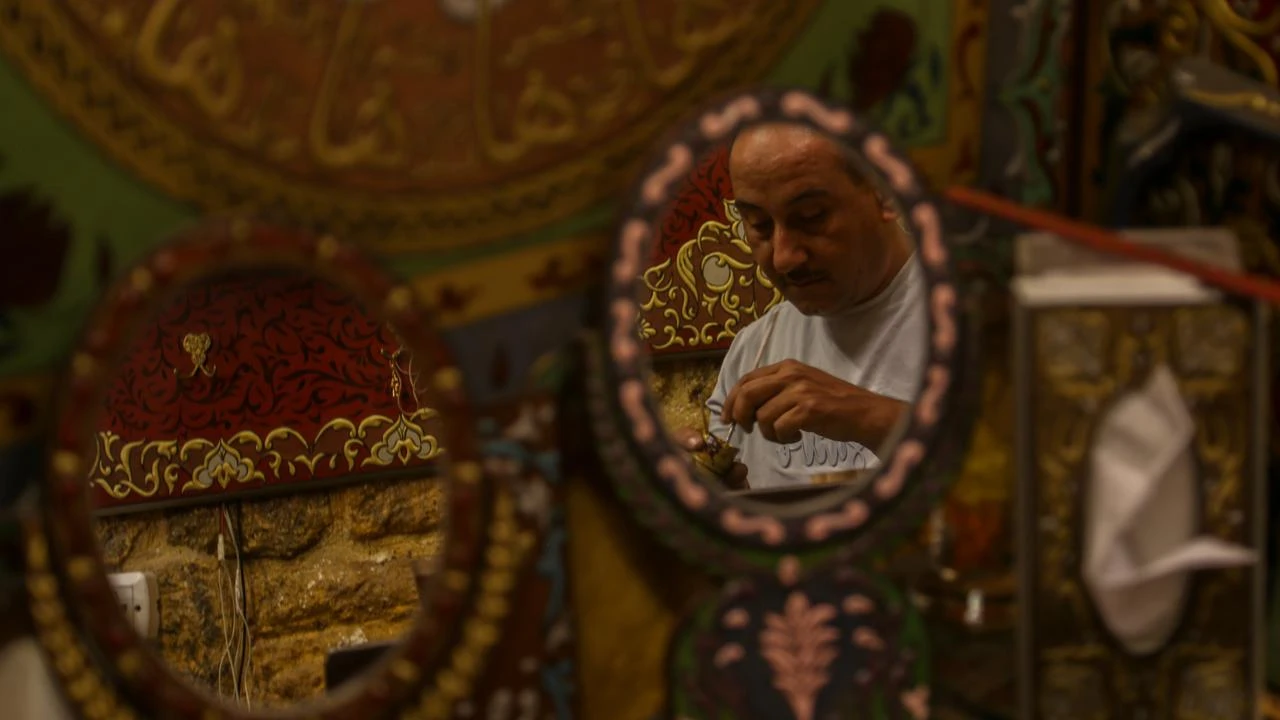
Once a prominent feature in the ceiling and wall decorations of mosques, churches and palaces, this art form can still be found in structures such as the Throne Hall at Aleppo Citadel and Al-Aqsa Mosque in Jerusalem.
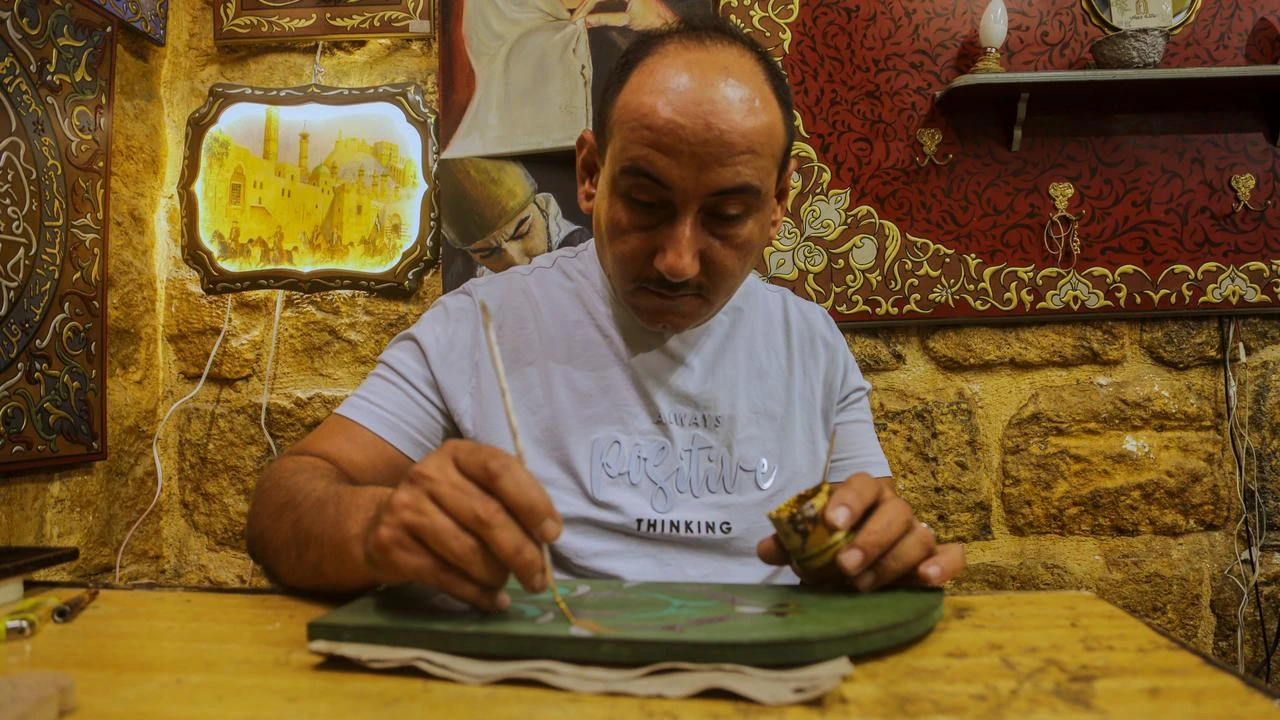
As its use in large architectural structures has declined over time, the craft today is applied mainly to smaller items such as souvenir boxes, decorative paintings and wooden objects.
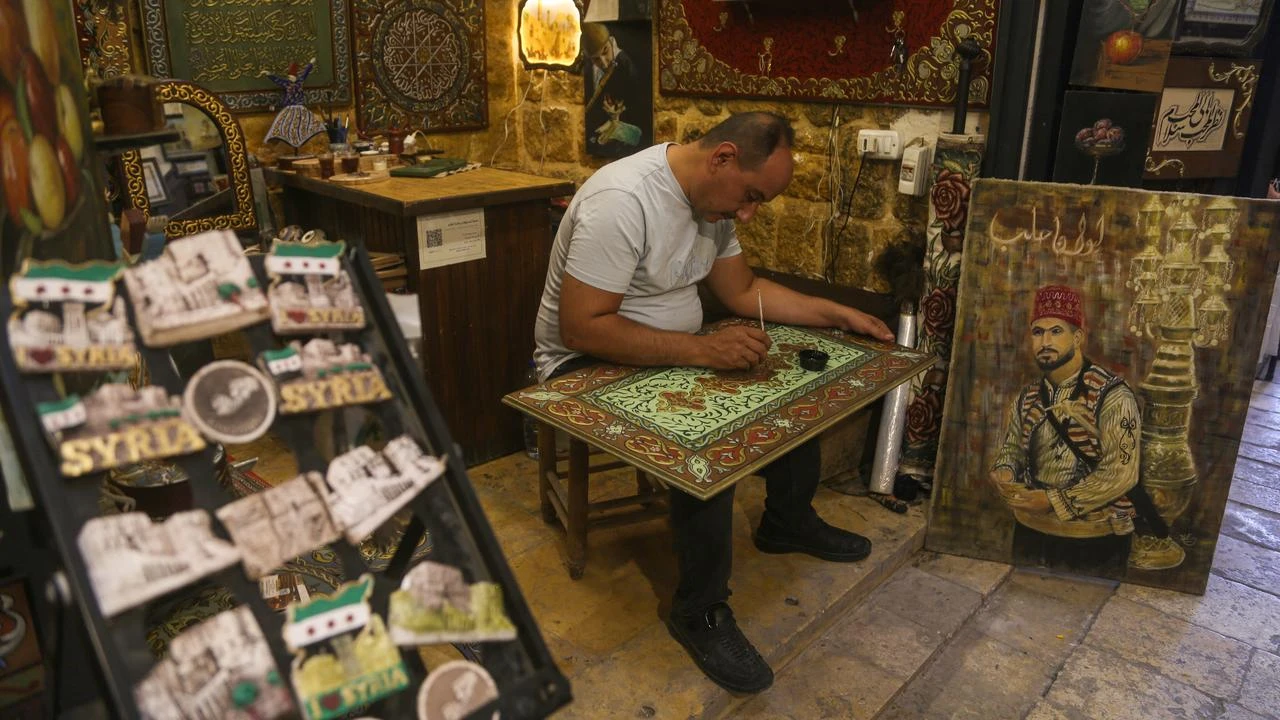
The production process begins with a pattern design, which is transferred from paper onto wood before a plant-based paste is applied to create the raised relief.
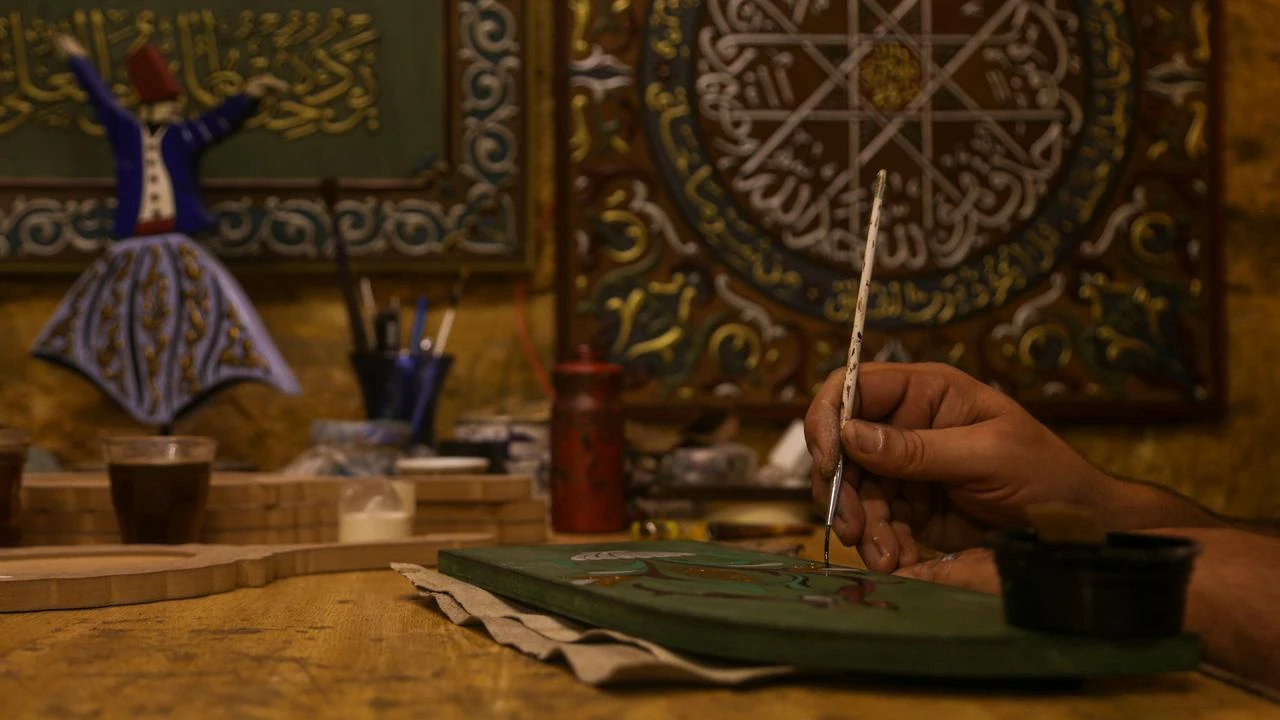
After application of the base coat and a protective material, the raised patterns are colored with a brush, with the piece completed using black outline detailing in the final stage.
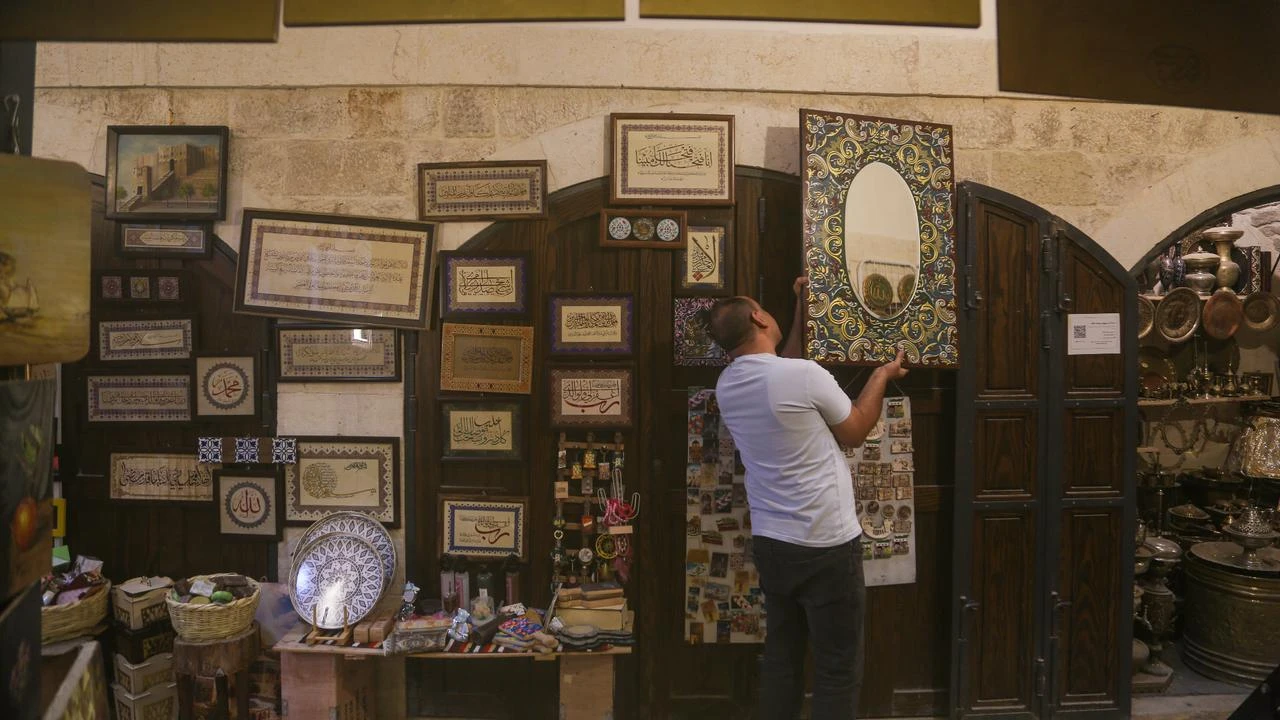
Said noted that the colors and materials used in relief wood carving affect the atmosphere of a space, with cooler tones typically chosen for sunlit areas and warmer tones for darker spaces.
Said expressed hope for the creation of a traditional handicrafts market where artisans practicing crafts such as wood carving, coppersmithing, weaving, and rug-making could work together under one roof.


 Set as preferred source


 1 min read