Newsletters


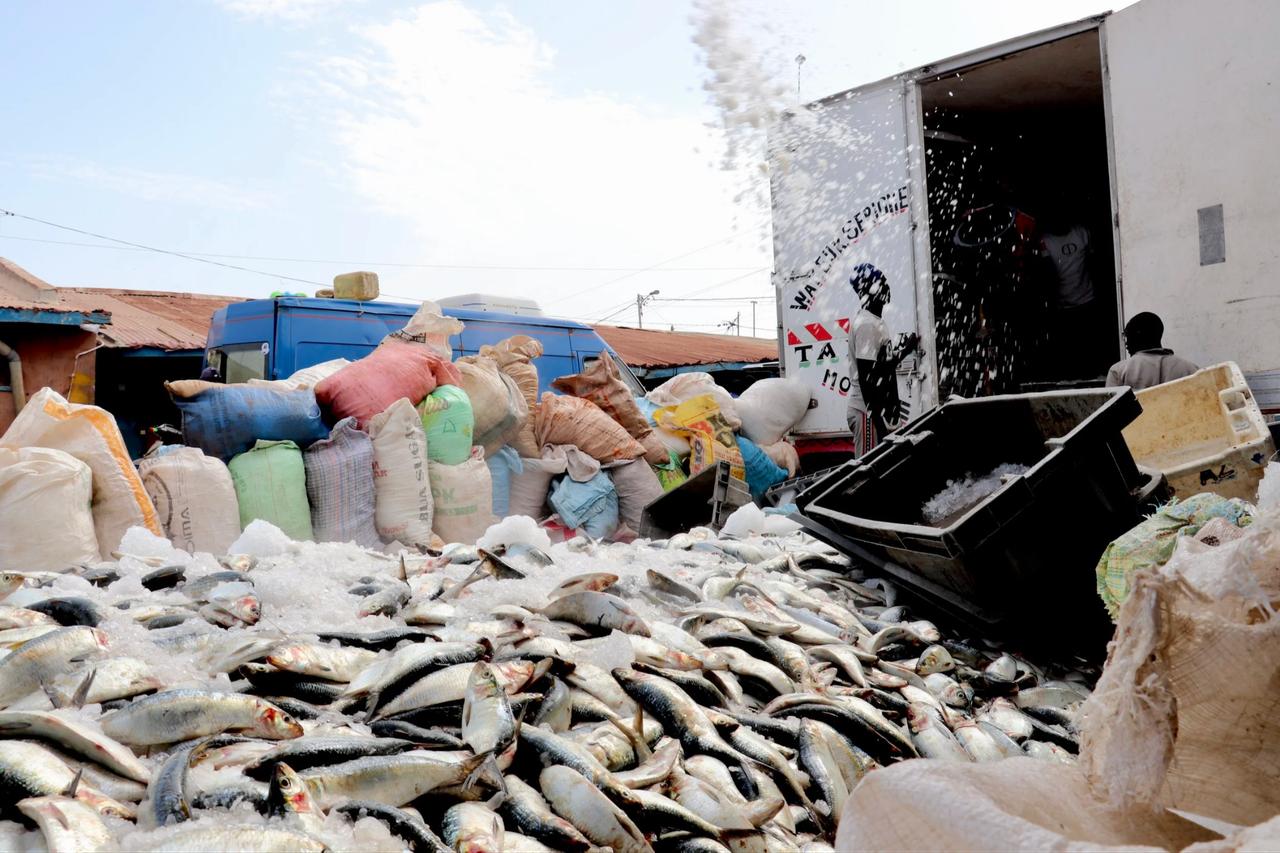


Deforestation along the Mbali River in the Central African Republic is reducing fish populations, threatening local livelihoods and food supplies as growing demand for charcoal drives further tree cutting.
Forests surrounding Boali, a town in the southwestern Central African Republic, are increasingly being cleared to produce charcoal for cooking and heating. Experts warn that the loss of trees is lowering river levels, increasing water pollution from sediment and disrupting the breeding conditions needed to sustain fish populations.
For local fisherman Jean-Romeo Senguemboli, the consequences are already visible. After pulling his nets from the muddy waters of the Mbali River, he found barely enough fish to make a living.
"The fishing's terrible," Senguemboli told AFP, identifying widespread tree cutting as the main problem facing local fishermen.
He warned that continued deforestation could further dry up the river and eventually leave it without fish.
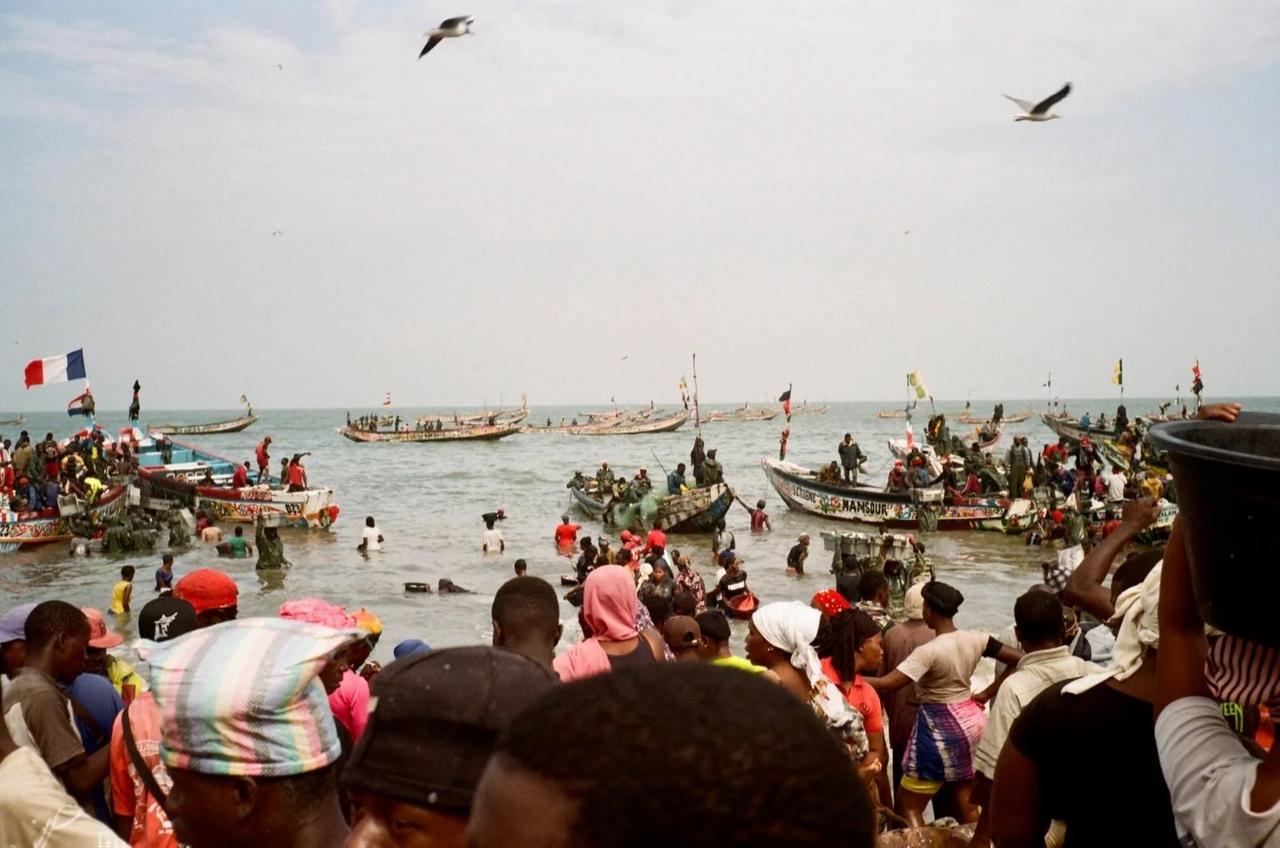

Fishing provides an important source of food and income in the Central African Republic, which lies within the Congo Basin, home to the world's second-largest tropical rainforest after the Amazon.
However, declining catches are making it increasingly difficult for sellers in Boali to meet demand, particularly as buyers travel from the capital, Bangui, to purchase fish.
Market seller Flore Ouagbele said fish supplies were becoming increasingly scarce even as demand continued to grow, leaving local residents struggling to find enough.
Fishermen have also reported catching smaller fish than in previous years. Senguemboli attributed the change partly to rising temperatures and climate change, recalling that larger carp were once common in the river.
According to a report published last year by the World Wide Fund for Nature (WWF), Africa has the world's highest annual freshwater fish catch per person, averaging 2.6 kilograms (5.7 pounds).
Meanwhile, charcoal production remains an essential source of income for communities facing economic hardship.
In the nearby village of Gbaho, charcoal producer Saint-Cyr Gaba said prolonged dry periods, particularly from August onward, were making living conditions more difficult. Despite the environmental consequences, he explained that residents depended on charcoal production to cover their basic needs.
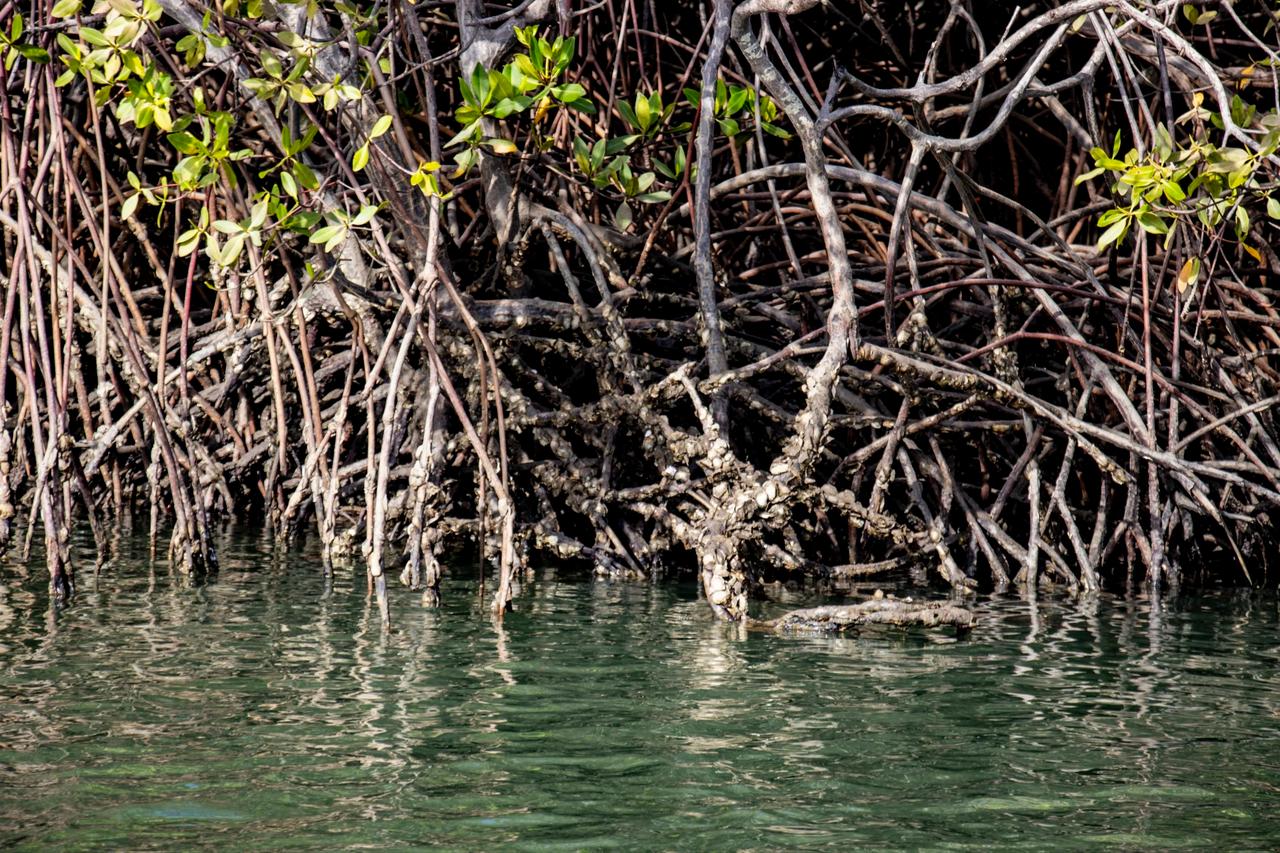
Yves Kaengonza, an expert at the Central African Republic's water and forestry ministry, explained that removing trees around rivers increases water turbidity, meaning the amount of suspended particles that make water cloudy, while also reducing oxygen levels.
These changes damage spawning grounds, the areas where fish reproduce, and make it harder for populations to recover.
"When there isn't enough depth, the fish lose their refuge. They can't reproduce. As a result, the number of fish decreases," Kaengonza said.
WWF has similarly warned that deforestation changes river temperatures and water flow while increasing sedimentation as exposed soil washes into waterways.
The organization also identified dam construction, irrigation projects, agricultural expansion, urbanization and mining as additional threats to Africa's freshwater ecosystems.
The growing pressure on the Mbali River comes as representatives of nearly 200 countries gather at a United Nations biodiversity summit in Armenia to discuss global efforts to address deforestation, pollution and the overexploitation of natural resources.


 Set as preferred source
 Set as preferred source


 1 min read