Newsletters





More people take up outdoor activities such as walking, running, cycling, tennis and swimming as temperatures rise, but exercising without proper precautions can raise the risk of injury rather than improve fitness, warns Prof. Dr. Serda Duman.
Identifying the common habits that can turn summer exercise into serious injury, Duman, who is associated with the Orthopedics and Traumatology Department at Medicana Zincirlikuyu Hospital in Istanbul, says that people who do not exercise regularly and suddenly begin intense activity face a notably higher risk of injury.
The body works harder to regulate its temperature in hot weather, and fluid and electrolyte loss through sweating adds to muscle fatigue, which can affect reflexes and coordination, Duman notes.
Duman says the most frequent mistakes in summer include exercising during the hottest hours of the day, not drinking enough water, skipping warm-up and post-exercise stretching, using unsuitable shoes or equipment, and continuing to exercise despite pain. These habits place unnecessary strain on muscles, tendons and joints, increasing the likelihood of injury.
The most common summer sports injuries include muscle strains, ankle sprains, knee ligament injuries, meniscus problems, shoulder muscle and tendon injuries, and Achilles tendon issues. Duman notes that tennis, padel, football, running, swimming and cycling each place stress on different muscle and joint groups.
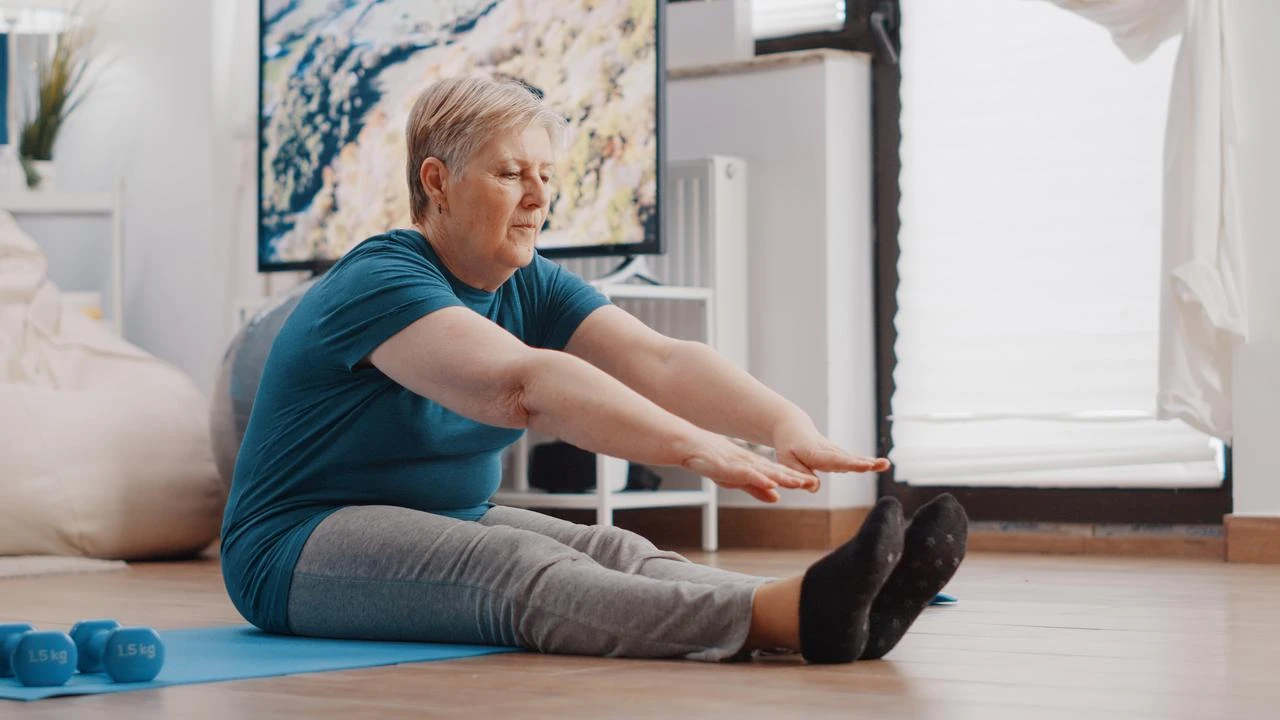

Duman says pain felt during exercise is an important signal from the body. Continuing to exercise using painkillers, or assuming discomfort will pass on its own, can turn a minor strain into a muscle or tendon tear, she adds. Early assessment of knee and shoulder injuries in particular is important for protecting long-term joint health.
She advises seeking an orthopedic specialist without delay if pain lasts more than 48 hours after exercise, if there is noticeable joint swelling, restricted movement, inability to bear weight, a feeling of the knee or shoulder giving way, or a sudden tearing sensation. Early diagnosis and treatment can shorten recovery time and reduce the need for surgery, she says.

Duman recommends exercising in the early morning or cooler evening hours during summer, along with 10 to 15 minutes of warm-up before activity and stretching afterward. She also advises drinking enough fluids before, during and after exercise, and choosing clothing and footwear suited to weather conditions.
The most important rule, Duman says, is paying attention to signals from the body. Pausing exercise when pain or excessive fatigue is felt, and seeking specialist evaluation when needed, can help prevent serious injuries, she adds.


 Set as preferred source
 Set as preferred source




 6 min read