Newsletters


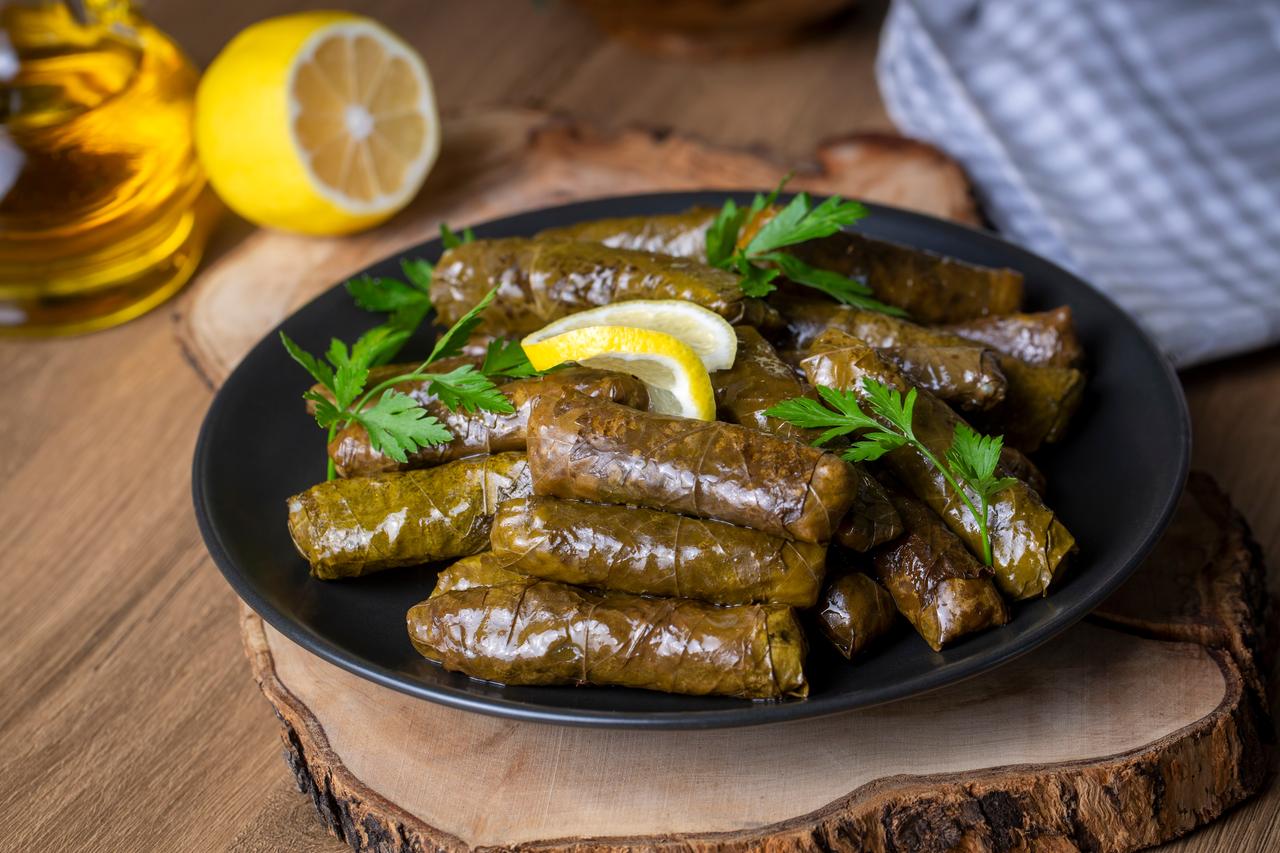


A labor-intensive stuffed dish rooted in Ottoman culinary tradition has evolved into one of the world’s most widely shared festive foods, adapting across continents while preserving its symbolic role as a gesture of welcome, generosity and togetherness.
A recent BBC article has brought one of the world’s most widely shared dishes back into focus, tracing how dolma, a staple strongly linked to Ottoman culinary tradition, travelled across continents and evolved into a global symbol of hospitality.
From Ramadan tables in Riyadh to family lunches in Sweden and festival meals in India, the dish appears under different names and flavors, yet its origins and culinary framework remain tied to a food culture that developed in Ottoman kitchens centuries ago. As the article shows, dolma did not simply spread geographically; it adapted, blended into local traditions and became part of celebrations across vastly different societies while preserving its core meaning of welcome and togetherness.

The BBC article describes dolma as a broad family of dishes built around a simple idea: filling vegetables, leaves or even seafood with mixtures of rice, meat or spices. The word itself comes from the Turkish verb "dolmak," meaning “to fill” or “to stuff,” a linguistic clue that reflects its historical roots.
Food historian Priscilla Mary Isin explains that while stuffing ingredients existed long before, Ottoman cooks between the 15th and 19th centuries turned the technique into a culinary obsession. Vegetables, vine leaves, fruits, fish and meats were hollowed out and filled in countless combinations, creating what historian Charles Perry later called a “creative explosion of dolma recipes.”
The imperial palace kitchen, known as Matbah-i Amire, played a central role in accelerating experimentation. Competition among palace chefs encouraged innovation, while the empire’s vast geography allowed ingredients from North Africa, the Balkans and the Middle East to flow into Istanbul’s kitchens, where they were reimagined through stuffing techniques.
Religious practices also shaped the dish’s evolution. Large Byzantine Christian communities fasting for long periods required meat-free meals, prompting cooks to develop vegetable- and rice-based fillings that later became staples across the region.
Dolma gradually moved from experimentation to prestige. By the 17th century, wealthy Ottoman elites employed specialist dolma cooks, and dedicated dolma restaurants began appearing in Istanbul.
Rice, now seen as ordinary, was once considered a luxury ingredient and was therefore associated with celebration. Over time, rice-filled dolma became closely tied to festive meals, including Ramadan and Eid gatherings, symbolizing abundance rather than everyday sustenance.
Its labor-intensive preparation reinforced that symbolism. Rolling each leaf or carefully filling vegetables requires patience and cooperation, turning cooking into a social ritual rather than an individual task. Families gathered around tables to prepare dolma together, strengthening its association with hospitality and collective memory.
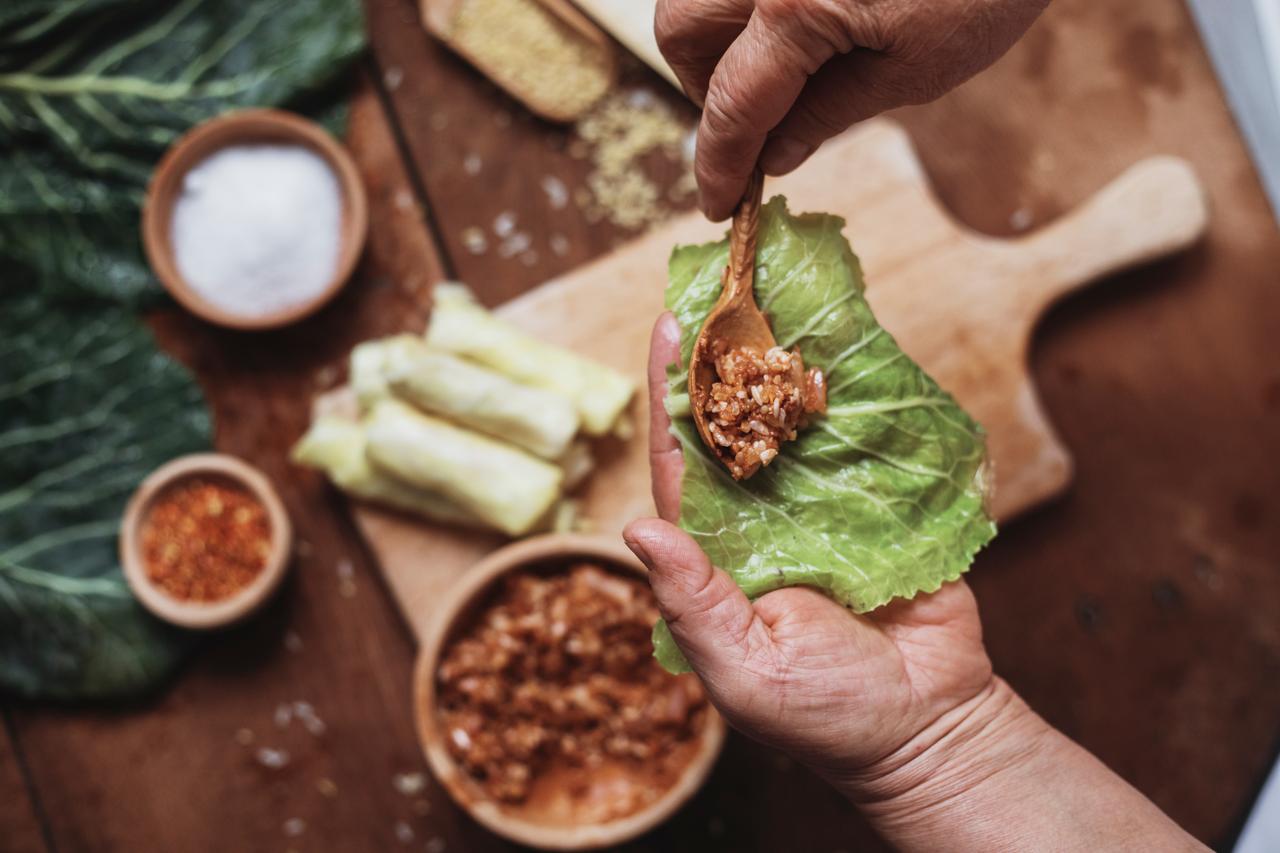
As the Ottoman Empire expanded between the 18th and 20th centuries, dolma travelled with merchants, soldiers and migrants, adapting to local climates and ingredients along the way.
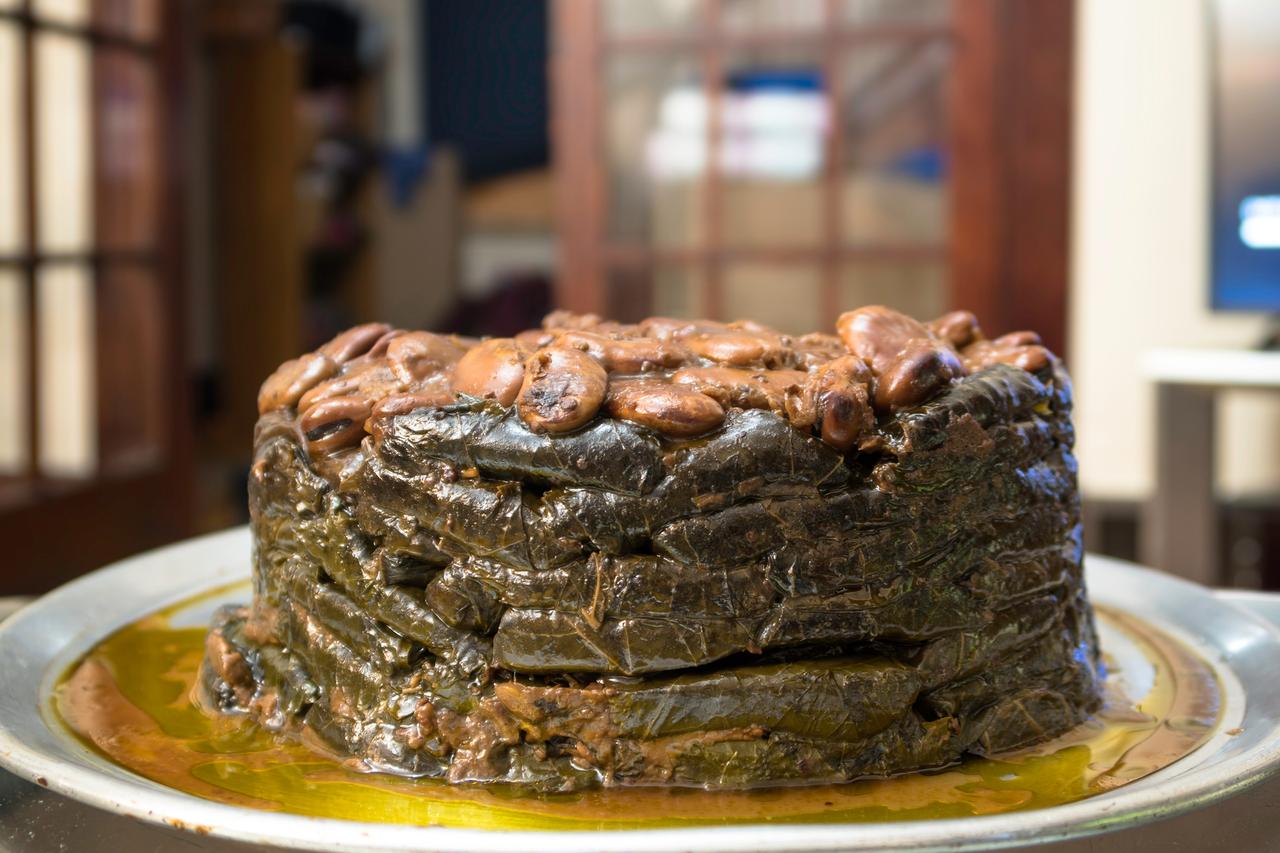
Stuffed grape leaves became waraq enab in the Gulf, yarpaq dolmasi in Azerbaijan and dolmades in Greece. In Egypt and the Levant, stuffed vegetables evolved into dishes known as mahshi. In colder European regions, cabbage replaced vine leaves, producing variations such as Poland’s golabki and Bulgaria’s sarmi.
One of the most unexpected adaptations emerged in Sweden. After King Charles XII spent years in Ottoman exile following defeat in 1709, returning cooks recreated stuffed cabbage rolls adapted to Nordic tastes, later known as kaldolmar and served with syrup and lingonberries.
Further east, Armenian merchants introduced stuffed vegetable techniques to Kolkata, where Bengali cooks transformed them into potoler dolma, filling local gourds with fish, potatoes or cottage cheese and cooking them in curry.
Despite these transformations, the article notes that dolma consistently retained its ceremonial role, appearing at Ramadan iftars, Newroz celebrations, Christmas dinners and Hindu festivals alike.
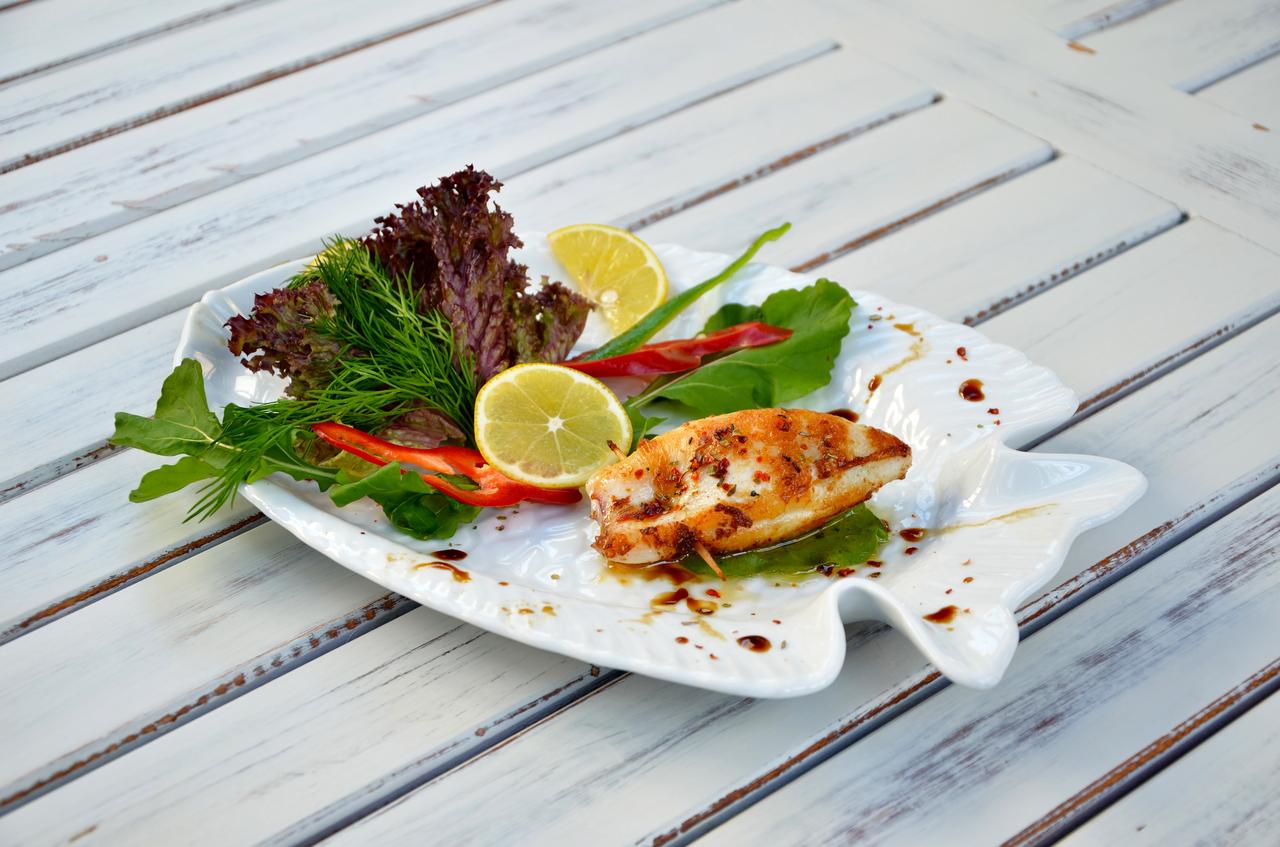
The communal preparation of dolma remains central to its cultural meaning. Families often divide tasks, with some preparing leaves, others mixing fillings and others rolling, turning cooking into a social gathering.
This collective tradition has even been recognized by UNESCO as an Intangible Cultural Heritage practice in Azerbaijan, highlighting how food preparation itself can function as cultural transmission between generations.
For many people interviewed in the BBC piece, dolma carries emotional memory as much as culinary value, often tied to grandparents, family celebrations or childhood meals. Across continents, the dish continues to serve as a reminder of belonging and welcome.
While the BBC article follows dolma’s global journey, Türkiye today preserves one of the widest ranges of variations shaped by regional climates and historical culinary practices.
Yaprak sarma, perhaps the most internationally recognized version, wraps rice and herbs such as dill and parsley inside softened vine leaves, typically cooked with olive oil for a lighter flavor. Lahana sarmasi replaces vine leaves with cabbage, while cherry leaf sarma represents a lesser-known regional adaptation.
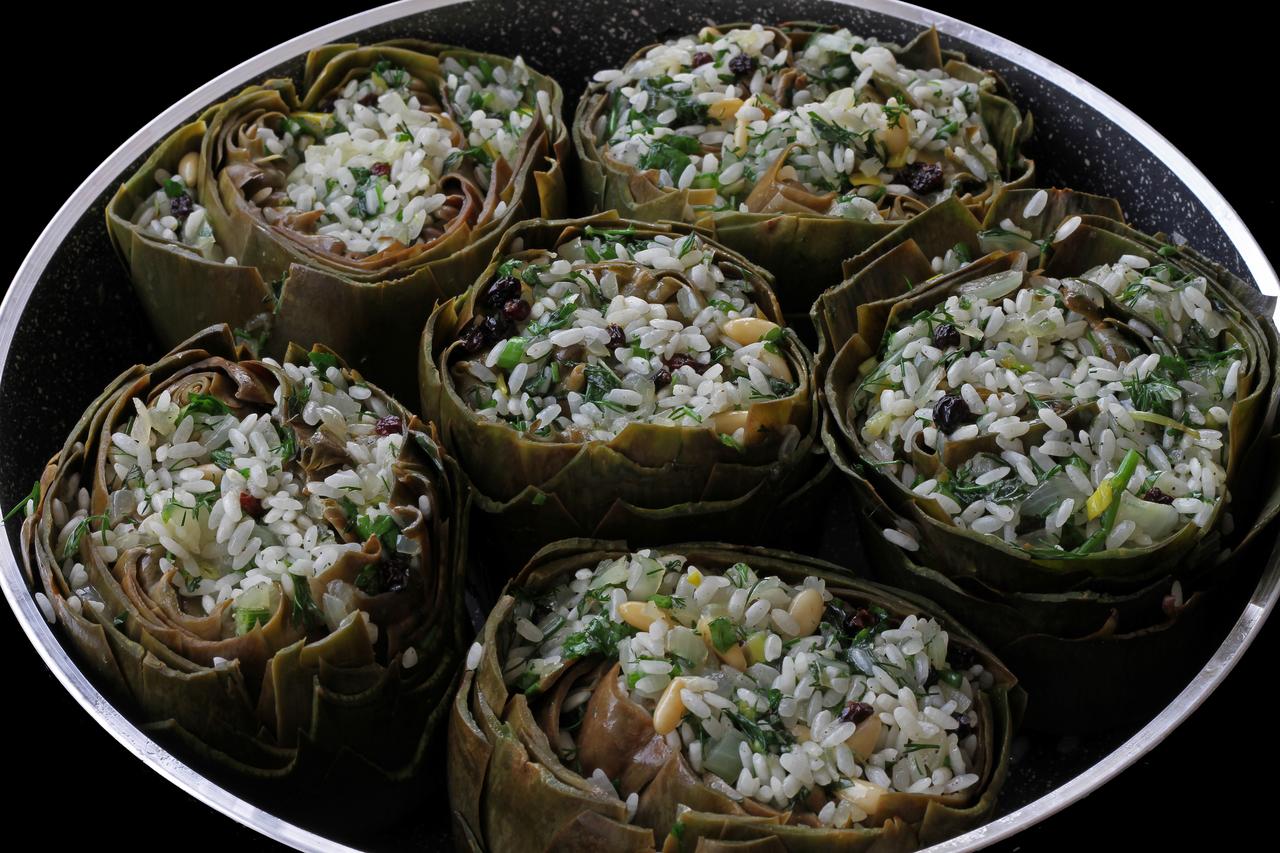
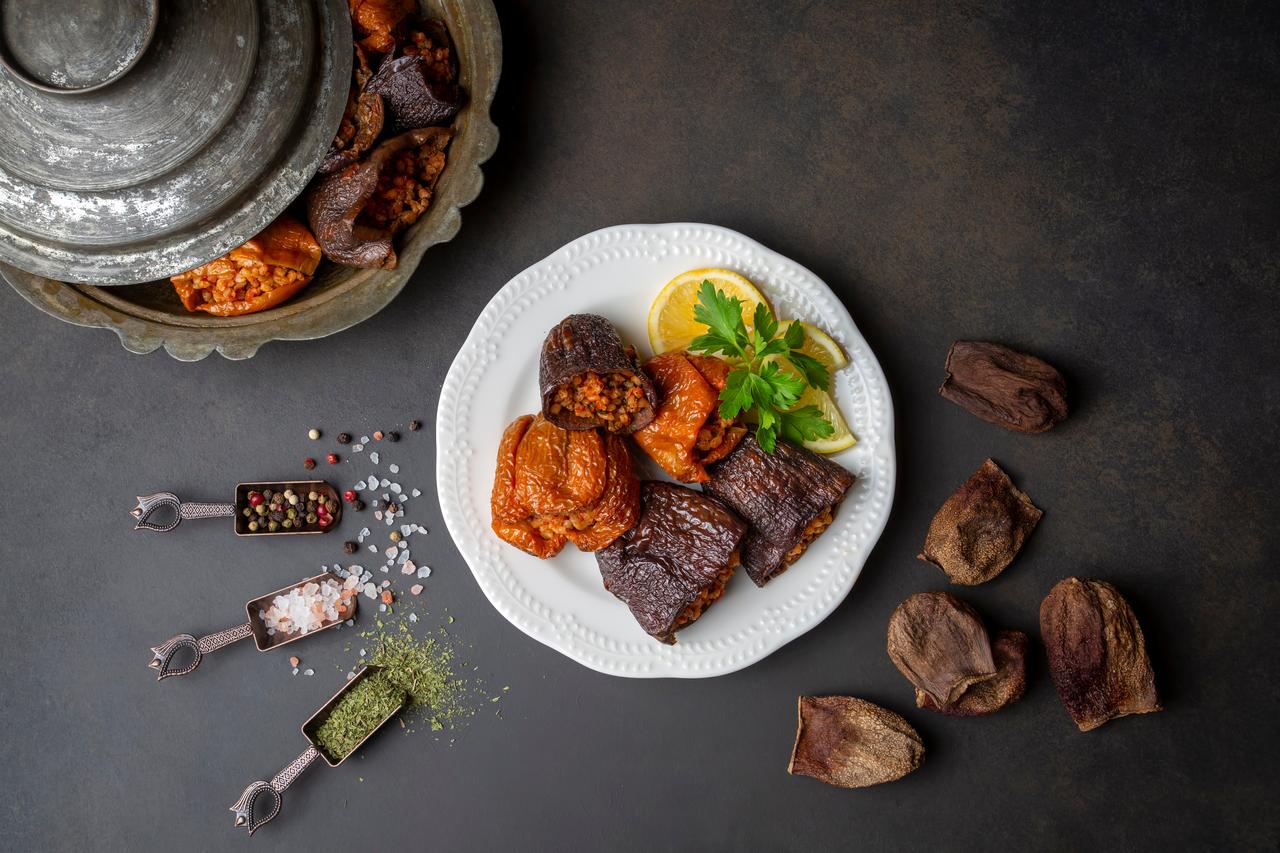
Vegetable-based versions include enginar dolmasi, prepared with rice, spices and pine nuts and finished with olive oil and lemon for a tangy profile. In southeastern regions, dried eggplant dolma reflects hot climates where vegetables are sun-dried before being filled with rice and minced meat and slowly cooked in tomato sauce.
Seasonal delicacy kabak cicegi dolmasi uses zucchini blossoms filled with aromatic rice mixtures during spring and summer, while sogan dolmasi highlights stuffed onions as a softer alternative.
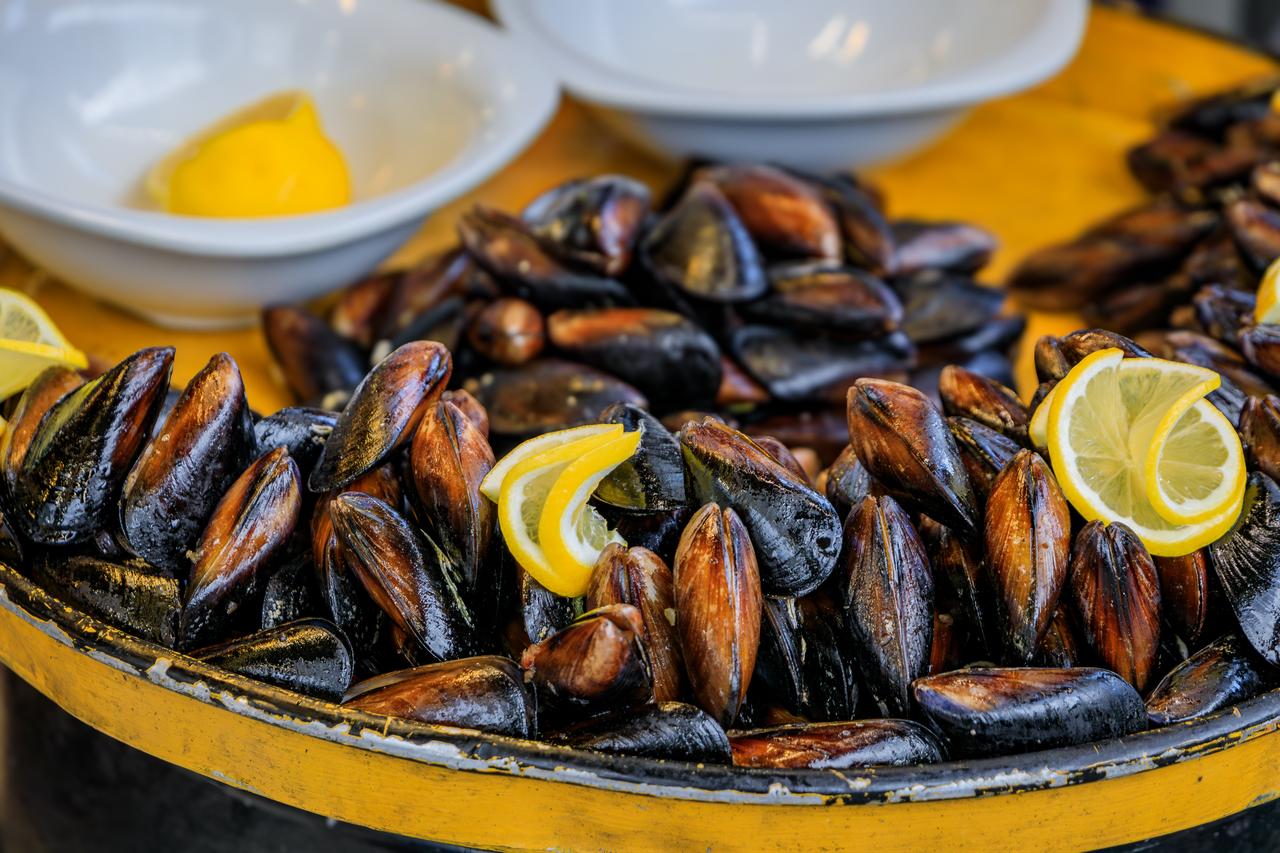
Ottoman culinary traditions also extended stuffing techniques to seafood. Midye dolma, stuffed mussels served with lemon, evolved into one of Türkiye’s best-known street foods, consumed both hot and cold thanks to olive oil preparation. Regional specialties such as hamsi dolma in the Black Sea region and stuffed calamari in the Aegean region demonstrate how maritime ingredients were incorporated into the dolma tradition.
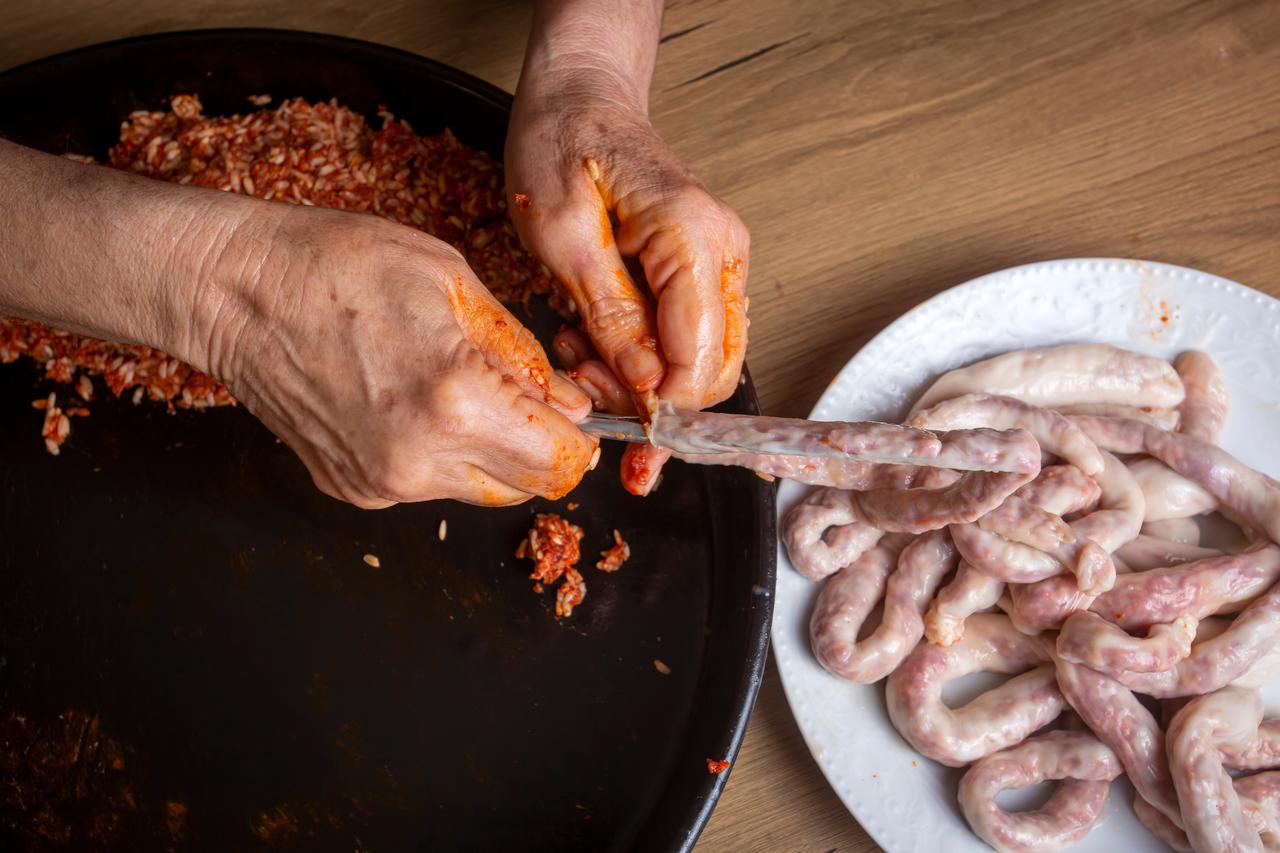
More unusual examples include mumbar dolmasi, made by filling cleaned sheep intestines with rice and minced meat, and kuzu gomlegi dolmasi, where lamb caul fat wraps a rich filling of liver, rice and dried fruits, reflecting palace-era cooking techniques.


 Set as preferred source
 Set as preferred source



 2 min read