Newsletters


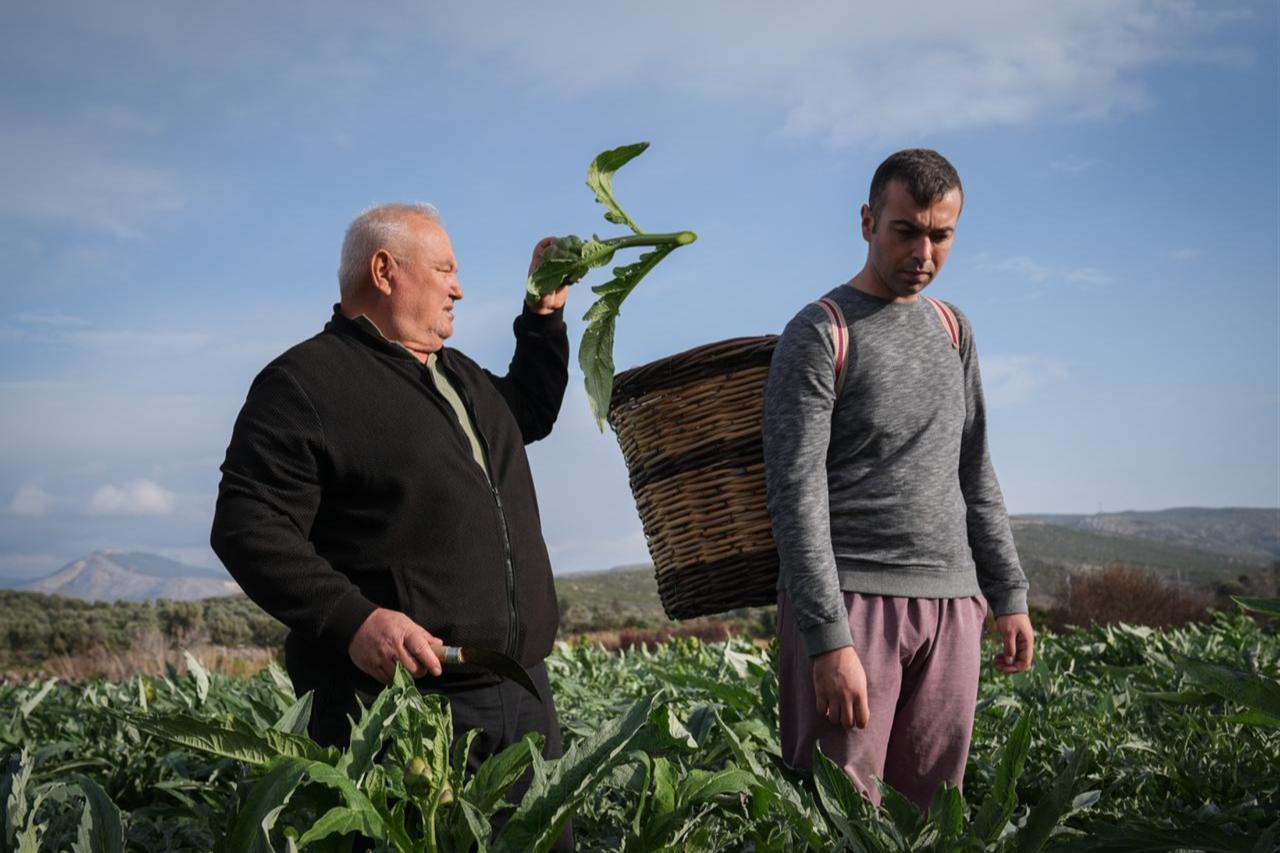


The arrival of spring in Türkiye brings more than just warmer weather; it signals the start of the artichoke harvest, a cornerstone of the Mediterranean diet and a vital economic driver for the Aegean coast.
Known as a "mild climate vegetable," the artichoke is prized not only for its delicate flavor but also for its high nutritional density.
The vegetable remains a powerhouse of vitamins A and C, along with essential minerals like calcium, potassium, iron, manganese, and phosphorus.
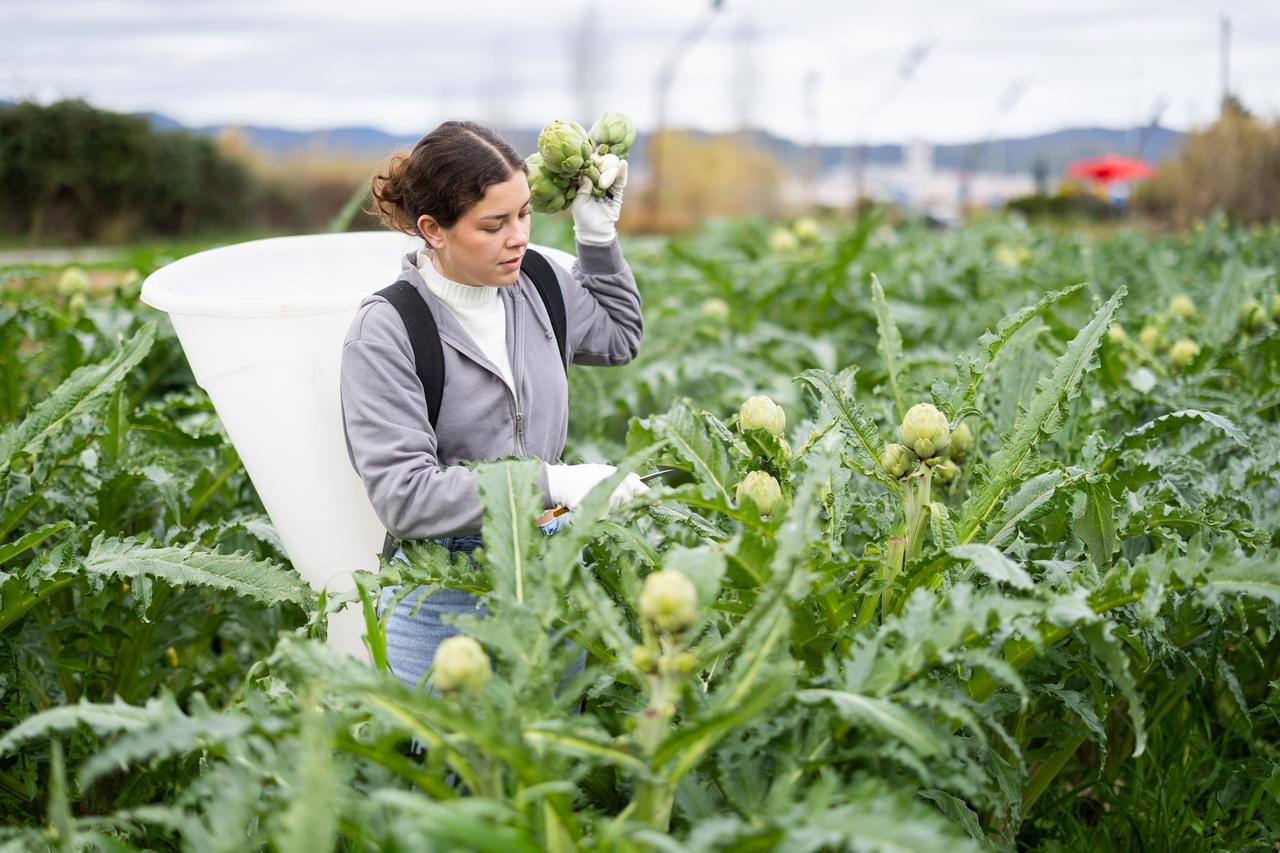

The 2026 season has been a story of atmospheric redemption for Turkish farmers.
In previous years, the agricultural sector in the Aegean and Marmara regions struggled with the dual threats of drought and sudden frost, which significantly lowered crop yields. However, the first quarter of 2026 saw a dramatic shift.
During January and February 2026, rainfall levels stayed consistently above seasonal norms, providing deep hydration to the soil. Muharrem Uslucan, the President of the Urla Ziraat Odasi, noted that these rains were a "life source" for the crops.
A critical strategy used by farmers this year involved "withholding water in August" to ensure the plants did not "wake up" too early, protecting them from early-season frost.
Because the winter rains were so sufficient, producers were able to skip expensive artificial irrigation cycles, drastically lowering their overhead. As a result of these ideal conditions, experts are projecting a 20% increase in yield for the 2026 season compared to the previous year.
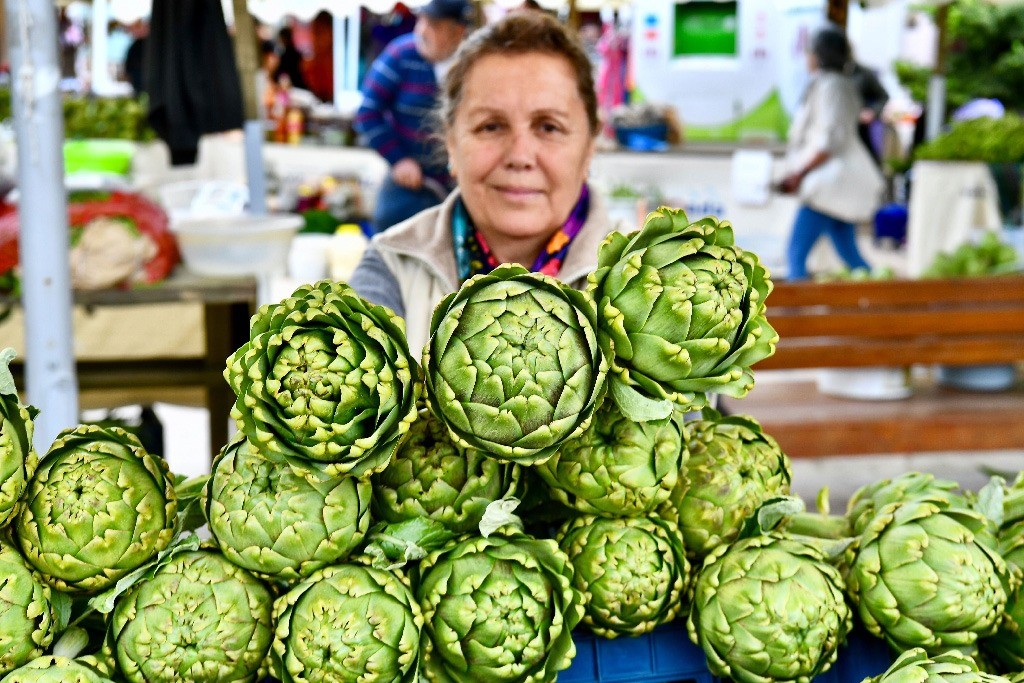
While several varieties are grown across Türkiye, the "sakiz" (gum) artichoke is the undisputed crown jewel of the Izmir region.
Primarily cultivated in the districts of Cesme, Urla, Karaburun, and Seferihisar, this variety holds a geographical indication registration, marking it as a product of unique regional heritage.
Izmir alone manages approximately 8,000 decares of land dedicated to artichokes, producing an average of 11,000 tons annually. Farmers often choose the sakiz variety over industrial types despite its lower yield per plant because its culinary quality is superior.
It is the preferred choice for traditional olive oil dishes, meat-based stews, and the increasingly popular "baby artichoke" market. In mid-March 2026, this high demand has sustained wholesale prices between ₺30 ($0.67) and ₺40 ($0.9) TL per unit, ensuring a profitable return for the local farming community.
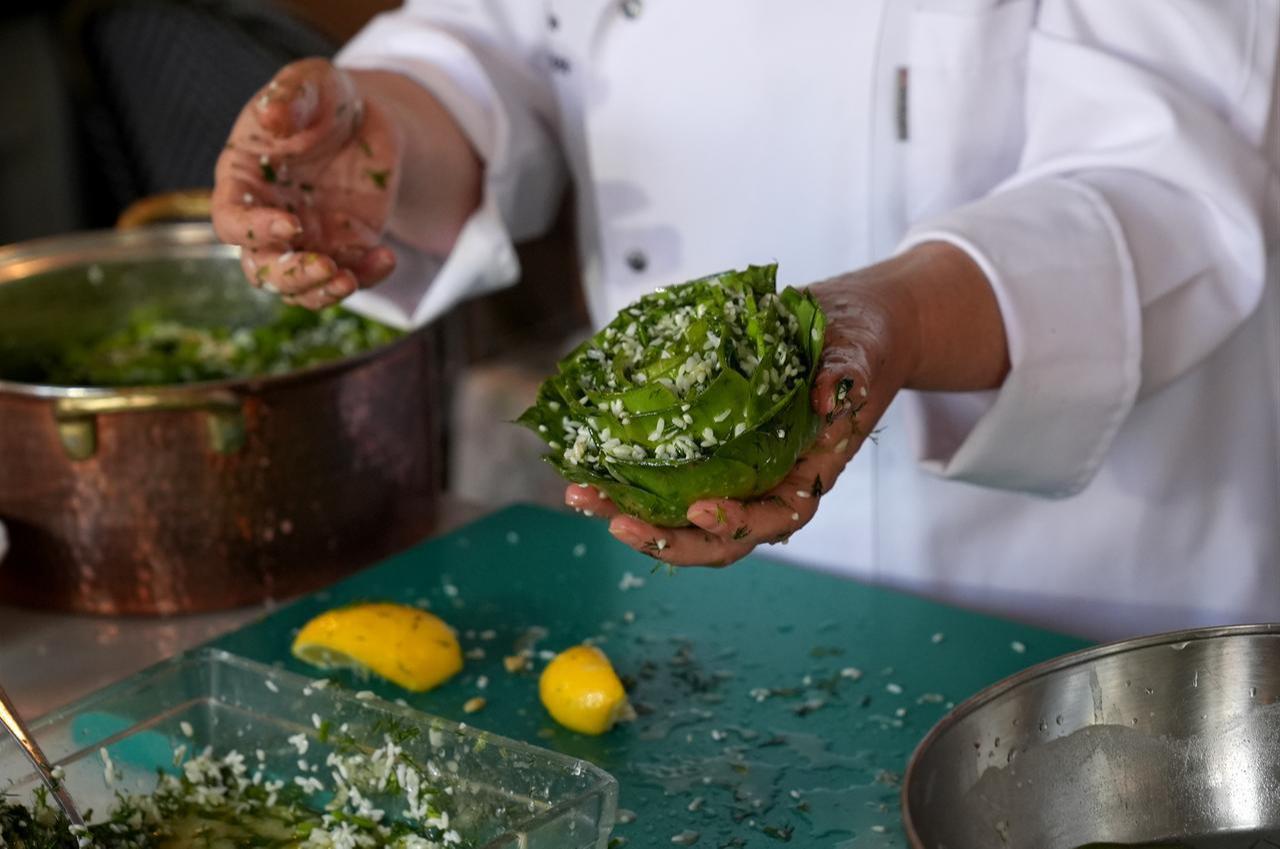
On a national scale, Türkiye remains a dominant force in the Middle Eastern and Mediterranean artichoke markets.
Data from 2024 and 2025 indicate that Türkiye produces nearly 60% of the artichokes in its immediate geographic region. In 2024, the total production volume reached approximately 41,000 tons, according to IndexBox.
With the 20% yield increase expected in 2026, the country is on track to approach a production volume of nearly 49,200 tons. This growth is essential because domestic consumption is remarkably high, often exceeding 42,000 tons per year.
The ability to meet this demand locally is a key metric for Türkiye's food security and agricultural health.
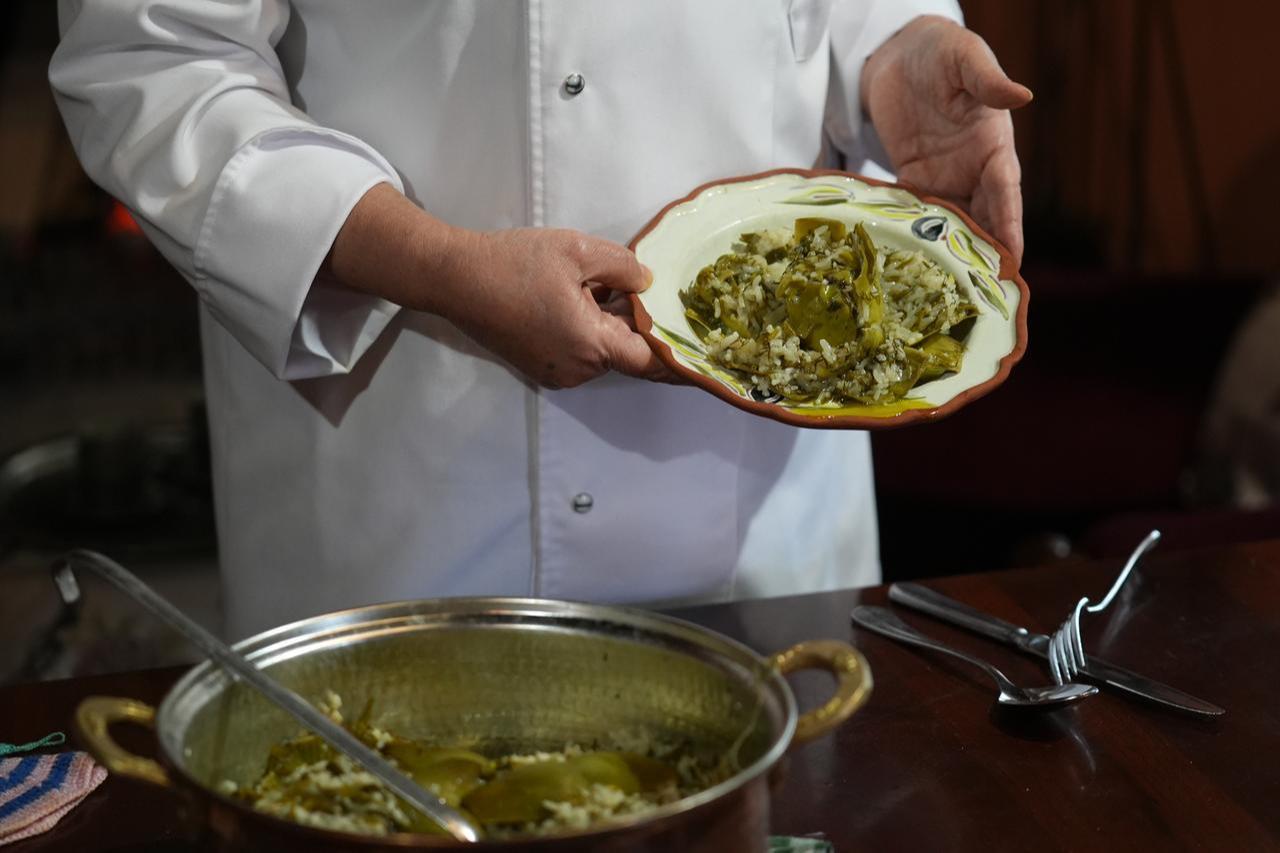
Despite being a top-tier producer, Türkiye’s relationship with the artichoke market is a complex trade paradox.
Because the domestic appetite for fresh artichokes often outstrips the seasonal supply, the country remains a net importer. In 2024, Türkiye imported approximately 3,122 tons of artichokes, with over 99% of that volume arriving from Cyprus, according to Tridge.
On the other side of the ledger, Türkiye has carved out a lucrative niche in the export market, particularly with Italy.
While Italy remains a top destination for fresh buds, recent trends show growing volumes toward the United Arab Emirates and Russia.
The average export price stood at approximately $1,127 per ton as of 2024.
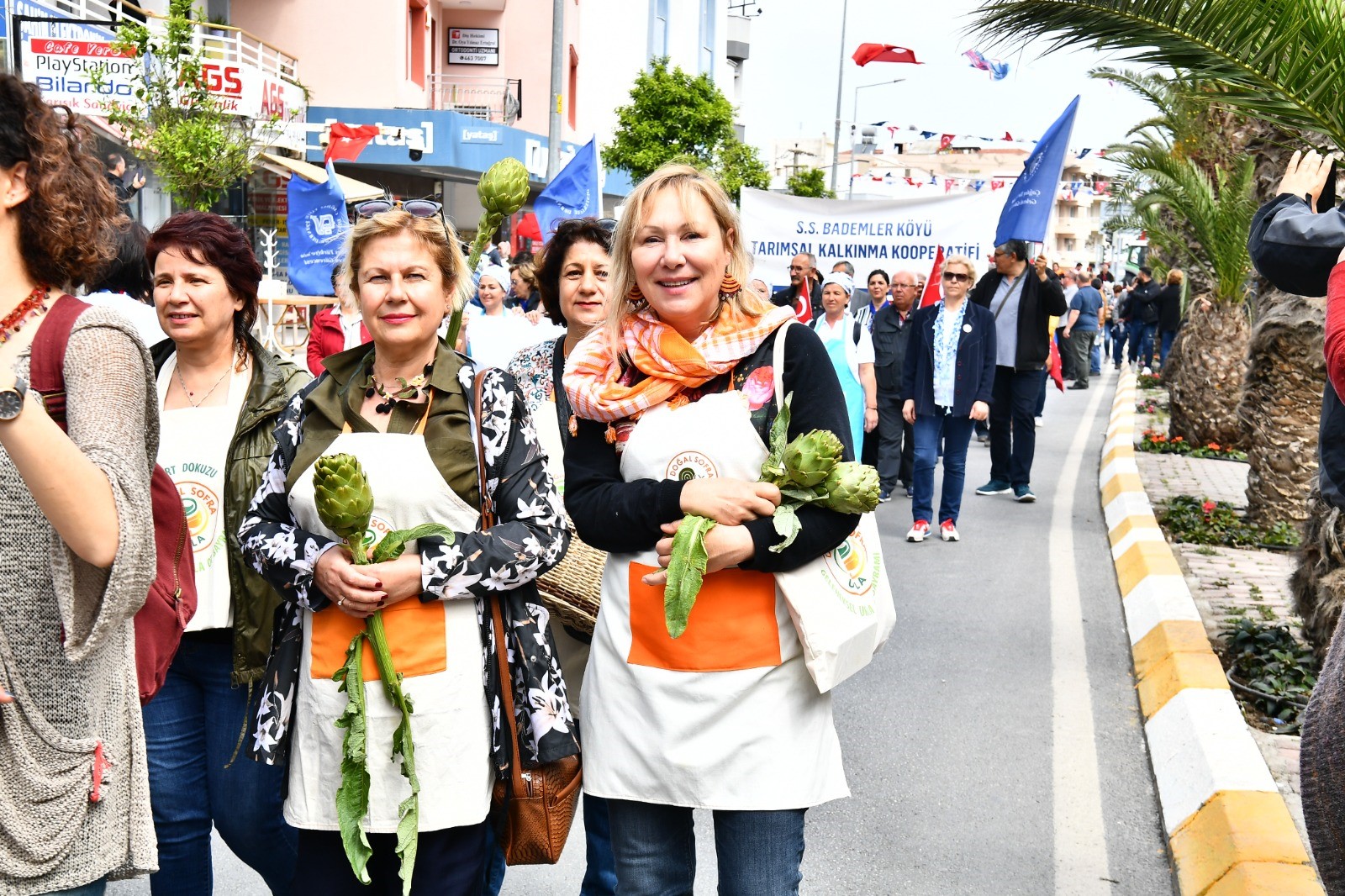
While the fresh trade is concentrated in Europe, there is a burgeoning secondary market for processed and canned artichokes in the United Arab Emirates, Russia, and Germany. The processed sector is currently seeing a 15% annual growth rate, as consumers globally seek out healthy, ready-to-eat Mediterranean products.
The outlook for the Turkish artichoke remains bright as the 2026 harvest continues through June.
The combination of traditional farming wisdom—such as the August dormancy technique—and the fortuitous rainfall of early 2026 has created a rare "win-win" scenario: lower production costs for farmers and higher quality produce for the table.
While Türkiye continues to bridge the gap between being a massive consumer and a specialized exporter, the artichoke, or "Mediterranean gold," will remain a vital pillar of the nation's agricultural economy.


 Set as preferred source
 Set as preferred source


 3 min read